
Sometimes we all need a helping hand, whether we are choosing a meal at a restaurant, finding a steadier routine, or figuring out how to achieve our career ambitions. When it comes to life itself, most of us are never completely sure if we are on the right track.
That uncertainty is why many people work with a life coach: someone who helps them clarify goals, identify challenges, and turn a vague ambition into a practical plan. For the coach, the work depends on repeatable conversations, careful notes, and reliable follow-through. A strong life coaching checklist keeps that work focused without making the relationship feel mechanical.
Below are five Process Street checklists designed to help life coaches transform client conversations into practical next steps, while helping both sides get more value from the coaching process. Three are modeled on routines and methods associated with Tony Robbins, Lisa A. Romano, and Brian Tracy. The remaining two cover core coaching workflows that can fit almost any practice: client intake and SMART goal setting.
Each checklist can be run as a workflow, assigned to a client, duplicated for a new session, or adapted inside Process Street. If you want to jump straight to a template, use the quick links below.
Checklists for life coaches: Quicklinks
- Tony Robbins: Morning Routine
- Lisa A. Romano: Overcoming Negative Self-Talk
- Brian Tracy: Public Speech Preparation
- Client Intake Session Checklist
- SMART Goal Setting Checklist
Tony Robbins: Morning Routine
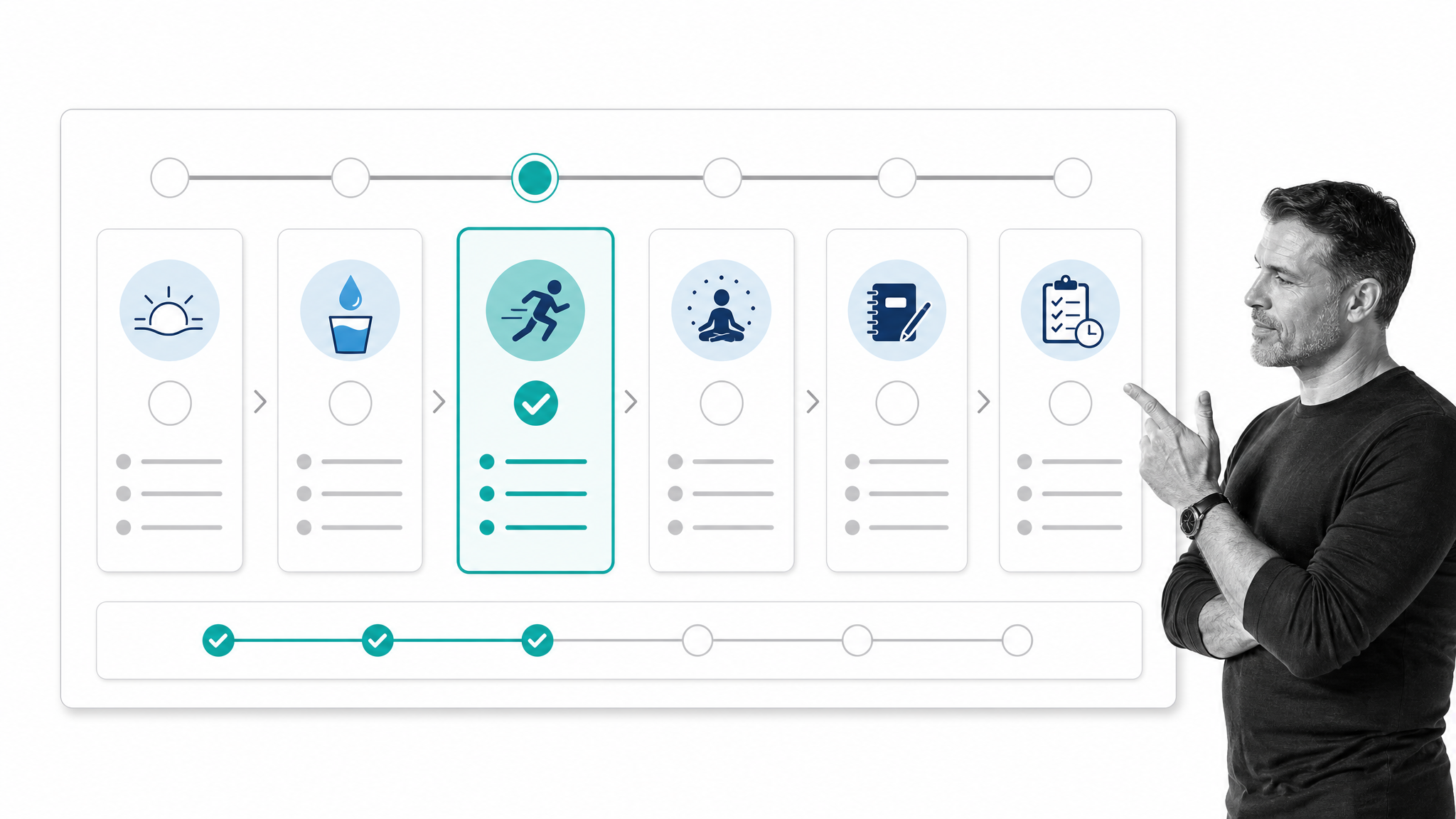
You have almost definitely heard of Tony Robbins. He is one of the most recognizable life and business coaches in the world, known for turning high-energy personal development ideas into practical routines.
To be as active as someone like Tony, you need a morning routine that gives the day structure before distractions take over. This checklist follows the shape of his morning routine while adapting the workout sections so they are realistic for people who do not have specialist equipment at home.
If a client is struggling with their mornings, energy, or sense of momentum, this is a useful checklist to send them. It gives them a repeatable sequence to run instead of relying on memory or motivation alone.
Click here to get the Tony Robbins morning routine checklist
Lisa A. Romano: Overcoming Negative Self-Talk
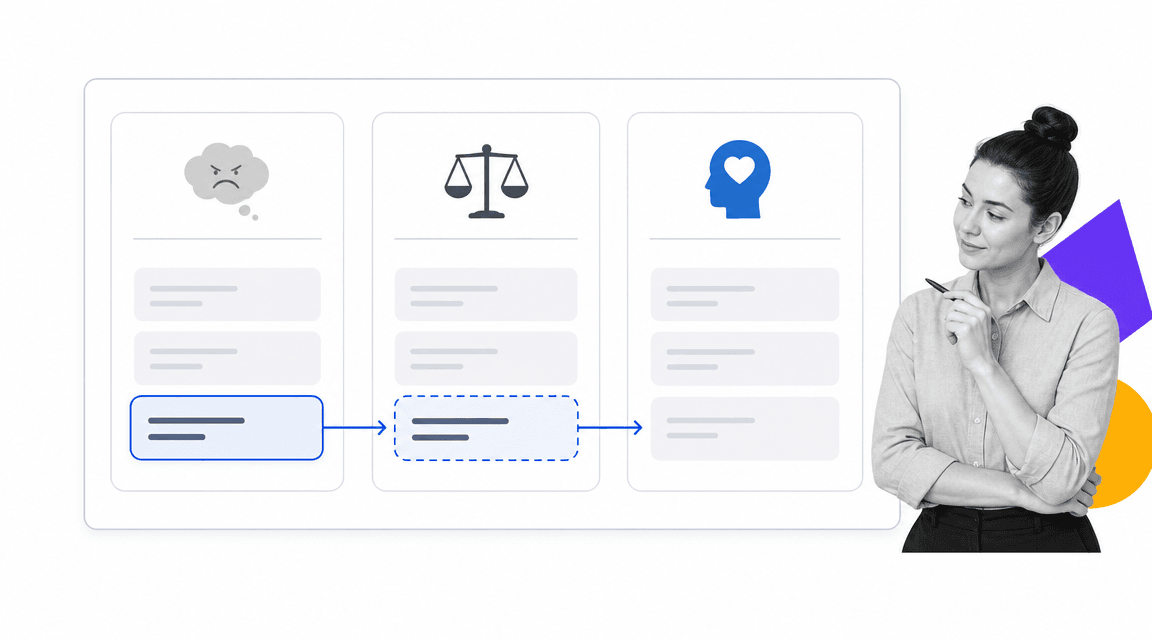
Let’s be honest: negative self-talk is a common daily struggle. The goal is not to pretend negative thoughts never appear. The goal is to notice them, separate the thought from the person, and create enough space to reframe it.
Lisa A. Romano is a life coach and author who has helped people work through codependence, self-doubt, and old patterns of thinking. Her approach to negative self-talk is useful because it turns an internal reaction into a visible process.
This checklist guides a client through observing thoughts, writing them down from a more objective point of view, and visualizing a more constructive alternative. For a coach, that structure makes it easier to review the work in a later session and see where a client is getting stuck.
Click here to get the Lisa A. Romano overcoming negative self-talk checklist
Brian Tracy: Public Speech Preparation
Most of us are intimidated by the idea of speaking in public. For many clients, a presentation, interview, sales meeting, or group conversation can trigger the same anxiety as a formal speech.
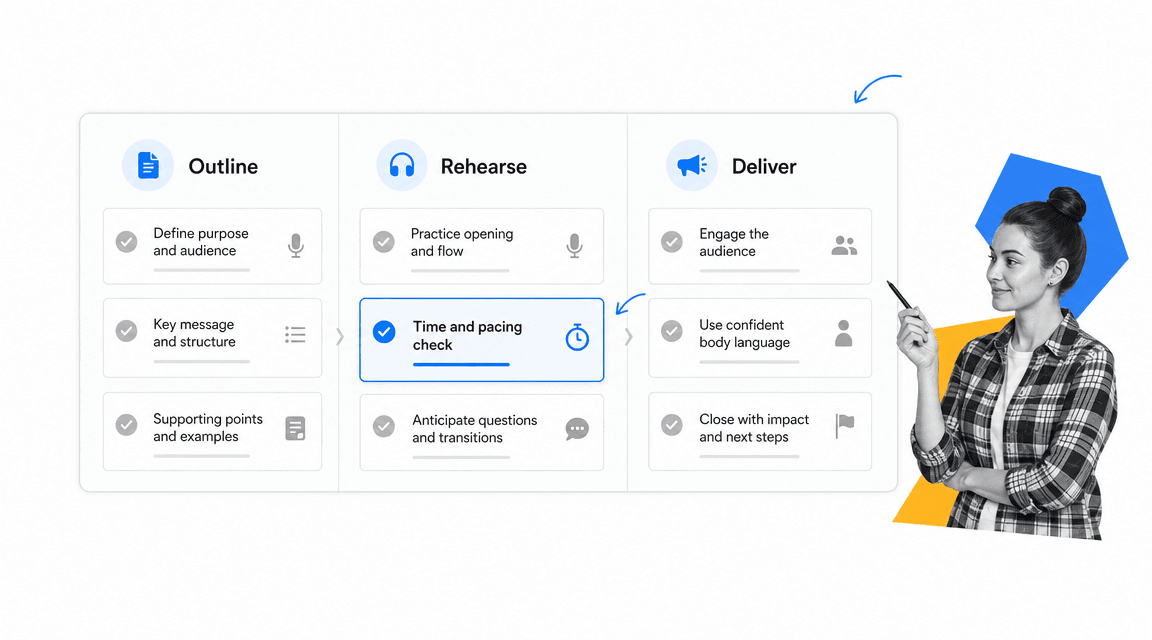
Brian Tracy is known for his work on self-development, selling, personal productivity, and public speaking. The value of his speech preparation process is its simplicity: define the purpose, know the audience, organize the key points, rehearse, and close with confidence.
This checklist is especially useful because both the coach and the client can use it. A life coach preparing for a workshop can run the workflow before stepping on stage. A client who gives presentations at work can run the same checklist before a high-stakes meeting.
Click here to get the Brian Tracy public speech preparation checklist
Client Intake Session Checklist
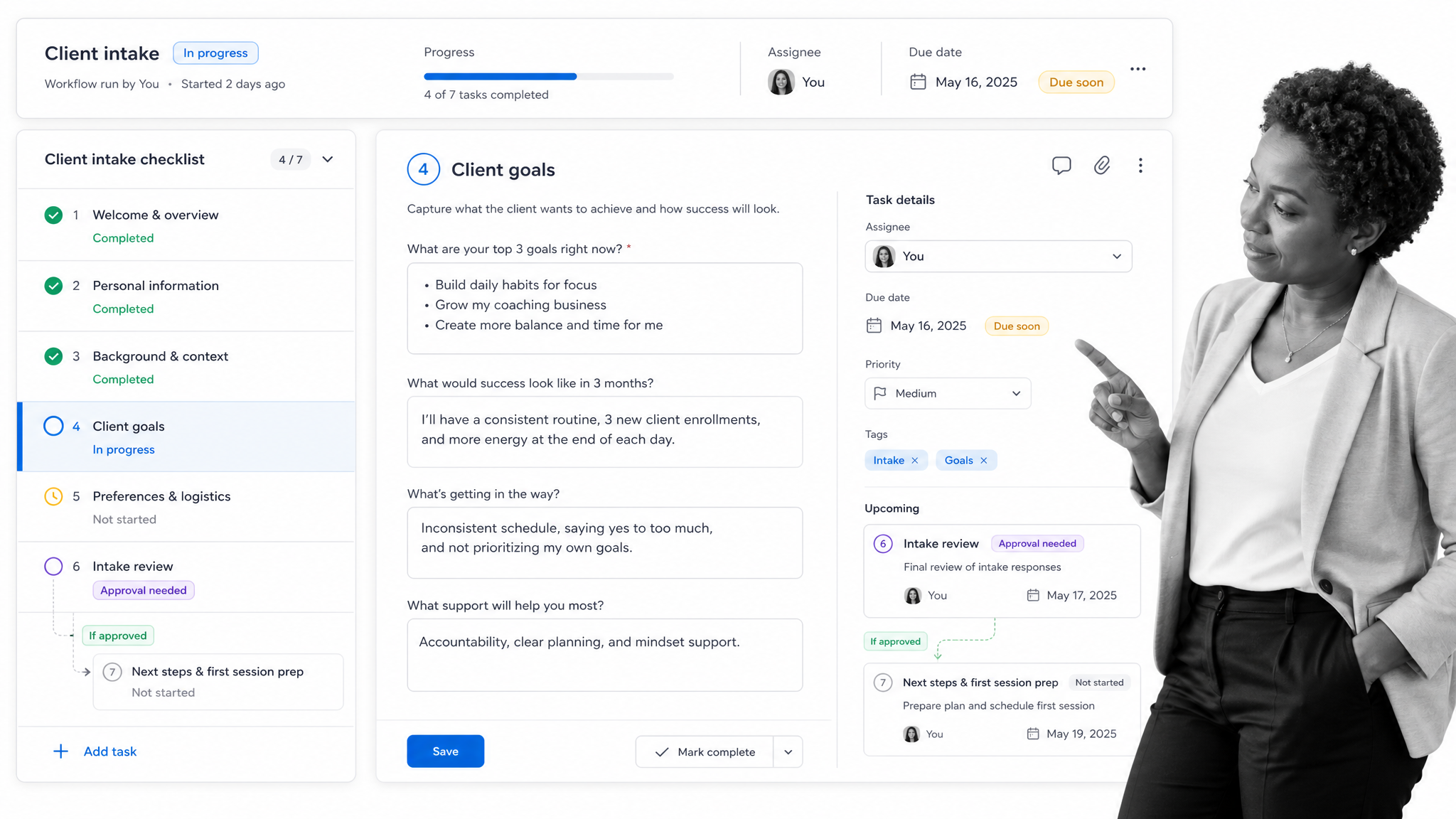
This is one of the most important processes for a life coach. Someone comes through the door looking for help, and the first meeting sets the foundation for the relationship.
The intake session is your opportunity to understand what is going through the client’s mind, clarify what they want from coaching, explain how you work, and agree on what happens next. If that conversation is improvised, important questions can easily be missed.
This checklist is designed to be followed during an intake session. It guides you through the questions to ask, the boundaries to clarify, the notes to capture, and the follow-up actions to schedule so both sides leave with a shared understanding of the future work.
Click here to get the client intake session checklist
SMART Goal Setting Checklist
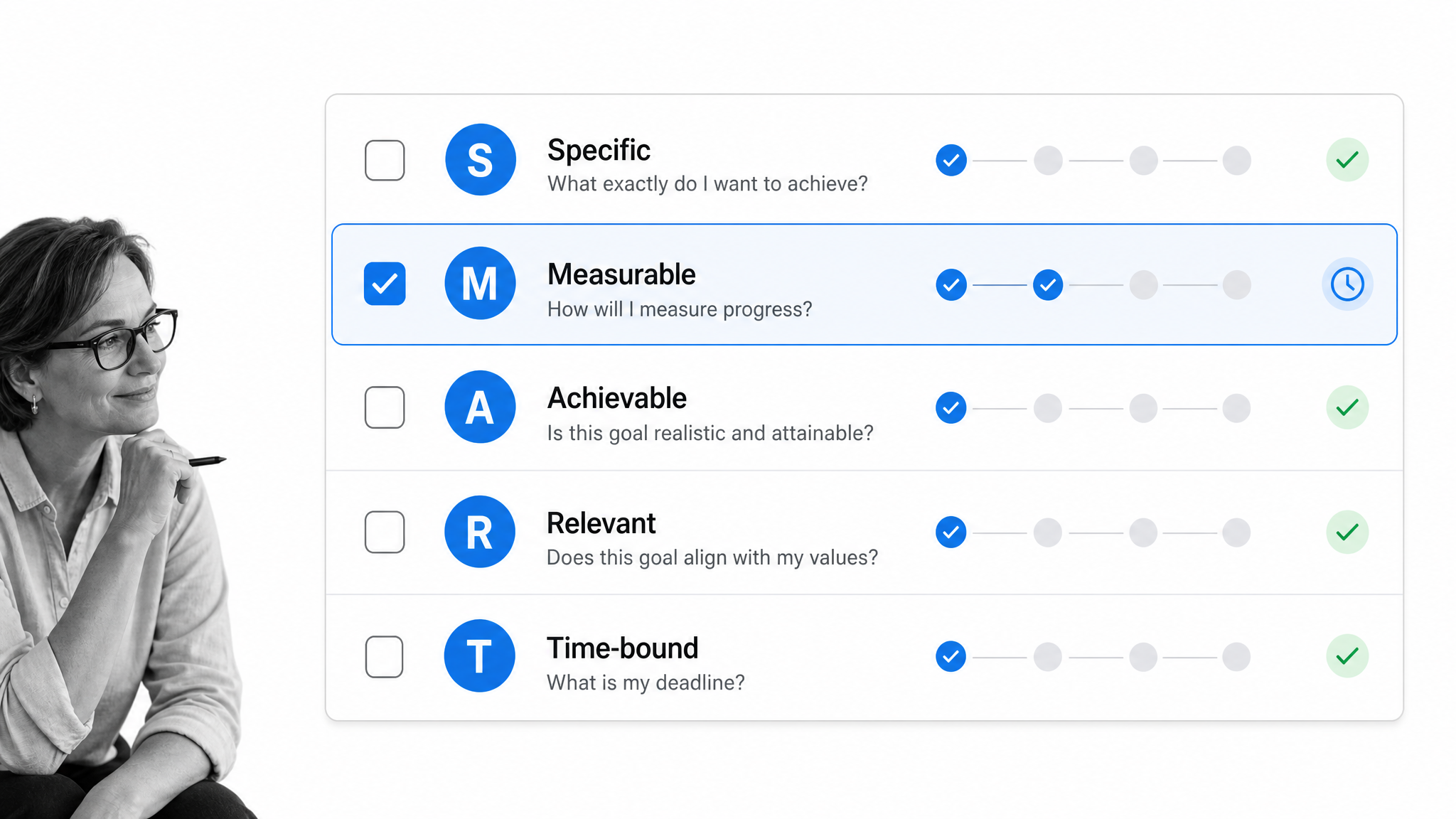
Setting and achieving actionable goals is a core responsibility for any life coach. A client may arrive with a large ambition, but coaching turns that ambition into something specific enough to act on.
The SMART method is useful because it forces clarity. A goal should be specific, measurable, attainable, relevant, and time-bound. Those constraints make it easier for the client and the coach to tell whether the goal is realistic and whether progress is actually happening.
For example, after a session focused on the client’s goals for the next six months, you can ask the client to run this checklist at home for each goal. In the next session, you can review the completed workflows together and build an action plan around them.
Click here to get the SMART goal setting checklist
A handful of other useful resources
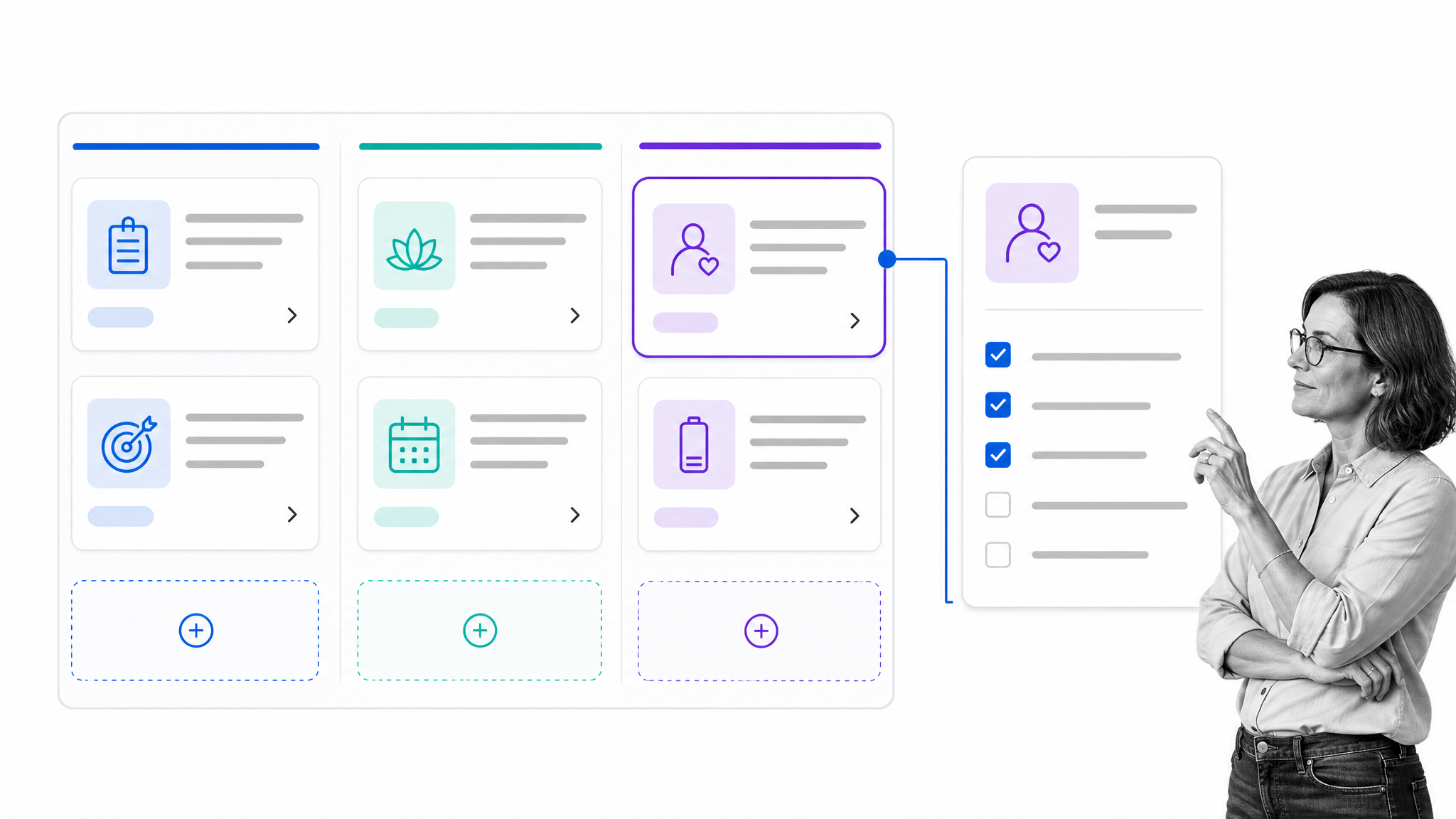
These five checklists are a practical starting point, but life coaching usually involves more than one type of workflow. You may need routines for personal productivity, client onboarding, recurring session notes, goal reviews, or follow-up tasks.
Process Street helps teams document those recurring processes and run them as workflows. Coaches and client-facing teams can use Docs for structured knowledge, Ops for recurring workflow execution, and Cora to help turn operational context into faster answers and actions.
If you want to build more repeatable coaching operations, these Process Street resources are useful next steps:
- Workflow automation for recurring client-facing processes
- Client onboarding for turning first impressions into a consistent experience
- Bullet journal ideas to create routines for work and life
- Burnout: How I Beat It, and How You Can Too
- The 14 best organization apps for your work and life
- How having a to-do list can sabotage your productivity, and ways to do it right
Below is a daily routine checklist that can help you organize time, improve productivity, and give clients a repeatable structure they can come back to.
I hope you find these checklists useful in helping your clients set and achieve their goals. Are there any other life coach processes that you think would make excellent checklists? Let me know your thoughts in the comments below.
The post 5 Checklists to Help Life Coaches Transform Their Clients first appeared on Process Street | Compliance Operations Platform.


0 Commentaires