
Business efficiency means producing the same or better output with less wasted time, money, effort, and rework. That sounds simple until you look at how work actually happens: repeated handoffs, unclear process ownership, buried documentation, and tools that were never built to run recurring work.
To get past the usual surface-level advice, I spoke with Jerilynne Knight, better known as MamaRed. She has spent 30 years helping companies systemize their work, from teams of 10 people to large American corporations, and she has seen the same pattern over and over: businesses waste resources through avoidable process failures, then hesitate to invest in fixing them.
One of her stories sums up the problem better than any abstract definition of business process efficiency.
“Documented processes are a proven way to make businesses more efficient, but often they don’t want to listen. I remember one executive saying “I don’t know why we have to do this shit. No one reads it”. I leaned forward right up into his face, and I said “do you want to know why people don’t read that shit?”. I told him that people check out the process manual and find it’s too difficult to read, or that processes aren’t applied in a way that slots them into the way people expect to work. There’s no taking shortcuts when it comes to processes.”
This expert interview breaks down the seven process mistakes that destroy business efficiency, using Jerilynne’s examples from real companies and the current realities of workflow automation, process documentation, and AI-assisted operations.
Mistake #1: Refusing to identify the areas where you’re wasting the most time and money

“I sat down and found one thing that was being repeated 36 times. The same exact text, 36 times, and it had to be proofread and edited. I calculated out the time that takes everyone involved and it came down to almost 8 hours wasted.”
That’s 8 hours if it’s calculated at 3 minutes per edit. As anyone with writing experience knows, says Jerilynne, you can’t even find where you need to be in the document in 3 minutes. Even by underplaying the numbers to make it seem more realistic, the business in question wouldn’t listen. Jerilynne described the outcome to me: “What happened is that they changed the processes without talking to anyone who actually did the work. They started out with 41 editors and cut it down to 20. Again, it wasn’t documented, and the problem wasn’t solved.” Jerilynne also outlined an example of an average everyday mistake that could be avoided by implementing processes. Every time the mistake occurs, it wastes one hour of time — how much that one hour actually costs the business all depends on who’s making the mistake. If it’s a repeated mistake that affects two people in the engineering team per week, then that’s 4 hours of engineering time out of the window, which could be several thousands of dollars monthly, wasting away invisibly and unable to be tracked without processes. Let’s look at the example:Most small businesses have someone on first-tier support. They take the call, they talk for 15 minutes, they don’t have any answers for that client. The client’s frustrated and that’s 15 minutes of time spent. Then, that person goes to the engineer and says “oh my god, I can’t figure this out, blah blah”, and tells the whole story which takes 15 more minutes. That’s 30 minutes. Then, the engineer tells first-tier support what they should tell the client. That takes another 15 minutes. First-tier support gets back on the phone with the client, and then takes another 15 minutes explaining the same solution they just heard from the engineer. That’s one hour wasted in total! That’s the hidden costs of bad processes. That’s the time-wasting no one knows about it, and no one knows how to solve. At least one hour per mistake.I wondered how much time an organization like this would need to spend to create processes, to see if that’s a clue as to why processes are often overlooked. Jerilynne explained to me that an experienced writer should have no trouble getting each process documented within the space of 2-4 hours.
Mistake #2: Stubbornly relying on old-school tools

“They wouldn’t change their tools, they would only use what they had. The fact that it was like saying ‘go build a house with just a hammer’ mattered not. It made me realize just how inefficient they were, and then I couldn’t help see it.”
Many businesses simply don’t know that alternatives to the classic Microsoft suite exist. And, if they do, they don’t trust them or find it difficult to get organization-wide approval on the change.I told the big insurance company that we’d be able to fix their problems if we had easily accessible documentation. And, by the way, I introduced them to Process Street! The way I see Process Street is as a two-fold tool. You have the checklist itself where you can put the brief outline. If you know how to do the task, that’s fine, you can check it off and move on. But the thing that made me absolutely love Process Street was that you can then open up the other panel and go into detail. No more “go find a Word document!”.Jerilynne told me that most businesses she’s worked with over the years — even modern organizations — haphazardly use Word, Excel, PowerPoint, and SharePoint. They had no concept of consistency or information architecture, so files and folders had random names, and the internal documentation was a big mess: “You’d have to know which folder [the document would] be in before you could look for it, which usually means no one looks and you end up with a game of telephone (a situation where employees ask each other for the correct answer instead of looking it up).” Like a lot of us here at Process Street, Jerilynne finds that traditional office software isn’t suited to business process management. She said, “I tried to create a process using Google Docs, and I thought I was going to cry!”.
Mistake #3: Stifling process development with bureaucracy and hierarchy
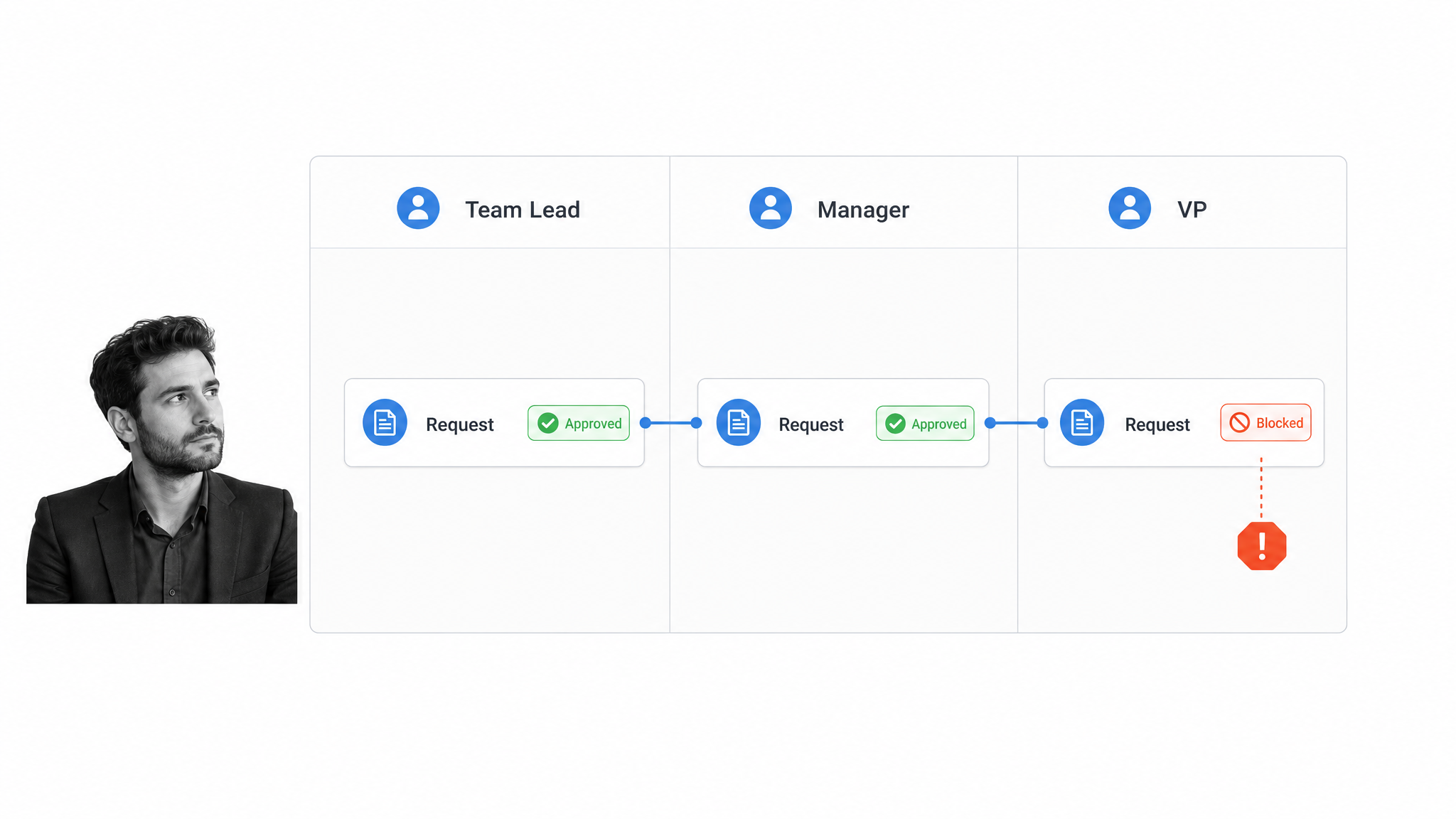
To propose any kind of process improvement, we’d have to talk with the team leads, the team leads would have to talk to the manager, the manager would talk to the VP. The hierarchical structure was completely ridiculous. The flip side of that is in smaller, more agile organizations. That’s where I prefer to work. Typically, they’re not funded really really well, or, if they have been funded, they’re running so streamlined and haven’t gotten big enough to find out that things are turning into a game of telephone. I wrote documentation for years, and it took me maybe 30 years to understand why I thought it was important and why I did it.
Mistake #4: Believing that processes aren’t directly linked to the profits, losses, and business efficiency

Mistake #5: Not realizing that processes prevent errors that kill people (and save millions of dollars)
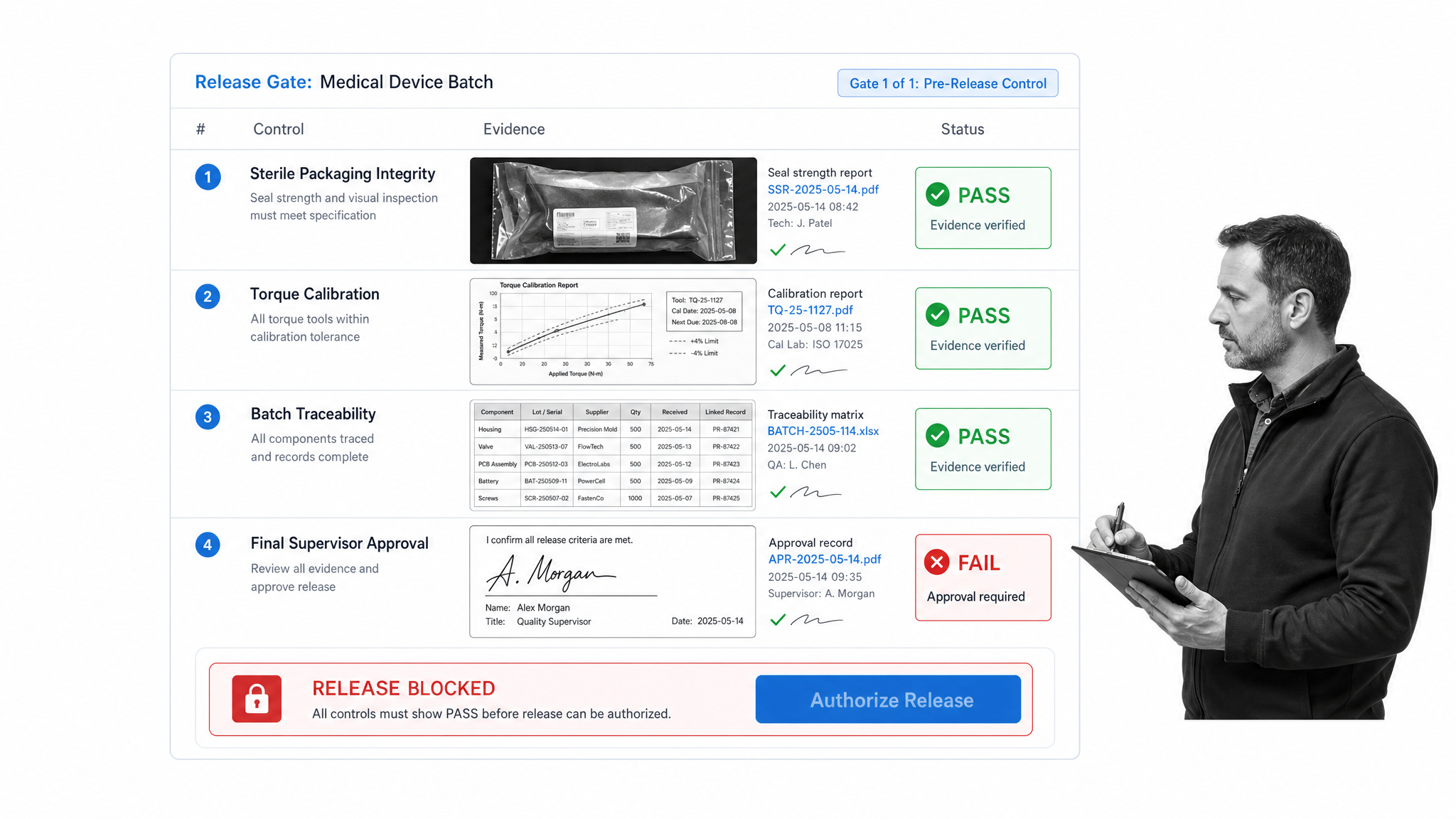
If someone made a mistake, and it wasn’t caught before the blades were shipped, it was at least a $3M mistake. Three million dollars! If the blades made it onto an airplane without someone catching the error? The blades didn’t turn right, the plane goes down and the cost of lost equipment was in the multiple millions. The lives lost because of human error—incalculable.
The processes were only partially documented and the more experienced workers had tweaked the what they had learned in the original training to make it more efficient. They, in turn, were teaching new hires “their way” even though it wasn’t written down anywhere and was, in fact, wrong. Jerilynne stated why businesses need to be so cautious of this: “The new hires are doing what they were taught (and adding tweaks of their own) so they have no idea when they’ve made an error, let alone where or why it occurred. Now the company can’t prove to their client that the blade heading out the door meets their quality standards. And that is now a $3m mistake. Minimum. In fact, my client’s client was ready to pull the plug on their contract. One worth millions of dollars.”Mistake #6: Underestimating the skills necessary to create solid processes at scale

“Businesses need to realize they must invest in documented processes if they plan to grow their business. At all. It’s not going to come free. They’re not going to get someone from Fiverr that’s going to do them a damn bit of good.”
Most people can at least be trained to write a draft that an inexperienced employee can use to see if the language and details are clear and concise. Hiring a consultant, even if it appears expensive on the face of things, is actually much cheaper in the long run. In fact, Jerilynne says most of her clients have recouped the expense in less than a year and, often, in less than 6 months.Mistake #7: Misunderstanding the real-world situations where processes are used

I went back and I said “you want to know why people don’t use your manual?”. It’s because it’s locked in a cabinet in the supervisor’s office, down the hall about 15 doors away.
The best solution for most cases? Process software, Jerilynne argues: “The gift we have with this tech is that it can be accessed anywhere, it’s easy to update documentation across the board. You don’t have to reprint and redistribute the manual! Just because the tech exists and empowers businesses in this way doesn’t mean they’re going to use it properly.” Is your business getting harder to control as you scale? Are you looking to streamline your operations? It’s time to give Process Street a try and start creating, tracking, and improving your business processes. Get your free Process Street account today.If you want to improve work efficiency, start with the recurring processes where waste is easiest to hide: handoffs, approvals, rework, onboarding, support escalations, and compliance checks.
Process Street turns those procedures into governed workflows that teams can run, track, automate, and improve. Docs keep the process clear. Ops makes sure the work happens. Built-in AI helps teams spot gaps and keep execution aligned with the way the business actually runs.
The post 7 Mistakes That Destroy Your Business Efficiency: An Expert Interview first appeared on Process Street | Compliance Operations Platform.


0 Commentaires