
The difference between busy and productive is not effort. It is structure. Most people lose hours each day to reactive habits, unclear priorities, and scattered tools. Getting more from your time starts with recognizing where it goes and building a repeatable system to reclaim it.
These eight steps cover the full arc: from awareness to planning to execution to delegation. Whether you run a team of fifty or manage your own workload, this framework helps you stop reacting and start operating with intention.
Make use of time, let not advantage slip.
William Shakespeare
1. Identify you have a problem

The first step to fixing anything is knowing that it is broken. Identifying that you have more to do than time in a day is the foundational acknowledgment. Big dreams require big execution, which takes big time.
The clearest signal: you end most days feeling busy but cannot point to meaningful progress. If your calendar is full but your projects are stalled, you have a time management problem, not a work ethic problem.
2. Decide it is time to make a change
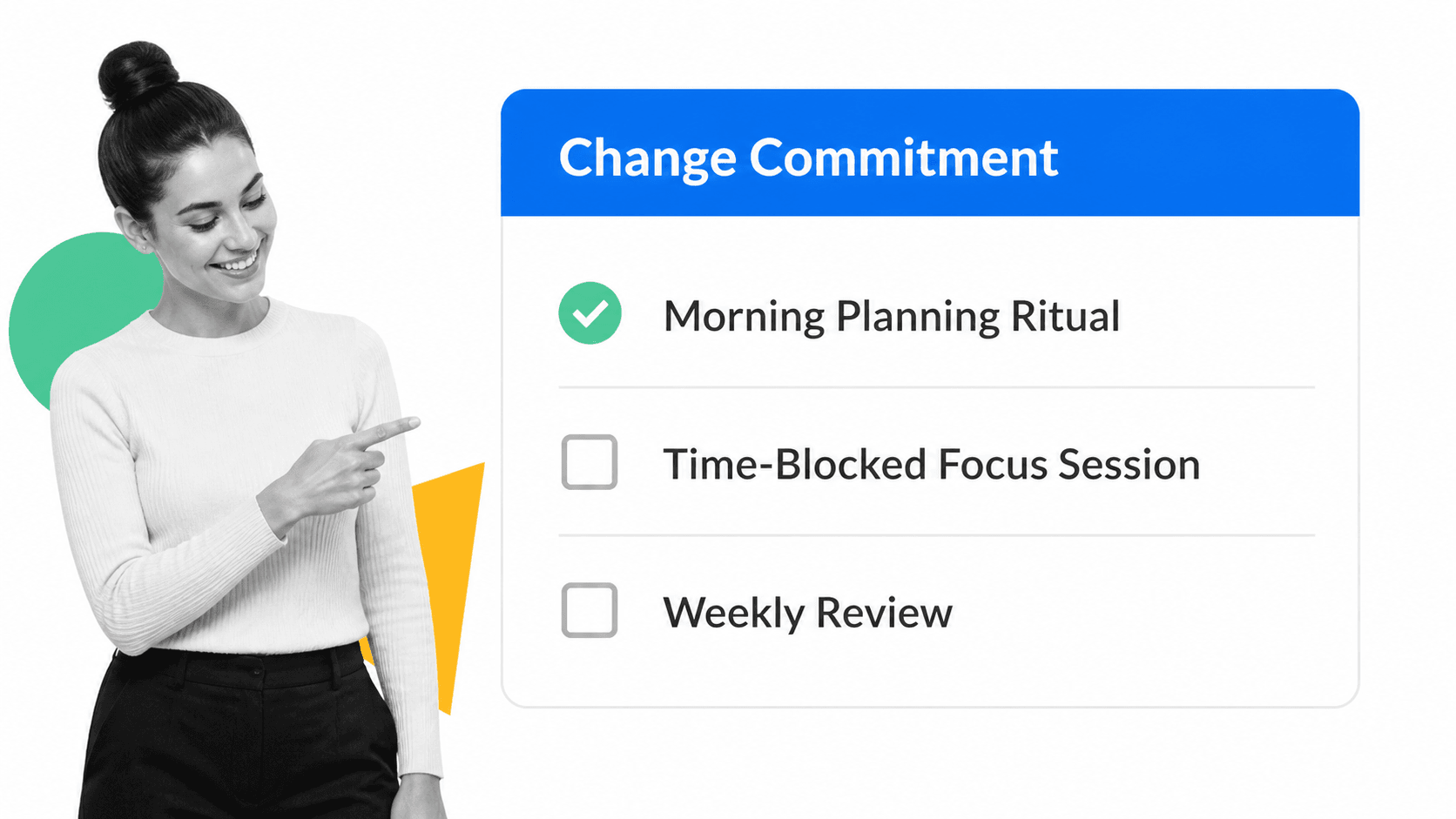
Make today the day you do something about it. Wanting to change and taking the first steps to make it happen is almost as important as identifying the initial problem. Commit to one concrete micro-change: a morning planning ritual, a single time-blocked focus session, or a weekly review. Small wins build momentum.
3. Create goals and stick to them
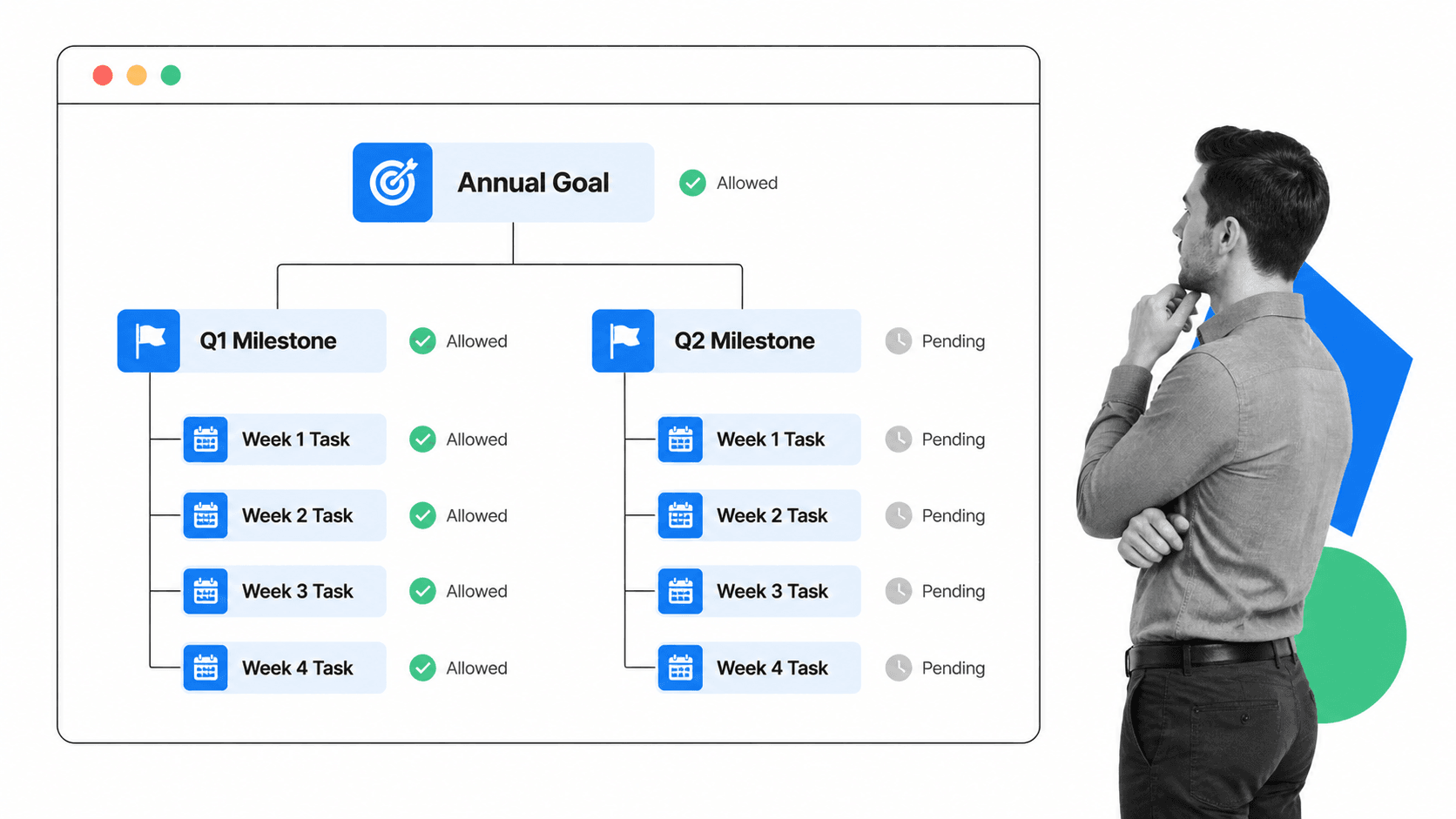
Take your big objectives and break them down into chunks of years, months, weeks, and days. Then break your days into particular tasks that you can attach time management goals to. Creating goals is just the first step. Sticking to them is the hard part.
Make sure you review your goals on a regular basis, tracking your progress and adjusting as needed. Habit-tracking apps like Todoist or simple recurring checklists in Process Street help you build consistency without relying on willpower alone.
4. Create a daily task schedule

A daily task schedule or to-do list should be created first thing in the morning or at the end of the previous day. The key is separating planning from execution so you start each day with a clear action list instead of an open question.
Tools like Todoist and Notion work well for simple, uncluttered task lists. If you have a specific set of recurring actions you need to accomplish each day, a task management platform like Process Street turns your daily routine into an automated, trackable workflow so nothing slips through.
For deeper focus, try time blocking: assign each task a specific slot on your calendar rather than keeping an unordered list. This forces you to confront how much time you actually have and prevents over-commitment.
5. Use time management tools effectively

Task lists are one piece. Time management tools add another layer by helping you see where your hours actually go. Google Calendar is the foundation, allowing you to schedule blocks of time during the day for particular tasks.
RescueTime tracks your digital activity automatically and shows you exactly how much time goes to productive work versus distractions. AI scheduling assistants like Reclaim.ai can now auto-schedule your priorities around meetings and habits, removing the manual overhead of calendar management.
6. Learn how to say no

Saying no is an incredibly effective time management tool. In a busy world, many people are vying for your attention. But is every meeting really worth it? Do you really need to accept that coffee invitation, or are you just procrastinating, avoiding the harder work that actually moves things forward?
Every yes to something unimportant is a no to something that matters. Protect your time the way you protect your budget: deliberately, with clear criteria for what earns a spot on your calendar.
7. Organize your systems
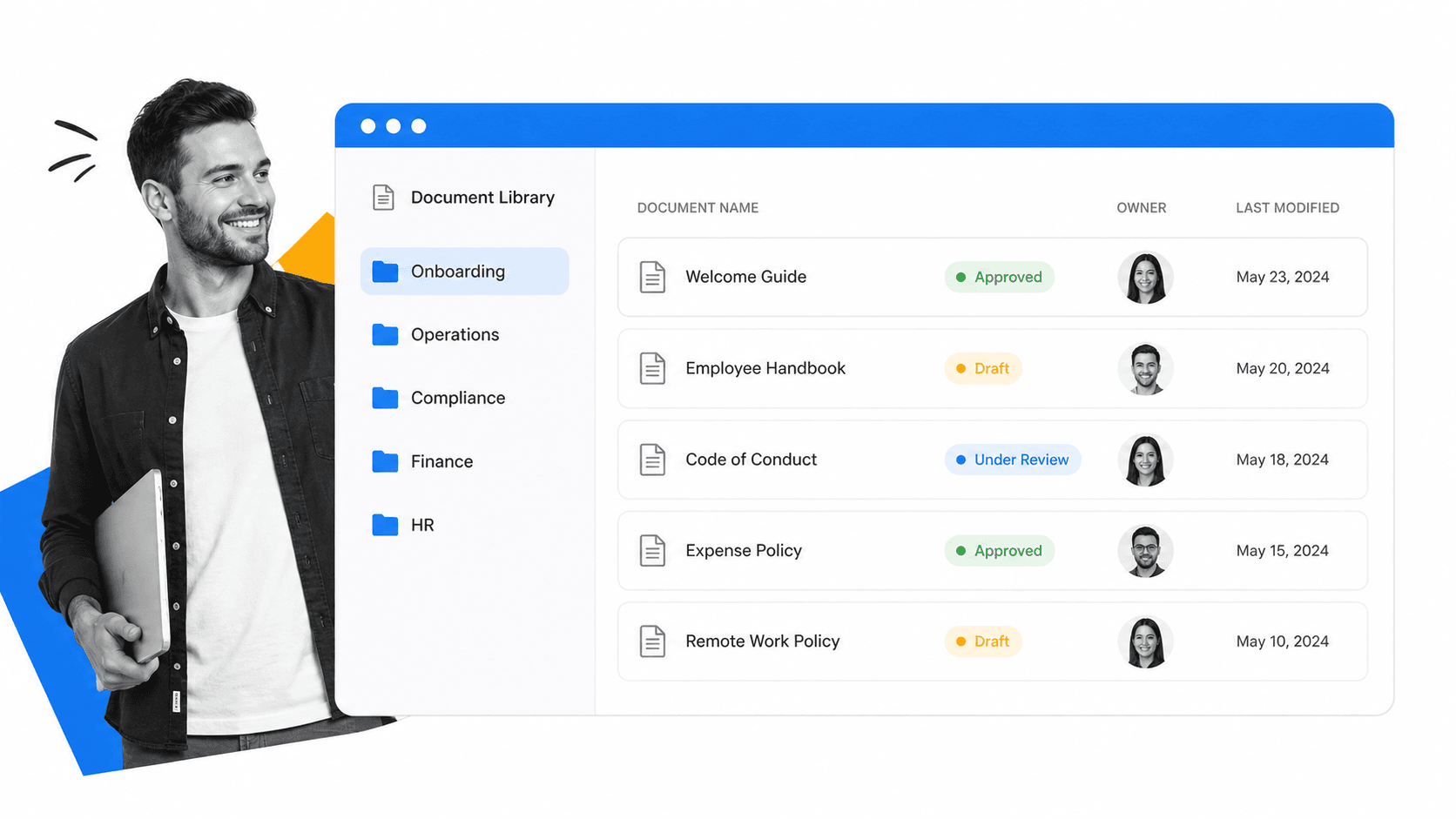
Organization is key for effective time management. The goal is not perfect tidiness but rapid retrieval: can you find what you need in under 30 seconds?
Modern organization runs on search-first systems rather than rigid folder hierarchies. Tools like Notion and Workflowy let you capture notes, documents, and reference material in one place and find anything instantly. For operational knowledge that your team depends on, a structured system like Process Street Docs keeps your SOPs versioned, approved, and searchable so critical information never lives in one person’s head.
8. Delegate
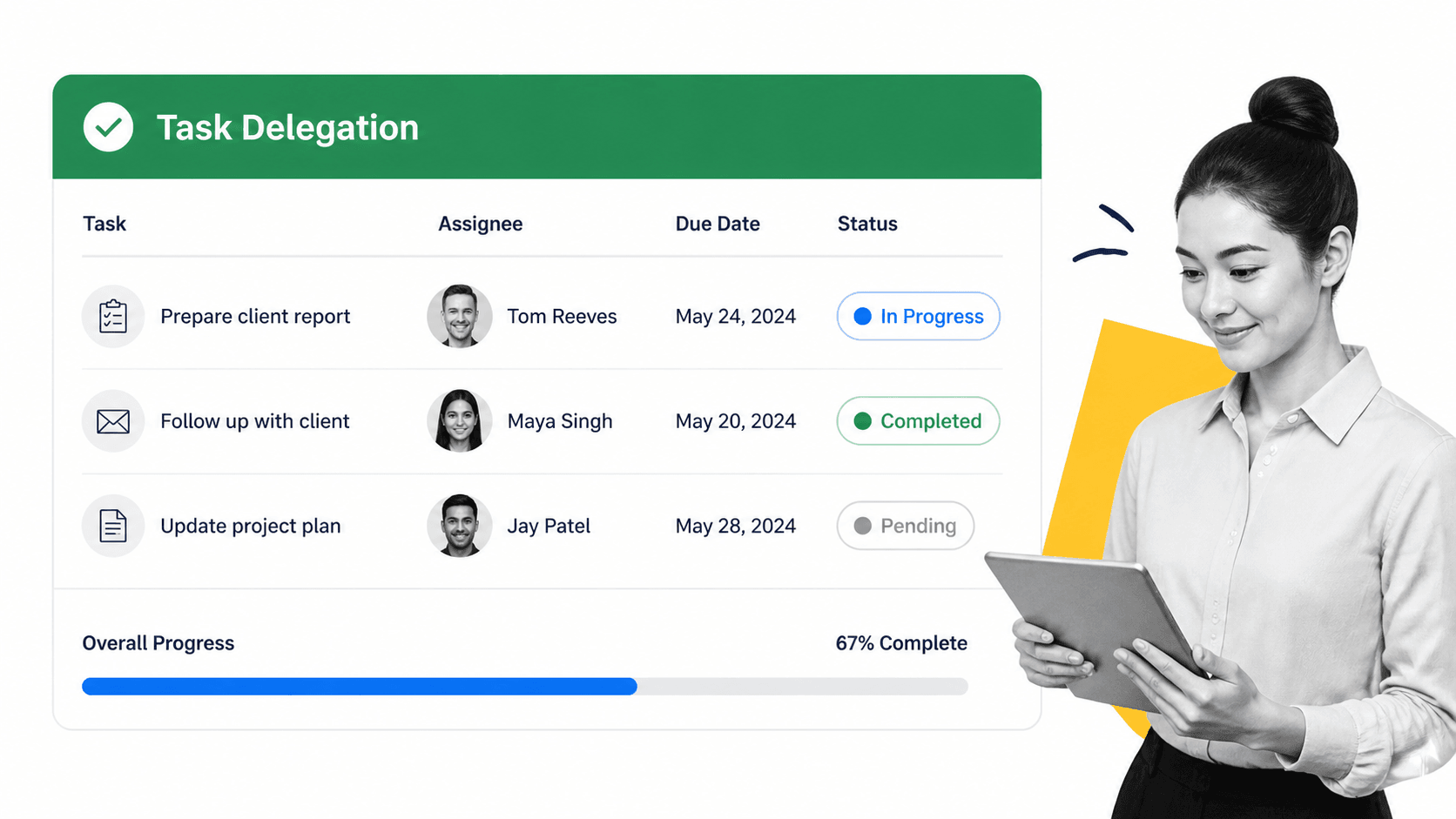
Even if you do all the above, there is still a ceiling to what you can accomplish on your own. No skyscraper, city, government, or multinational corporation was ever built by one person alone. If you want to get more done, at some point you will need to bring people in to help you.
Whether that is a contractor to handle specific tasks or a team lead to own an entire function, the way to scale output is to recruit people and give them clear, repeatable processes to follow. Tools like Process Street, Trello, and Asana help you manage people and teams by turning delegation into documented workflows with built-in accountability, so you can hand off work and trust that it gets done right.
The bottom line
Time is the one resource you cannot manufacture. These eight steps move you from reacting to operating with intention: identify the problem, commit to change, set goals, plan your days, use the right tools, protect your calendar, organize your systems, and delegate what you can. The compounding effect of even small improvements in each area adds up to hours reclaimed every week.
Frequently asked questions
What is the most effective time management technique?
Time blocking is consistently the highest-impact technique for most professionals. By assigning specific tasks to specific time slots on your calendar, you eliminate the decision fatigue of “what should I work on next?” and create natural boundaries against interruptions. Pair it with a daily planning ritual and a weekly review for the best results.
How do I stop wasting time on low-value tasks?
Start by tracking where your time actually goes for one week using a tool like RescueTime. Most people are surprised by how much time disappears into email, meetings, and context-switching. Once you can see it, apply the two-minute rule (do it now if it takes less than two minutes, delegate or schedule it otherwise) and batch similar tasks together.
What tools help with time management?
The core stack for most professionals is a calendar (Google Calendar), a task manager (Todoist or Notion), and a time tracker (RescueTime). For teams running recurring processes, a workflow platform like Process Street automates the repetitive steps so you can focus on work that requires real judgment.
How can I get better at delegating?
Document the process before you hand it off. If you cannot explain the steps clearly, the delegation will fail. Use a workflow tool to capture the exact sequence, attach reference materials, and set up accountability checkpoints. The goal is to make the work transferable, not dependent on tribal knowledge.
The post 8 Simple Steps to Get More Out of your Time first appeared on Process Street | Compliance Operations Platform.


0 Commentaires