
Organic links, also called natural backlinks or earned backlinks, are links that another publisher chooses to add because your page is useful, credible, and relevant to its audience. They are editorial votes of confidence, not placements bought, traded, or inserted solely to influence search rankings.
Strong organic link building starts with something worth citing. Original research, practical tools, expert explanations, and memorable examples can earn attention, but the page also needs a trustworthy experience and a sensible promotion plan. This guide explains how to build natural backlinks, assess their quality, avoid link spam, and turn audience insight into linkable assets.
Guest contributor: Daniel Martin.
Use the table of contents to jump to a section:
- What are organic links and link building?
- Focus on gaining high-quality backlinks
- Low-quality organic links to avoid
- How to deal with toxic backlinks
- Determine the best organic link strategy
- Understand user behavior and interests
- Identify customer personas
- Create high-quality linkable assets
- Optimize your website for organic links
- Use social media to distribute linkable assets
Organic links and link building
Organic backlinks are acquired without an agreement between sites and inserted into the body text without the intention of influencing Google’s rankings. When another site links to yours without you reaching out first, you have earned an organic link. The link should help the reader by supporting a claim, pointing to evidence, explaining a concept, or offering a useful next step.
Link building is the broader practice of earning inbound links through content, outreach, public relations, partnerships, and community participation. Organic link building uses legitimate methods that respect Google’s link spam policies. The goal is to make a page discoverable to people who can genuinely benefit from it and may choose to cite it.
A natural backlink can help search engines discover relationships between pages, but it can also bring qualified referral traffic directly. The best link is therefore valuable even if rankings never change. It puts the right resource in front of the right audience at a useful moment.
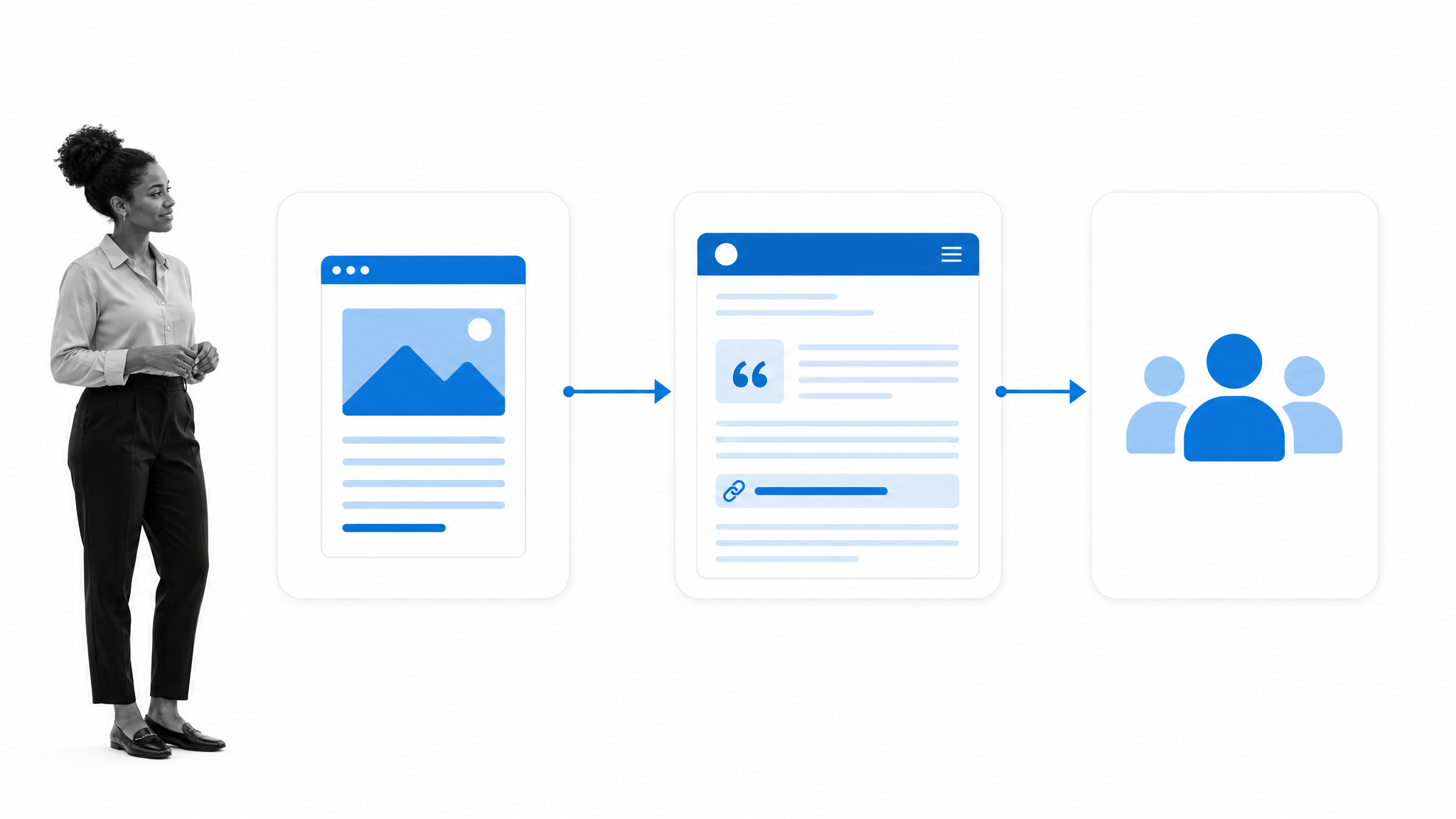
That distinction matters. Asking a publisher to consider a genuinely relevant resource can support organic discovery. Paying for a ranking link, requiring a link in exchange for a benefit, or flooding unrelated pages with the same anchor text crosses into manipulation.
Think of the link as an editorial decision with three participants: the publisher, the cited source, and the reader. The publisher needs a defensible reason to send someone away from its page. The source needs to deliver on that promise. The reader needs to arrive at evidence or guidance that is better than what a vague citation could provide. When all three benefit, the placement is more likely to remain useful over time.
Focus on gaining these high-quality backlinks
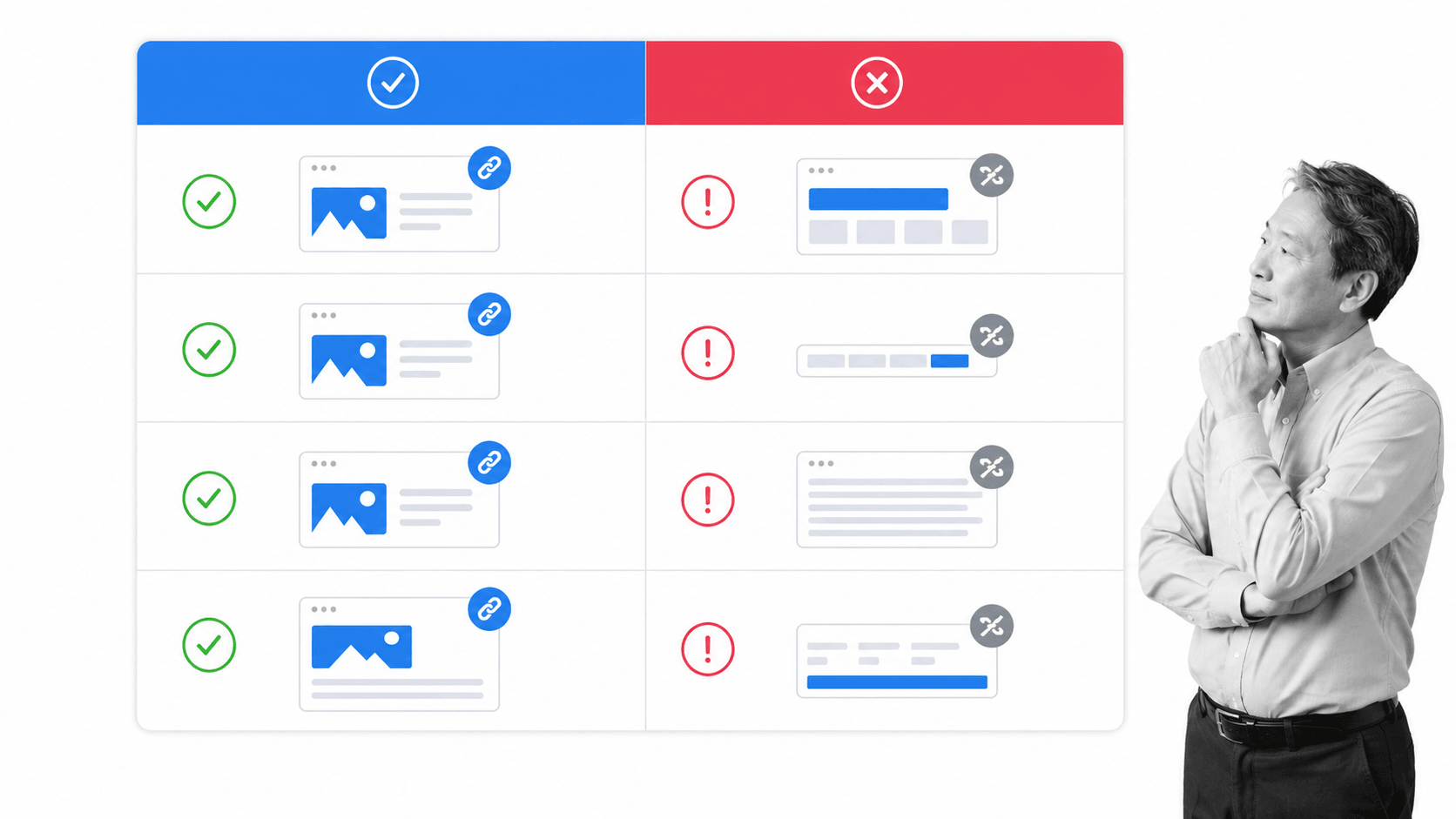
Backlink quality is not a single authority score. Evaluate whether the linking page is relevant, whether a human editor appears to have chosen the link, whether the placement helps a real reader, and whether the site serves an audience connected to your topic. A modest specialist publication can be more valuable than a famous but unrelated domain.
Also inspect the destination and anchor in context. A branded or descriptive anchor that accurately previews the destination is usually more helpful than a forced keyword phrase. The linking page should be indexable, maintained, and written for a recognizable audience. Traffic estimates and domain metrics can provide clues, but they should support a manual review rather than replace it.
Incorporate useful references in guest blog posts
Many websites accept expert contributions and publish clear submission guidelines. A strong guest post gives that site’s readers a complete, useful answer. A link to your own resource should appear only when it supplies evidence, a tool, a deeper explanation, or another benefit the host article cannot reasonably include.
Poorly written or lightly reworked guest posts can damage trust. Prepare original material, follow the publication’s editorial standards, and disclose relevant commercial relationships. If the publisher marks a contributed link with rel="nofollow" or rel="sponsored", accept that choice.
Professional tip: Write for the site’s audience more than for yourself. The best topic has a clear intersection between the publication’s readers, your expertise, and a problem you can solve without forcing a promotional link.
Create valuable content to gain editorial links
Editorial links are valuable because the publisher chooses them to improve its own page. Original data, primary-source explanations, calculators, templates, diagrams, and detailed examples give writers something specific to reference. Broad claims that repeat what every other result says rarely earn the same response.
Make the source easy to verify. Name the methodology behind a survey, show the date of the research, link to underlying definitions, and keep important pages maintained. A writer is more likely to cite an asset when they can understand what it proves and trust that the destination will remain useful.
Build relationships before asking for links
Networking inside and outside your industry helps your ideas travel. Do not open a relationship with a generic request for a backlink. Follow relevant work, contribute a useful observation, share a resource when it fits, or connect someone with an expert who can help. Meaningful professional connections grow through repeated, useful interactions.
You can approach publishers through email, their social media accounts, or a relevant event. Try to do something useful for them first. Providing a benefit is a strong way to start a positive relationship. Feature excellent work when it helps your own readers, support a shared goal, or offer informed feedback. A publisher who knows the quality of your contributions is more likely to consider a relevant resource when it fits.
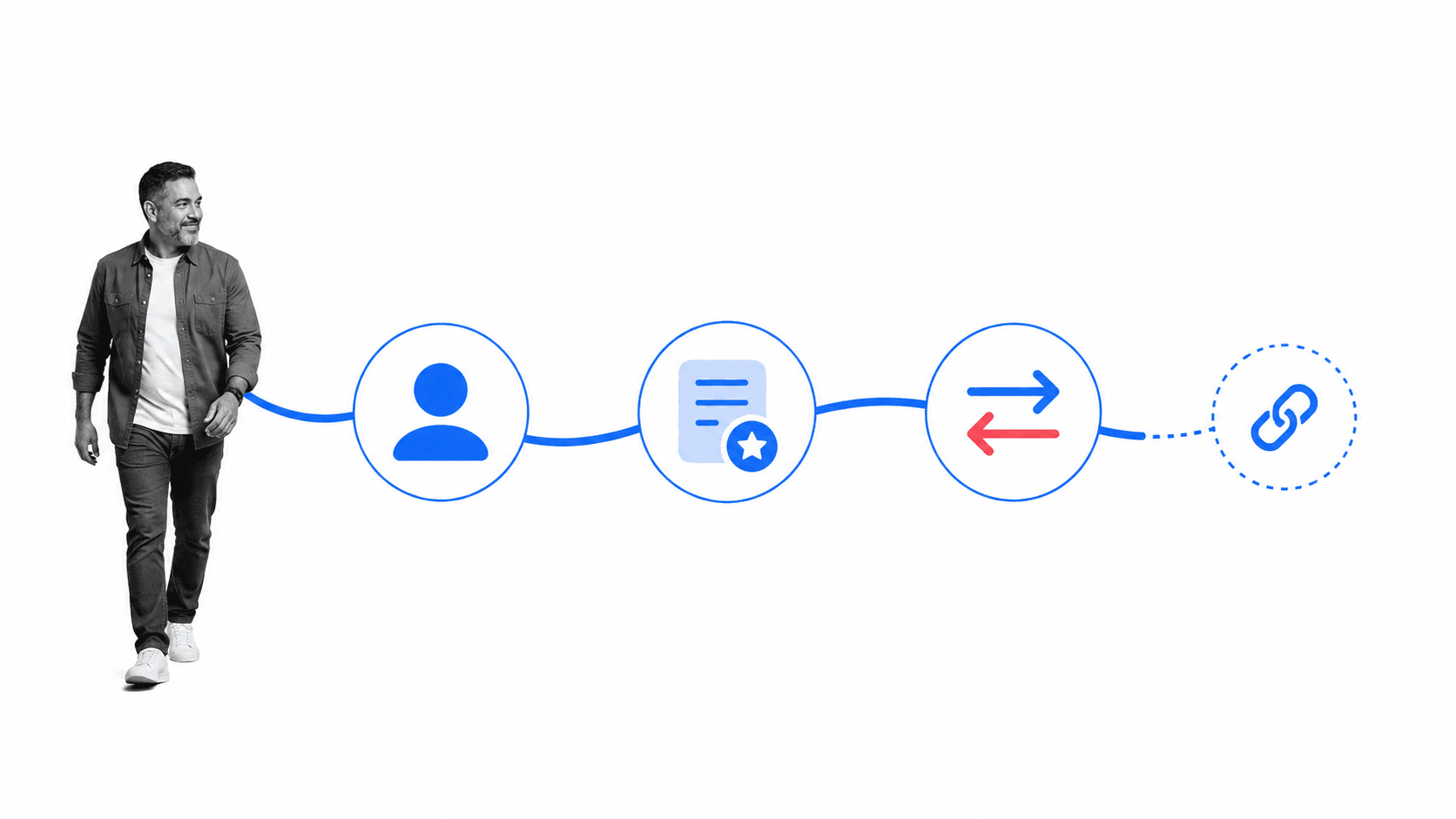
When you eventually share a linkable asset, explain why it fits a particular page or audience. A short, specific note is more respectful than a mass template. The publisher may link, respond without linking, or decline. The relationship should still be worth having.
Use legitimate niche and local directories
General directories created primarily for links offer little value. A legitimate niche association, professional registry, or local listing can still help customers find a real business. For example, a complete Yelp listing can be useful for eligible local businesses because users visit the service to compare nearby providers.
Online directories are an age-old technique in link building, and many have started to lose their value. That is why it is best to avoid general directories and focus on ones that have specific niches, real users, and meaningful submission standards.
Professional tip: Submit accurate, current information and choose only directories that people in your market actually use. Do not create duplicate listings, stuff descriptions with keywords, or treat a directory profile as a substitute for a useful website.
Use badges carefully
Recognition badges can help recipients communicate a real award, certification, or membership. They become risky when a badge requires keyword-rich links, hides a link in embed code, or offers incentives for placement. Keep participation optional and use neutral attribution. When a placement is sponsored or contractual, apply the appropriate outbound-link qualification.
Replace broken links with relevant resources
Broken link building works when you help a publisher repair a genuine problem. Find a dead reference on a relevant page, confirm what the original source was supposed to support, and offer a current resource that meets the same reader need. If you do not already have a suitable replacement, create one only when it deserves to exist independently of the outreach opportunity.
Finding broken links on other sites is tedious, but it can be rewarding as well. Broken links negatively affect a reader’s experience, so it is important for sites to regularly check and fix broken links. The replacement still needs to match the original claim and meet the publisher’s standards.
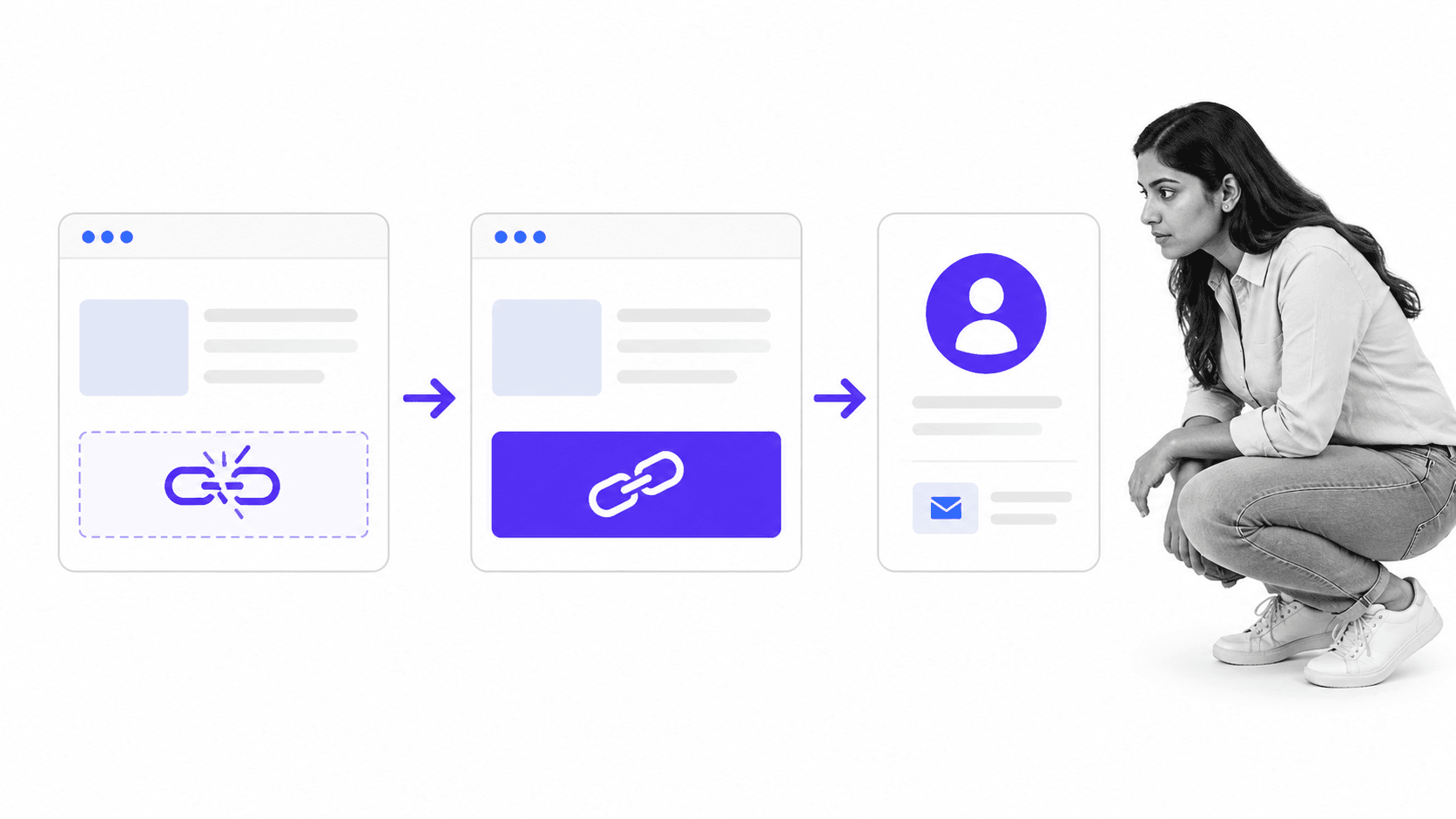
Tell the publisher where the broken link appears and why your replacement is relevant. They may select another source, and that is fine. You have still made the page easier to maintain and shown that your outreach is based on the publisher’s needs.
Low-quality organic links to avoid
Now it is time to look at the types of backlinks you should avoid. These can be practices that have fallen out of favor with algorithm updates, links that cost more than they are worth, or placements that hurt trust. You may come across sites that use these low-quality links, but the placement usually exists for the link rather than for the reader.
Spinning articles for links
Article spinning is when you create what appears to be new content by recycling content that already exists. Never do this, especially when submitting guest blogs. The sites you are writing for expect unique content and will likely reject spun articles. The practice produces thin, unreliable work and gives editors no reason to trust the contributor.
Paying for ranking links
Paid links are still a common practice among websites, despite being frowned upon by Google. While talking about paid links, remember that this does not only involve money. Links exchanged for favors or other items are also considered to be paid links. Advertising and sponsorship are legitimate marketing tools, but the associated links should be disclosed and qualified appropriately. Never pay for an unmarked link whose purpose is to manipulate rankings.
Relying on sitewide footer or sidebar links
Navigation, legal notices, partner disclosures, and useful sitewide resources can belong in a header, sidebar, or footer. Repeating a keyword-rich link across thousands of pages solely for ranking value is different. Prefer contextual placements that help a reader understand why the destination matters.
Spamming comment sections
Comment sections are for discussion, not link distribution. A relevant link can occasionally support a substantive answer, but mass posting promotional comments burns reputation and is usually filtered. Contribute to a community because you can help, not because a field accepts a URL.
Sourcing backlinks from general directories
A directory with no real audience, editorial standard, or specialist purpose is unlikely to help customers find you. Large batches of nearly identical directory links can also create an unnatural pattern. Focus on reputable industry, professional, and local services that verify submissions and provide value beyond the backlink.
Managing toxic backlinks to your website
Not every strange backlink is toxic, and a low third-party score does not prove that a site is harming you. Public websites naturally attract scrapers, aggregators, and automated links. Search engines can ignore many of them without action. Investigate patterns and evidence before escalating.
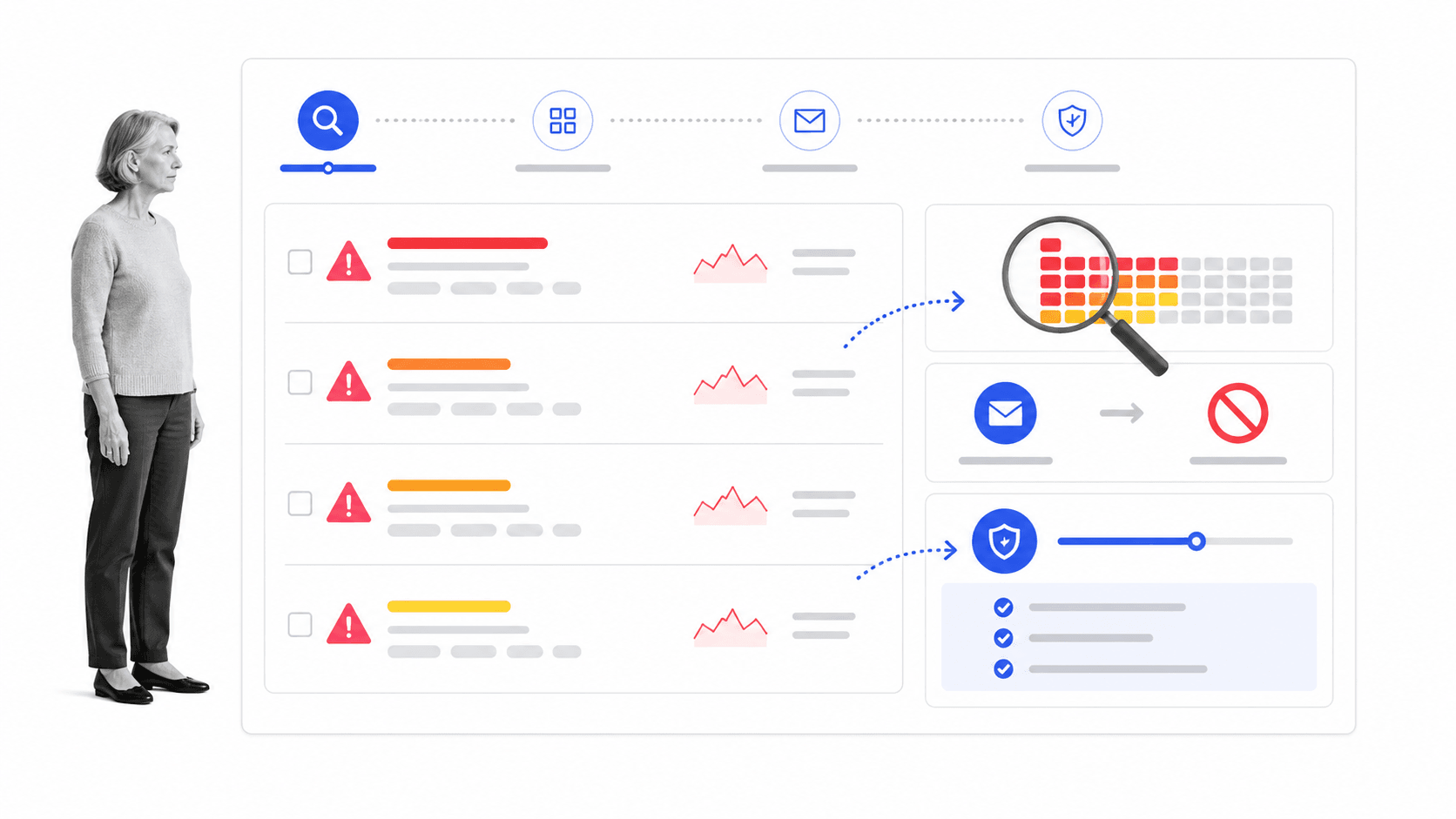
- Gather backlink data: Use a backlink explorer such as Ahrefs Site Explorer or another reputable source. Review the linking page, surrounding content, anchor text, and destination.
- Look for a pattern: A coordinated cluster of paid placements, hacked pages, or repeated keyword anchors deserves more attention than an isolated low-quality scrape.
- Document what you find: Record the source URL, target page, anchor, discovery date, and reason for concern. Evidence makes review and follow-up more consistent.
- Request removal when appropriate: If you or an agency created problematic links, contact the publisher and ask for removal. Avoid threatening messages and do not pay a removal fee without careful review.
- Monitor the result: Check whether meaningful patterns persist. Continue publishing useful material and strengthening legitimate discovery channels.
- Escalate cautiously: Google’s Disavow Links tool is an advanced measure for certain manual actions or substantial link-spam problems. Google warns that incorrect use can harm performance. Most sites do not need it.
Determining the best strategy to gain organic links
Start with your existing strengths. A team with proprietary data may build a research report. A subject-matter expert may publish a definitive explanation. A product company may release a useful free tool. A local organization may contribute firsthand knowledge to regional publications. Match the asset and outreach method to resources you can maintain.
If you have business partners serving a similar audience, look for a useful collaboration rather than an automatic link exchange. A joint study, expert interview, integration guide, or customer education resource can earn relevant citations because the work itself is useful.
Social channels such as LinkedIn, Facebook, and X can introduce an asset to people who write, teach, and curate resources. Distribution creates discovery; it does not make every share a ranking signal.
There is no one-size-fits-all strategy. Consider your industry, audience, available expertise, editorial capacity, and the kinds of sources people already cite. A small number of relevant links earned by a durable asset is usually a better goal than a high volume of placements with no audience fit.
Prioritize opportunities with a simple relevance test. Ask whether the publisher has covered the problem, whether your asset adds something the existing page lacks, and whether the audience can act on it. Then personalize the outreach around that gap. Track the page contacted, the reason for fit, the response, and the eventual outcome so the team can learn which assets and audiences produce genuine interest.
Gaining organic backlinks is not all about external content and developing relationships. If your own website is not up to standard, all the networking in the world will not earn valuable backlinks. The destination needs to make the publisher confident that sending a reader there is a good decision.
Understanding user behavior and interests to increase organic traffic
Everything on a website costs time or money. Research helps you choose questions that matter enough to answer and formats that people will use. Search queries, customer interviews, support conversations, sales calls, community discussions, and on-site behavior can all reveal recurring needs.
If you do not plan your content and conduct in-depth research about your target audience, you are less likely to become a reliable source. If a site lacks reliability, other publishers will not want to link to its content. Research keeps the work connected to problems that readers are actually trying to solve.
Build a focused body of content around a clear audience and purpose. Google’s guidance on people-first content emphasizes usefulness, firsthand expertise, and a satisfying experience rather than pages created mainly to attract search visits.
For example, Process Street is a single Compliance Operations Platform with Docs and Ops capability areas plus built-in AI. Docs helps teams create and govern policies and SOPs. Ops turns them into auditable workflows, while built-in AI helps teams create, run, and improve work. That focus guides resources about process management, compliance operations, and content workflows.
Google Trends can show how interest changes across time and regions. Hotjar can provide qualitative behavior signals, while Google Analytics measures journeys and outcomes. In GA4, Path exploration can help you examine how people move between events and pages.
Community sites such as Quora and Reddit can reveal the language people use and the tradeoffs they discuss. Treat those observations as qualitative input, not representative market data. Validate important assumptions through interviews, first-party analytics, or structured research.
Turn the findings into a short research brief before drafting. State the audience question, evidence collected, strongest unmet need, intended format, and action the reader should be able to take. This prevents a high-volume publishing schedule from drifting away from real demand. Revisit the brief after publication to compare the expected behavior with what people actually did.
Identifying your customer personas for more tailored content
Group readers by the problems they face, the outcomes they need, and the context in which they make decisions. Demographics may matter for some products, but role, experience, constraints, and buying situation are often more useful for content planning.
For example, a website dedicated to child education might distinguish school teachers, homeschool tutors, parents, and online educators. It could also group needs by student level or learning environment. Each group asks different questions and trusts different evidence.
Give every persona enough detail to guide decisions: role, goals, obstacles, information sources, current behavior, and a representative task. Avoid inventing decorative biographies that do not affect the content. Periodically compare the persona with fresh interviews and analytics because audiences and markets change.
When creating a customer persona, add the basic details first. These may include role, occupation, location, interests, and behavior. Then add the common problems and goals of the persona. Keep only attributes that change a content, product, or distribution decision.
An empathy map can help a team organize what it has observed about a user. Label assumptions clearly, then replace them with evidence as research develops.
Earning organic links through linkable assets
A linkable asset is a resource people want to reference, not simply a long article. It can be a dataset, benchmark, calculator, checklist, template, visual explanation, original framework, free tool, or deeply practical guide. The format should make the underlying value easier to use.
Linkable assets attract backlinks. Done correctly, they also encourage social media users to share the content. The secret to creating linkable assets is to make them relevant, unique, and worth sharing. A distinctive asset gives another writer a concrete reason to cite the original page.
Back up your assets with interesting and accurate data
People cite evidence that helps them make or support a claim. Secondary sources such as Statista can help you locate a topic, but primary research gives publishers a stronger reason to cite your page directly.
Start with a question your audience genuinely wants answered. Run a focused survey, analyze anonymized first-party data, or combine a transparent set of public records. Explain the sample, collection period, definitions, limitations, and calculation method. A surprising number without methodology is difficult to trust.

Appeal to users on an emotional level
People remember stories, stakes, and specific human consequences. A useful case example can show why a problem matters and how a solution changes the outcome. Keep the emotional frame accurate and proportional. Do not manufacture urgency, exploit a tragedy, or use controversy only to attract attention.
You can tell a story that includes real-life events, problems, and success stories. Explain how the solutions you present will benefit the audience. Use specific details that illuminate the lesson, protect privacy when needed, and distinguish observed outcomes from assumptions.
Provide valuable solutions
Practical solutions earn references because they save the next reader time. Show the sequence, decision points, examples, and exceptions. If your idea has been mentioned without a link, a polite request can help the publisher connect readers with the original source. The mention should already be relevant enough to stand on its own.
Clever solutions can also generate organic backlinks. Whether a website is targeting business owners or homemakers, readers will appreciate their issues being solved. Other websites may want to feature a unique problem-solving idea for their readers when it gives them a practical answer they can explain and verify.
Create original media and tools
Media files can be images, slideshows, videos, and more. These files give more value to content and can attract different kinds of readers. Customer personas should inform the kind of media you create, whether it is an instructional video, a worksheet, a diagram, or an interactive tool. Make important information accessible outside the media so people and search engines can understand it.
Original does not have to mean expensive. A well-designed decision tree built from real expertise can be more linkable than a polished but generic infographic. Give the asset a stable URL, descriptive title, concise summary, and clear reuse or citation guidance.
Plan maintenance at the same time as production. Assign an owner, identify facts that may expire, record source URLs, and choose a review interval. A publisher who returns months later should still find a working resource. A lightweight content promotion workflow can coordinate review, distribution, follow-up, and performance notes without relying on memory.
Support claims with reputable sources
Link to primary and authoritative sources whenever possible. A citation should let the reader verify the exact claim nearby. Do not add famous domains merely to make a page look credible. Read the source, confirm that it supports the statement, and update or remove the citation when the underlying information changes.
Offer useful free experiences
A free calculator, limited tool, demo, template, or trial can become a natural reference when it solves a real problem without an unnecessary barrier. Keep the experience functional, explain what it does, and avoid using the word free for a resource that immediately requires an unrelated sales commitment.
Building links for your linkable assets
No matter how useful the content is, publishers hesitate to send readers to a page that feels unreliable. Imagine owning a bakery with excellent baked goods but a shabby, confusing storefront. Potential customers may never give the product a chance. The same is true for a linkable asset.
A website’s design can make or break a customer’s first impression. If you are not sure whether the experience is clear enough, ask trusted people for honest feedback and observe them completing a representative task. Look for confusion around navigation, credibility, calls to action, and the source of important claims.
Make the page easy to scan, fast to load, accessible, secure, and comfortable on mobile devices. Google’s page experience guidance brings those signals together without treating one metric as the whole story. Clear authorship, source notes, and a visible update date can also help readers assess trust.
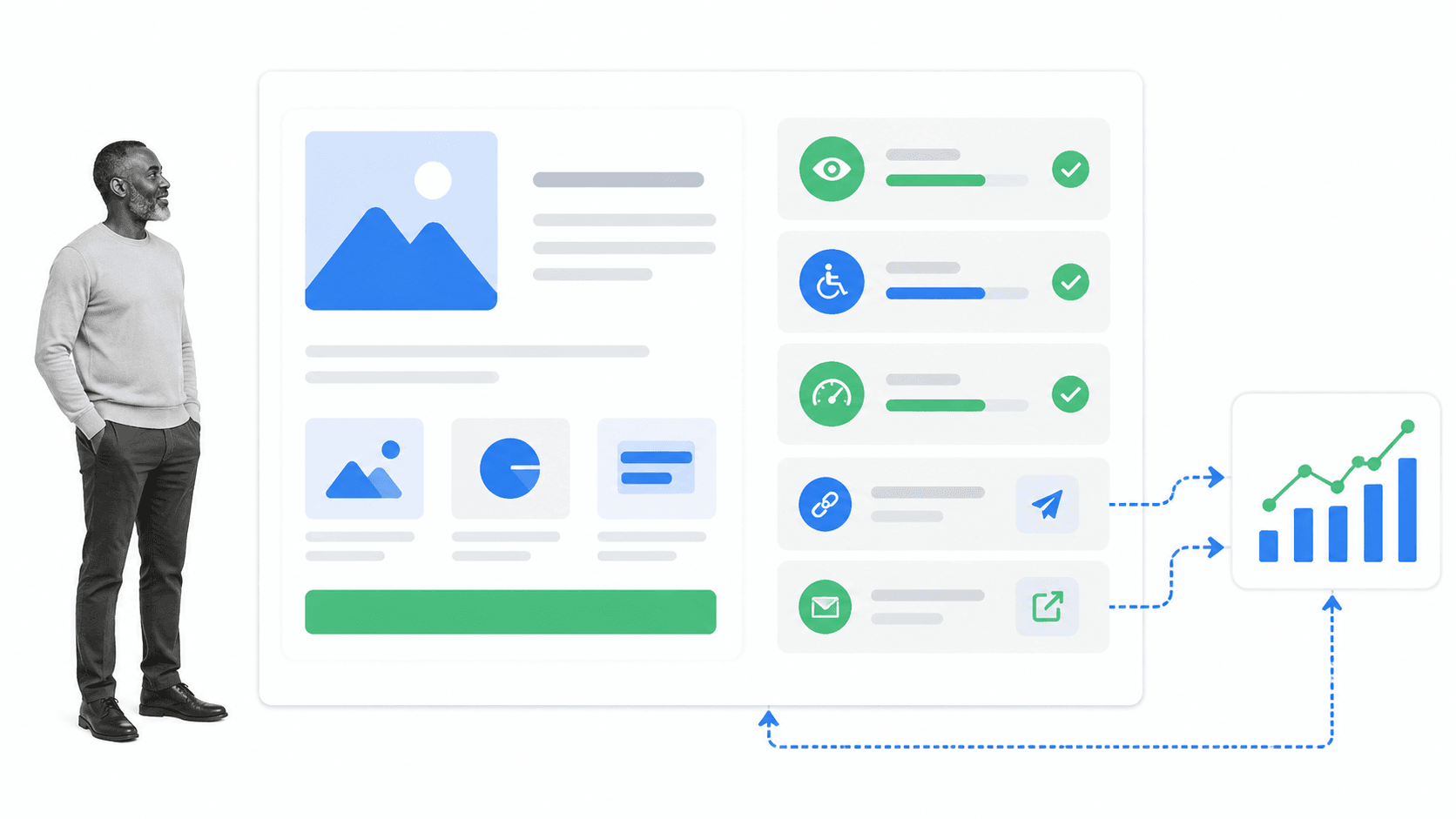
Promotion should be specific to the asset. Share it with people who have covered the question, communities that permit relevant resources, customers who helped shape the research, and partners whose audiences can use the result. Explain the most useful finding instead of sending a generic request to link.
Measure qualified referral visits, citations, assisted conversions, and the pages that continue to attract attention. Update the asset when evidence changes. If a format receives attention but no sustained use, interview readers and improve the resource rather than scaling outreach immediately.
Leveraging social media for more backlinks
Social media helps a useful asset reach journalists, researchers, creators, customers, and community leaders who may later cite it. A social share is not the same thing as an editorial backlink, and broad engagement does not automatically improve rankings. Its value is discovery, conversation, and distribution.
Choose the platform where the relevant audience already participates. Share one concrete insight, visual, example, or tool outcome at a time. Credit contributors, answer questions, and make the destination worth the click. Repackage the same evidence for different contexts without changing what the evidence means.
A consistent profile and genuine participation build familiarity over time. Avoid automated reply spam, unsolicited tags, and engagement schemes. When people recognize the usefulness of your work, they are more likely to remember it when they need a source.
Building organic links: Final thoughts
Organic links are earned through usefulness, relevance, trust, and sustained distribution. Not every asset or outreach attempt will succeed. Treat that variation as evidence about the audience, the format, and the offer rather than a reason to chase manipulative shortcuts.
Start with one question your audience cares about, create the strongest resource you can support, make it easy to verify, and share it with people who have a real reason to use it. Then maintain the page. Durable natural backlinks usually follow durable value.
These Process Street checklists can help turn the work into a repeatable handoff:
For additional background, review Google’s SEO Starter Guide and these digital marketing tools.
The post A Comprehensive Guide to Building Organic Links first appeared on Process Street | Compliance Operations Platform.


0 Commentaires