Design for Six Sigma (DFSS) is a methodology for designing or fundamentally redesigning products, services, and processes so customer requirements and defect prevention are built in before launch. Applied well, Design for Six Sigma can supercharge your business by preventing costly design failures before they reach full operation.
DFSS is the umbrella approach. DMADV, Define, Measure, Analyze, Design, Verify, is one of its most common phase models. Use it when you are creating something new or overhauling a design. Use DMAIC when you need to improve an existing process with measurable performance data.
This guide explains the DFSS methodology, the DMADV process, the DFSS tools that support each phase, and the practical difference between DMAIC and DFSS. The core idea is simple: start with the customer, translate needs into measurable requirements, compare design concepts, test the chosen design, and verify that it works before full rollout.
- What is Six Sigma?
- What is Design for Six Sigma?
- What is DMADV?
- What is the difference between DMAIC and DFSS?
What is Six Sigma?
Six Sigma is a data-driven approach to improving process performance by reducing defects and unwanted variation. Motorola engineer Bill Smith is widely credited with helping formalize the method in the 1980s. The modern practice combines statistical analysis, customer requirements, disciplined project selection, and sustained process control.
The familiar Six Sigma target is 3.4 defects per million opportunities. That figure uses Motorola’s conventional 1.5 sigma long-term shift assumption, so it should not be presented as an unconditional mathematical identity. The useful operational question is whether the process meets the customer’s critical requirements consistently.
ASQ’s Six Sigma overview describes a method focused on process capability, customer satisfaction, and defect reduction.
What is the DMAIC process?
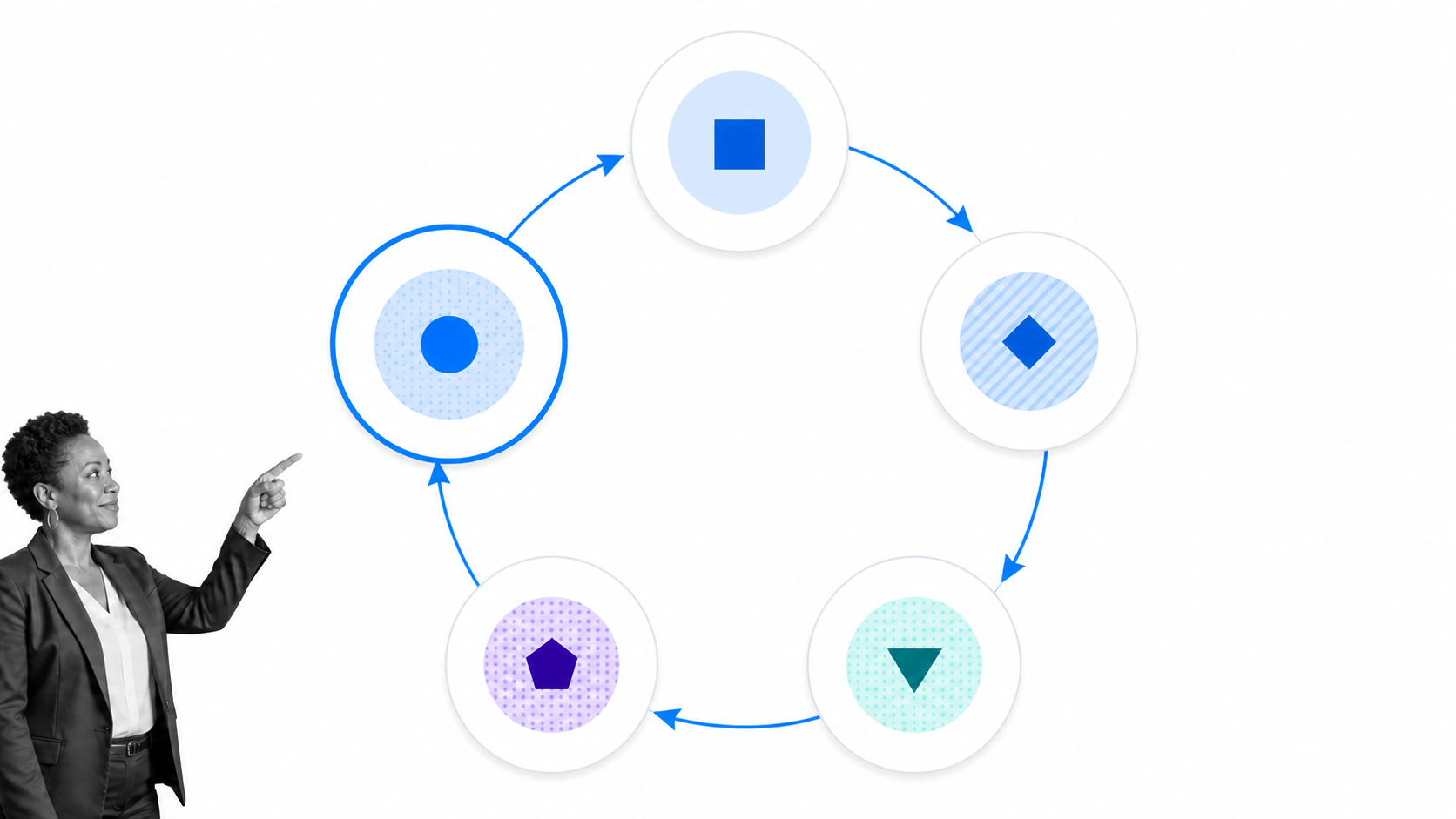
DMAIC stands for Define, Measure, Analyze, Improve, and Control:
- Define: State the problem, customer need, scope, and goal.
- Measure: Establish the current process and a reliable baseline.
- Analyze: Test causes and identify what drives the gap.
- Improve: Design, pilot, and implement the better method.
- Control: Hold the gains with ownership, measures, limits, and evidence.
DMAIC improves or stabilizes an existing process. It is iterative, and it shares the broader continuous-improvement logic found in the continuous improvement and Toyota Production System traditions.
That last phrase, existing process, creates the central DFSS question: what if the product, service, or process does not exist yet?
What is Design for Six Sigma?

Design for Six Sigma applies customer and quality requirements before a new design reaches full operation. Instead of starting with defects in an existing process, DFSS starts with Voice of Customer research, translates those needs into critical-to-quality requirements, compares concepts, designs the chosen approach, and verifies performance.
DFSS is the umbrella methodology. DMADV and IDOV are common phase models rather than competing definitions. the draft standard ISO/DIS 8023 describes DFSS across products, processes, and services, while ASQ’s DMAIC guidance distinguishes DMADV as the path for a new design or a complete overhaul.
When might I use DFSS?
To put DFSS into context, we could look at the process of designing an outbound sales process. Now, not being a manufacturing process, it’s kind of hard to go about implementing Six Sigma into an area of business with generally high failure rates. But this is illustrative and intended to be friendly for readers outside the world of manufacturing. So cut me some slack, yeah? Imagine we’re running a pretty decent mid-sized company and we want to launch a sales team to do outbound sales. We’ve toyed around with outbound sales enough previously to know it is an effective channel, but we don’t have set processes in place. What do we do? When creating a sales process in line with Six Sigma ideas, we could think about two main things:- What does the end customer want?
- What opportunities will exist where a potential client is lost? (a defect opportunity)
- Sales training process checklist
- Weekly sales prospecting checklist
- Cold calling checklist
- BANT sales qualification call process
- Sales presentation template
- Sales pitch planning checklist
- Closing the sale checklist
- Order processing checklist
- Monthly sales report
What is DMADV?

DMADV stands for Define, Measure, Analyze, Design, and Verify. It gives a cross-functional team a staged way to design a new product, service, or process around measurable customer requirements, then test whether the finished design meets them.
The phases form a decision sequence, not a one-way paperwork exercise. Evidence can send the team back to refine requirements, compare another concept, or change the design before full rollout.
DFSS is a design and prevention methodology. Teams can combine it with Lean methods when waste reduction and flow also matter. In DFSS, you put in extra work and planning beforehand in order to make the first iteration of a product or process as good as it can be. Quality-One describes it as follows:Multiple redesigns of a product are expensive and wasteful. It would be much more beneficial if the product met the actual needs and expectations of the customer, with a higher level of product quality the first time. Design for Six Sigma (DFSS) focuses on performing additional work up front to assure you fully understand the customer’s needs and expectations prior to design completion.We advocate for lean approaches a lot at Process Street, but if you already have a solid customer base you don’t want to deliver them an MVP with all its limitations and rough edges. You want to start with quality and then iterate to a better product as time goes on. The DMADV process is how these needs are met and how the product quality is delivered. DMADV isn’t just about process design in the abstract, it is an organizational tool to use to assist different stakeholders within a company to come together to successfully complete the process design. Six Sigma, after all, is not just about improving processes but improving organizations.
Define how you’re going to conduct your investigation
In this section you need to work out how you’re going to approach the challenge. This will likely involve about 7 key considerations:- Work out who your customer is. You need to know who you’re trying to develop this process for and why. If it’s an internal process then which team counts as your customer? If this is an external process then which actual customer is the customer in the context of this design process? Be specific.
- Develop problem and goal statements. We want to know why you’re initiating this process. What kind of pain points are being experienced to justify these efforts? How long have these pain points been felt for? Develop a goal statement which is SMART: Specific, Measurable, Attainable, Relevant and Time Bound.
- Assemble your crack team. Define what roles are going to be had across your team for this research effort. Who is the Process Owner, the Champion, the Black Belt, or the Green Belts? And which one of you is Donatello? Your team should have experience and knowledge from across the company; a varied skill set will help when facing new or unexpected challenges. Define a communication plan for how this team will work together.
- Define your available resources. For one, do not design a production process which requires space the business doesn’t have unless there’s clear evidence that building another factory will be well worth the money. You have to work within your means. Moreover, you shouldn’t spend $1m on designing a new process if your goal is to save the company $500,000 by replacing a process. You can do a risk assessment here too to factor in different scenarios.
- Write up your Business case. This should be a document which clearly outlines why this process design is important. Try to include these 7 points:
- Why is the project worth doing? Justify the resources necessary to engage in the project.
- Why is it important to customers?
- Why is it important to the business?
- Why is it important to employees?
- Why is it important to do it now?
- What are the consequences of not doing the project now?
- How does it fit with the operational initiatives and targets?
- Get some milestones on the board. Develop a project plan that’s well broken down with detail on timeframe, spend, and required resources/external involvement throughout the project so that you can present this as your expected performance going forward.
- Demonstrate how your research and design process will operate via a process map. A process map is a simple way to convey narratively the different workflows involved in conducting your experiments, research, and designs. Plus all the other things you’re going to have to do while carrying out this DFSS project.
Measure what your customers actually want
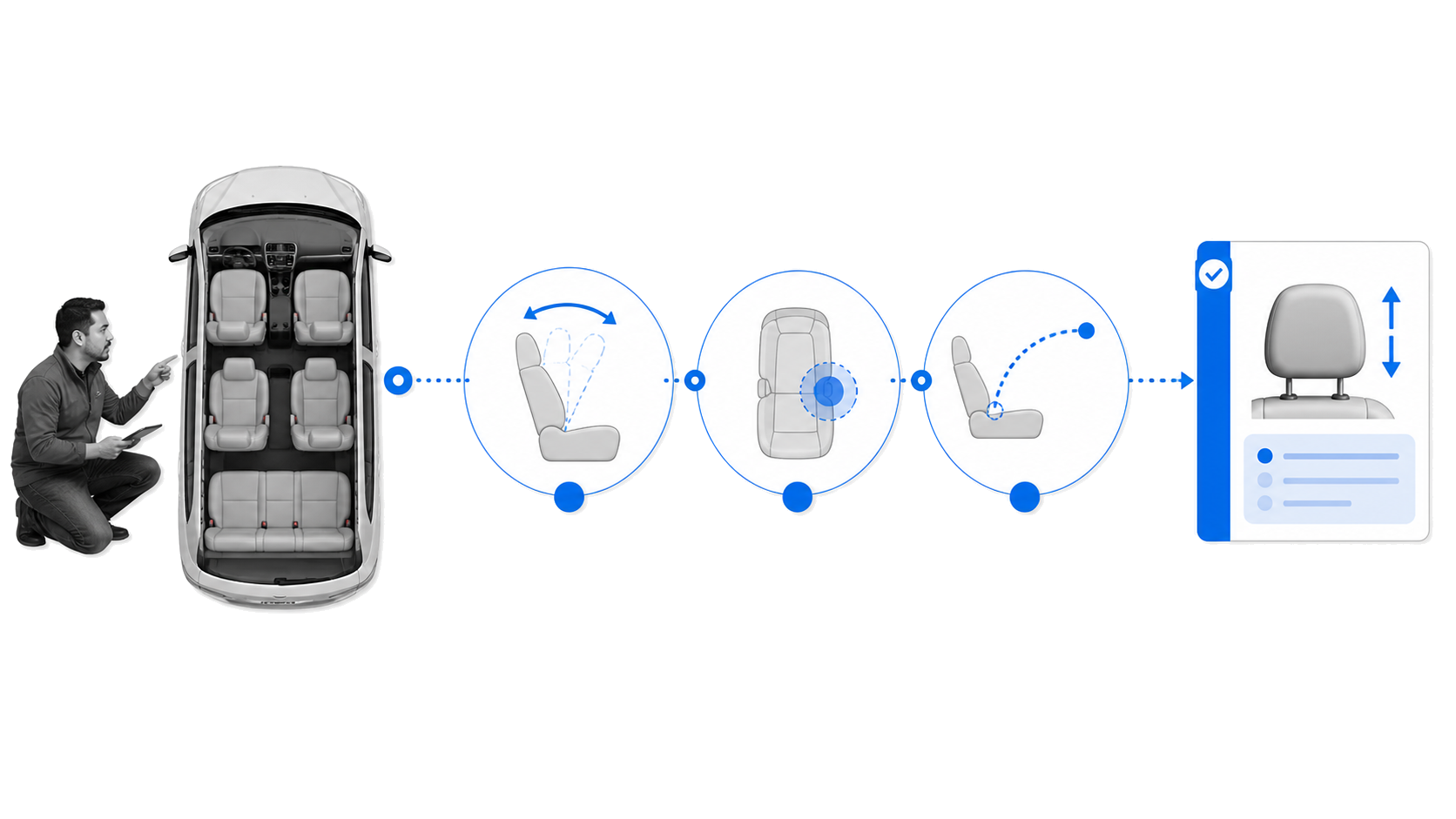
- Better seat quality all through the van.
- Roll down windows for the second row.
- DVD players and entertainment centers.
- A conversation mirror so that parents could monitor the backseat.
The parents and grandparents may own the minivan, but it’s the kids who rule it. It’s the kids who occupy the rear two-thirds of the vehicle, and are the most appreciative of their environment.Your customer needs and wants may not be obvious. Through research and careful analysis you may be able to discover a greater truth about the market which can unleash your company’s potential. Tools for this investigation include:
- Customer surveys
- Structured interviews
- Open format focus groups
- Historical data
- Current market trends analysis
- Immersion into customer experiences
Analyze the feedback to gather actionable data
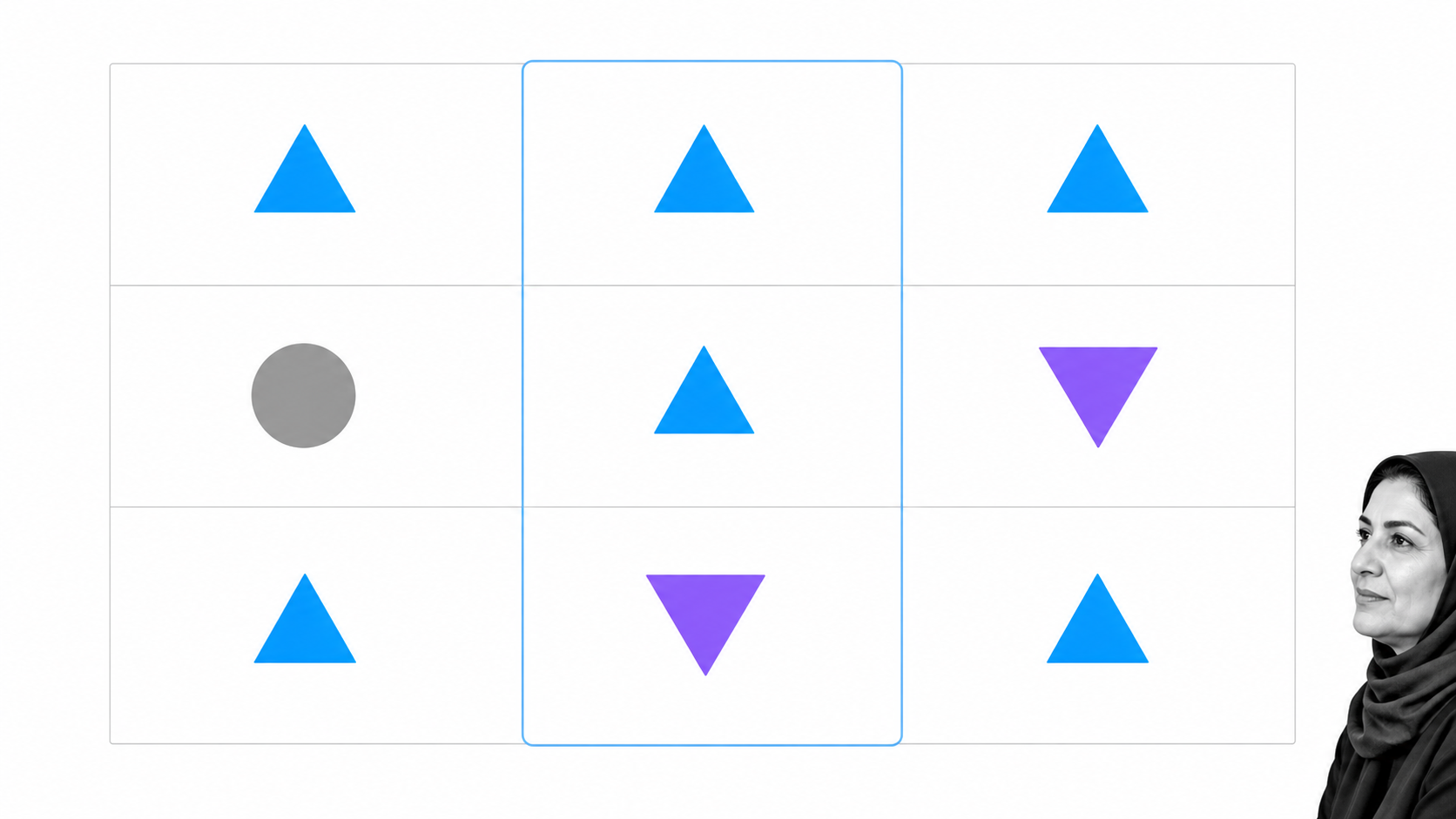
Most market researchers earn their living by asking questions , what people did, why they did it, what they might do in the future, and so on. The methodology varies , focus groups, Web surveys, interviews, etc. , but in most cases the fundamentals are similar. What would happen if these methods were applied to a person who had a diabolical module in his brain called “The Interpreter” that was constantly making up explanations for that person’s actions? These explanations would usually be logical and plausible, but in almost every case completely false. Unfortunately for market researchers, that person is all of us.This shows that any analysis we undertake of our research must be wary of its pitfalls. Plus, we should try to bring in elements of data which rely on what customers do as well as what they think, and be able to balance them off against each other. You can use various quality management tools to evaluate customer-needs data in order to pull out actionable insights: With the information gleaned from this research we can begin to put together certain design concepts. These initial concepts can be analyzed across the team and you can pull out potential positives and negatives for each. When making the final decision on which concept to carry forward into the design stage, a model like the Pugh Matrix can be a handy way to evaluate options. In the Pugh Matrix, you select your best concept and consider it to be the base concept, or the datum, and then begin to analyze the other concepts against this datum. The Pugh Matrix can help you weed out weaker concepts, strengthen existing concepts, and merge concepts. The visual above shows how a decision matrix can compare design concepts against a baseline. A positive score can indicate a stronger alternative, but the team should still examine the underlying tradeoffs before choosing a concept. ASQ decision-matrix guidance lay out the process quite neatly with the following steps:
- Construct a Pugh Matrix
- Create criteria to assess probable enhancement solutions
- Using comparative significance, allot scores for each criterion
- Determine all possible concept solutions
- Weigh up how sound the potential solutions carry out on every criterion and mark scores
- Combine scores of each alternative
- Choose the best alternative with the most combined score
Design your process from the concept

Verify your work by creating and testing your process
The extent to which this is viable depends on what the process or product you want to create is. A good start is to develop a prototype and run it through the necessary tests to determine to what extent it meets customer wants and needs. As Quality One describe:The information or data collected during the prototype or pilot run is then used to improve the design of the product or process prior to a full roll-out or product launch. When the project is complete the team ensures the process is ready to hand-off to the business leaders and current production teams.The job of the team is to make sure to use the verification stage to make the necessary final tweaks to hone the product or process. This could involve a pilot program or a beta-launch in order to see the product in the wild and gain insights from it. If you do choose to deploy the process in a pilot program to gather data on how it functions, you could use business intelligence tools like:
- Power BI, for governed analytics in Microsoft-centric environments
- Klipfolio, for dashboard reporting or smaller businesses
- Tableau, an enterprise-friendly analytics platform
IDOV: A very brief outline
IDOV, which you may stumble across on your DFSS travels, has a lot of similarities to DMADV but focuses more on optimizing the process or product once it has already been designed rather than spending as much time and effort before the design process begins. In practice, these processes can be essentially the same, depending on how they are executed. The acronym is broken down like so:- Identify
- Design
- Optimize
- Verify
What is the difference between DMAIC and DFSS?
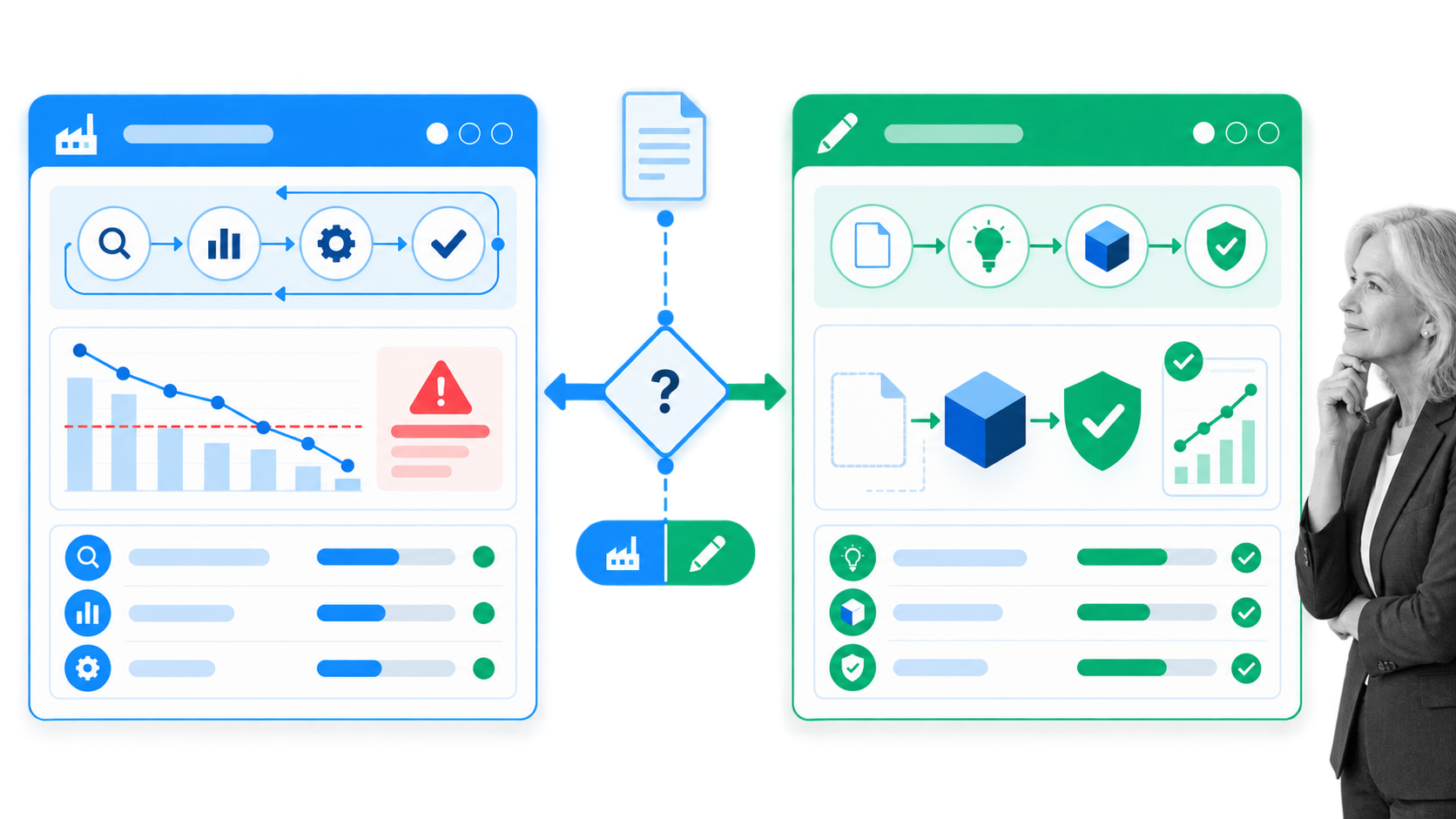
DMAIC improves an existing process. DFSS designs a new product, service, or process, or performs a fundamental redesign where incremental improvement is not enough. DMADV is a common DFSS phase model.
| Decision | DMAIC | DFSS / DMADV |
|---|---|---|
| Starting point | An existing process with measurable performance | A new design or fundamental redesign |
| Primary question | What causes the current gap or defect? | What must the design deliver for the customer? |
| Typical evidence | Baseline data, root-cause tests, pilot results, control measures | Voice of Customer, CTQs, concept comparisons, prototypes, verification results |
| End state | A more capable and controlled existing process | A verified design ready for controlled rollout |
If the process exists and the problem is measurable, start with DMAIC. If the team is designing from scratch or replacing the operating model, use DFSS. The choice depends on the design problem, not on a desire to use more tools.
Deming’s emphasis on quality as a management responsibility still matters here. The goal is not a perfect-looking diagram. It is a design that meets real customer requirements, runs reliably, and leaves evidence that the team can learn from.
Process Street is a single Compliance Operations Platform with Docs and Ops capability areas plus built-in AI. Teams can govern the DFSS procedure in Docs, execute phase gates and approvals through auditable Ops workflows, and use built-in AI to identify missed steps, delays, and improvement opportunities. The platform connects with 5,000+ apps through Zapier and also supports native automations, API access, webhooks, Make, and Power Automate.
The post DFSS: How Design For Six Sigma can Supercharge Your Business first appeared on Process Street | Compliance Operations Platform.


0 Commentaires