An employee assistance program (EAP) is an employer-sponsored or union-sponsored benefit that gives employees confidential access to short-term counseling, assessment, referrals, and practical support for personal or work-related problems. Services vary by provider and location, but a credible EAP creates a clear route to qualified help without asking a manager to act as a clinician.
EAPs matter because employees do not leave grief, anxiety, family strain, substance-use concerns, financial stress, or relationship problems at the workplace door. In March 2025, 62% of civilian workers had access to an EAP, according to the U.S. Bureau of Labor Statistics. This guide explains what EAPs cover, how confidentiality works, what benefits are realistic, and how to set up and administer a program responsibly.
The value of that support is easier to understand through a real experience. Process Street writer Ben Mulholland once described feeling numb after a two-year relationship collapsed. He was living in Italy, knew almost nobody beyond his former partner, could not speak the language, still shared an apartment with her, and had spent roughly $4,000 during the move.
Ben said the situation became the final strain before a mental breakdown. Process Street supported him through its employee assistance program, helping him return to England safely without the additional fear that asking for help would cost him his job.
My relationship of the last two years had just collapsed, which was the straw that broke, well, my head. I was living in Italy without knowing anyone but my former girlfriend, living in the same apartment as her, not being able to speak the language, and around $4,000 down in my bank account from when we had moved there two months earlier. Thanks to our employee assistance program, I was able to get back to England safe and sound, without worries about getting fired adding fuel to my problems.
Ben Mulholland
That is the standard an employee assistance program should aim for: humane access, clear boundaries, qualified support, and a responsible path forward.
In this guide, you will learn:
- What an employee assistance program is and how it works
- Which EAP benefits are realistic
- How to set up and evaluate an EAP
- How Process Street supports governed EAP administration
What is an employee assistance program (EAP)?
An employee assistance program is a work-based support service. It may be managed internally, delivered by an external provider, or run through a blended model. Employees usually contact the service voluntarily and directly, rather than asking a manager for permission. Eligibility can also extend to spouses, partners, dependents, or other household members, depending on the plan.
EAP services commonly cover:
- Stress, anxiety, depression, grief, and other emotional concerns;
- Relationship, family, caregiving, and workplace conflict;
- Substance-use concerns and referral to specialist treatment;
- Financial and legal guidance within the provider’s service limits;
- Assessment, brief counseling, and referrals for longer-term care;
- Manager consultation and crisis-response guidance that protects the employee’s privacy.
The problems can be caused by anything inside or outside work. The focus is on issues that affect an employee’s wellbeing, safety, relationships, or ability to work, and support can extend to the employee’s family too. Common examples include stress, burnout, work conflicts, depression, substance use, addiction, bereavement, marital and relationship issues, financial worries, legal questions, and caregiving strain.
The service provided depends on the issue. It can range from an initial assessment and short-term counseling to practical guidance or referral to a more specialized service. The important part is that the employee reaches someone trained to understand the concern and choose an appropriate next step.
The exact service mix, number of sessions, family eligibility, geographic coverage, and referral network vary. An EAP is not an emergency service, a replacement for ongoing medical or psychiatric care, or a reason for a manager to investigate an employee’s health. In an immediate safety emergency, use the appropriate local emergency or crisis service.
It is not a service that pretends to know everything. A good EAP recognizes when brief support is appropriate and when an employee needs a qualified specialist, longer-term treatment, or another community resource.
How does an EAP work?
The employer or union contracts with a provider or funds an internal program. Employees receive clear instructions for accessing the service by phone, portal, or appointment. A qualified professional assesses the concern, provides brief support where appropriate, and makes a referral when the need falls outside the program’s scope or session limit.
Employee assistance programs come in many shapes and sizes. Some are managed in-house, others are partially or entirely outsourced. Some focus on a single organization, while others serve a group of small businesses or a union on behalf of many teams. The model matters less than whether employees can reach trustworthy, qualified help when they need it.
Core EAP access is generally offered to employees without a direct charge. Referred services outside the program may involve insurance, copays, or other costs. The U.S. Office of Personnel Management’s EAP cost guidance illustrates that distinction.
Is an employee assistance program confidential?
Confidentiality is central to a credible EAP, but the word should not be used as an absolute promise. The provider should explain what is private, what anonymous or aggregate reporting goes to the employer, how records are handled, and which narrow safety or legal circumstances may require disclosure. Managers should normally receive no clinical details about an employee’s use of the service.
That separation is one reason an EAP should not be described as a broader version of HR. HR manages employment responsibilities. The EAP provides a separate route to support under defined professional, privacy, and referral standards.
Employee assistance program benefits
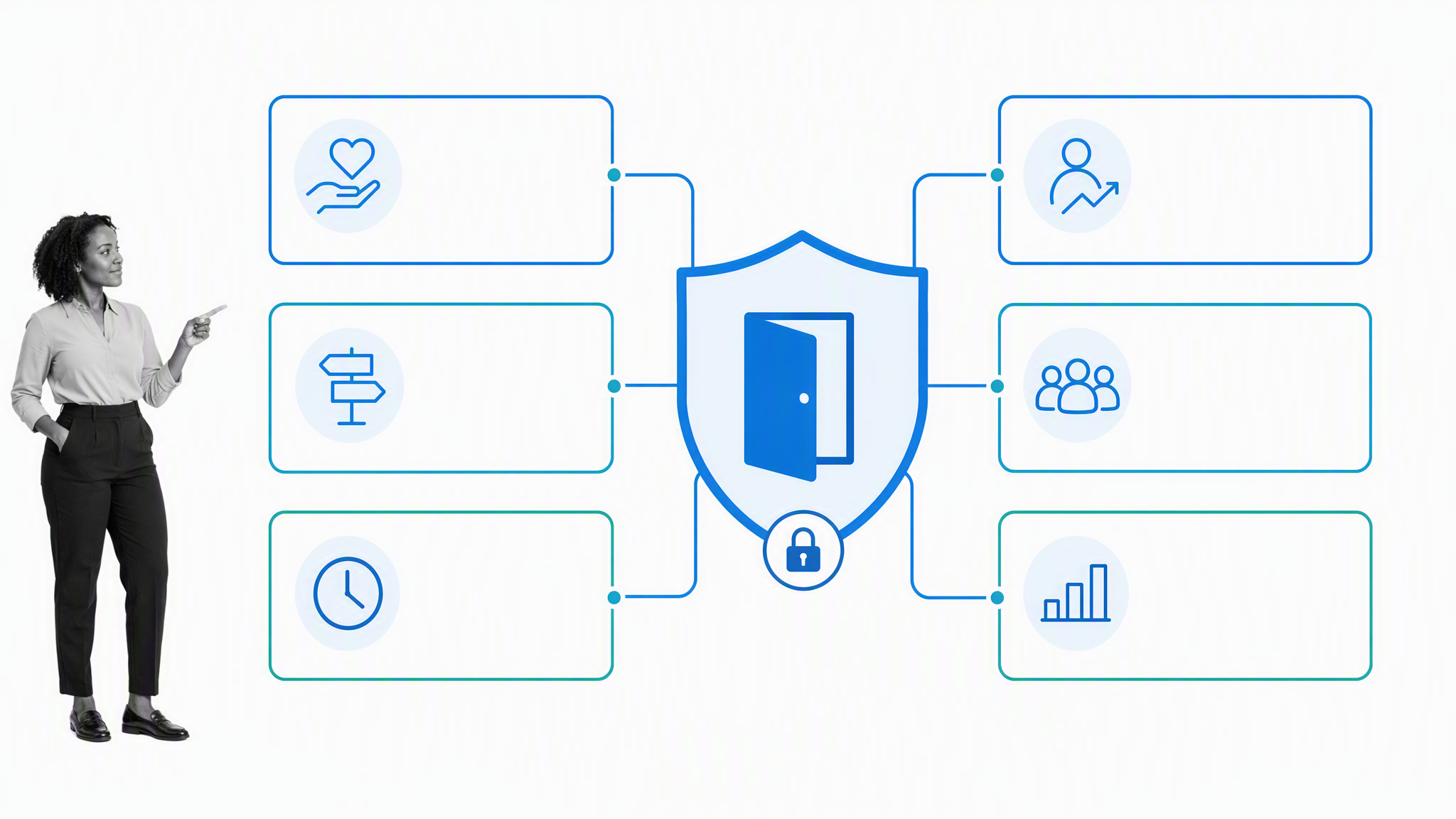
An EAP can benefit employees by making qualified help easier to reach before a personal problem becomes harder to manage. It can also give people practical support, a structured referral route, and greater confidence that asking for help will not automatically expose private details to their manager.
For employers, a strong program can support a healthier and more stable workplace. Potential benefits include improved work capacity, more consistent attendance, earlier access to appropriate care, better manager referral practices, and stronger trust. These are potential outcomes, not guarantees. Program quality, awareness, access, employee trust, and the surrounding work culture all affect results.
EAPs are often marketed with a familiar list of business benefits: increased productivity, happier employees, reduced absenteeism, reduced employee turnover, fewer claims connected to work issues, and less inappropriate behavior at work. Those categories are useful for planning, but they should be treated as hypotheses to evaluate rather than promised savings. Personal problems can contribute to low productivity, extended time off, or turnover, but an EAP is only one part of the support and working conditions that shape those outcomes.
A 2024 study of an employee assistance intervention found improvement in health-related productivity but no significant change in absenteeism at six months. That is a useful reminder to avoid blanket claims that an EAP will automatically cut absence, turnover, claims, or costs.
Ben’s experience with mental health and EAPs
Ben has written candidly about living with depression and anxiety, taking medication, experiencing panic attacks and fatigue, and constantly battling impostor syndrome and disrupted sleep. When he could not complete a normal day of work, his thoughts could spiral into fear that he would be fired for perceived laziness.
He does not pretend to be qualified to speak for people dealing with domestic abuse, toxic work colleagues, or every issue that EAP professionals handle daily. His experience is personal: medication made things more consistent, but his mental health still fluctuated. Sometimes he needed a day off because of panic attacks, fatigue, or other symptoms. His sleep schedule was a permanent battle.
The formal EAP gave him a route to practical support. His manager and teammates also created psychological safety by encouraging honest communication and making room for regular check-ins. Those practices complemented the EAP, but they were not substitutes for confidential professional services.
His team knew he could do excellent work and also understood that there were days when his health affected his capacity. That combination of trust, reasonable support, and clear expectations helped him stay connected rather than hide until a crisis became impossible to ignore.
Every two weeks, the team held a dedicated meeting to catch up and check on everyone’s status. If things became difficult in the meantime, Ben knew he could message his team lead or a teammate for support. That kind of manager relationship cannot replace counseling or referral, but it can make it safer for someone to say that they are struggling and use the formal support available.
The goal of an employee assistance program is not to treat everyone the same or force a quick fix onto every situation. It is to recognize that employees face different problems, make appropriate help accessible, and protect each person’s dignity while the organization handles its responsibilities consistently.
How to set up an EAP
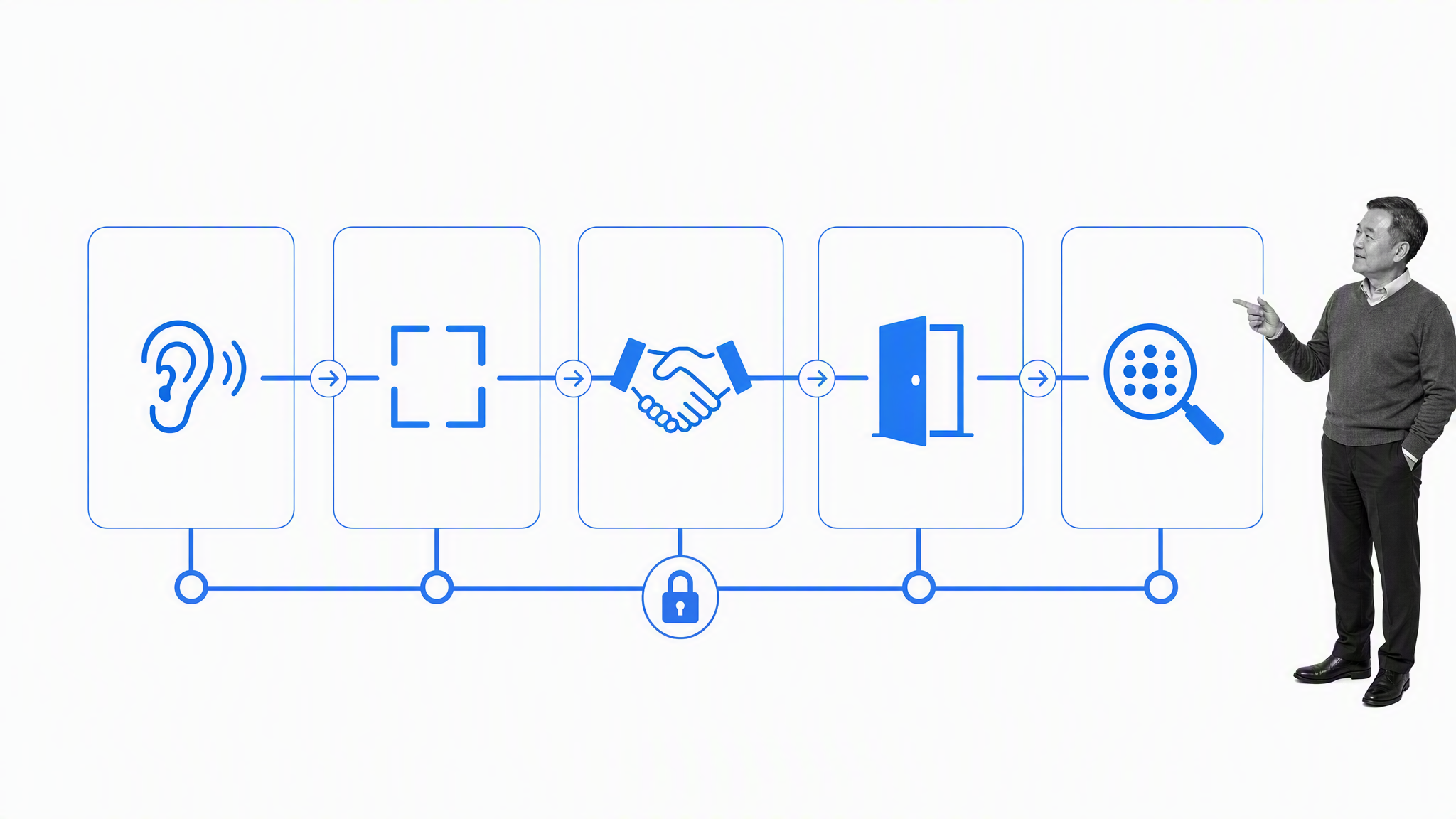
Start by defining the problem the program should solve and the population it must serve. Then decide whether an internal, external, or blended model can meet those needs with credible independence, qualified staff, appropriate coverage, and enough funding to operate reliably.
When setting up the EAP system, HR managers need to understand why they are setting up this system in the first place. What problem are they trying to solve? Then they must ensure they can provide adequate funding to support the EAP so it can be successful.
Jeff Harry, founder of Rediscover Your Play
That starting point prevents the program from becoming a benefit nobody can explain or access. Define the needs, decide what success should look like, and match the funding, staffing, provider model, and communications plan to those requirements.
Setting up an EAP is not as simple as telling employees to bring their problems to HR. Sensitive support requires trained professionals, clear governance, a referral network, privacy controls, emergency boundaries, and an implementation plan employees can understand and trust.
Crucial employee assistance program elements
At the core of a credible EAP is a written policy that explains purpose, eligibility, services, access, confidentiality, limits, referrals, complaints, records, and crisis escalation. The program should also have:
- Qualified providers. Verify licenses, credentials, supervision, continuing education, and professional standards for the services offered.
- Clear confidentiality boundaries. Document data handling, record ownership, retention, legal or safety exceptions, and the threshold for employer reporting.
- Accessible coverage. Check hours, languages, disability access, cultural fit, family eligibility, location coverage, and support for remote or shift-based employees.
- Consistent intake and referral. Define assessment, short-term support, specialist referral, emergency escalation, and follow-up expectations.
- Manager training. Teach leaders to notice work-related warning signs, describe the EAP accurately, respond without diagnosing, and escalate genuine safety concerns.
- Independent oversight. Include appropriate HR, legal, privacy, benefits, risk, and employee representation without giving those stakeholders access to private clinical details.
- Program communication. Explain the service repeatedly, not only at onboarding, and make the access route easy to find.
- Privacy-safe evaluation. Review awareness, utilization, satisfaction, access, referral completion, and aggregate trends without identifying individual employees.
The program also needs flexibility to add services when employee needs change, a documented advisory process involving appropriate figures across the organization, and a set method for deciding whether to provide a short-term solution or refer the employee to another service. Training should help leaders identify work-related warning signs early without asking them to diagnose a condition.
Qualified staff need processes to monitor and follow up with clients, maintain and improve their abilities as professional guidance changes, and make services sensitive to language, culture, customs, and beliefs. The organization should prioritize access and quality over cost alone. The goal is to help employees, not merely to say that a benefit exists.
The Employee Assistance Professionals Association UK resource hub and its 2023 standards provide useful industry detail. Treat them as UK guidance, not a substitute for local legal, clinical, privacy, or employment advice.
Outsourcing options for an EAP
If your organization does not have the qualified staff, independence, or coverage to operate an EAP internally, use an external provider or a blended model. Evaluate providers on more than price.
Ask prospective providers about:
- Professional credentials, supervision, referral networks, and clinical governance;
- Privacy, security, data location, retention, subprocessors, and breach handling;
- Hours, response times, crisis escalation, multilingual access, disability access, and global coverage;
- Employee and dependent eligibility, service limits, and the cost of referred care;
- How employees reach the service and what happens from first contact through follow-up;
- Aggregate reporting thresholds and the controls that prevent identification of individual users;
- Implementation, manager training, employee communications, and ongoing adoption support;
- References from organizations with similar workforces, risk profiles, and locations.
Ask how long the provider has been in business, what comparable clients say, which credentials and training its professionals hold, where services are located, whether night-shift and remote employees can obtain support, and how progress and follow-up are handled. Availability on paper is not the same as usable access.
The cheapest contract is not the best program if employees cannot reach it, do not trust it, or receive weak referrals. Choose for access, quality, privacy, and responsible follow-through. Then review the program on a regular cadence and improve it without turning confidential care into employee surveillance.
Process Street helps you operationalize an employee assistance program
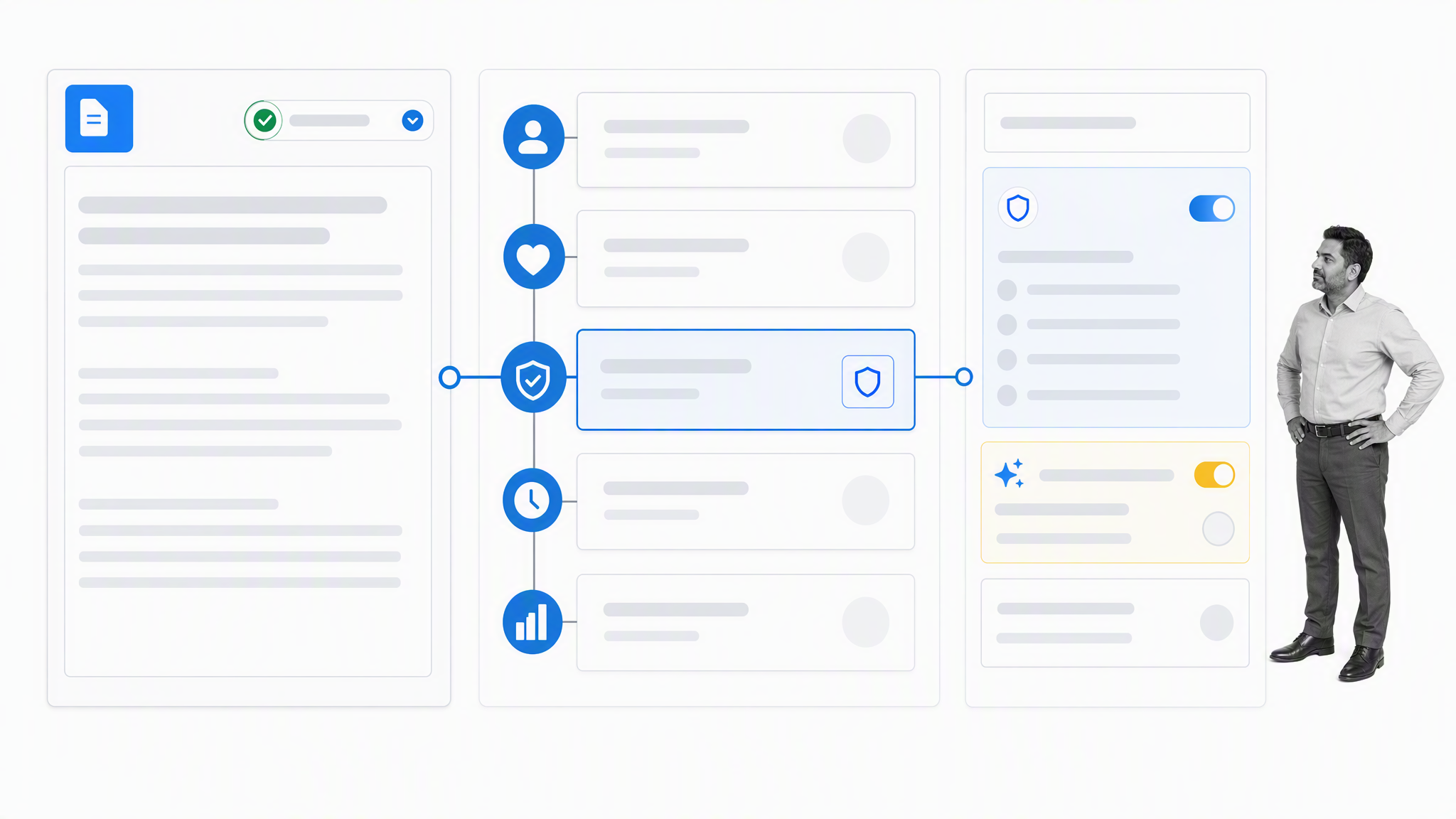
Whether you operate the program internally or work with an outside provider, EAP administration depends on documented responsibilities and repeatable workflows. That operating layer can include policy approval, provider due diligence, employee communications, manager training, access requests, non-clinical escalation, invoice review, service-level checks, and privacy-safe program review.
By recording the methods that have to be followed when interacting with employees, you can make sure the vital administrative aspects of the EAP are followed consistently. The policy, approved instructions, assigned responsibilities, review dates, and evidence should live in a governed system rather than scattered email, memory, or tribal knowledge. That makes it easier to train new administrators, audit the process, and improve the program without exposing private counseling records.
Process Street is one Compliance Operations Platform with Docs and Ops capability areas plus built-in AI. Docs can govern the EAP policy, ownership, review cycle, and approved guidance. Ops can run the related workflows with assignments, approvals, conditional paths, task permissions, evidence, and due dates.
This gives the people responsible for administration direct instructions for how each task should be completed and a consistent record of what happened. Form fields can capture approved operational information, conditional logic can adapt the workflow to the situation, and approvals can prevent work from moving forward without the appropriate permission. Those controls should support the process without collecting clinical detail the workflow does not need.
Permission levels should be separate and deliberate. A person may need to run a workflow without being able to edit its policy, or complete one assigned task without seeing another sensitive task. Nobody should receive access simply because they are part of the broader HR team. The organization must design each workflow around minimum necessary access and verify that design before using it with real employee information.
Built-in AI can assist with governed drafting, routing, approved knowledge retrieval, and exception detection under human oversight. It should not diagnose employees, expose confidential information, or replace the EAP provider’s professional judgment.
For sensitive work, configure access according to role and task, minimize the personal information collected, and keep clinical content outside general operational workflows. Process Street provides configurable task permissions; your organization and provider remain responsible for the program’s privacy design, legal basis, data practices, and professional safeguards.
The same operating discipline applies across broader workplace management software: policy should connect to execution, ownership should be explicit, and improvement should rely on appropriate evidence rather than informal memory.
A current employee-onboarding workflow is included below as an adjacent HR example. An EAP workflow should be designed more narrowly, with qualified-provider boundaries and stricter access controls.
The technology is the administration layer, not the assistance program itself. The human standard still comes first: make support easy to find, safe to use, and credible when an employee needs it.
Employee assistance program FAQs
What does an employee assistance program cover?
Coverage varies, but many EAPs provide assessment, short-term counseling, referrals, and practical guidance for mental health, grief, relationship, family, substance-use, financial, legal, and workplace concerns. Check the plan documents for eligibility, limits, and local availability.
Is an EAP confidential from an employer?
A credible EAP keeps individual use and clinical details confidential within stated professional and legal limits. Employers may receive anonymous or aggregate program reports. The provider should clearly explain exceptions for immediate safety risks or legal requirements.
How much does an employee assistance program cost an employee?
Core EAP access is usually offered without a direct employee charge. Services outside the EAP, such as longer-term treatment after a referral, may involve insurance, copays, or other costs.
Should an EAP be internal or outsourced?
Use the model that can provide credible independence, qualified staff, privacy, coverage, accessibility, referral quality, and reliable service. Small and distributed organizations often use external providers, while larger organizations may choose internal or blended programs.
The post What Is an Employee Assistance Program (EAP)? Everything You Need to Know to Better Your Team first appeared on Process Street | Compliance Operations Platform.


0 Commentaires