Procurement management is the discipline of planning, approving, monitoring, and documenting how an organization buys goods and services. A better procurement management process connects business needs to qualified suppliers, controlled spending, contract performance, and a complete record of every decision.
This guide explains the difference between procurement and procurement management, shows what can go wrong when controls fail, and gives you a practical seven-step procurement management plan.
- What is procurement?
- What is procurement management?
- Examples of procurement gone wrong
- Procurement management best practices
- Procurement management plan in seven steps
- How Process Street supports procurement management
What is procurement? A recap of the basics
Procurement is the end-to-end process of identifying a business need, sourcing and evaluating suppliers, negotiating terms, approving spend, receiving goods or services, and managing supplier performance. Purchasing is one transaction inside that broader lifecycle. Procurement management is the control system that assigns owners, sets decision criteria, monitors delivery, and keeps the evidence behind each choice.
Two related guides cover adjacent parts of the procurement lifecycle in more detail:
- How to Implement a Powerful Procurement Process Like a Pro (Free Templates!)
- Digital Procurement: How to Cut Costs Without Losing Profitability
Why you need to get procurement right
Getting procurement right requires two connected systems:
- A repeatable procurement process for the work.
- A procurement management plan for ownership, controls, timing, risk, and supplier performance.
The process moves each request from need to contract and delivery. The management plan decides who can act, what evidence is required, which risks must be reviewed, and how the organization will know whether the supplier delivered the expected value.
The procurement process
A procurement process is the sequence of steps and tasks used to turn a business need into an approved purchase and a managed supplier relationship. Without a standard process, requests arrive through inconsistent channels, approvals are missed, requirements drift, and the organization loses a reliable record of why money was spent.
The details vary by industry, company size, spend threshold, and risk, but the control pattern is durable: capture the need, qualify suppliers, compare options, review budget and risk, approve the decision, issue the order or contract, confirm delivery, and retain the evidence.
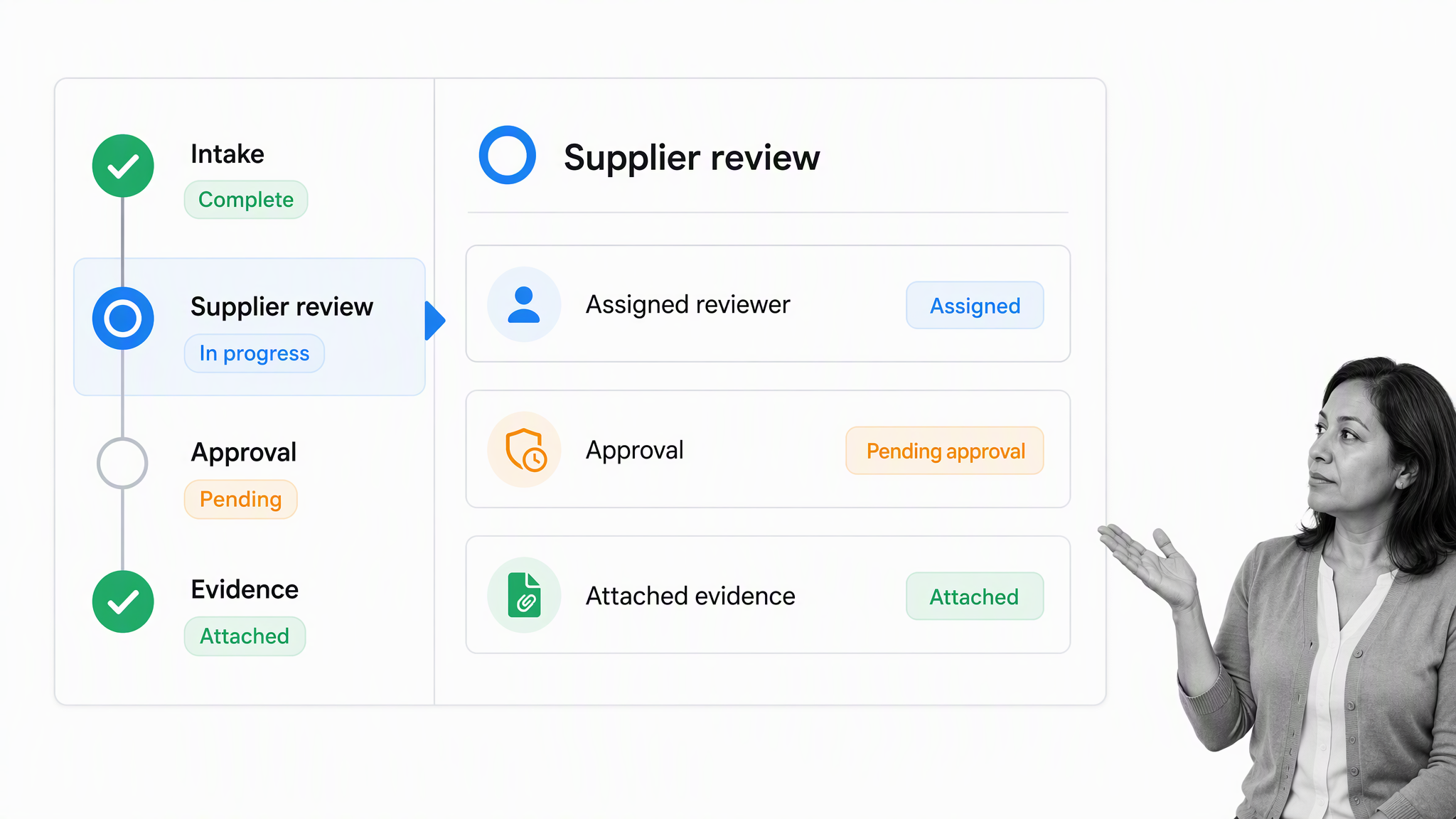
The Procurement Process Checklist Template gives teams a starting workflow they can adapt to their own policy, roles, thresholds, and supplier requirements. Process Street offers a 14-day trial for teams that want to test it with a real procurement process.
- Approvals: require the right person to accept or reject purchase requests, supplier choices, and contract proposals.
- Conditional Logic: route work according to value, category, geography, supplier risk, or missing evidence.
- Task permissions: limit sensitive pricing, legal, security, or supplier information to the people who need it.
- Embed Widget: bring an invoice, supplier portal, form, or supporting application into the workflow without breaking the review trail.
What is procurement management?
Procurement management is about acquiring quality goods and services from preferred vendors within a stipulated budget, on or before a deadline. It details how the procurement process will be managed.
A procurement management plan will include the following information:
- The types of contracts you plan to use and any metrics that will be used to measure the contractor’s performance.
- The planned delivery dates for the work or products you’re contracting.
- The company’s standard documents you will use.
- The number of vendors or contractors involved and how they will be managed.
- How purchasing may impact the constraints and assumptions made during procurement.
- The coordination of purchasing lead times with the development of the project schedule.
- The identification of prequalified sellers (if known).
Handling the organization’s procurement is one thing; effectively managing it is another. Good procurement management has the power to save money and time while increasing organizational compliance.
Procurement management controls cost, compliance, and supplier performance
An effective procurement management system will deliver the following benefits, as given by Oracle:
- Increases spending influence Procurement solutions enforce compliance purchasing by making it easy for employees to find what they need and direct approved purchases from authorized suppliers.
- Improves efficiency and automates sourcing and purchasing processes Cumbersome procurement processes limit value-delivery to an organization. Procurement management solutions standardize, streamline, and automate traditionally manual processes. This frees up resources and time for other strategic business processes.
- Improves supplier management Qualifying and assessing a potential supplier’s capabilities, viability, and compliance with the company’s code of conduct is essential. Alerts prompt procurement professionals when a supplier’s qualifications are expiring. Also, procurement keeps on top of information that might affect supplier qualifications, capabilities, and changes to their risk profile.
- Standardizes the contract lifecycle Contract reviewers can identify deviations from the standard language and identify risks, make changes as required, and gain approval before finalization. Alerts notify users of expiring contracts to ensure timely renewals and to minimize delays.
The result is a defensible record of what was requested, what was reviewed, who approved it, which evidence supported the decision, and how the supplier performed.
Examples of procurement gone wrong
To truly emphasize the importance of procurement management, we’ll take a look at what happens when poor management processes are in place.
Disappearing inventory at ASOS
Towards the end of July 2019, as peak season was coming into full view, the e-commerce-driven fashion brand, Asos, told investors about a costly warehouse technology failure.
The high trend-driven brand was tracking stock inventory using a stock-keeping unit (SKU), which is a scannable bar code printed on the clothing item labels. This allowed vendors to automatically track inventory movement. The organization was adding 5,000 SKUs per week – which gives you a sense of the inventory scale we’re dealing with.
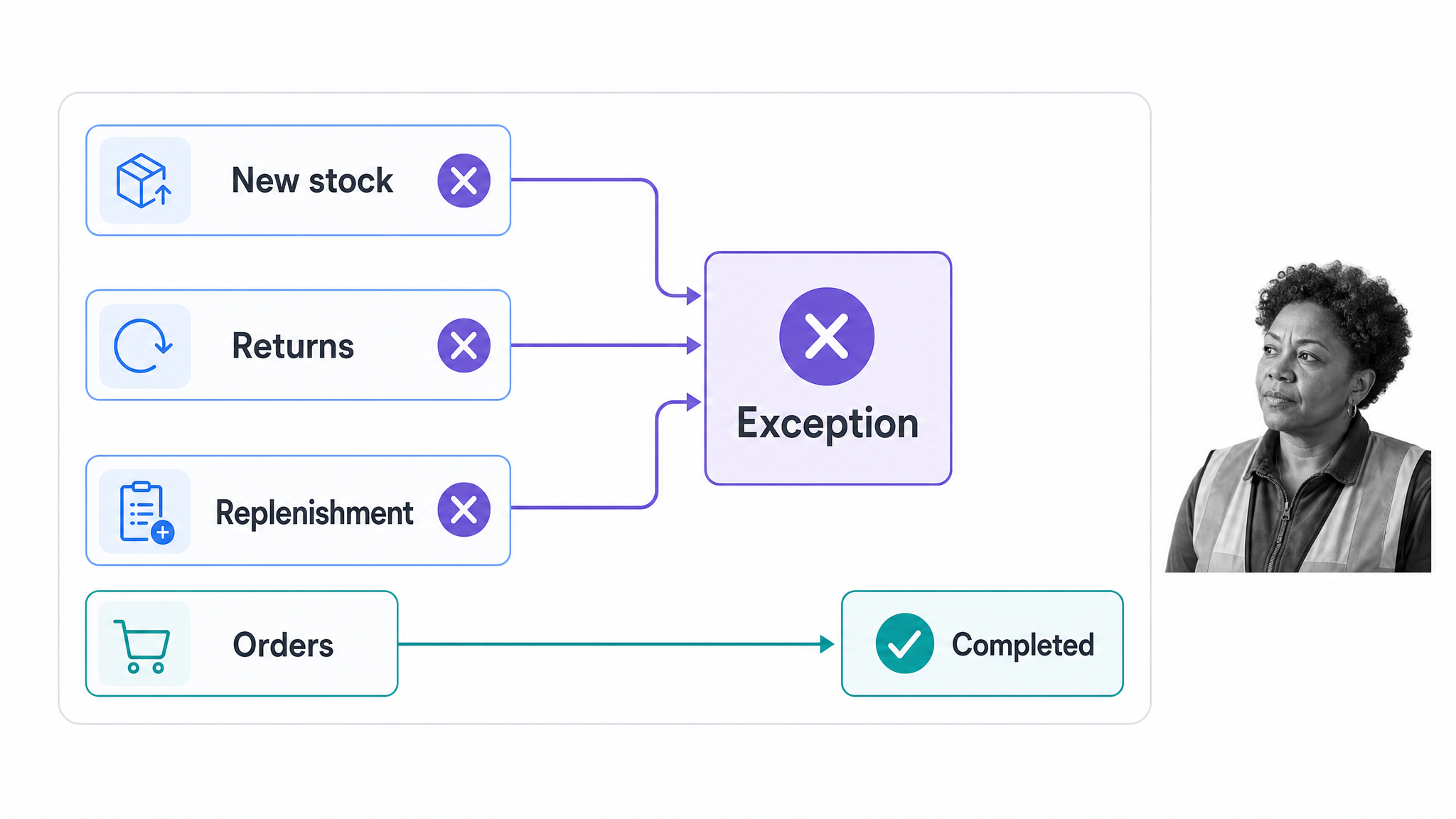
Asos relied on an automated system to manage its inventory levels. However, the breakdown of this system led to a major procurement failure. That is, the automated system was sending inventory out to complete orders, but not taking new orders in for weeks – e.g. new items, replenishment, and customer returns.
The disruption restricted stock availability across Germany, France, and the U.S. The Guardian reported a 68% drop in profits year-over-year for the 2019 fiscal year.
Supply Chain Dive reported that it took months for ASOS to identify and address the $30 million warehouse technology and inventory problem.
A laboratory lapse involving 500 test tubes
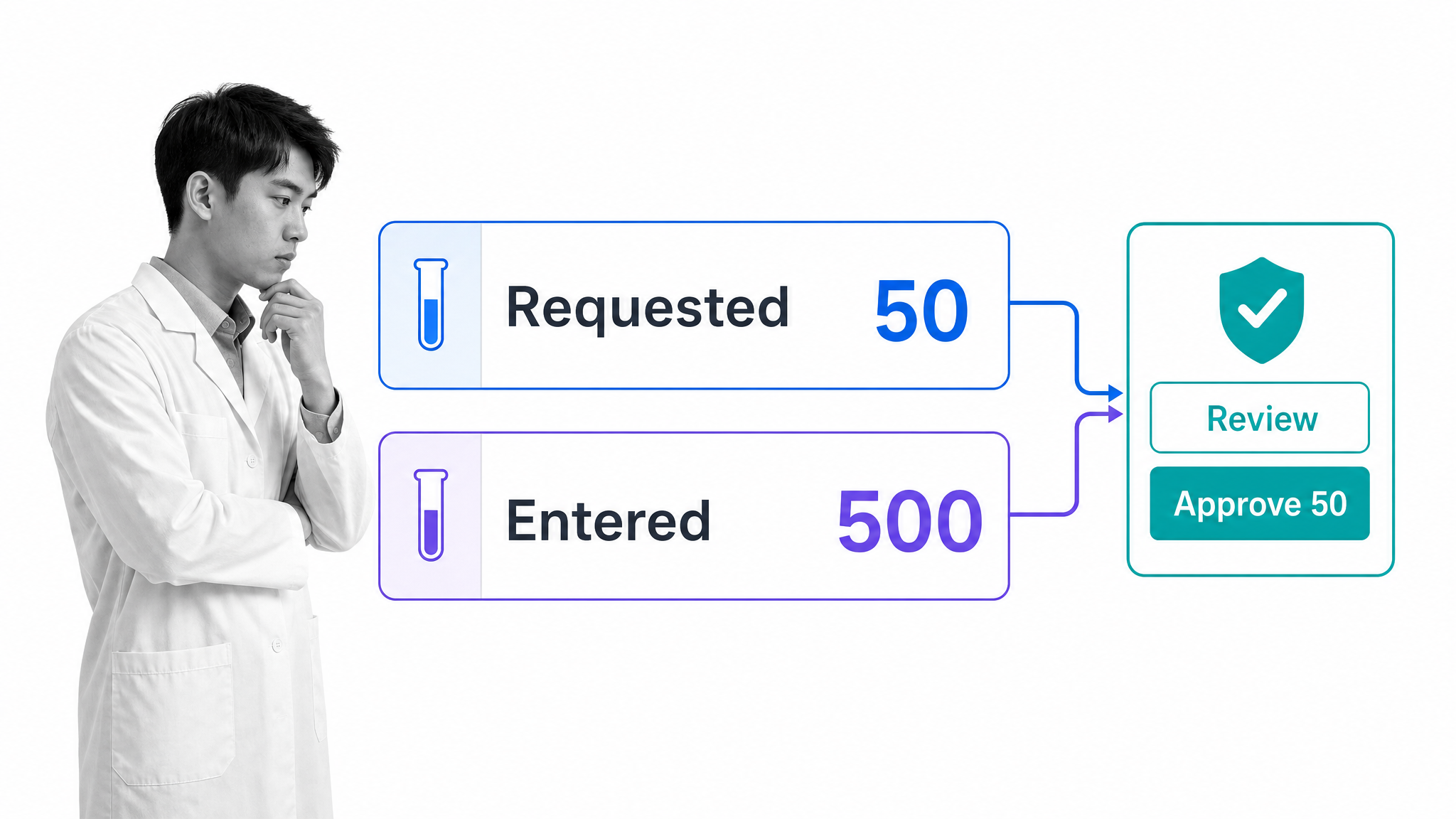
Process Street writer Jane Courtnell learned this lesson while working at an environmental testing laboratory. In her first month, she was asked to order 50 test-tube containers from a contractor for delivery to a client. She entered 500 instead.
A truck carrying 500 test tubes arrived at the client’s door. The mistake was hers, but a proportionate approval control could have compared the request, quantity, and expected use before the order was released.
That is the value of a controlled procurement process: it gives another responsible person or rule the chance to catch an unusual request and reduce human error without turning every routine purchase into a delay.
Procurement management best practices
Strong procurement management makes each decision visible, repeatable, and proportionate to risk. The goal is not more administration. It is a controlled path that lets routine purchases move quickly while giving higher-risk suppliers, contracts, and exceptions the scrutiny they need.
Prioritize transparency
Keep the request, budget context, supplier evidence, approvals, purchase order, receiving record, invoice, and performance history connected. A shared record gives requesters, procurement, finance, legal, and approvers the same facts and makes double payments, missing approvals, and unexplained exceptions easier to spot.
Document the recurring work, whether it is vendor management, accounts payable, or a purchase order workflow. A documented path makes ownership and evidence requirements clear before a request becomes urgent.
Optimize your inventory
Set purchase quantities and reorder points against demand, lead time, service expectations, shelf life, and the cost of holding stock. Review exceptions when actual consumption, returns, or supplier performance diverge from the plan. Inventory optimization is not just a lower-stock target. It balances availability, working capital, waste, and continuity.
Engage suppliers
Supplier relationships improve when expectations are explicit. Define service levels, quality evidence, escalation paths, review cadence, change controls, and renewal criteria in advance. Track performance over time so discussions are based on delivery, quality, responsiveness, and risk rather than the last anecdote.
That record also helps procurement distinguish a one-off issue from a deteriorating relationship, recognize a strong supplier, and decide when a backup source or corrective action is necessary.
Automate procurement
Use automated procurement software to classify requests, assign owners, collect evidence, enforce thresholds, send reminders, and route predictable work. Automation can reduce repetitive entry and prevent some avoidable errors, but people should remain accountable for supplier selection, material contract changes, exceptions, and final approval.
Integrate procurement processes
Connect intake, budget checks, supplier review, approvals, purchase orders, receiving, invoices, and record retention. When those handoffs live in separate inboxes or systems, work stalls and context disappears. A connected process makes bottlenecks easier to diagnose and keeps each decision tied to its supporting evidence. See this guide to process analysis for a practical way to find those delays.
Process Street has direct, universal integrations to 5,000+ systems. Need a new one? An AI agent builds it on the fly.
Minimize risk
Build risk management into the procurement path. Supplier continuity, bribery, data security, regulatory obligations, traceability, health and safety, environmental requirements, and social responsibility can all change the review a purchase needs.
Define what evidence is required, who owns each risk, which thresholds trigger specialist review, and how exceptions are approved. Reassess important suppliers when their ownership, location, financial condition, subcontractors, certifications, or delivery performance changes.
Treat supplier information as living evidence rather than a one-time onboarding packet. Certification expiry, insurance changes, sanctions exposure, cyber incidents, ownership changes, and repeated delivery misses can all change the decision after a contract is signed. Set review triggers and renewal checkpoints so the procurement lifecycle continues through performance, change, renewal, and orderly closure.
Measure the process as well as the supplier. Useful signals include request completeness, approval cycle time, exception volume, contract coverage, purchase-order compliance, invoice mismatch rate, supplier delivery performance, corrective-action closure, and realized savings. Metrics should help the team find weak controls and slow handoffs, not reward faster approvals at the expense of judgment.
Procurement management plan in 7 steps
To effectively manage a company’s procurement needs, it’s important to have a thorough procurement management plan based on solid information.
Procurement management follows a logical order:
- You plan what you need to contract.
- You plan how you’ll do it.
- You’ll send out your contract requirements to vendors.
- Vendors will bid for a chance to work with you.
- You’ll continuously monitor work done, close out the contract, and complete all associated paperwork.
To help you formulate an effective procurement management plan, we’ve split the management procedure into seven steps, as follows.
1. Define roles and responsibilities
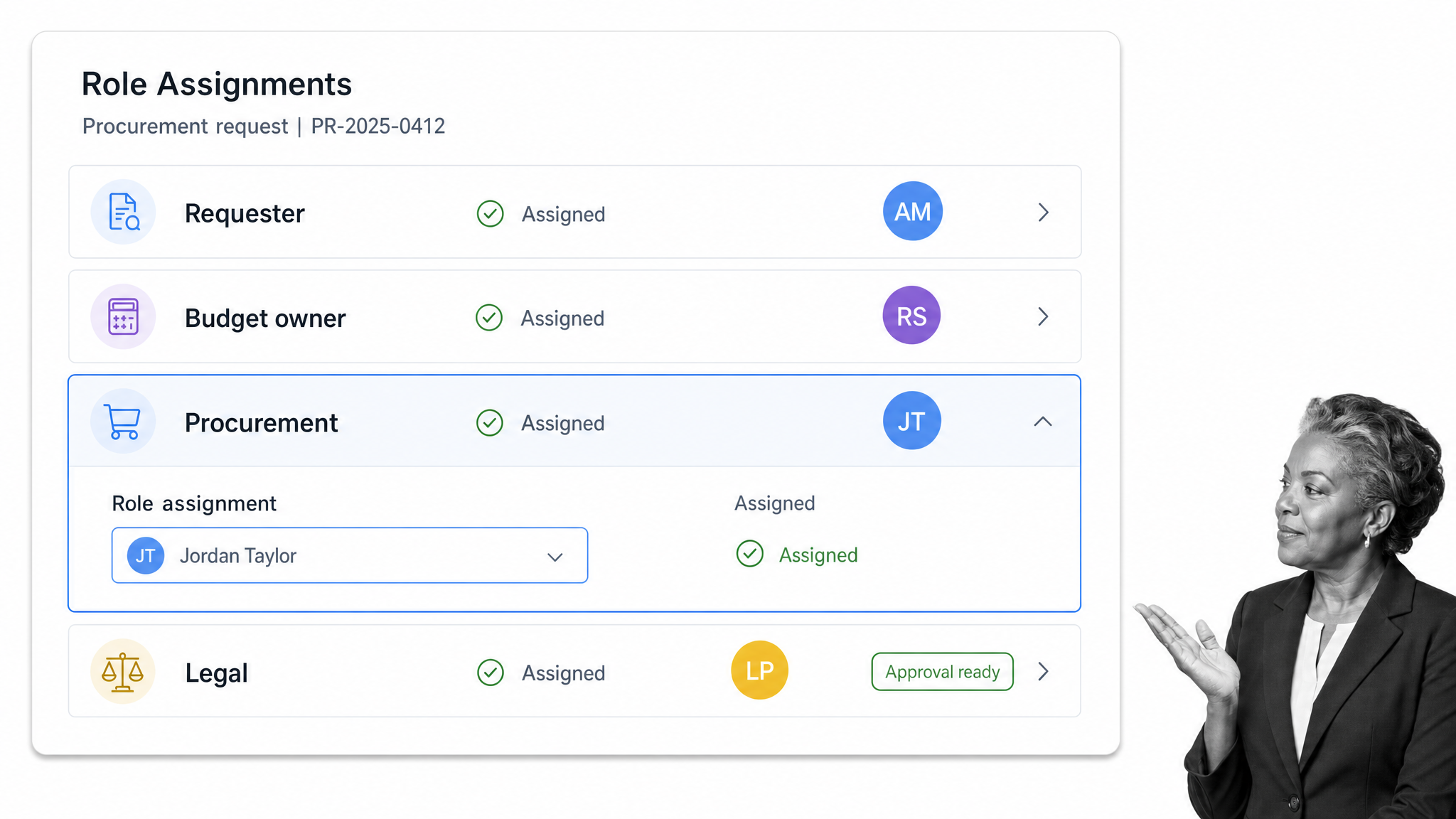
Everyone involved in the procurement process needs to understand the responsibilities and scope of their work. Boundaries between responsibilities also need to be set.
Important roles defined in the procurement management plan include project managers, corporate executives, and contract managers.
You can use Process Street’s Role Assignments features to assign tasks to given team members for your procurement processes.
2. Create a schedule
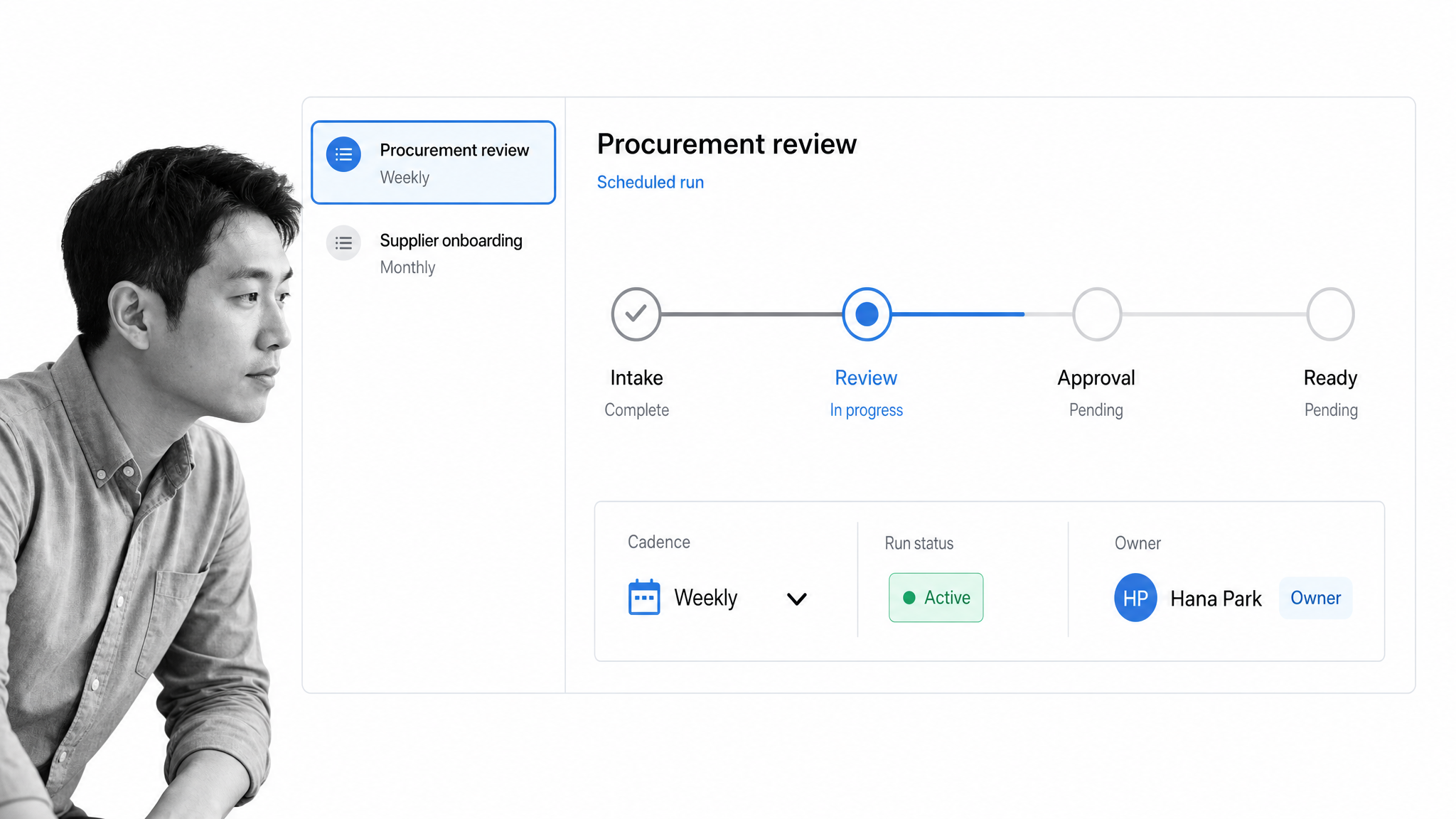
A procurement management plan should contain scheduling details to make sure that the procurement processes are completed within the expected timeline.
Break down procurement projects into constituent tasks – something you’ll do when documenting your processes in Process Street. Give start and estimated end dates to the given tasks.
3. Identify and mitigate risks
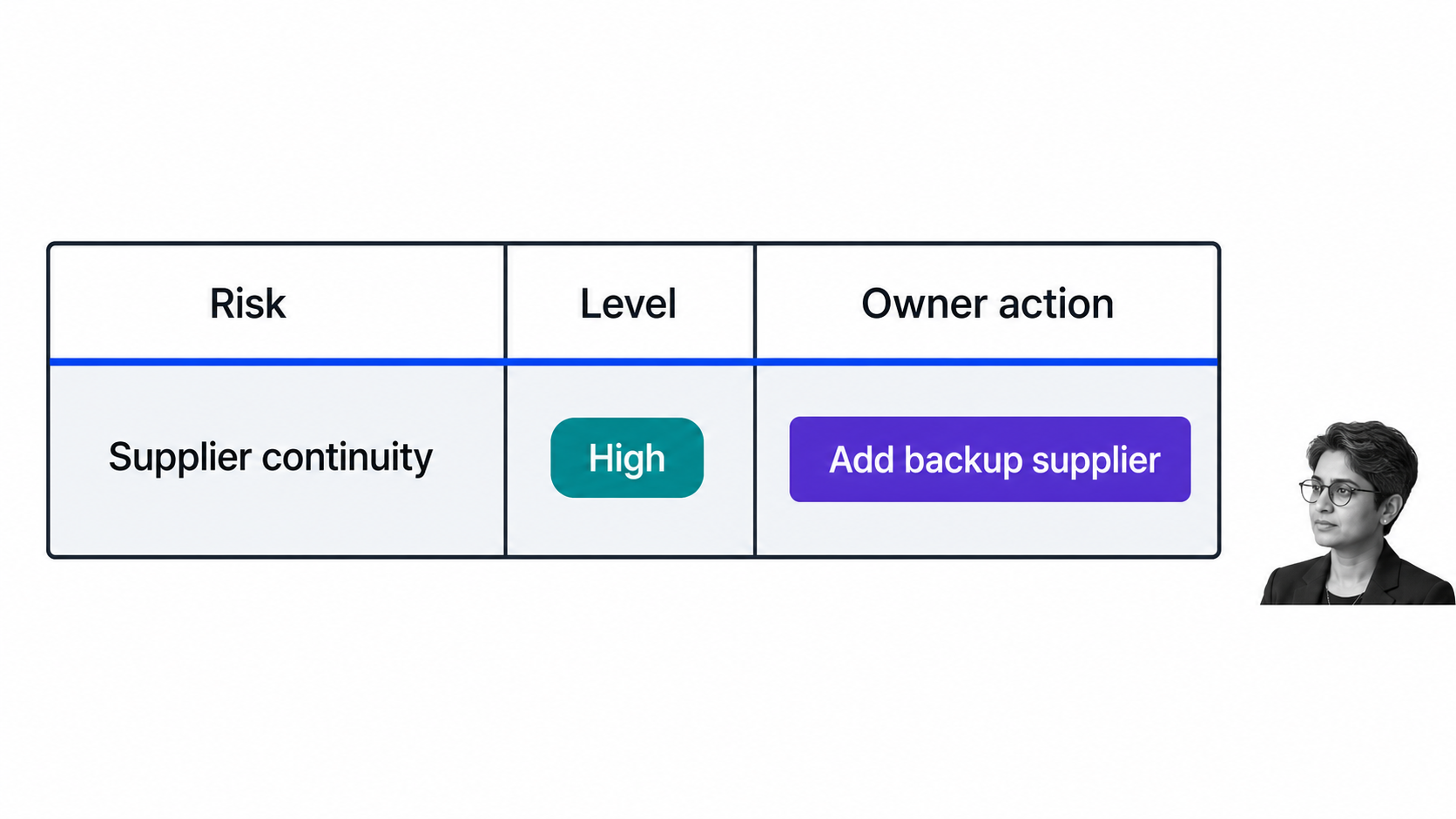
Risks are inherent in every part of project management, and procurement management is no exception. A procurement management plan helps figure out what those risks might be and lists them out.
Once an insightful list of risks is collected, use your procurement plan to help mitigate them. Assign team members to distribute ownership of given risk types.
4. Determine costs
Cost determination is a crucial step in creating a procurement management plan as it directly affects the budget. These steps involve issuing a request for a proposal that asks vendors to offer bids for their products or services.
The request for a proposal generally involves critical schedule dates and provides details on the vendor’s work arrangement, and previous experience.
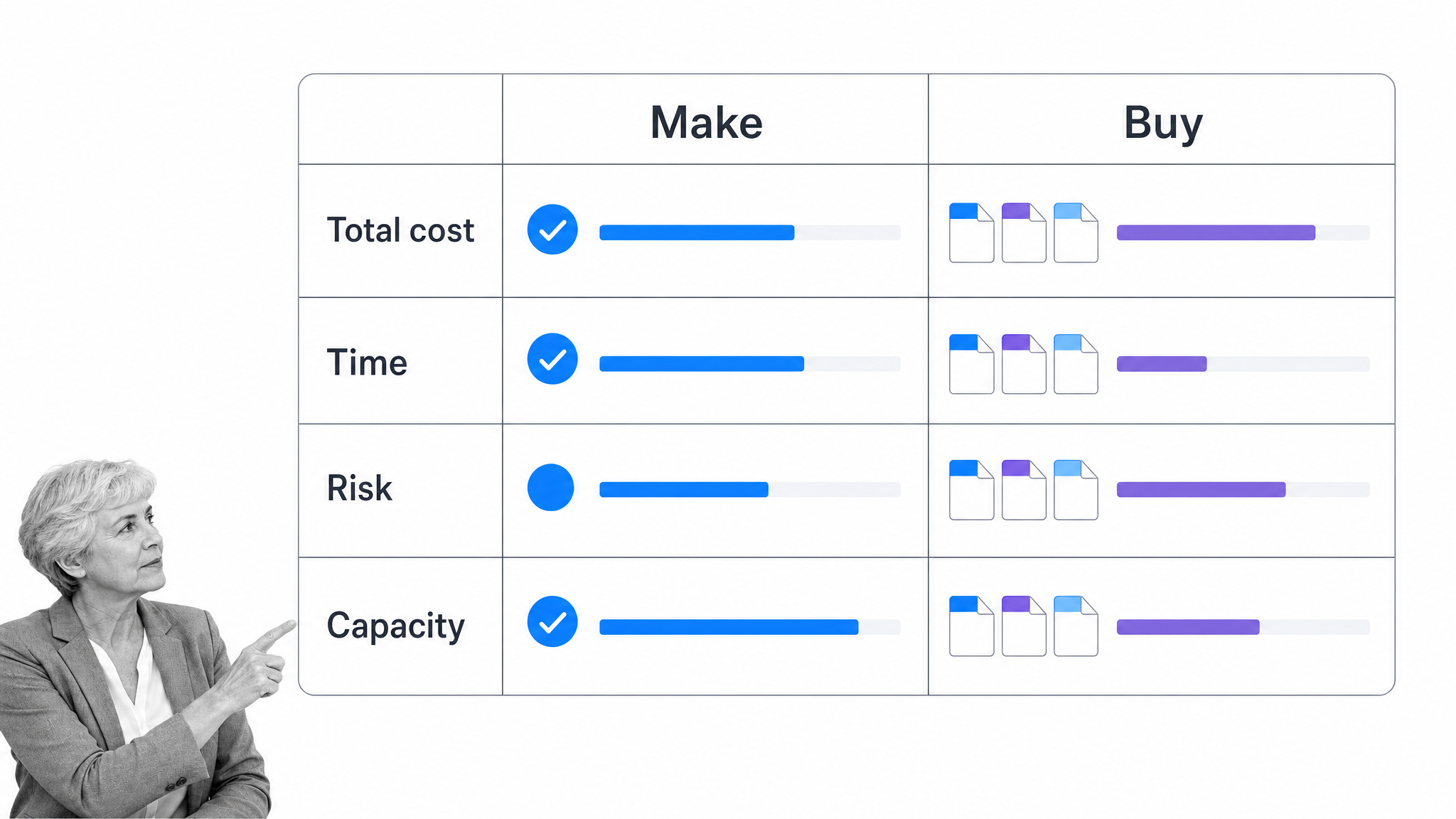
During this step, you should also conduct a make-or-buy analysis, to figure out whether or not you should be contracting the work or doing it yourself. Think about…
- What’s the cost to build it as opposed to buying it?
- How will this decision affect the scope of your project/service/product?
- How will it affect the project/service/product schedule?
- Do you have time to do the work and still meet your commitments?
- As you plan out what you will and won’t contract, you need to think through your reasoning carefully.
You may need to rent, buy, or lease machinery/equipment to meet your procurement needs if you decide to not buy-in. You’ll therefore need to examine leasing-versus-buying costs to determine the best way to move forward.
5. Establish decision criteria and approval workflow
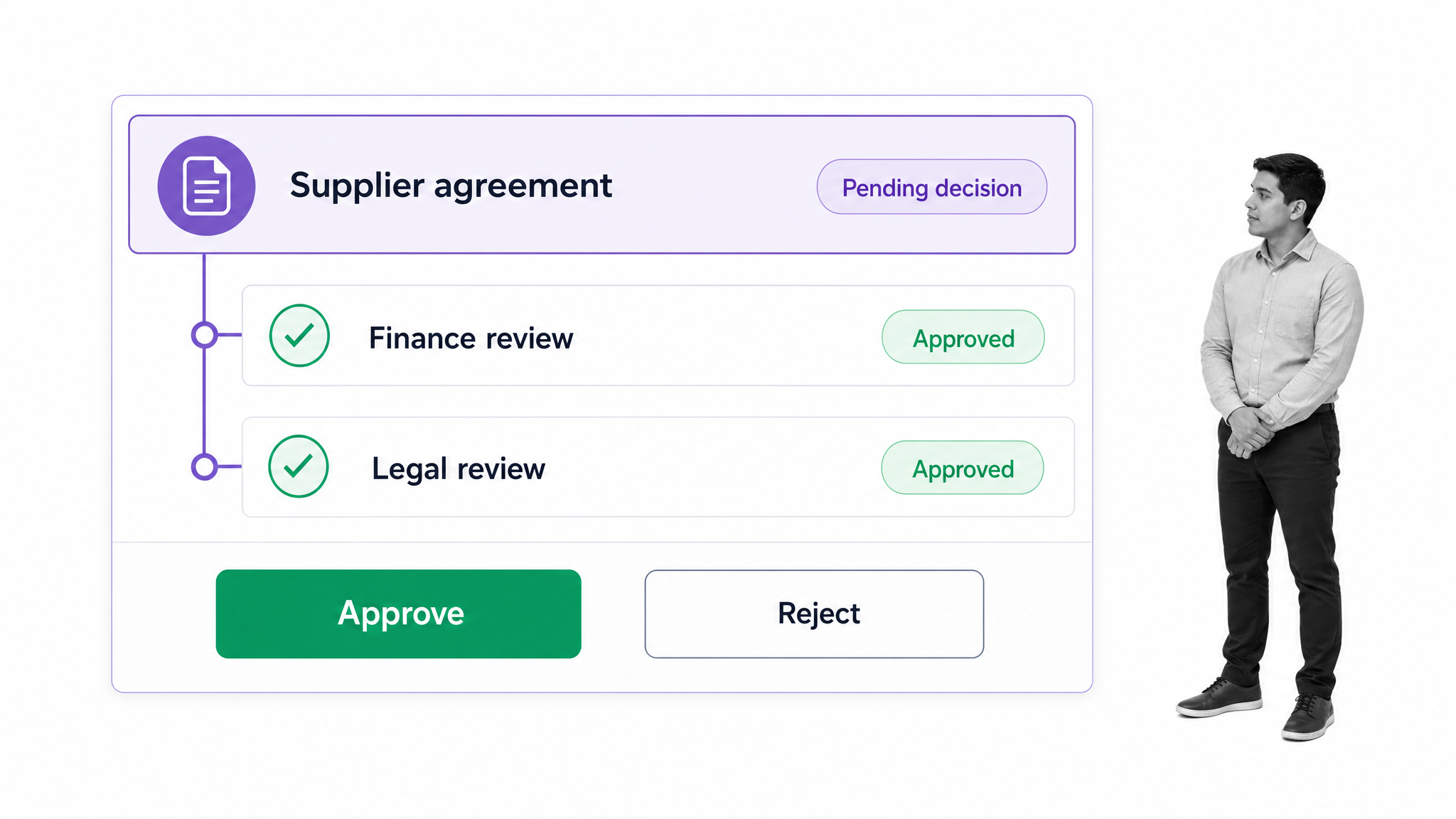
This section of the procurement management plan outlines the approval workflow for different contracts. It specifies the evidence required before final approval, such as cost analysis, supplier due diligence, budget confirmation, and legal review.
This stage of procurement management is made easy using Process Street’s Approvals feature. With this feature, vendor contracts can be reviewed and approved inside one controlled workflow.
The contract structure should match the certainty of the scope, the way risk is allocated, and the evidence required for approval.
6. Establish vendor management
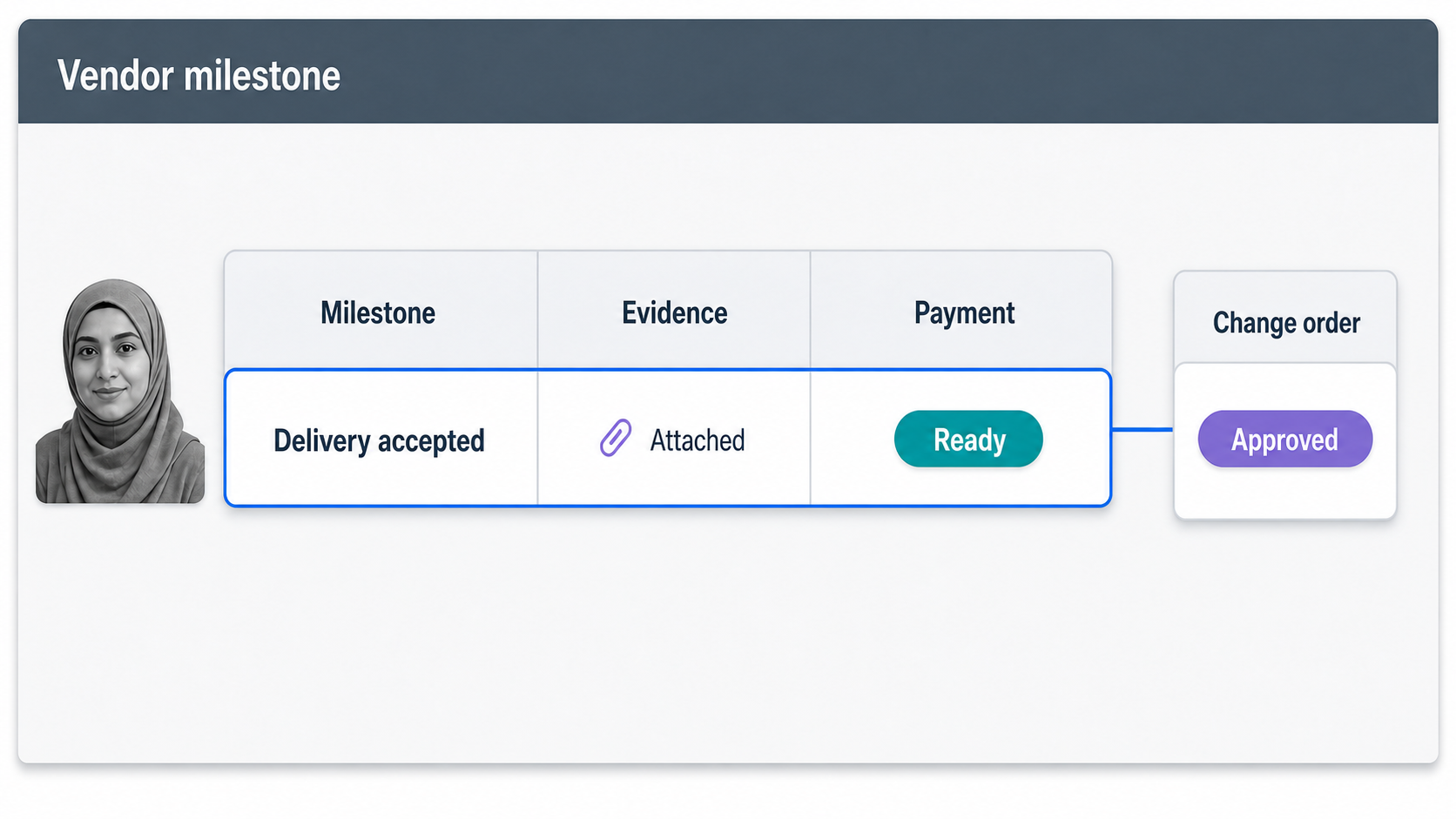
This step specifies strategies and protocols used for vendor management. This way, businesses ensure vendors provide acceptable goods and services within the expected timeline. Moreover, this step may also detail processes for invoice processing, status reporting, and timesheet approval.
Vendors and suppliers usually require payments during the life of the contract, as opposed to at the end of a contract. Scheduled payments are needed as part of the contract, and are usually made based on progress. These are called progress payments.
With progress payments, there’s a defined amount of work to be accomplished in a given time frame, and a quality standard is set for the work to achieve before the contractor is paid.
Vendor management also defines the scope of work to be completed by the vendor.
Often, events will occur that’ll demand changes in the contractor’s scope of work. In these instances, you’ll need a method of managing these changes, which should be detailed in the contract.
That is, for effective procurement management, you’ll need to:
- Capture the changes early.
- Document what changed.
- Document how the change impacted the contract.
- Develop the change order.
7. Review and approve the procurement plan
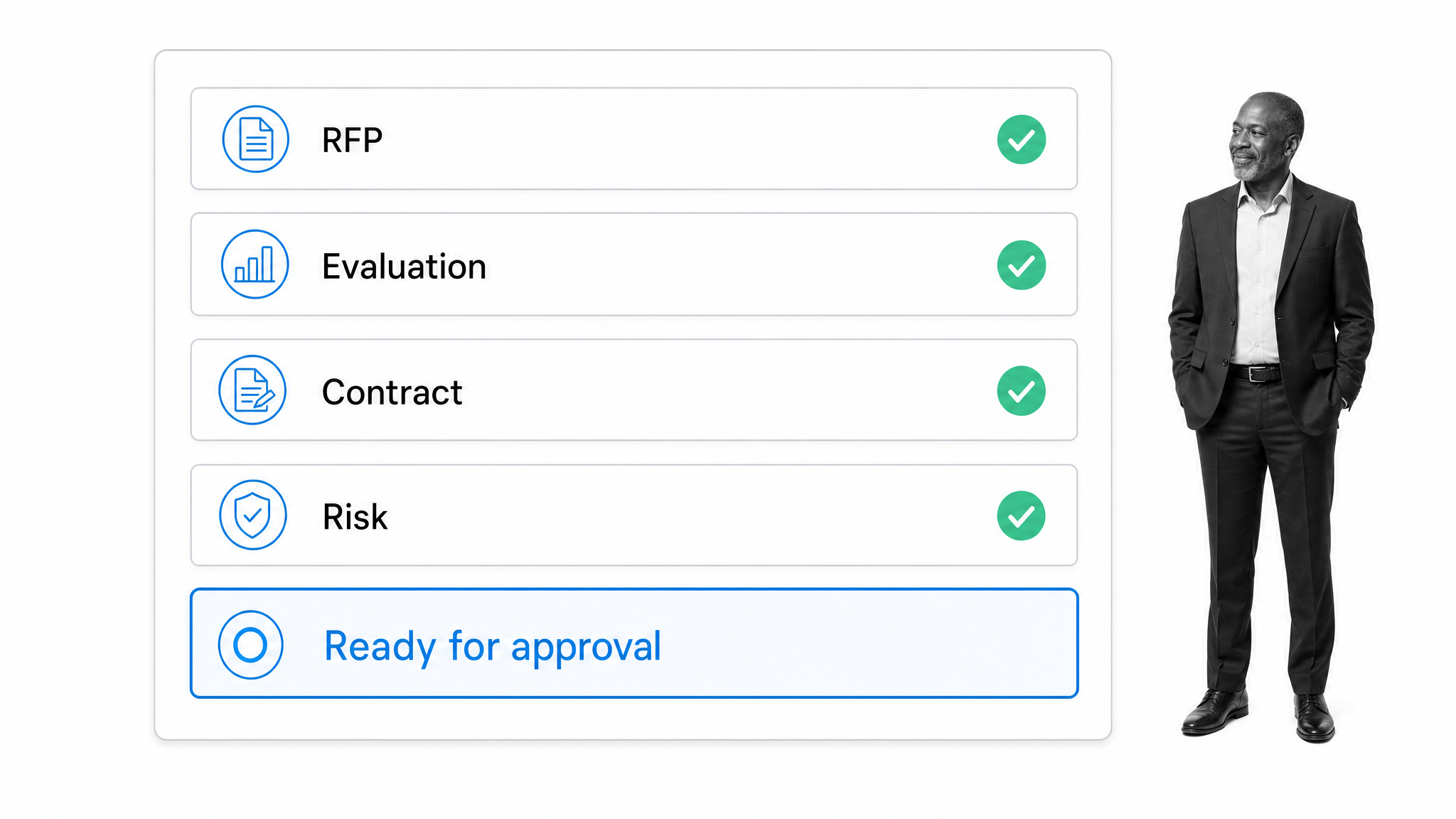
After the decision has been made to purchase goods or outsource services, the final procurement plan needs to be sent for review and approval. This procurement plan should include the following:
- A thorough detail of the relationships and contract approaches for each type of purchased goods or outsourced services.
- Prepared requests for quotes (RFQs), requests for proposals (RFPs), and mapped partnership opportunities.
- A thorough evaluation of RFQs, RFPs, and partnerships.
- Documented awarded and signed contracts, securely stored.
- Mapped quality and timely performance.
- Managed contract changes.
- Documented and securely stored closed contracts.
Contract types
Contract structures vary by market and organization. Two broad categories used in federal acquisition rules are fixed-price and cost-reimbursement contracts. The right choice depends on how clearly the scope and cost can be estimated, who should carry which risks, and what review and change controls the work needs.
- Fixed-price contracts set an agreed price for defined goods or services. They work best when the scope, quality standard, delivery timing, and acceptance criteria are clear. Suppliers typically price in the risk they take, and later changes need disciplined change control.
- Cost-reimbursement contracts repay allowable costs and may add an agreed fee. They fit work whose scope or cost cannot be estimated accurately enough for a fixed price, but they require close cost monitoring, documentation, and approval discipline.
Procurement should test the proposed structure against uncertainty, incentives, audit requirements, budget exposure, delivery risk, and the organization’s capacity to oversee the work. Contract choice does not replace supplier due diligence or active performance management.
Use Process Street to run a controlled procurement management process
Process Street is a Compliance Operations Platform for documenting and running controlled operational processes. It is one product with Docs and Ops capability areas plus built-in AI.
Docs gives teams a governed place to create and maintain procurement procedures, policies, and supporting guidance. Ops turns those instructions into workflows with assignments, forms, due dates, conditional paths, approvals, integrations, and evidence capture. Built-in AI can help teams work with process information while the workflow, permissions, and accountable approvers remain the system of control.
For procurement, that means the same platform can support purchase requests, supplier qualification, contract review, change orders, invoice checks, renewals, and performance reviews. Each workflow run keeps the request, decision, comments, and evidence connected, making handoffs easier to manage and outcomes easier to audit.
Start with the Procurement Process Checklist Template, then adapt the roles, fields, approvals, and integrations to your organization’s policy. Process Street offers a 14-day trial for teams that want to test the workflow with a real procurement process.
The post 7 Steps to Build a Better Procurement Management Process first appeared on Process Street | Compliance Operations Platform.


0 Commentaires