
Starting and running a business is hard enough without repeating the same business mistakes other founders and small business owners have already paid for.
The common thread is not bad luck. Most business mistakes come from unclear ownership, weak cash discipline, poor customer validation, undocumented work, or decisions made without the right expertise.
This list keeps the practical founder advice that still holds up, including lessons from Paul Graham, Joel Gascoigne, and operators who have learned these problems in public. Use it as a checklist for spotting avoidable business pitfalls before they become expensive.
1. Growing your team too quickly
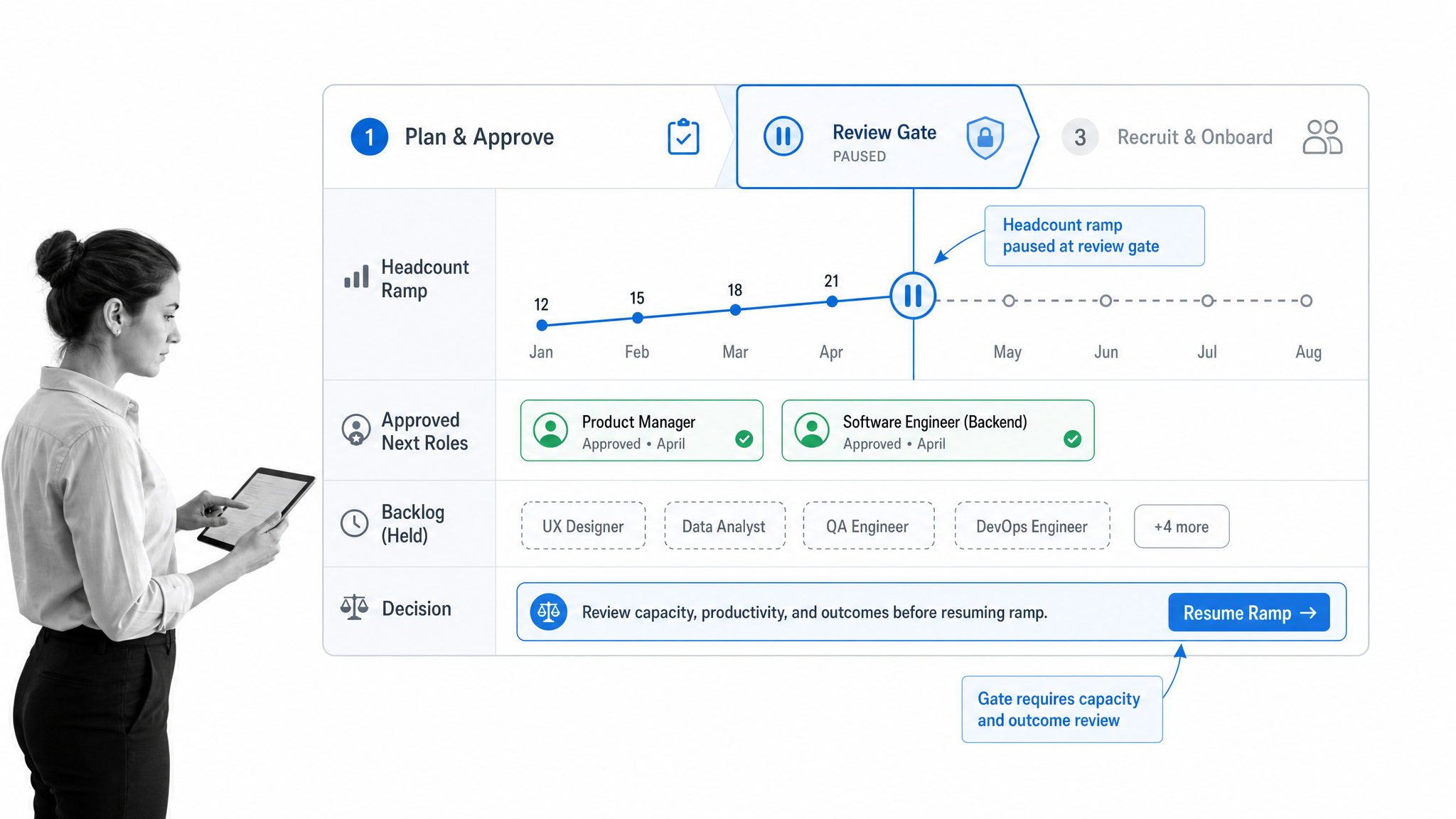
Fast hiring feels like progress, but it can turn a good business into a payroll machine before the revenue is ready. Add people when the work is repeatable, the role is clear, and the cash flow can carry the extra load through a slower month.
Buffer is still the useful warning here. In 2016, the company grew from 34 to 94 people in about a year, then had to cut 10 roles to stay alive. Joel Gascoigne described it plainly: they had moved into a house they could not afford with their monthly paycheck. The mistake was not ambition. The mistake was letting headcount outrun the operating model.
Paul Graham makes the same point from a different angle: as the company grows, more people become employees rather than founders. That shift is normal, but it changes the culture. Hire for the next constraint, not for the feeling that a bigger team makes the company safer.
2. Hiring for expense instead of expertise
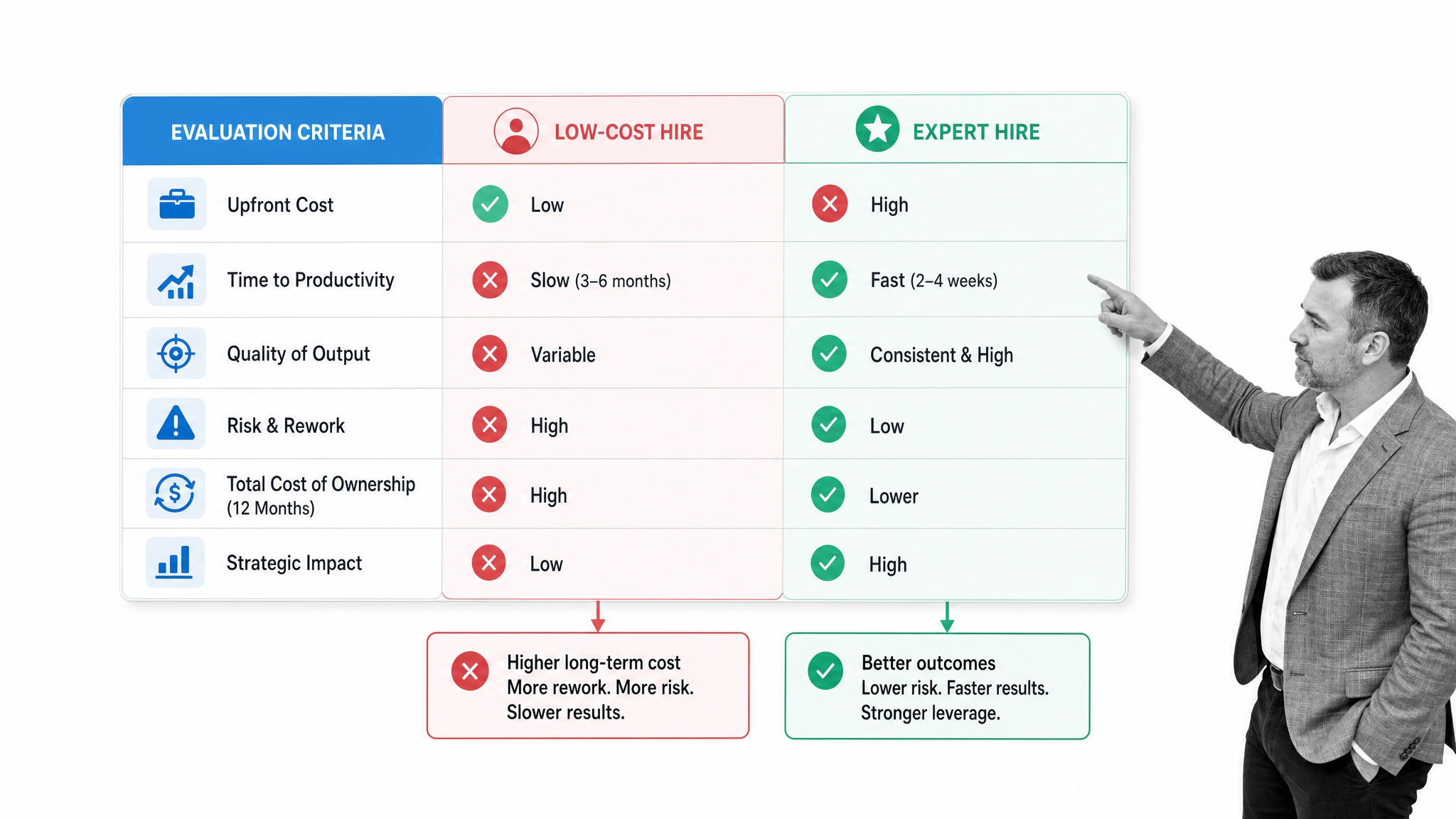
Cheap hiring becomes expensive when the work has to be redone, managed around, or replaced. A lower salary does not help if the person cannot own the outcome you hired them for.
The better question is not, ‘Who costs least?’ It is, ‘Who reduces the most risk?’ For a role that touches customers, finances, operations, security, or product quality, experience and judgment usually pay for themselves quickly. That does not mean overpaying for pedigree. It means defining the outcome, checking evidence, and hiring the person most likely to produce it without constant rescue.
If the budget is tight, reduce the scope before you reduce the bar. Hire one strong person for a critical job, use contractors for narrow tasks, or delay the hire until the role is crisp enough to evaluate.
3. Raising salaries instead of equity
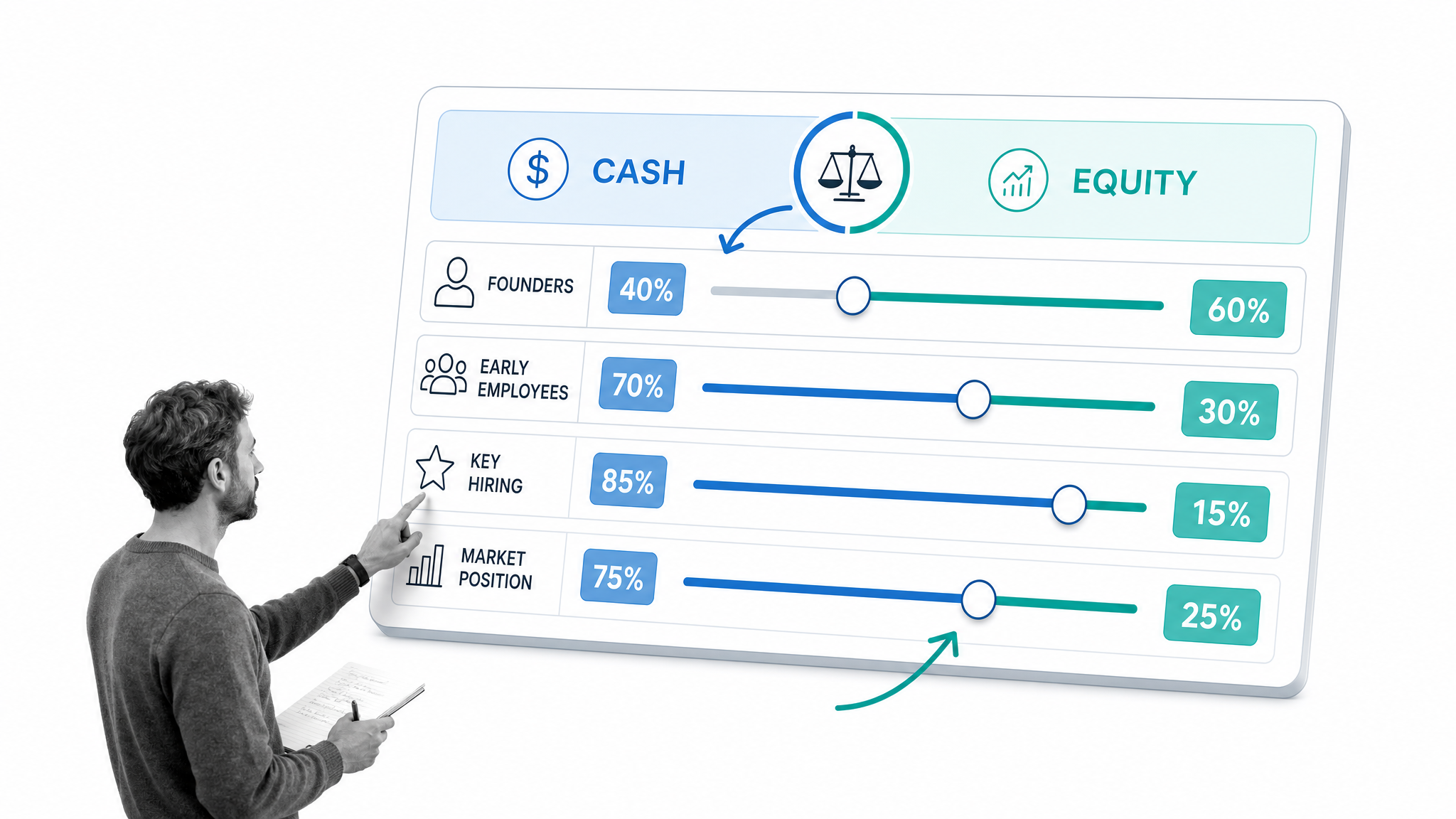
Compensation is not just a cost. It is a signal about what kind of commitment you expect. Early companies often cannot compete with larger employers on salary alone, and trying to do so can drain cash that should be used to reach the next milestone.
Equity can help align incentives, especially for early team members who are taking real risk with you. But it is not a universal substitute for fair pay, and it should not be used to paper over a weak compensation plan. The mistake is treating salary, equity, bonuses, and growth opportunities as separate levers instead of one coherent retention strategy.
Use equity deliberately. Make the tradeoff clear, document the terms, and make sure the person understands the risk. A vague promise of upside is not alignment. It is future conflict.
4. Going for niches instead of great ideas
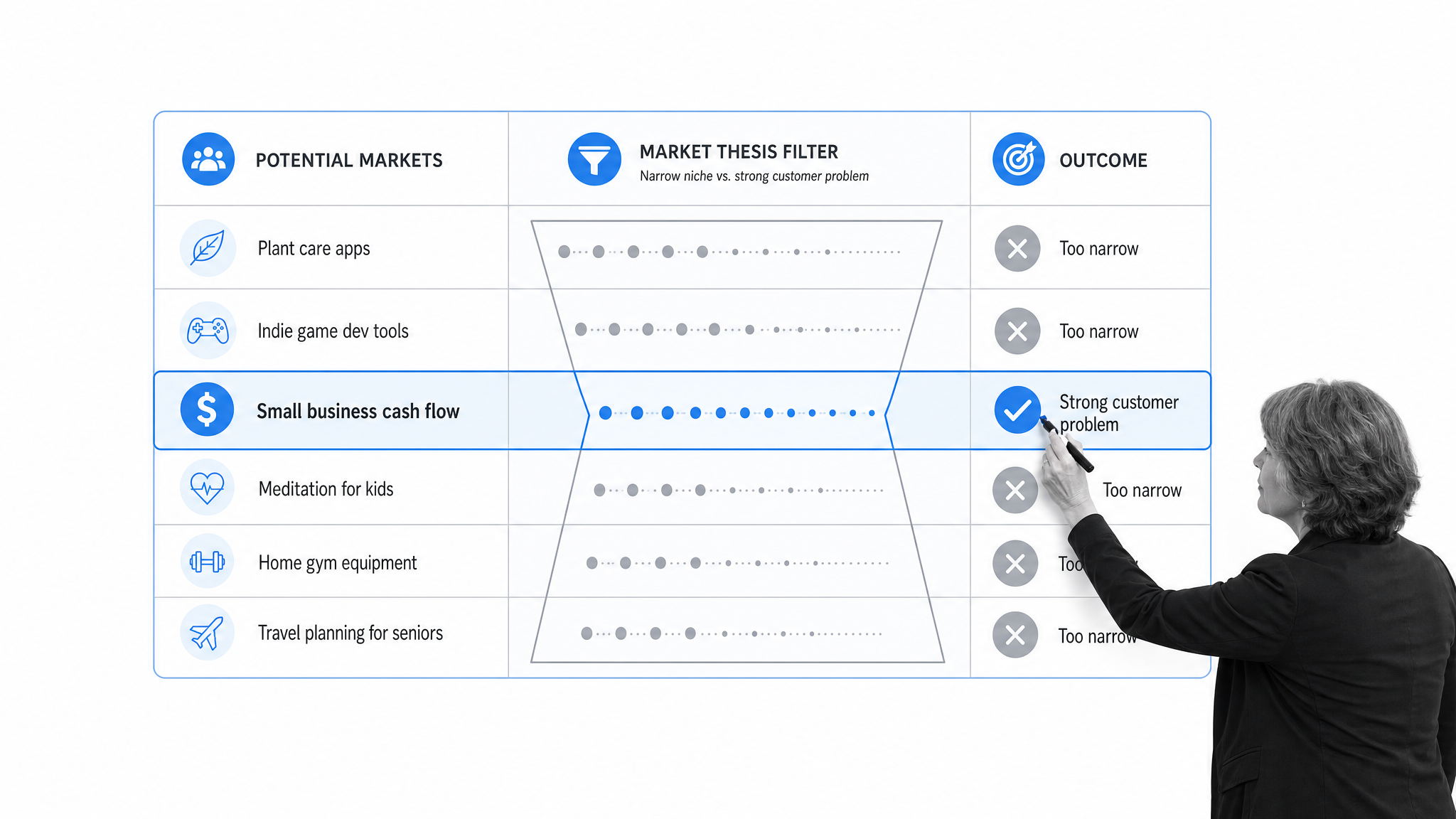
A niche can be a brilliant wedge. It becomes a trap when the only reason for choosing it is that nobody else seems to be there. Low competition can mean hidden opportunity, but it can also mean weak demand.
The stronger move is to validate the customer problem before you celebrate the empty market. Talk to buyers. Watch how they solve the problem now. Check whether the pain is frequent, expensive, and urgent enough to support a business. If the niche is real, you should be able to name the buyer, the trigger, the budget, and the expansion path.
Small markets work when they are a starting point. They fail when they are an excuse to avoid hard competition.
5. Starting in a bad location

Location matters less than it used to, but it has not disappeared. Remote work changed the office equation. It did not remove the importance of customer access, hiring pools, regulation, time zones, suppliers, and investor or partner networks.
For some businesses, the right location is a physical hub. For others, it is a deliberate remote setup with clear operating rhythms. A manufacturing company, local service business, regulated practice, or field team has different constraints than a SaaS company. Treat location as an operating decision, not a status symbol.
Before committing, map the advantages you need: talent, customers, capital, suppliers, compliance environment, and cost. A famous hub is useful only if it helps your specific business move faster.
6. Refusing to pivot
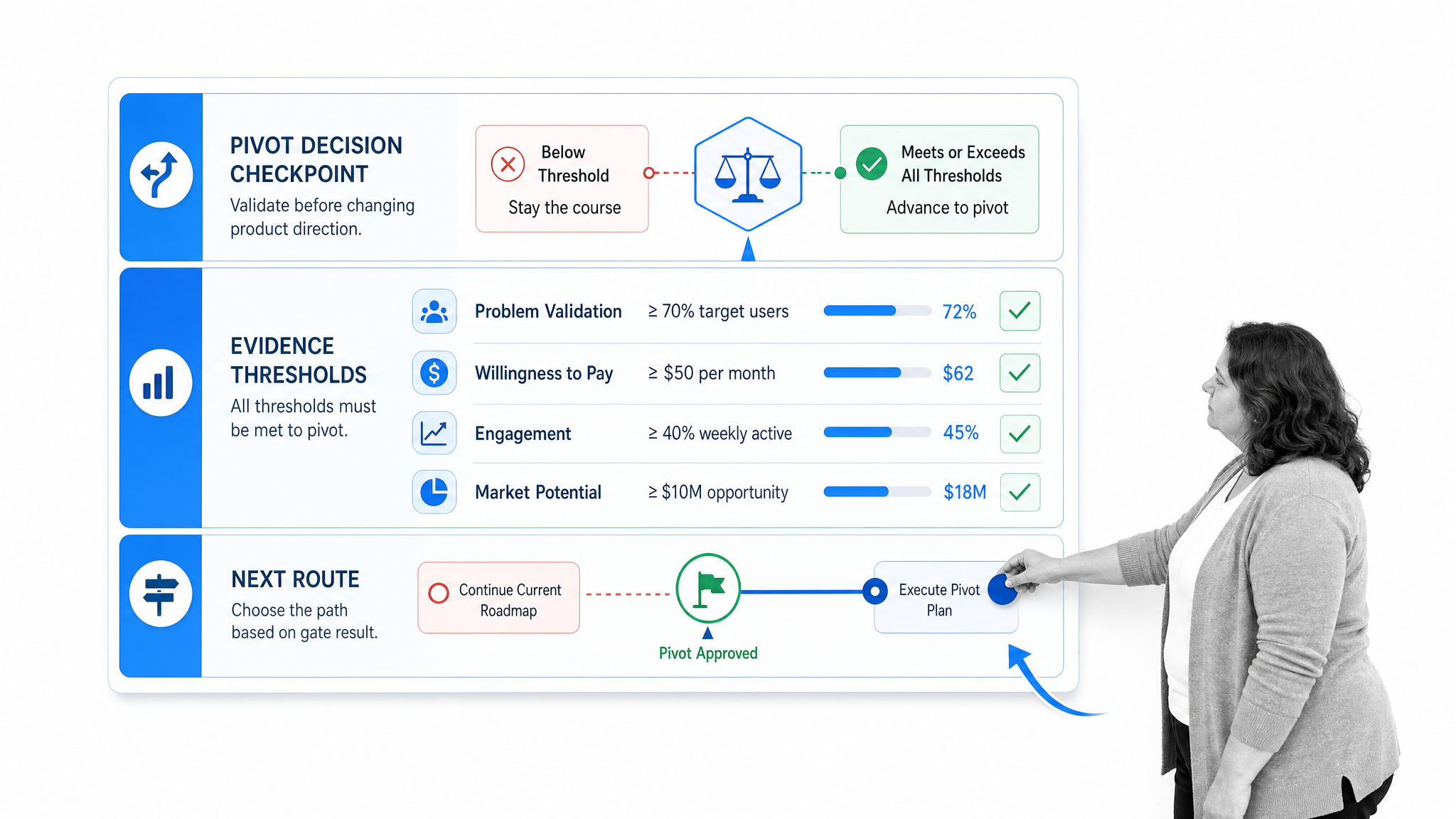
Sticking with a plan is useful until the evidence says the plan is wrong. Refusing to pivot turns conviction into denial.
The best signal usually comes from customers. Are they using the product the way you expected? Are they paying for the problem you thought mattered? Are they asking for something adjacent that is clearly more valuable? A pivot does not always mean starting over. Often it means keeping the insight, customer base, or technical foundation and changing the offer around what the market is actually telling you.
Set pivot rules before emotion takes over. Decide what evidence would change your mind, who gets a say, and how long you will test before redirecting resources.
7. Having only short or long-term goals
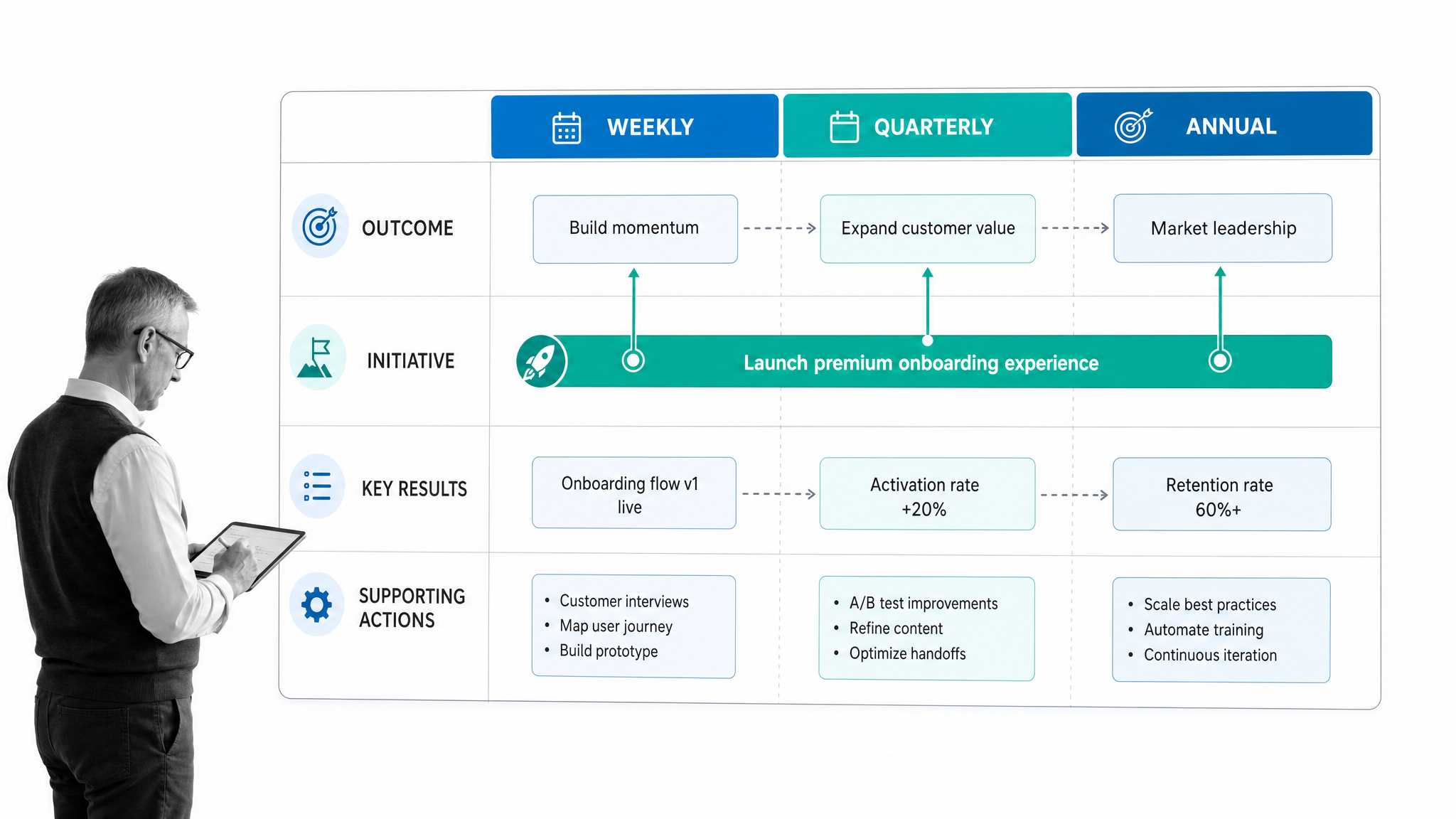
Short-term goals without a long-term direction create busywork. Long-term goals without short-term commitments create fantasy. You need both.
A five-year ambition gives the business a direction of travel. Quarterly and weekly targets turn that direction into tradeoffs. Without the long view, you optimize for whatever is loudest this week. Without the short view, the team cannot tell whether the strategy is working.
Keep the system simple. Define the long-term outcome, pick the next milestone, assign owners, and review progress often enough that misses are visible while they can still be fixed.
8. Lacking accountability

Accountability is not a personality trait. It is an operating system. People need to know what they own, what done means, who depends on them, and what happens when the work stalls.
The practical version is simple: every important task has an owner, a due date, a source of truth, and a visible status. Dependencies should be explicit. If a delay in finance blocks a customer launch, the launch owner should not discover that after the deadline passes.
Meetings can help, but meetings are not the system. Put accountability into the workflow itself so ownership, proof, and escalation are part of how work gets done.
9. Having one founder
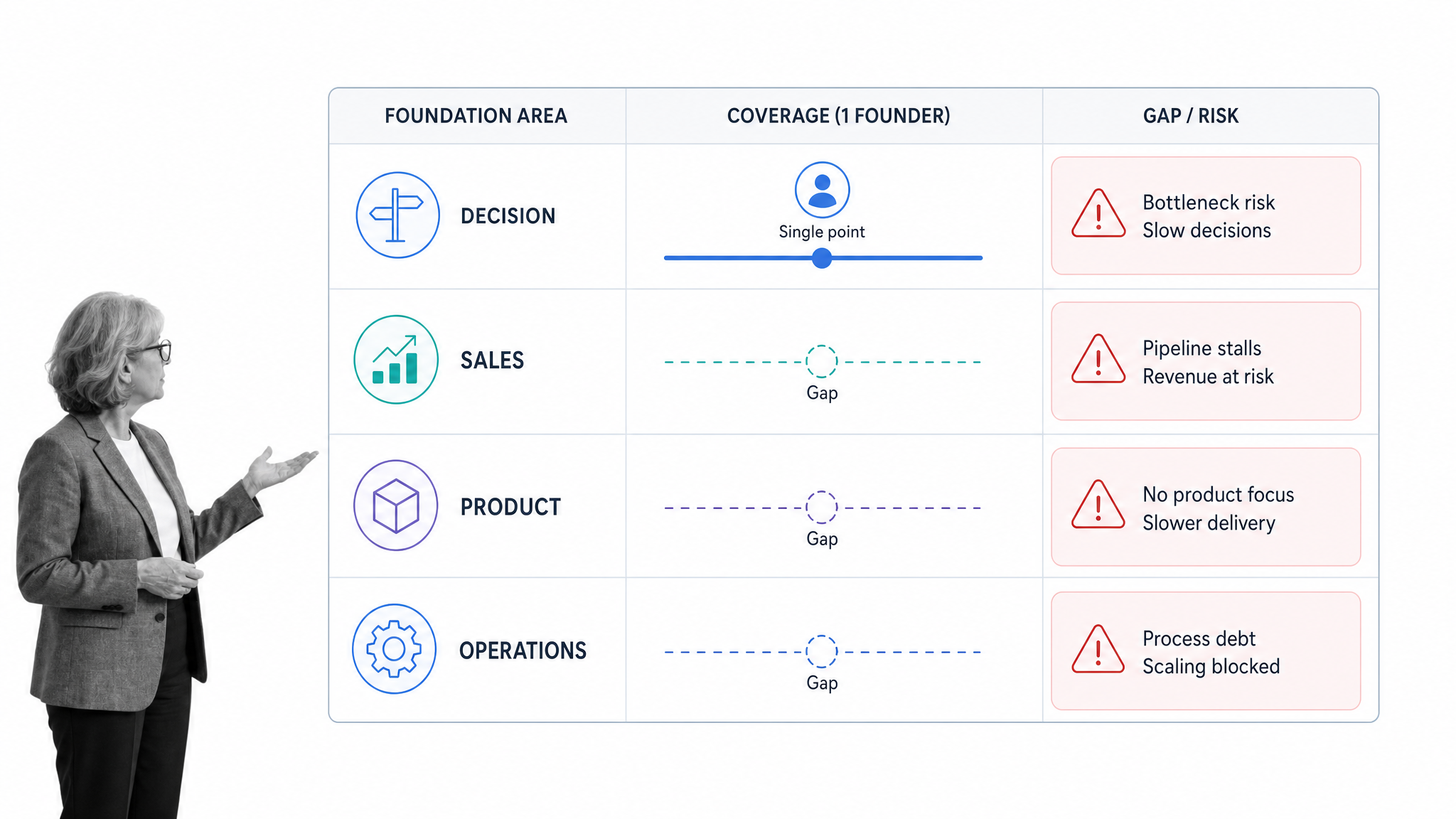
A solo founder can build a strong company, but the risk is real. Starting a business means sales, product, finance, hiring, legal, operations, and emotional endurance arrive at once. One person can carry that for a while. Very few can carry it forever.
Paul Graham has long argued that investors worry about solo founders because it can signal that nobody else was convinced enough to join. That is not always fair, but the underlying concern is practical. A co-founder gives you complementary judgment, shared load, and someone who will challenge bad assumptions before the market does.
If you are solo, compensate deliberately. Build a strong advisor bench, hire operators who own outcomes, and create decision routines that force outside input.
10. Not setting boundaries with co-founders/partners
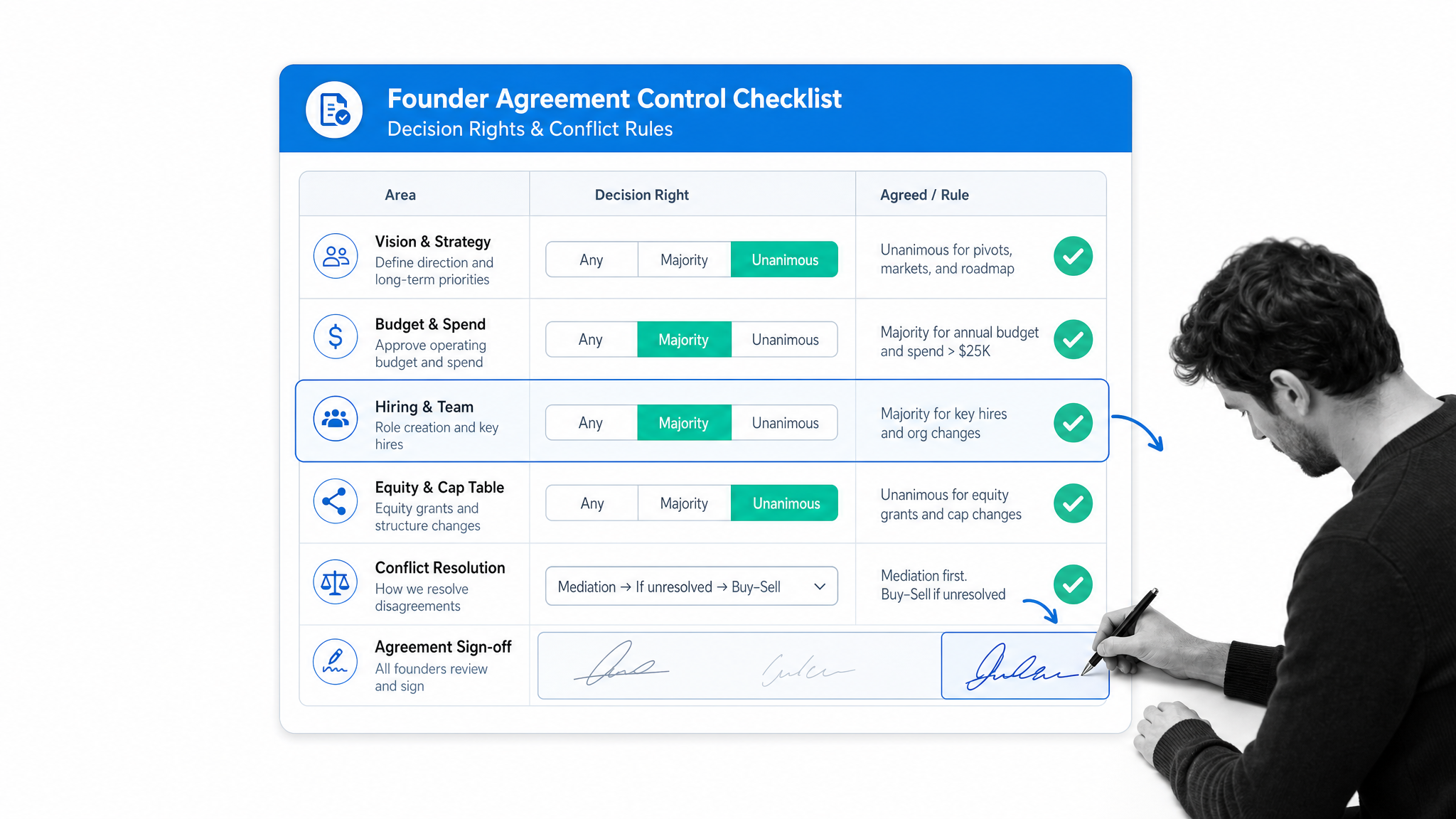
Co-founders and partners need trust, but trust works better with clear boundaries. Ambiguity around decision rights, ownership, roles, spending authority, and conflict resolution turns small disagreements into company-level distractions.
Write the rules down early. Who makes product calls? Who owns hiring? Who can approve expenses? What requires unanimous consent? What happens if one person wants out? These conversations feel awkward when everything is going well, which is exactly why they should happen then.
The document can evolve. The mistake is waiting until pressure is high and every clause feels personal.
11. Launching too slowly
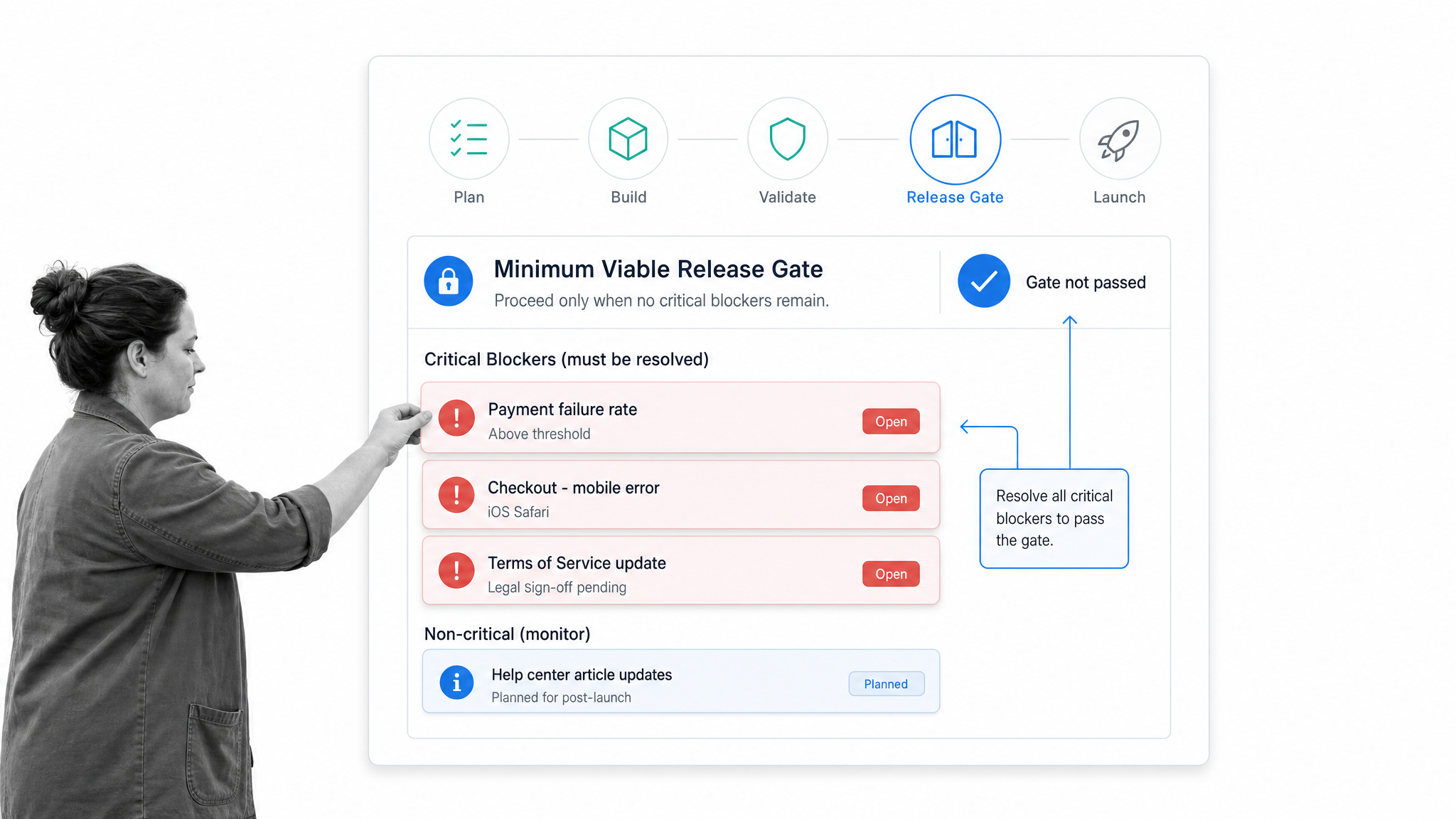
Planning matters, but the market cannot react to something it cannot see. If you wait for the perfect launch, you give yourself too much room to polish assumptions instead of testing them.
Launch when the product or service is useful enough to create real feedback. That does not mean shipping broken work. It means defining the minimum version that solves a painful problem, setting a deadline, and learning from real users as soon as you can.
A launch date also creates focus. It forces decisions about what matters now, what can wait, and what is just fear disguised as quality control.
12. Not documenting (and maintaining) processes
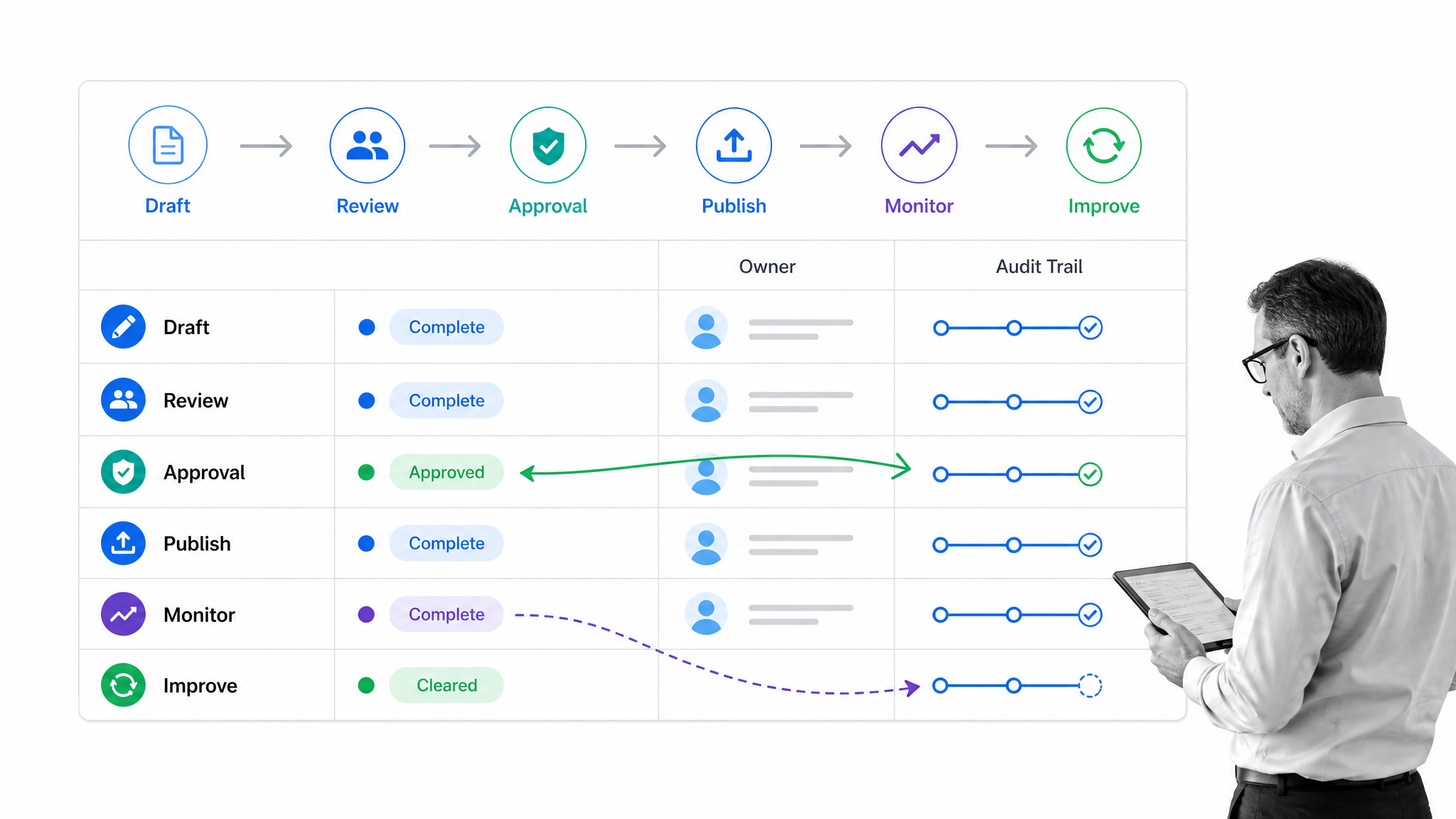
Undocumented work breaks as soon as the person who knows the workaround is unavailable. That is one of the most common business mistakes because it hides inside normal operations until something goes wrong.
Strong companies turn recurring work into documented SOPs, assigned workflows, approvals, and proof. That is where process documentation matters: it captures how work should happen, who owns each step, and how the business knows it was done correctly.
Process Street is a Compliance Operations Platform built for this. Docs governs the procedure, Ops runs the workflow, and Cora monitors execution so missed steps, stale procedures, and compliance risk surface before they become bigger problems. The goal is not documentation for its own sake. The goal is work that runs the right way every time.
13. Doing everything yourself
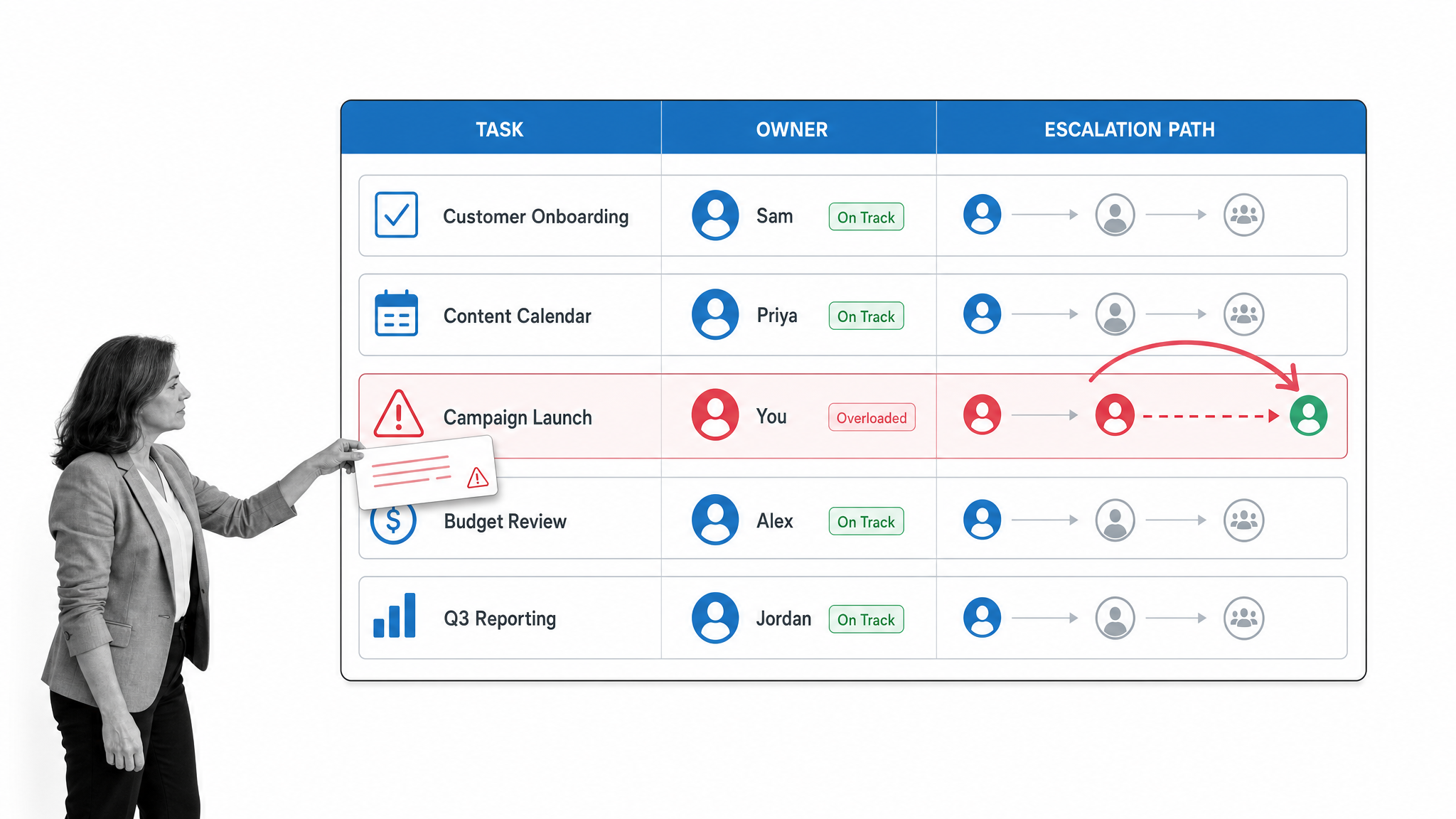
Doing everything yourself feels responsible until it becomes the bottleneck. Founders and managers often hold onto work because they can do it faster than teaching someone else. That is true once. It is false at scale.
Audit your tasks. Keep the work that truly needs your judgment. Delegate, outsource, automate, or document the rest. If a task repeats, it should become a process. If a task requires expertise you do not have, pay someone who has it. If a task drains time without improving the business, question whether it should exist at all.
The business cannot grow past the work you refuse to let go of.
14. Sacrificing quality for action speed
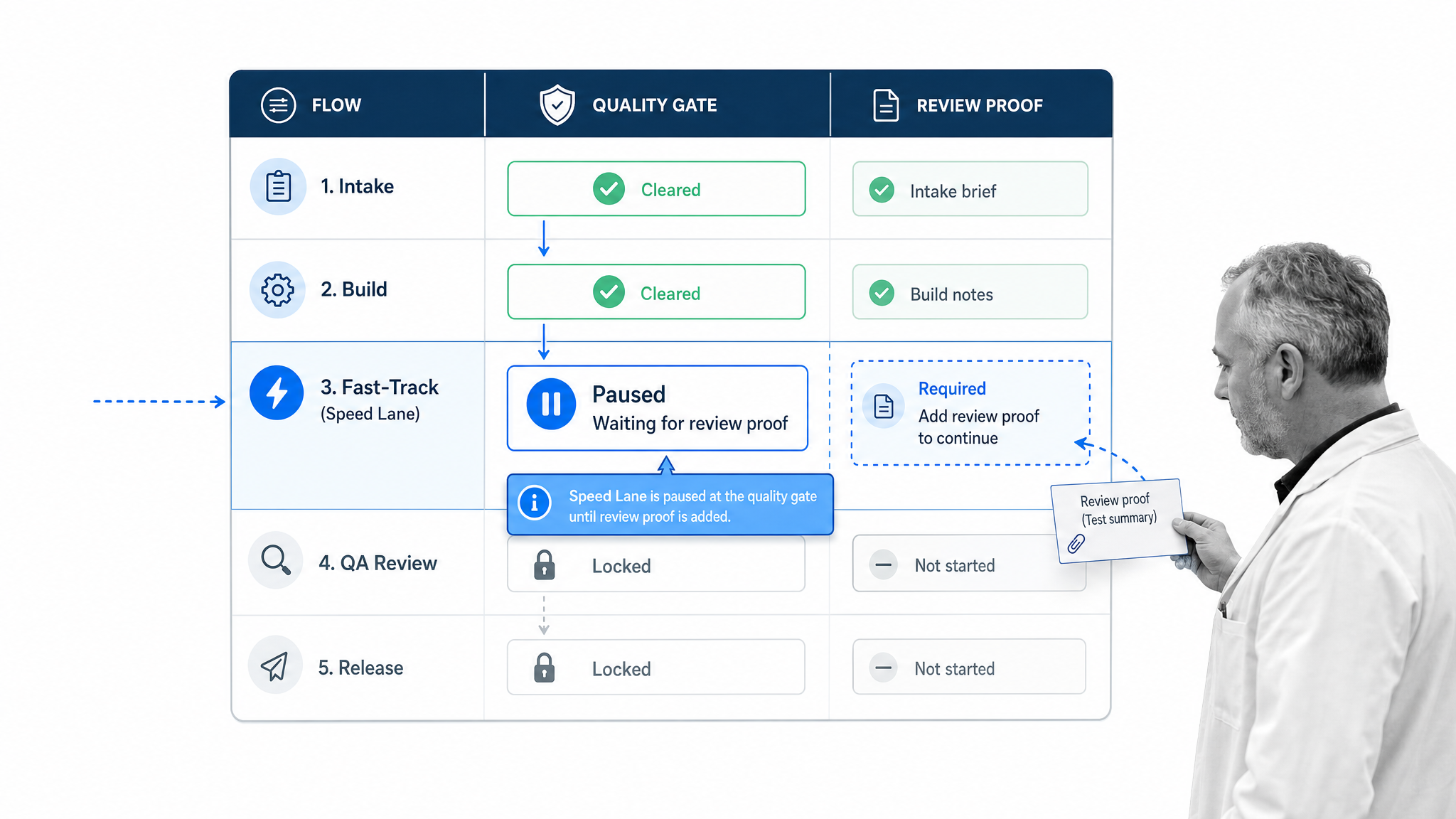
Speed is useful only when the work survives contact with customers. Moving fast and creating preventable defects is not execution. It is rework with a louder launch.
The answer is not to slow everything down. It is to define quality gates before speed becomes an excuse. What has to be true before something ships? Which errors are acceptable? Which are never acceptable? Who can stop the release? The clearer those rules are, the faster the team can move without arguing over every decision.
Momentum matters, but quality is part of momentum. Customers do not separate the speed of delivery from the reliability of what they receive.
15. Having no specific audience in mind
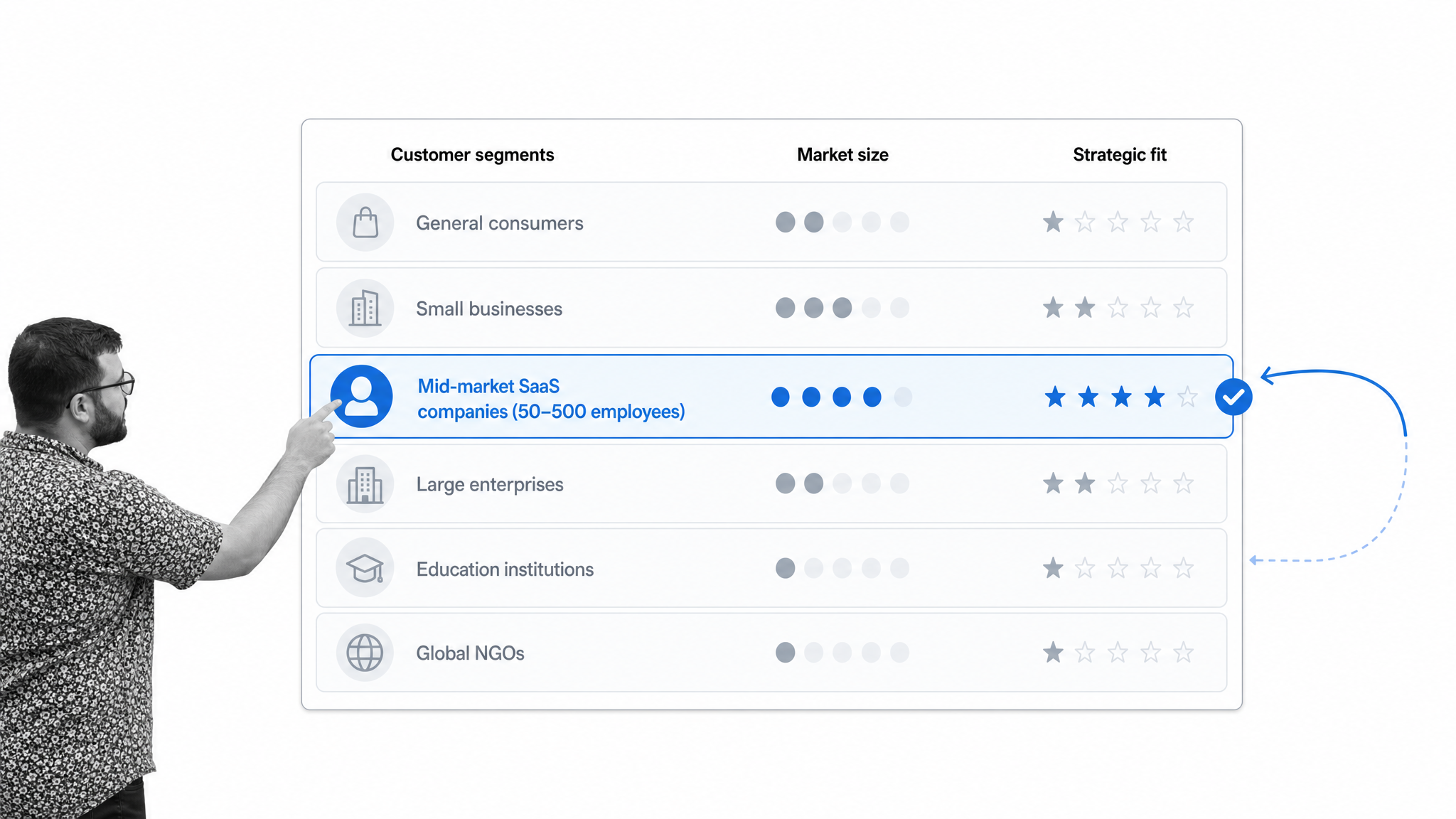
A business without a specific audience wastes effort because every decision has too many possible answers. Messaging, product, pricing, support, and sales all get sharper when you know exactly who you are building for.
Do not settle for a vague persona like ‘small businesses’ or ‘busy teams.’ Name the buyer, the job, the trigger, the pain, and the alternative they use today. If you already have customers, talk to them. Look for patterns in who gets value quickly, who churns, who pays without drama, and who refers others.
Building for yourself can be a useful start, but it is not enough. Your own taste is evidence. It is not the market.
16. Ignoring the competition
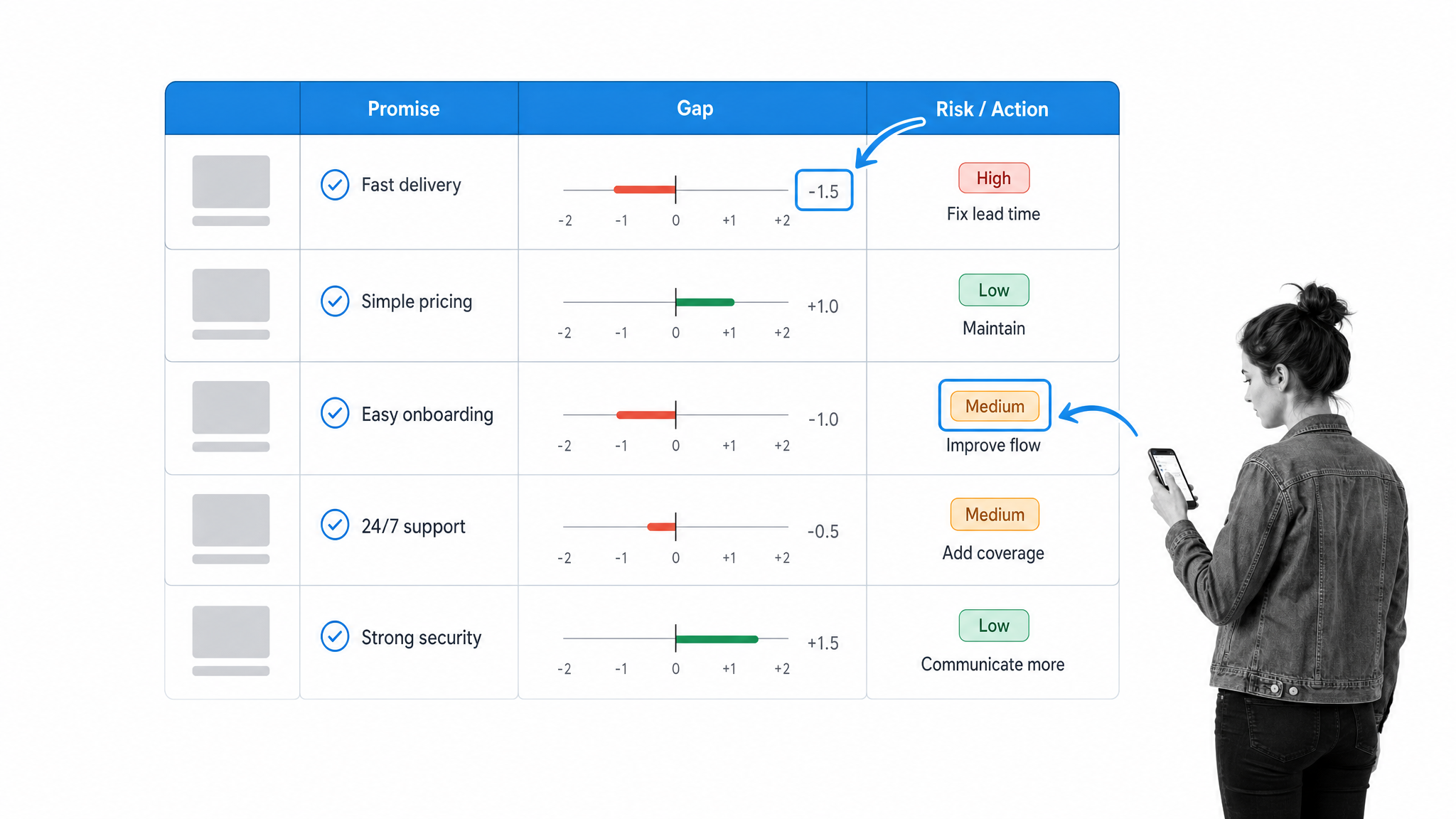
Ignoring competitors does not make you original. It makes you easier to surprise.
The point is not to copy every move they make. That keeps you behind. The point is to understand how customers compare options, what promises competitors make, where they are strong, and where they leave gaps. A competitor can teach you which objections matter, which features buyers expect, and which positioning is already crowded.
Review the market on a schedule. Track pricing, messaging, packaging, customer complaints, and product changes. Then decide where to match, where to differ, and where to ignore the noise.
17. Losing momentum
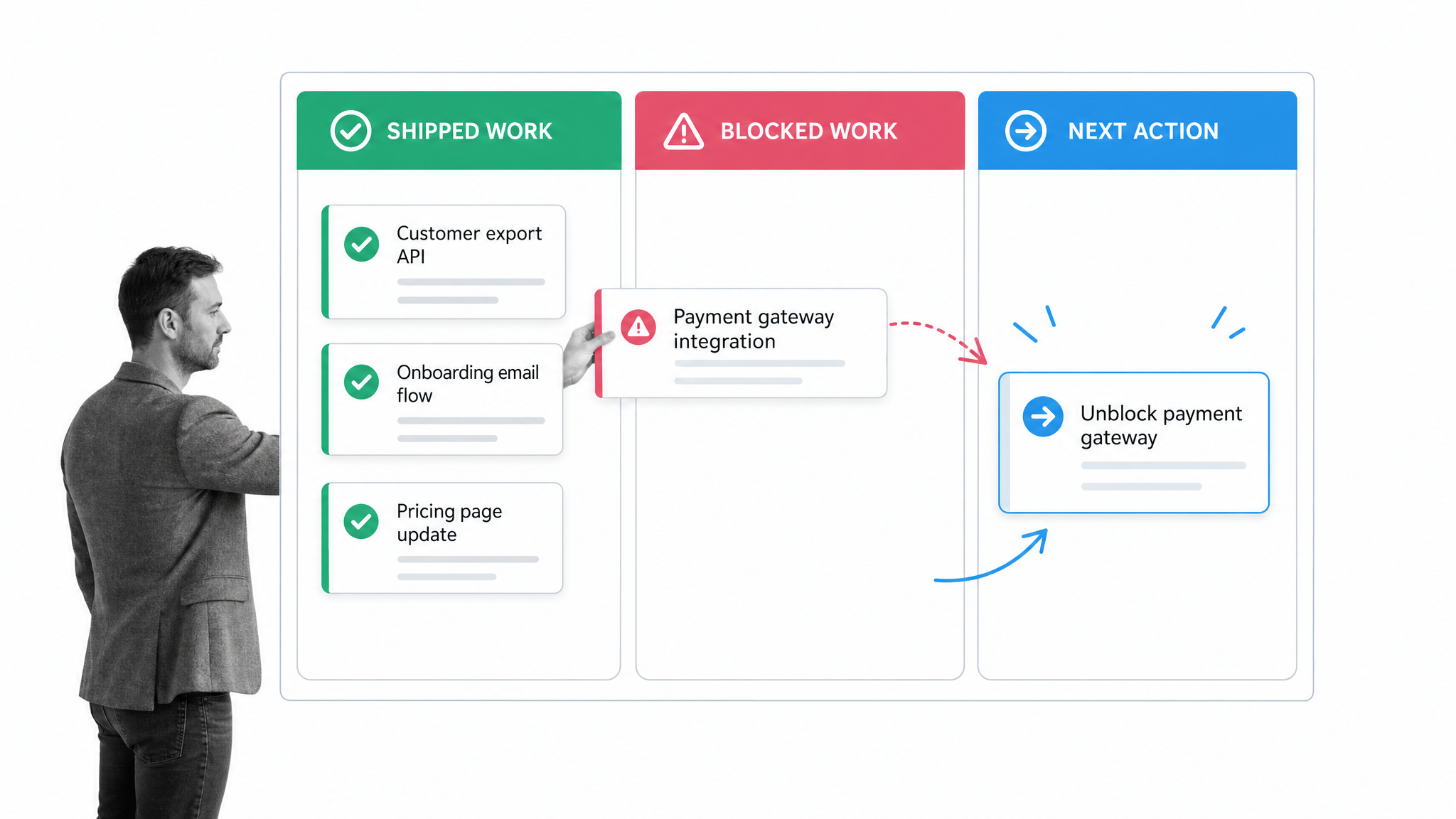
Momentum is easier to waste than to create. A launch, partnership, feature release, funding announcement, or customer win opens a window. If nobody owns the follow-through, that window closes quickly.
Before a major push, define the next actions. Who follows up with customers? Who contacts partners? Who repurposes the launch into sales material, content, enablement, or onboarding? What is the next offer? The work after the event is often where the value is captured.
Ask one question before every important release: what would make this effort compound instead of disappear?
18. Burning cash too quickly

Cash burn is not just a finance metric. It is the time you have left to learn, sell, build, and correct mistakes.
Some spending is necessary. Hiring, product development, inventory, legal work, and marketing can all be smart investments. The mistake is spending without a clear runway model and a clear reason each expense brings the business closer to durability. If the business does not yet have predictable revenue, cash discipline matters even more.
Review burn in terms of decisions, not guilt. Which costs create learning or revenue? Which costs exist because nobody wanted to say no? Which commitments would be painful to unwind if the plan changes?
19. Not paying for expert advice
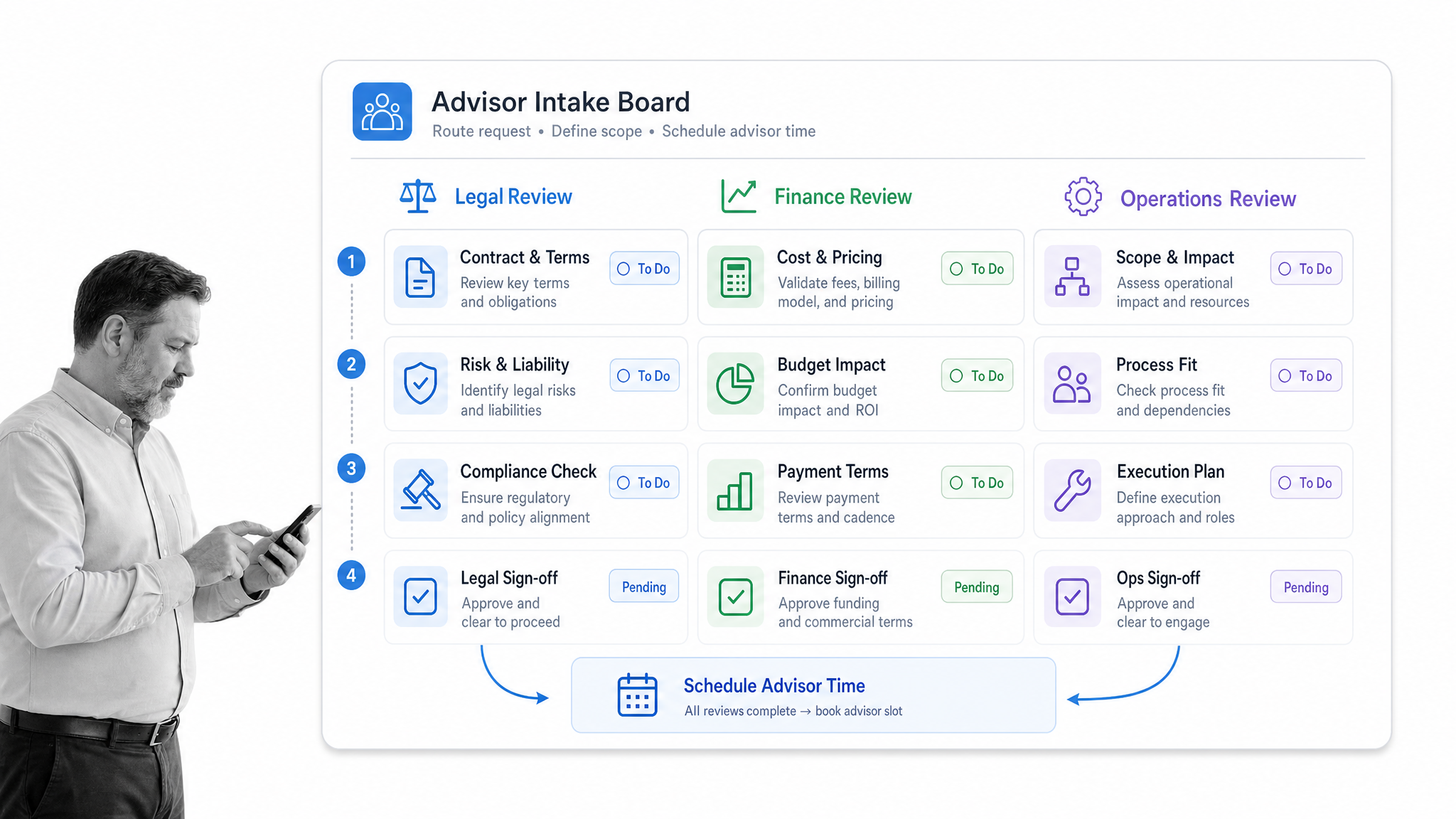
Saving money on expert advice can be expensive. Legal, accounting, tax, compliance, security, and hiring mistakes often cost far more to fix than they would have cost to prevent.
That does not mean hiring expensive consultants for every decision. It means knowing which decisions carry asymmetric downside. Entity structure, employment contracts, IP ownership, taxes, regulated operations, and major financing decisions deserve qualified help. A short paid review can prevent months of cleanup.
The best experts do more than answer questions. They show you which questions you did not know to ask.
20. Lacking transparency
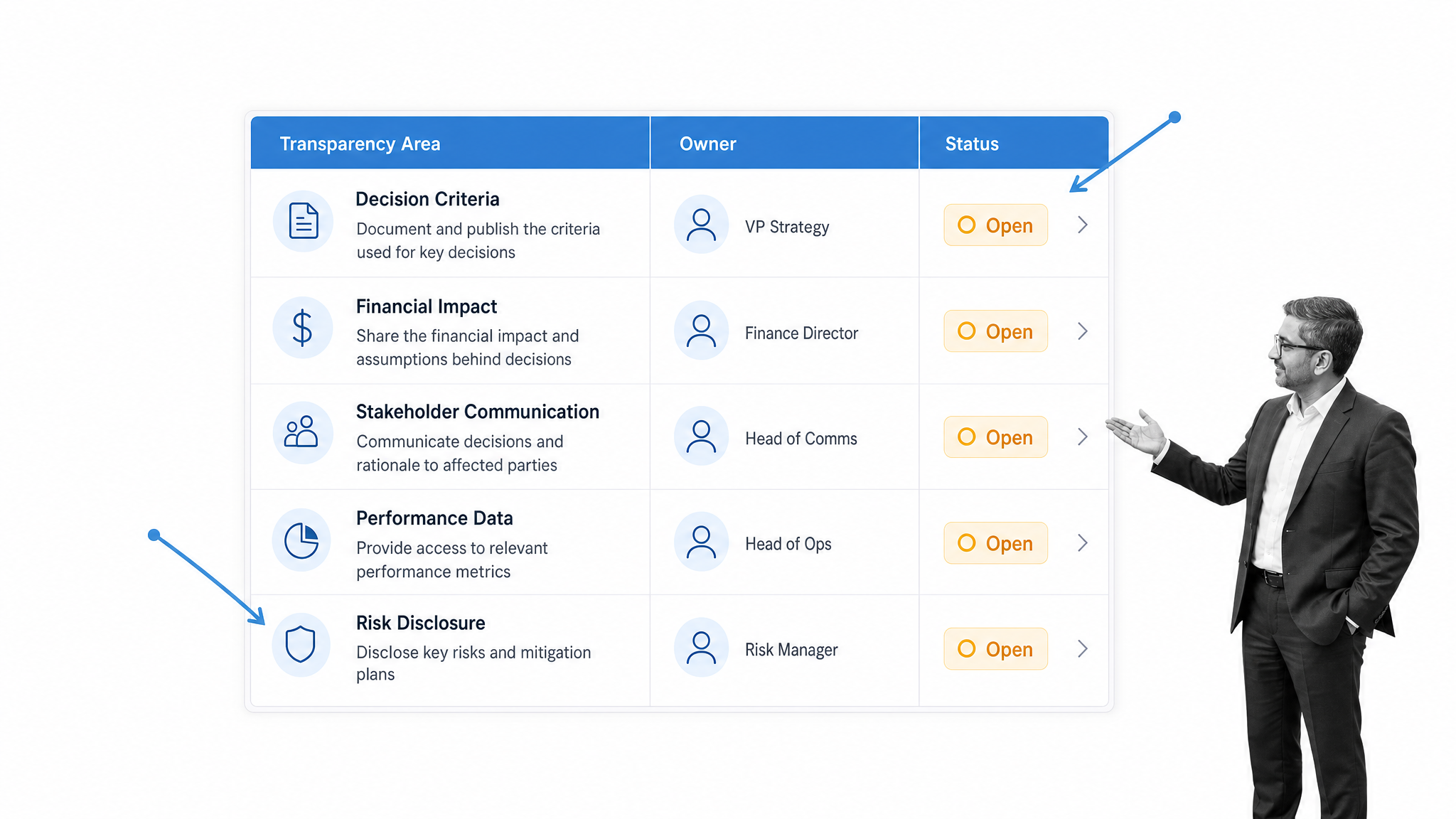
Transparency reduces confusion. When employees, customers, and partners understand what the business values, what is changing, and why decisions are made, they can act with more confidence.
That does not mean exposing everything. Salaries, legal matters, customer data, and sensitive strategy need judgment. The mistake is hiding information that people need to do good work or trust the company. Clear pricing, honest customer communication, visible goals, and direct internal updates all reduce the rumor tax.
Transparency works when it is consistent. Share the useful truth early enough that people can respond to it.
21. Avoiding NDAs
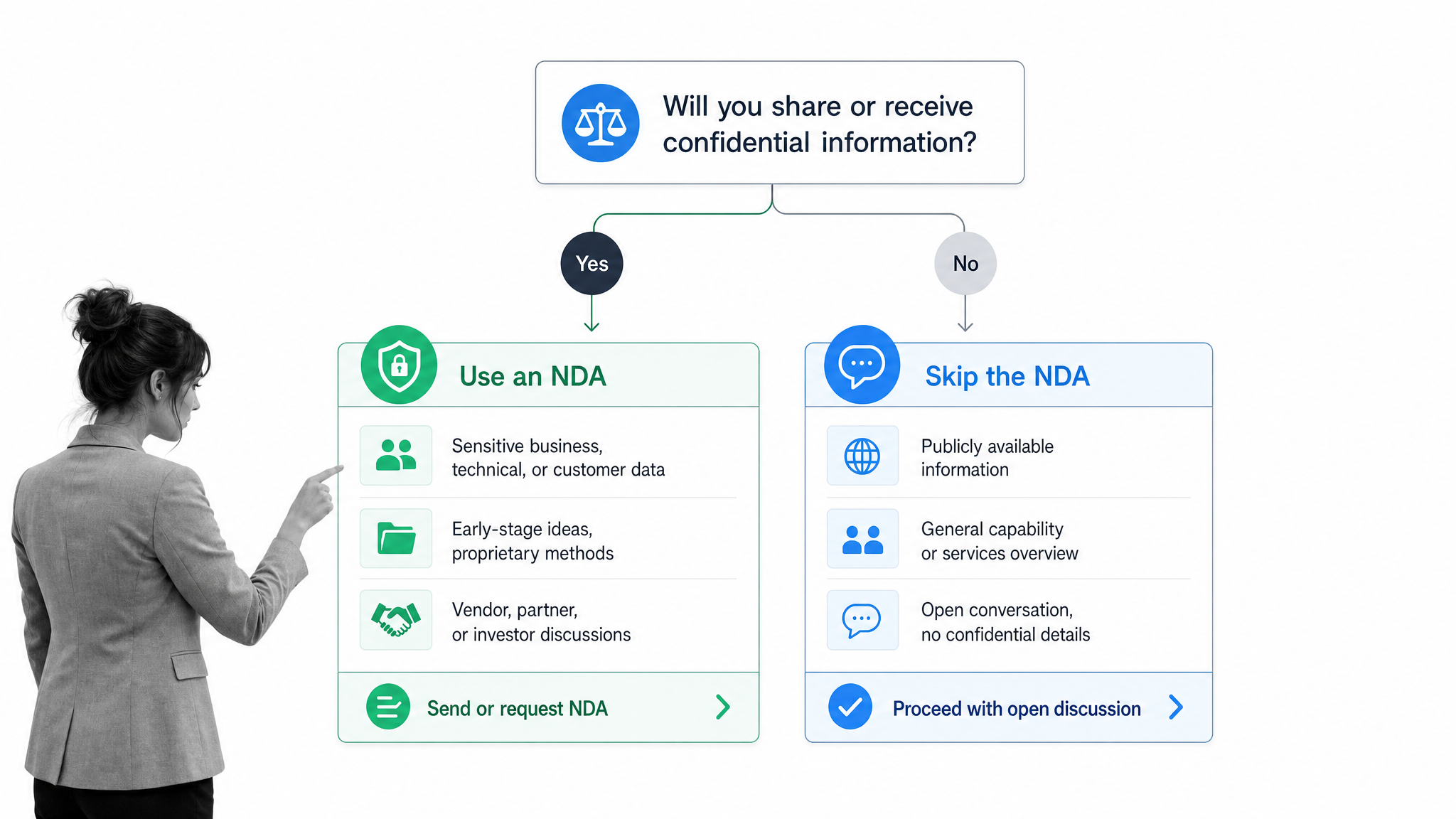
Confidentiality should not be an afterthought. If you are sharing sensitive product plans, customer information, financial data, acquisition discussions, or technical details, an NDA can be a useful guardrail.
The mistake is using no confidentiality process at all, then hoping trust will do the job. The opposite mistake is using NDAs so aggressively that nobody can give feedback, evaluate a partnership, or help you refine the idea. Use them where the information is genuinely sensitive, and get proper legal advice for the template and the context.
A good confidentiality process protects the business without turning every conversation into a legal standoff.
22. Not using patents and trademarks
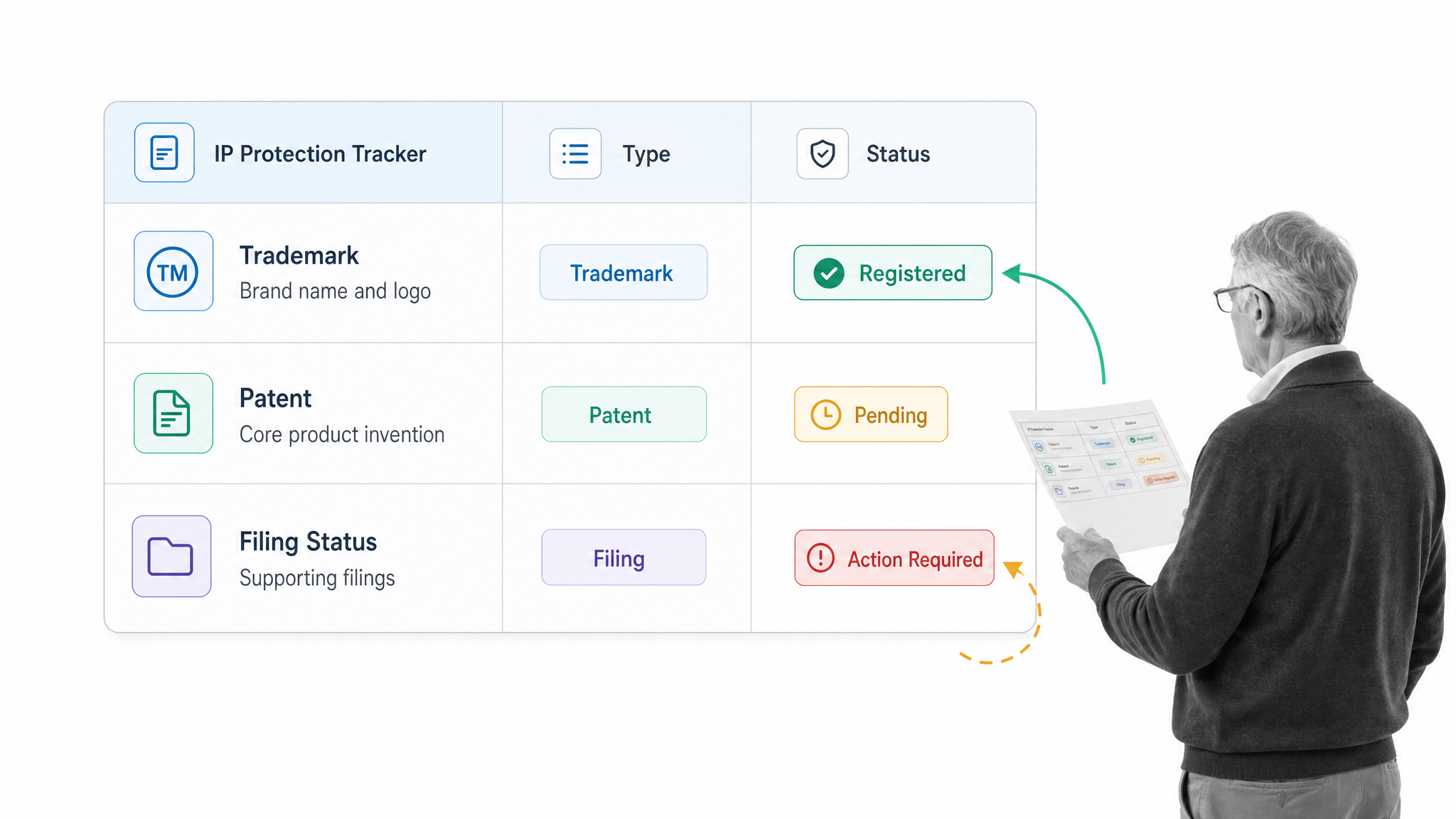
Intellectual property protection is not only for giant companies. Names, logos, product inventions, proprietary methods, and creative assets can become valuable long before the business feels large.
Patents and trademarks have tradeoffs. They cost money, take time, and are not always the right move. But ignoring the question entirely is risky, especially if your brand, invention, or market position is becoming important. Competitors, copycats, and disputes are easier to handle when ownership is clear.
Talk to a qualified lawyer about what is worth protecting, when to file, and what records to keep. The point is not to patent everything. The point is to avoid discovering too late that a core asset was never protected.
Don’t fall prey to these business mistakes
Avoiding these business mistakes will not guarantee success. You still need a strong offer, real demand, solid execution, and enough cash to keep learning.
But the mistakes above are mostly preventable. Grow at a pace the business can support. Hire for outcomes. Validate the market. Document recurring work. Protect the legal and financial foundations before they become emergencies.
The businesses that survive are not the ones that avoid every error. They are the ones that catch mistakes early, learn fast, and build systems so the same problem does not happen twice.
How to check your business before the mistake becomes expensive
Use these points before you commit to a hire, launch, pivot, location, agreement, or major spend. The aim is not to cover every possible issue. The aim is to spot the cracks early enough that you can adjust the approach, protect cash flow, and keep the business on track.
For hiring, ask whether the current monthly income can comfortably support the headcount. A rapid growth spurt can limit funds that should be available for training courses, better materials, better technology, onboarding, or other resources. Cheaper hires can look useful on paper, but motivation, dedication, experience, attitude, and expertise matter more than pay grade when the role affects customers, operations, or revenue.
For compensation, balance employee pay against equity carefully. Equity can cut ongoing costs, create long-lasting ties, and boost commitment for initial team members, but only when the terms are clear. A vague promise of future upside does not replace a documented agreement, a coherent approach, or a realistic view of what the employee is being asked to risk.
For market choice, do not chase a niche simply because there is currently little competition. Start with the problem, the buyer, the target, the opportunity, and the long-term prospect. A chosen niche should have room to grow and expand into different areas. If the idea is only a slight variation on a more successful product, you risk being derivative, left behind, or beaten when stronger competition appears further down the line.
For location, consider whether a physical hub actually gives you an advantage. Online businesses and remote team members make companies more flexible, but location can still affect access to investors, suppliers, employees, deals, startup culture, and customers. Silicon Valley is one famous example of a hub area with close proximity to capital and other startups, but the ideal location depends on what the business is selling and what resources it needs.
For pivots, talk to users and customers before emotion takes over. If they are not excited about the direction, that is evidence. A pivot should not always mean starting from scratch; the better progression reuses what you already have, listens to feedback, and changes the offer before the business is doomed by a problem it cannot solve convincingly.
For goals and accountability, make sure everyone knows the long-term goal, short-term goals, deadlines, dependencies, and bottlenecks. A basic rule still works: define where you want the business to be, work out how to reach that goal, and review the plan often enough that missed work does not fall apart unnoticed. An accountability appointment, owner, due date, and visible status make people accountable without turning the work into blame.
For founders and partners, avoid confusing overlap. Co-founders can keep each other sane, but boundaries need to be set before opinions, orders, and jurisdiction collide. Write down decision rights, spending authority, ownership, conflict rules, and the conditions for changing the agreement. If one founder is strongest in product while another excels at management, naming the responsibilities avoids overwriting each other’s work and helps employees know who to follow.
For launches, do not wait for a perfect final version. You still need to troubleshoot core bugs, prepare marketing material, and avoid a release that blows up in customers’ faces, but the minimum useful version should reach the market soon enough to create feedback. Acting fast only helps when execution quality stays high; momentum is hard to generate and even harder to re-ignite after delays.
For processes, recurring work should be documented, repeatable, measured, and managed. A checklist, workflow, approval, and audit trail reduce human error and make accuracy less dependent on memory. Process documentation software, outsourcing, and business process automation can all help when work is outside your field of expertise or not worth your time, but the key is to record how the task is executed and who is responsible for results.
For audience and competition, avoid building from only your own taste. Personas are useful only when they reflect real customers, not just a close-to-home view of the product. Talk to customers, analyze competitors, track pricing and messaging, and adjust accordingly. The goal is not aping competitors or copying every move; it is knowing what they do well, what qualities customers value, and where your advantage is clear.
For momentum, ask whether a launch, ebook, blog post, partner announcement, or product release can do more than one job. Reach out to influencers or partners at the right time, create sales material, add a content upgrade where it fits, and follow up before the opportunity goes dead. Otherwise you can spend the effort and still fumble the delivery.
For cash, avoid burning through money faster than the business can learn. Some significant spending is necessary, but a basic rule is to know which costs create progress, which costs are merely comfortable, and which costs can be cut if the plan changes. This matters even more for young startups without consistent cash flow.
For expert advice, know when quality advice is worth paying for. A consultant, lawyer, accountant, or specialist can help structure a business plan, marketing funnel, tax setup, contract, compliance question, or financing decision. Advice will not come cheap, but fixing fundamental flaws later can cost far more than a focused review early on.
For transparency, give employees, users, and stakeholders clear information about values, pricing, progress, and changes. Transparency inspires trust when it is handled with judgment. It also reduces confusion internally and externally because people know what the mission is, what the company values, and what to expect from interactions with the business.
For NDAs, patents, and trademarks, protect the information and assets that could become valuable. An NDA should be binding, appropriate to the discussion, and reviewed for loopholes. Intellectual property protection can cover names, logos, products, methods, or inventions. Patent and trademark decisions have flaws and costs, but ignoring them can create a security error if competitors copy what you built or if ownership is disputed later.
Warning signs that the same mistake is forming
Alarm bells should ring when the business is making commitments it cannot afford, when the bank balance cracks under payroll, or when layoffs become the only way to stay afloat. Buffer found this out after growing quickly, and the lesson still applies: can afford is not the same as should afford. Almost always, the delicate balance is between growth rate, morale, and the ability to keep people committed for the long-haul.
Other warning signs are just as clear. A founder who cannot convince even close friends to join may have an investor’s point to address. Co-founders partners who have not signed boundaries can fall into confusing overlap. A gifted programmer and a strong operator can make a good CEO and CTO pair, but only when jurisdiction is defined and each other’s opinions are respected.
Watch for process warning signs too: documented repeatable work that is not measured, templates that are imported but never maintained, a free account that is created and abandoned, or tasks that are completed without accuracy checks. Human error becomes more likely when nobody owns the checklist, the workflow, or the proof that the work was executed correctly.
Market warning signs include burying your head in the sand, ignoring competition, targeting a niche without research, or forging ahead with a product because it feels exciting rather than because customers are buying. If users are not excited, if feedback is weak, or if the problem is not specifically defined, listen before you spend more.
Launch warning signs include acting fast without execution quality, waiting for a perfect final version, or losing momentum after a release because nobody reached out to partners, influencers, or customers. Strike while the iron is hot, but keep enough quality control that the release does not blow up in customers’ faces.
Legal warning signs include discussing sensitive information without an NDA, using an agreement that does not contain appropriate permission language, or assuming patents and trademarks can wait forever. An experienced lawyer can help prevent a glaring security error, especially when competitors could legally copy, patent, or trademark assets before you act.
One more practical test: if the issue is causing confusion, cutting corners, damaging trust, creating burnout, or leaving the team without enough information to measure performance, it is not a minor annoyance. It is a business mistake that should be addressed before the cost becomes obvious.
Business mistakes FAQ
What are the most common business mistakes to avoid?
The most common business mistakes are hiring too quickly, ignoring cash flow, launching too slowly, skipping customer validation, failing to document processes, and waiting too long to get legal, tax, or operational advice.
Why do small businesses make the same mistakes?
Small businesses repeat the same mistakes because the early team is busy, roles are fluid, and decisions often live in people’s heads instead of documented systems. That makes it easy for hiring, spending, customer feedback, and recurring work to drift.
How can a business prevent repeat mistakes?
Turn recurring work into documented workflows with clear owners, deadlines, approvals, and proof. Review misses without blame, update the process, and make the improved way of working the default for the next run.
The post 22 Business Mistakes You Have No Excuse for Making first appeared on Process Street | Compliance Operations Platform.


0 Commentaires