
Micromanagement is a controlling management style in which someone monitors and directs work in more detail than the situation requires. It is hard to watch someone make an avoidable mistake, especially when you already know how to prevent it, but constant checking, unnecessary approvals, and repeated revisions do not create accountability. They weaken judgment, slow the work, and teach people to wait for the manager.
Do this instead: set clear outcomes, document the process, define decision rights, and agree on a useful check-in cadence. Managers keep visibility into progress and risk while employees retain enough autonomy to do their best work.
That distinction matters because close support is sometimes necessary. A new employee, a sensitive task, or a steep learning curve may call for more guidance. The goal is to make that support temporary and proportional, not to turn every task into a permanent approval loop.
- What is micromanagement?
- The pros and cons of micromanagement
- How to spot a micromanager
- How to offset micromanagement with OKRs
- Using process management to remove the need for micromanagement
What is micromanagement?
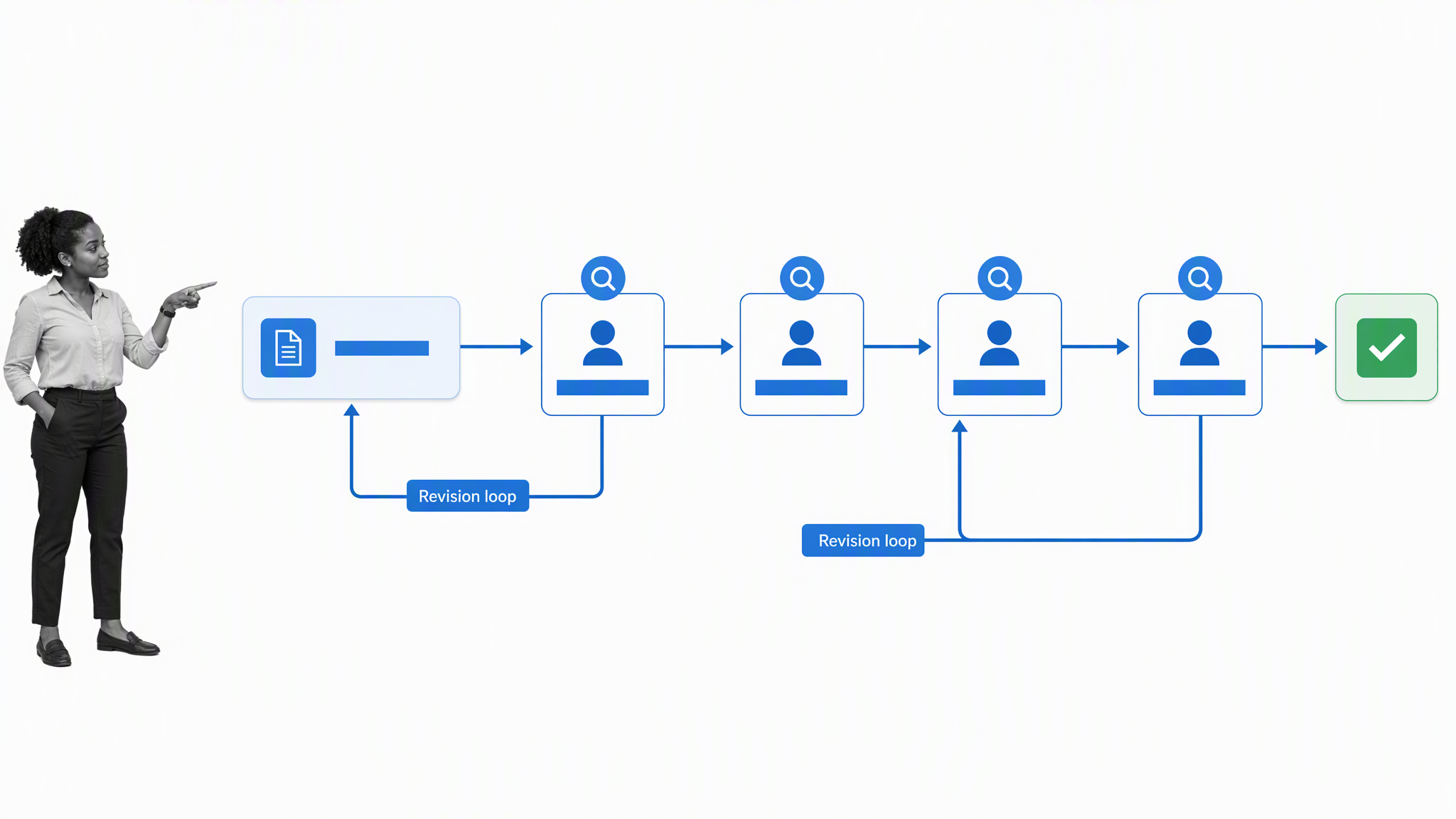
Micromanagement is exactly what it sounds like: someone trying to personally control and monitor everything in a team, situation, or place. The manager pays excessive attention to how work is done instead of establishing the outcome, constraints, and moments when help is actually needed.
Let’s say that you’re told to complete a task. Usually, your manager assigns the work, explains when it is needed, asks whether you need anything, and then leaves you to complete it. They remain available without interfering directly or slowing the operation down.
If they micromanage, they may watch your every move or demand progress reports more often than necessary. They may chastise you for the slightest mistake or for carrying out a task differently from the way they would have done it. Countless revisions, endless status reports, and a refusal to trust other people to do their jobs are all warning signs.
Close supervision is not automatically micromanagement. Extra review can be appropriate when a task carries significant safety, legal, financial, or customer risk. A 2025 Journal of Management study also reinforces that the effect of monitoring depends on how it is designed and experienced. The key questions are whether the oversight is proportionate, whether the reason is clear, and whether the employee gains more independence as competence grows.
To micromanage, or not to micromanage? (Pros and cons)
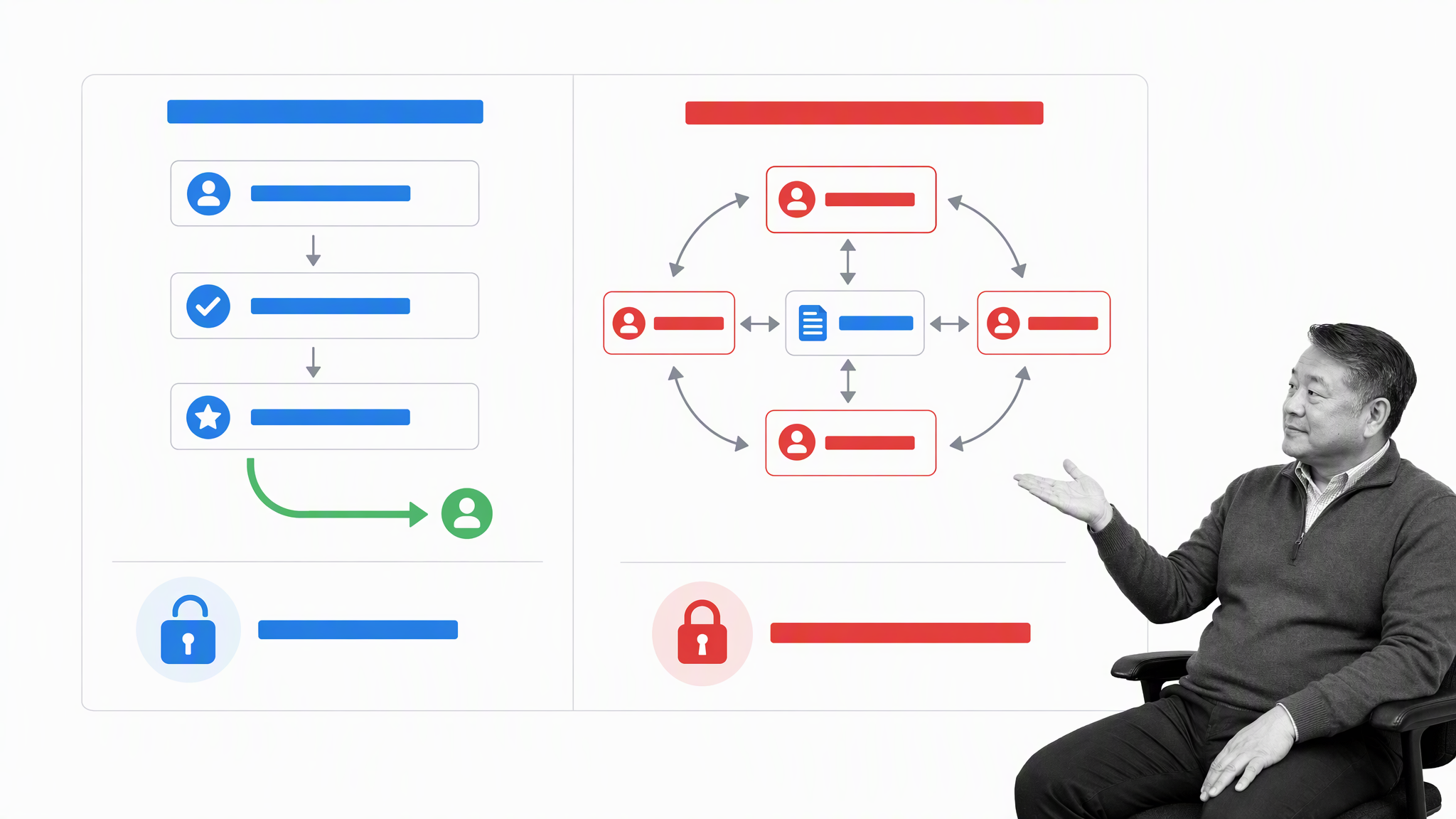
Sometimes what people call micromanagement is a genuine effort to help a team succeed. The manager’s intent may be good, but the execution needs work. The useful part is not micromanagement itself. It is timely support, expert guidance, and clear quality control.
When a high-support management style helps
A temporary high-touch approach can be useful for:
- Training and onboarding new employees
- Operations where expert guidance or greater control is required
- Complex processes with a steep learning curve
- Work where an error creates material safety, compliance, financial, or customer risk
Good high-support management has an exit condition. The manager explains why the extra oversight exists, what competence looks like, and when decision authority will expand. The employee can ask questions, test their judgment, and see a path toward independence. That is different from permanent control.
Extra instruction can improve the onboarding experience. Within a smaller team, a manager may provide high-quality one-to-one guidance without too much strain. But even there, support should build capability. If every routine decision still returns to the manager, the system is creating dependency rather than skill.
The costs of micromanagement
Put bluntly, chronic micromanagement:
- Annoys and demoralizes employees
- Increases the risk of human error on both sides
- Does not scale
- Makes managers lose sight of the big picture
- Damages employee trust and psychological safety
- Leads to burnout in managers and teams alike
- Can make employees dependent on further supervision
- Contributes to workplace anxiety and turnover
When you micromanage, you tell employees that you do not trust them to work independently and still produce good results. Sometimes an employee is not yet trained, or the work is unusually sensitive, but there are better ways to build the required skills. Clear standards, examples, coaching, and staged authority teach judgment. Constant correction teaches caution and waiting.
Unchecked micromanagement discourages independent work and decision-making. It is difficult to build confidence if everything you do is scrutinized and “corrected.” The employee becomes more likely to ask permission, so the manager sees even more evidence that close control is necessary. The cycle feeds itself.
Micromanagement also cannot scale. Someone has to spend every moment reviewing the fine details of what the team is doing. As the team grows or takes on new duties, the information load grows with it. At some point, the micromanager cannot keep up, which leads to missed details, delayed decisions, or burnout. Accountability works better when expectations and ownership are clear, not when fear makes every choice feel risky.
Spot the micromanager and the common traits to look out for
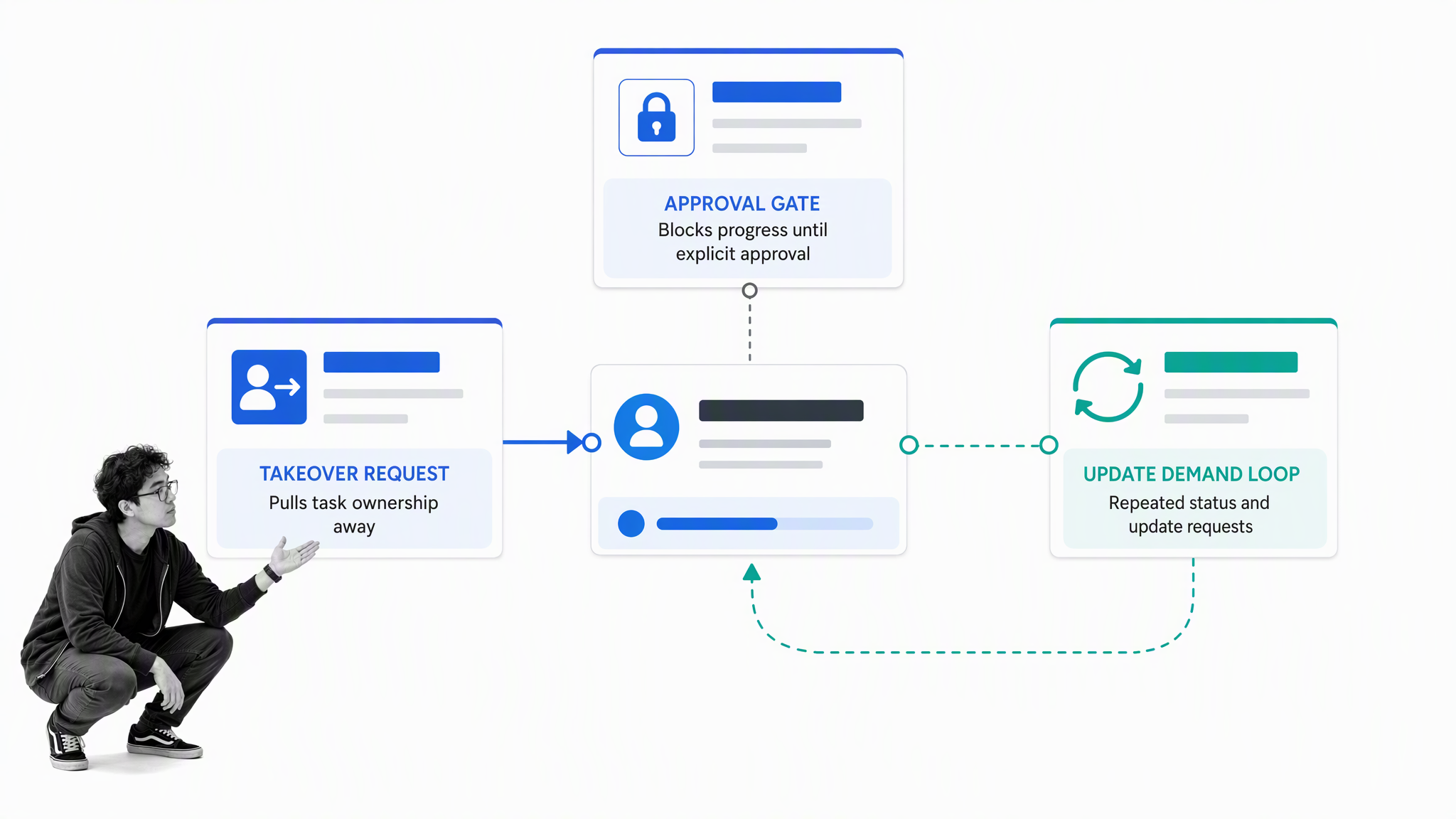
Despite covering the costs of micromanagement, it is not always easy to see when the practice is being used. This is especially true if you are the one micromanaging or being micromanaged.
You can’t weed a garden with your eyes closed. You need to be able to see and identify the problem or risk doing more harm than good.
Most micromanagers share a few, although not always all, of the following traits:
- They do not delegate
- They take delegated work back when a mistake is spotted
- They dislike decisions being made without them
- They focus on small details rather than the big picture
- They spend most of their time overseeing others
- They ignore the opinions or experience of other people
- They request frequent updates even when the project is not relevant to them
- They often find deliverables unsatisfactory without defining a stable standard
Management positions are the first place to look, especially in a team that has recently grown. Team size does not make these behaviors healthy. A small team may justify faster communication and closer temporary guidance, but it still needs clear ownership and room for people to think.
Delegation is a useful signifier. Most micromanagers either refuse to delegate tasks that belong with the team or take back delegated duties when the first result is not exactly what they expected.
This approach is tempting for startup founders as the company grows. They begin by doing the things they are good at, such as coding, sales, or customer support. Growth eventually requires them to hand off that work, even if they enjoy it and can still do it well. Effective delegation means defining the outcome, transferring authority, and coaching through mistakes without reclaiming the task.
If you manage the work, replace surprise check-ins with a predictable cadence. Ask what is blocked, what decision is needed, and what evidence shows progress. If you are being micromanaged, make the work easier to trust: confirm the outcome and decision boundaries in writing, propose a regular update rhythm, and surface risks early. If the behavior continues, document specific examples and discuss their effect on delivery with the manager or an appropriate people partner.
Offset micromanagement with OKRs
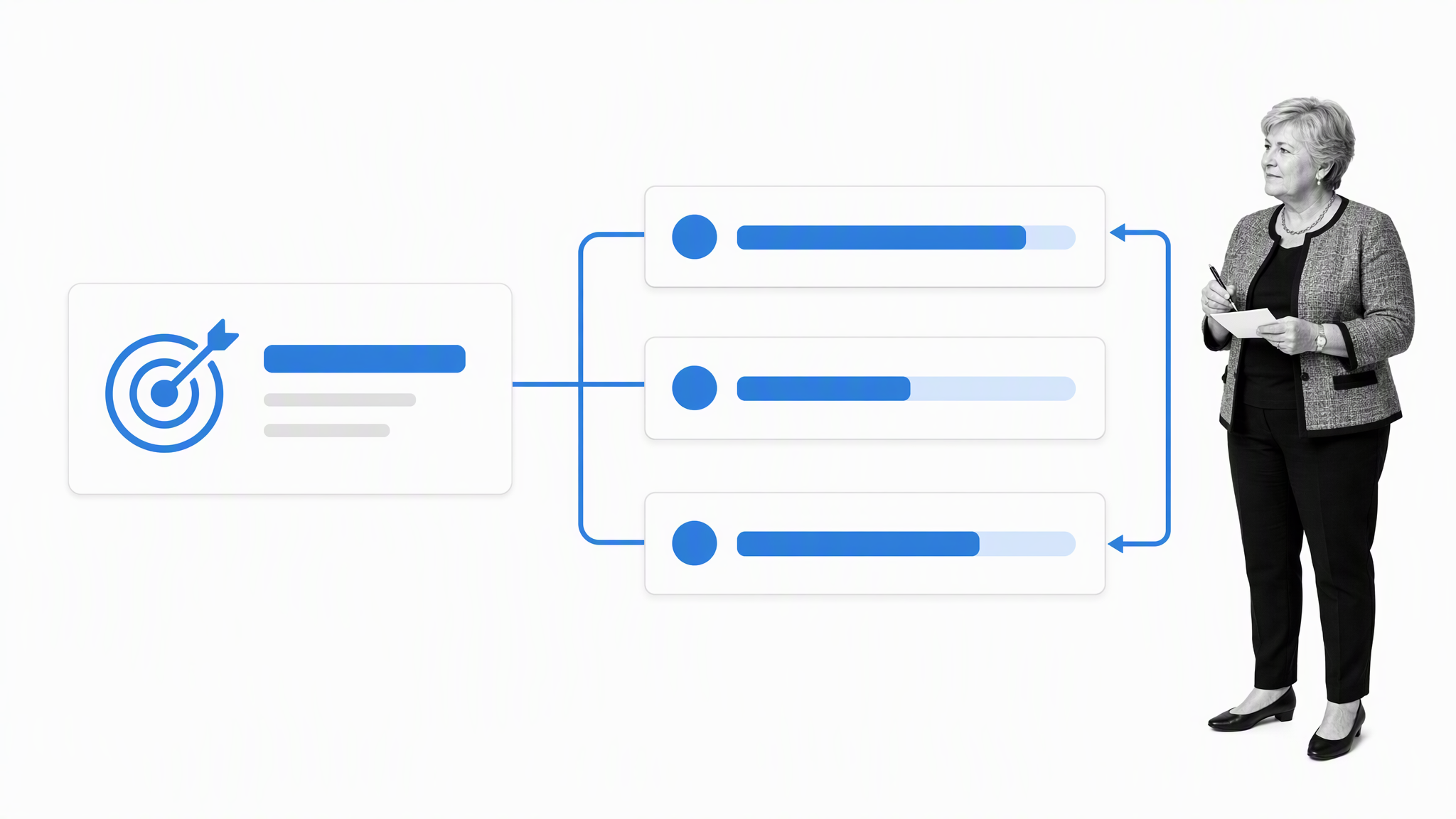
Objectives and Key Results (OKRs) can give a team shared direction and measurable outcomes without requiring a manager to control every action. An objective describes a meaningful destination. Key results define observable evidence that the team is moving toward it.
A useful OKR practice involves:
- Choosing a small, focused set of objectives relevant to the team or individual
- Making the desired outcome clear, measurable, time-bound, and connected to business priorities
- Defining measurable key results that show progress rather than listing routine activity
- Agreeing on a review cadence that fits the pace and risk of the work
- Separating ambitious, aspirational goals from committed goals that must be completed
On setting OKRs that work, Process Street’s Jay Hanlon explained:
“In selecting OKRs, you want to focus on big, impactful objectives, the things you believe you can do in a given period of time that will really matter. For key results, the most important thing is that they’re what are sometimes called ‘SMART’ goals, meaning they’re Specific, Measurable, Actionable, Relevant, and Time-bound.”
Jay Hanlon
Regular check-ins let everyone present progress, surface risks, and give feedback on the OKRs. Feedback is the important word. This is not a one-way status interrogation. The employee can explain what has changed, what tradeoffs are emerging, and what help or decision they need from the manager.
How an organization scores OKRs depends on its method. Aspirational OKRs may be designed to stretch beyond a guaranteed result, while committed OKRs should be treated as promises. A single completion percentage is not a universal measure of success. The team should define the type of goal and its scoring rules before work begins.
“The biggest challenge is often making them measurable. It’s great when the goal is a number, like ‘Hit 1MM in ARR.’ Or a simple fact, like ‘Roll out our new OKR system to the whole company.’ But some goals may be harder to measure, with more qualitative requirements, like when you need to design a plan to improve employee morale, say. But even those can have defined ways you’ll determine success, like, ‘Write and circulate a plan to improve employee morale that gets full buy-in from the leadership team.’”
Jay Hanlon
Use documented processes instead of hovering
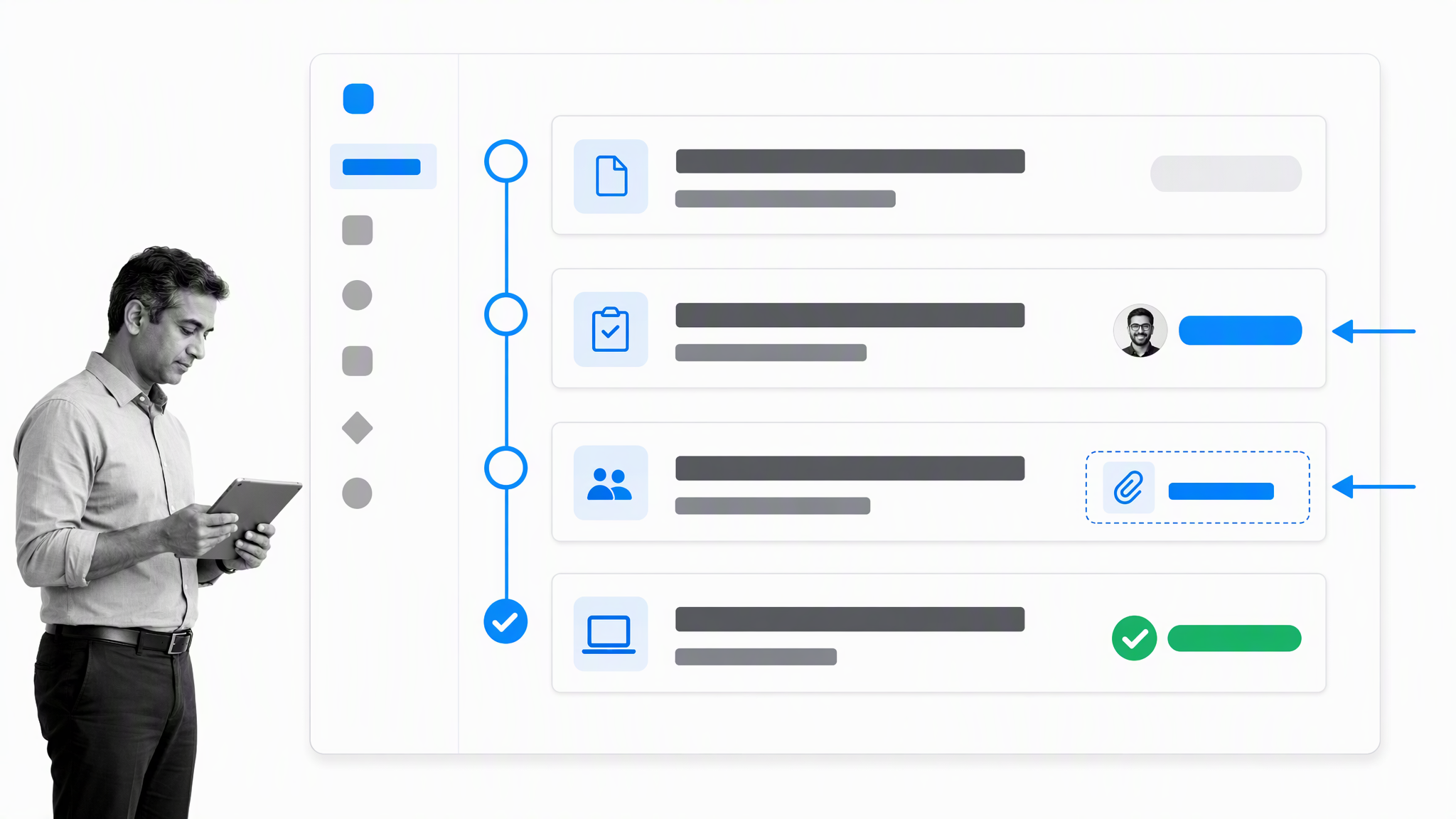
Micromanagement is tempting because it creates a feeling of control. Leaders need to focus on high-level strategy, but they do not want to lose visibility into individual responsibilities, project progress, or important risks. The answer is to make the work observable without making the employee feel watched.
A documented process gives everyone specific instructions, ownership, and decision boundaries. It reduces confusion while reassuring managers that the agreed method and controls are being followed. A good process also shows where work is blocked, what evidence has been collected, and which exceptions need attention.
For onboarding, the employee should be able to find the relevant guidance, complete an assigned onboarding workflow, add required evidence, and ask for help at defined points. The manager can see progress and hold regular one-to-one meetings without hovering over every action. Guidance becomes part of the operating system instead of living only in the manager’s head.
Process Street is a single Compliance Operations Platform for documenting governed knowledge and running repeatable operations. Its Docs capability area helps teams create and maintain instructions, policies, and other operational knowledge. Its Ops capability area turns that knowledge into assigned workflows with owners, approvals, evidence, deadlines, and an audit trail. Built-in AI helps teams draft, improve, and operate processes while keeping human ownership and controls explicit.
Put the approach into practice
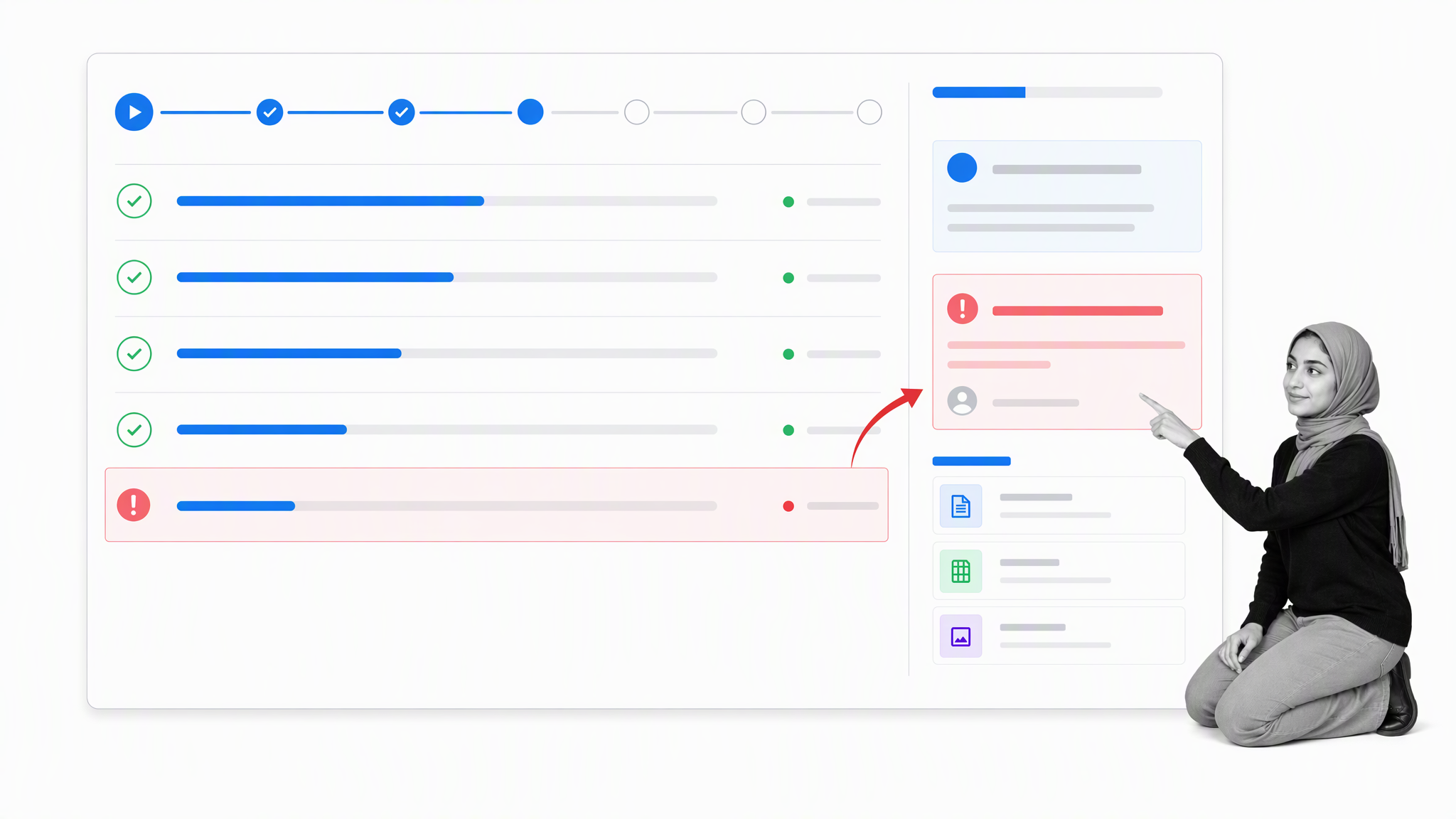
Start with one process that causes repeated questions, delays, or correction loops. Write down the outcome, the sequence of work, who owns each decision, what information must be captured, and what exception should trigger a review. Include supporting images, videos, or form fields where they reduce ambiguity.
Run the process for real work and review the evidence it produces. Managers can monitor active work, completed work, and exceptions without asking for a separate status report every hour. Automation can handle recurring handoffs and routine notifications, while integrations connect the process to the systems the team already uses.
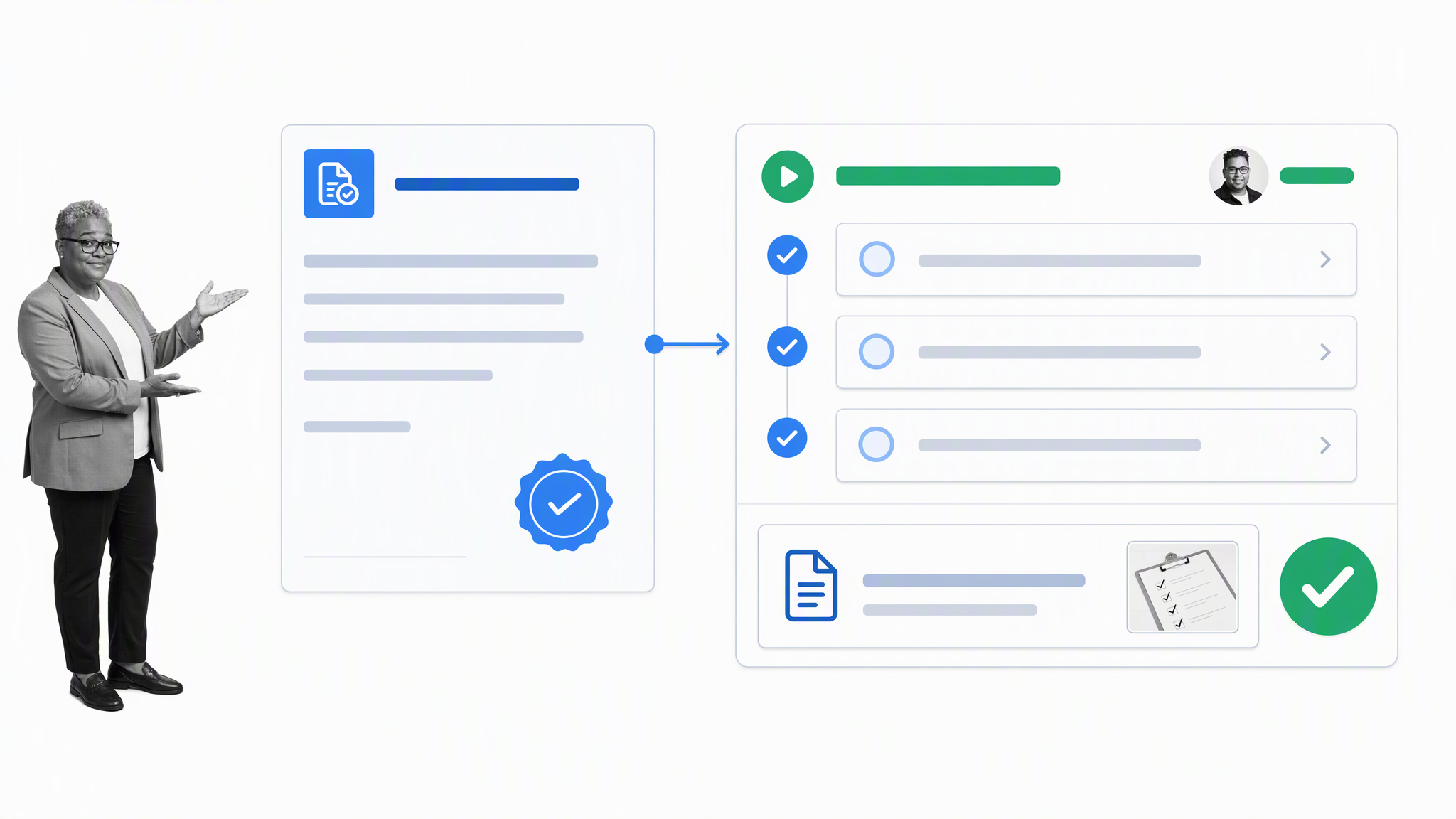
The most important shift is from activity surveillance to exception-based oversight. Managers should be able to see that the work is moving, inspect the required evidence, and step in when a control fails or a decision exceeds the employee’s authority. Everything else can continue without interruption.
Documenting workflows and connecting knowledge to execution gives a team guardrails without taking away judgment. It also makes improvement easier because the process can be reviewed and changed once, rather than corrected differently by every manager. Teams that want to make work visible without hovering can start a free 14-day Process Street trial.
Micromanagement isn’t worth the hassle it creates
Even where close guidance is justified, chronic micromanagement is not worth the long-term problems and bad habits it creates. A small team can still suffer alienated employees, diminished trust, dependence on approval, and burnout.
Clear processes, measurable outcomes, decision rights, and scheduled feedback provide the useful visibility managers need. Employees receive instructions and guardrails, but they retain enough autonomy to feel responsible for the result. Managers spend less time checking every movement and more time coaching, removing obstacles, and improving the system.
Frequently asked questions
What is an example of micromanagement?
A manager assigns a routine task but then requests unnecessary updates, dictates minor choices, and takes the work back at the first difference in approach. The employee is accountable for the result but is not allowed to exercise judgment.
Is close supervision always micromanagement?
No. Temporary, proportionate supervision can be appropriate for training, high-risk work, or a new responsibility. It becomes micromanagement when control exceeds the real risk, the reason is unclear, and the employee never earns more independence.
How can a manager stop micromanaging?
Define the outcome, standards, decision boundaries, and check-in cadence before work begins. Document the process, review evidence at agreed points, and intervene mainly when an exception or material risk appears.
How should an employee respond to micromanagement?
Confirm expectations in writing, propose a predictable update schedule, surface risks early, and ask which decisions you can make independently. If the behavior continues, document specific examples and discuss the delivery impact through the appropriate management or people channel.
The post Don’t Micromanage! It Destroys Your Team. Do This Instead first appeared on Process Street | Compliance Operations Platform.


0 Commentaires