
Why are processes important to a business? Because they turn knowledge into a repeatable way of working. A good process helps people produce consistent results, makes responsibility visible, creates evidence for audits and reveals exactly where work failed. That protects quality today and gives you something concrete to improve tomorrow.
Without processes, every task depends on memory, individual judgment and luck. That might survive while a team is small, but it breaks under growth, staff changes, automation or pressure. Documented processes give employees and AI agents the same guardrails: clear steps, owners, approvals, evidence and a route for handling exceptions.
Let’s start with something lighter than an outright business failure: What’s your general feeling about assembling flat-packed furniture?
After putting together a desk and a couple of chairs, I was still irked. Every hole seemed to be drilled just far enough out of place to turn a simple job into a wrestling match. But that wasn’t the main problem.
The problem was my approach. The stereotype fits: I hadn’t paid much attention to the instructions. If I wasn’t careful, my Flärdfull could end up looking more like a Grönkulla because I’d used screw 440A instead of 442B and wrecked the whole thing.
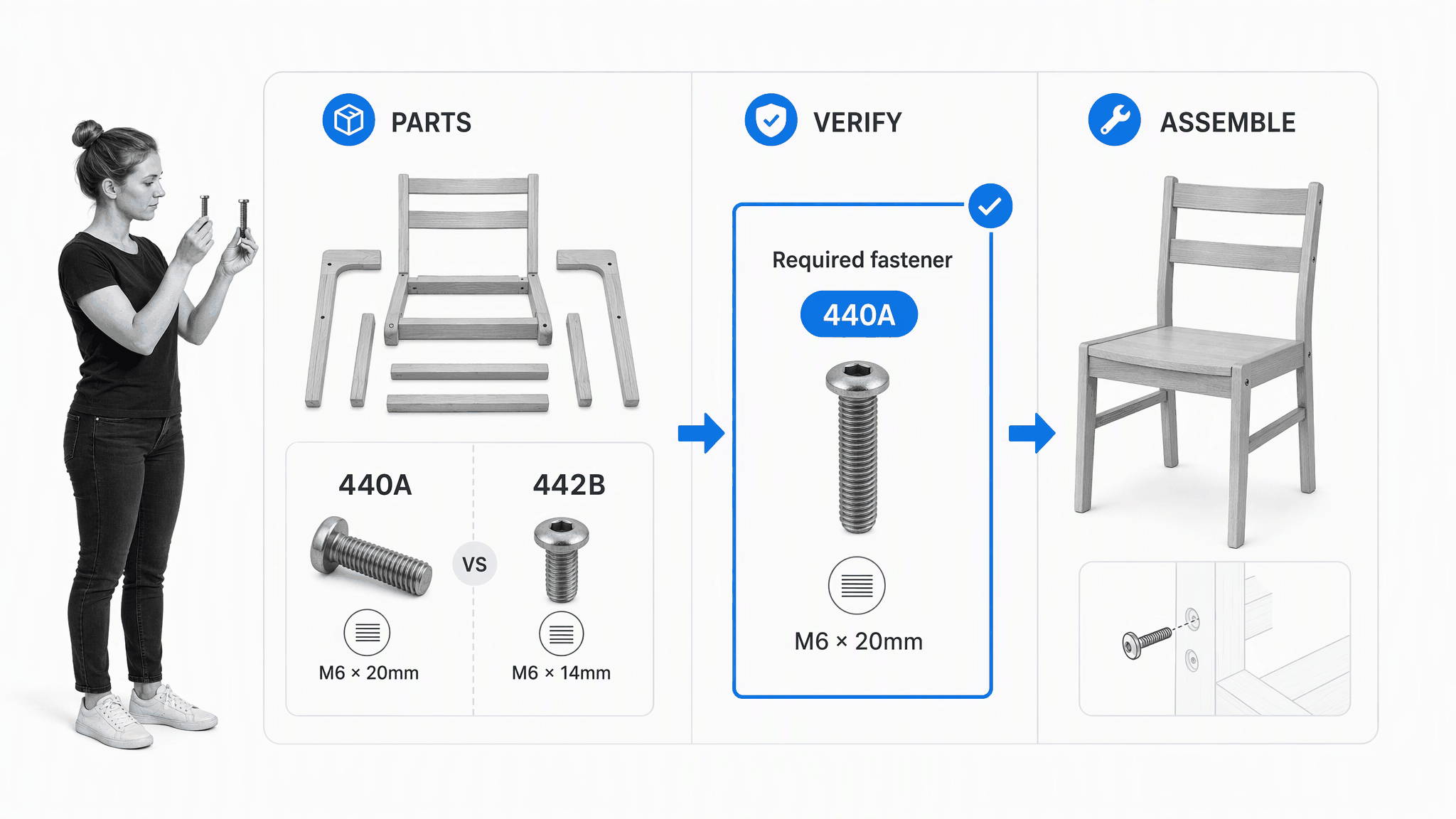
It works the same way in your business, except the instructions don’t arrive in the box. You have to write the process yourself.
But what happens when you’ve got the process? Unlike a flat-packed table, you don’t automatically know whether the instructions are any good. When you’re running a business, you may not know whether anything you’re doing is working until disaster strikes. That is, unless you create, maintain and optimize your process documents. A customer complaint, failed audit or expensive project can expose the problem, but a visible workflow lets you test the steps, see whether people follow them and improve the process before a small weakness becomes a disaster.
The kinds of disasters that happen without processes
Process-related disasters span a massive range, from legal and technical trouble to managerial failure. In The Checklist Manifesto, Atul Gawande draws on an academic paper by philosophers Samuel Gorovitz and Alasdair MacIntyre to explain two roots of human error. The first is ignorance: science has given us only a partial understanding of the world and how it works. The second is ineptitude: the knowledge exists, yet we fail to apply it correctly.
That distinction is useful for business processes. A process cannot eliminate genuine uncertainty, but it can stop known requirements from being forgotten. It can require a measurement, block a dangerous handoff, record an approval and surface an exception before the consequences spread.
The Mars Climate Orbiter is a famous example. One team supplied thruster data in English units while another expected metric units. NASA’s investigation found that the software did not comply with the interface requirement and that verification and communication controls failed to catch the mismatch. The spacecraft was lost as it approached Mars. It wasn’t that NASA lacked a Software Interface Specification that could have stopped the unit-conversion error. The knowledge existed; the operating system around that knowledge did not apply it reliably.
This is why a checklist by itself is not enough. A working process connects the instruction to an owner, a control and evidence that the control happened. For a critical unit conversion, that might mean an explicit interface standard, automated validation, an independent review and a stop condition when the values disagree.
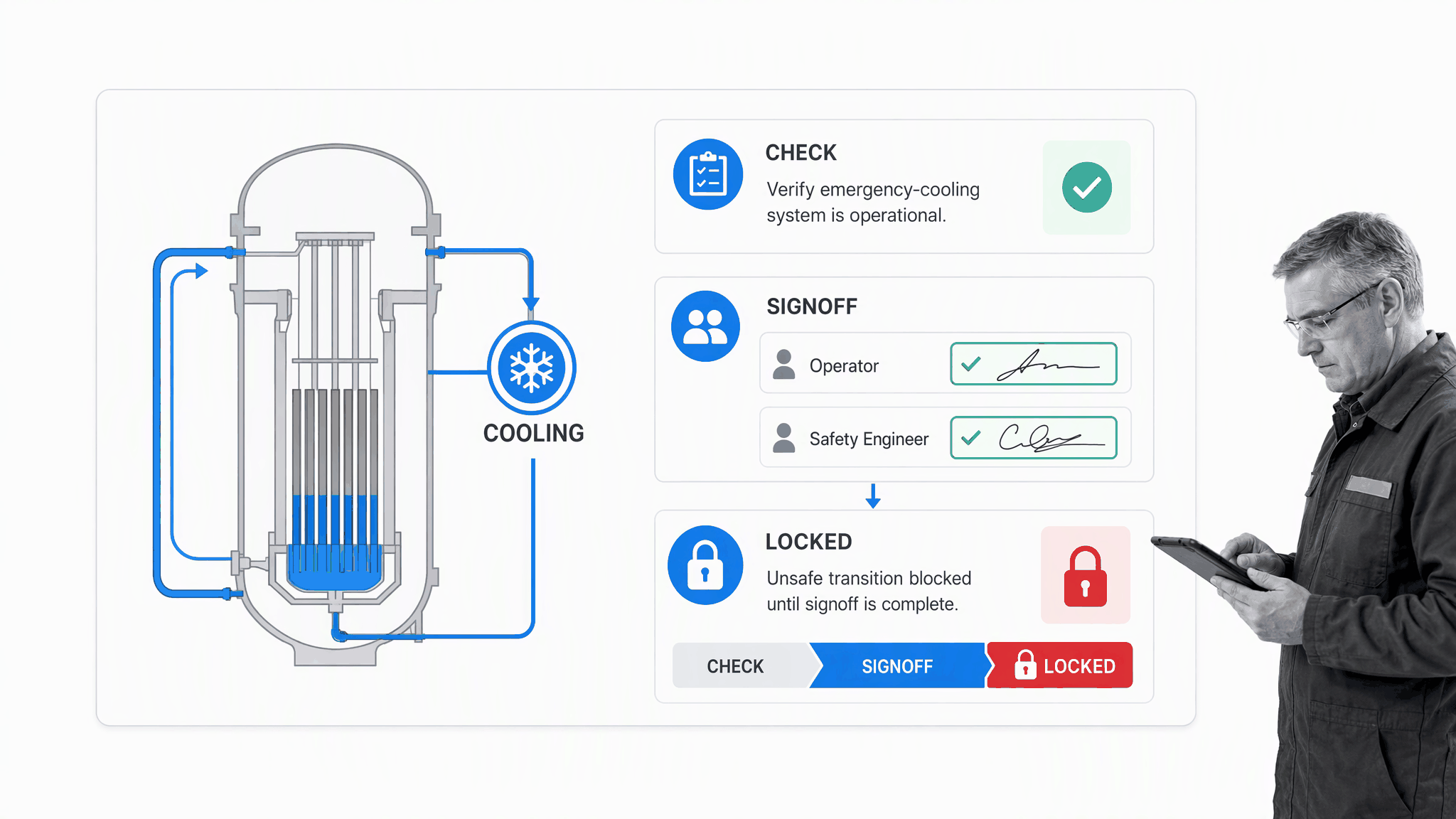
Chernobyl is a more sobering case. The International Atomic Energy Agency’s review did not reduce the accident to one careless operator or one disabled safety system. It described a combination of reactor-design defects, inadequate operating procedures, poor communication of known hazards and a weak safety culture. The lesson is not that a document would have solved everything. It is that high-risk work needs processes designed as a system: accurate instructions, competent training, independent checks, escalation paths and controls that cannot be casually bypassed. An emergency cooling system, for example, has to be supported by clear authority and tested safeguards.
The same principle applies to compliance. In 2017, the US Securities and Exchange Commission described how Zenefits used a software program known as the Macro to make it appear that employees had completed required pre-licensing training hours when they had not. Employees obtained insurance broker licenses through a system that treated logged training time as proof even when the underlying requirement had not been met. It was a control designed to fool a computer rather than verify the work.
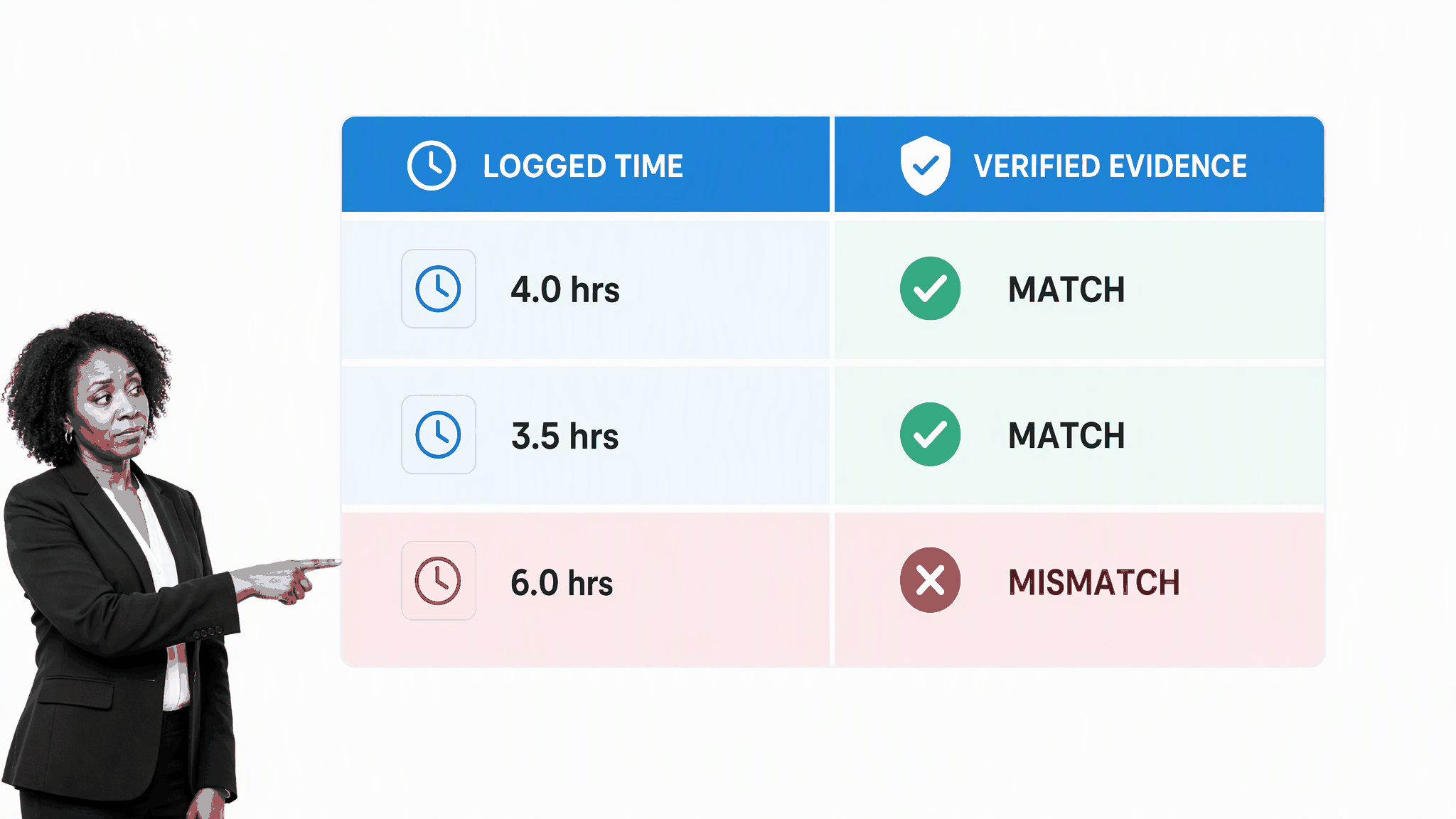
Whether the risk is technical, legal or operational, the pattern is similar. Policies live in one place, day-to-day actions happen somewhere else, and nobody can reliably prove the two match. A governed process closes that gap by defining who does what, what evidence must be captured, who approves exceptions and what happens when a control fails.
Those controls produce several practical benefits at once. Clear steps improve consistency because the outcome no longer depends entirely on who happens to be working. Named owners improve accountability because handoffs are visible. Required records support audits and compliance. A shared method also shortens training: a new employee can learn the approved way to work, then see examples of completed runs instead of reconstructing the job from scattered messages.
History contains countless mistakes caused by a technical oversight, a managerial issue, poor education or a control that existed only on paper. The consequences range from costly rework to the total downfall of huge corporations. Looking back at catastrophic errors is not about ridicule. It is about learning how to avoid making disastrous process-related errors by turning what an organization knows into safeguards people can actually follow.
Processes also create resilience. When knowledge is trapped in one person’s head, an absence can stop the work. When it is captured in a maintained workflow, another qualified person can take over with the same requirements and context. Standardization does not mean removing judgment. It means reserving judgment for the decisions that need it while making routine safeguards dependable.
That brings us back to ignoring the IKEA instructions and ending up with an accidental, unwanted Grönkulla. The solution, of course, is to develop and follow processes, but not to create paperwork for its own sake. It is time to take stock of our processes, whether that means admitting we don’t have any, admitting they aren’t so great or cataloging what already exists. The goal is a usable operating method that helps people do good work under real conditions. If the process is confusing, ignored or impossible to follow, that is evidence that the process itself needs improvement.
Without processes, you have no idea why something went wrong
As the cliche goes, you learn from your mistakes. At least, you should learn from your mistakes. When something goes wrong, the most important thing is understanding why. You need to know what happened and how it came to be or you will repeat the same mistake again and again. But a result alone rarely tells you what to change. If an order ships late, was the request incomplete, did an approval stall, did inventory run out or did a handoff simply disappear?
The way we do this in business is by following a process. We note which stage of the process we are on so, if and when something goes wrong, we know exactly what happened. A process gives the failure a location. When each important stage records its status, owner and evidence, you can see where the actual path diverged from the expected one. That creates accountability without relying on blame. It also makes corrective action precise: repair the broken step, add a control, clarify an owner or remove a bottleneck.
It is just the same as a Linux system printing its activity to the screen when it is booting up. If you get a USB-related error message, you unplug the USB and try again. If it didn’t tell you, who knows what you would do? Without the trace, you are left guessing at an invisible cause.
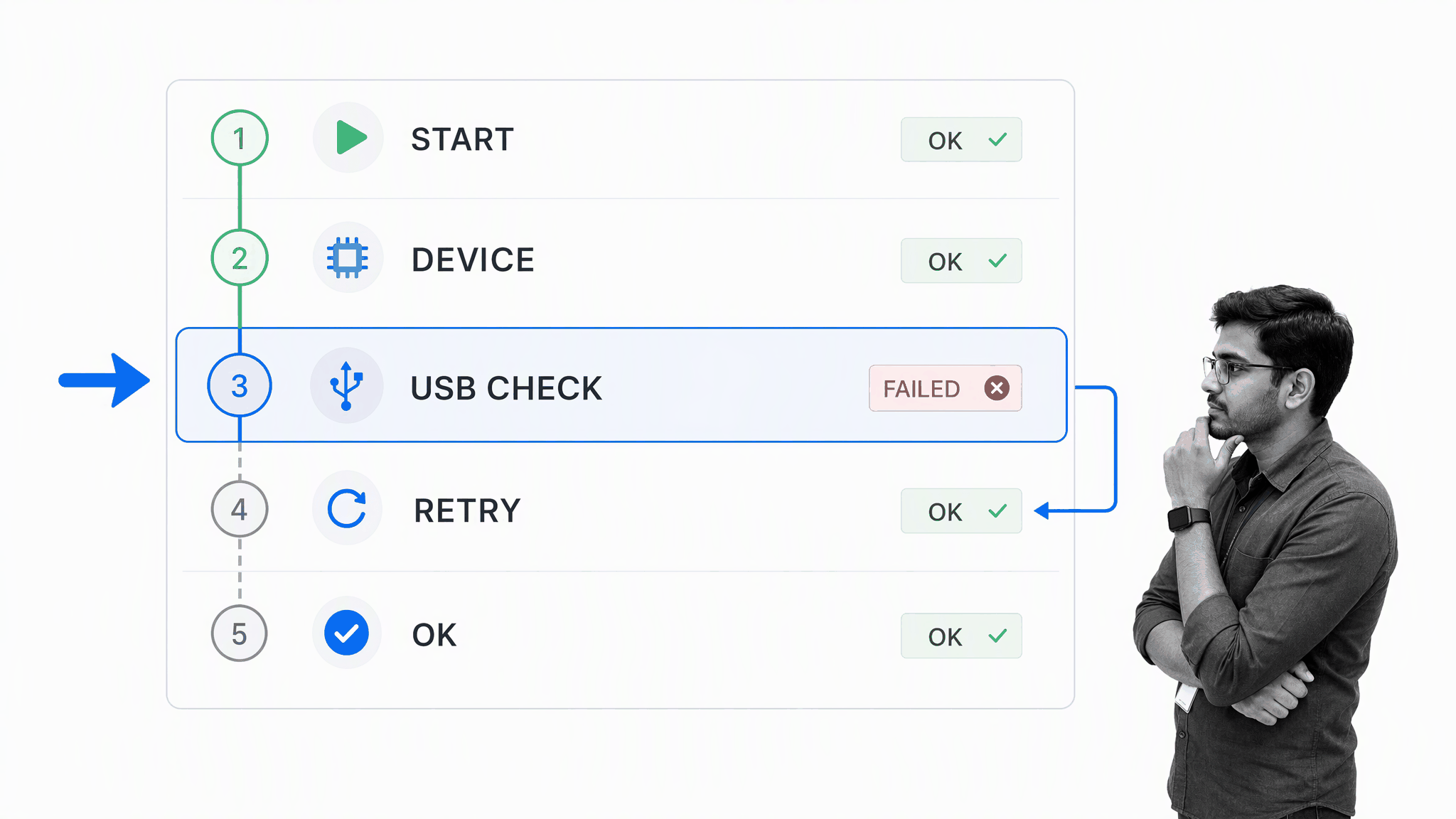
Say I send an email to thousands of people with a broken link in it. If the work was improvised, the team might fix the link and move on. If the work followed a visible process, we know we need to add “check for broken links” to the pre-release checklist, trace the miss and confirm that the new control runs next time. It is as simple as adding a precaution to the process. The mistake becomes input for continuous improvement.
This is one reason processes become more valuable as a company scales. They preserve knowledge when people change roles, shorten training, standardize recurring work and let leaders compare outcomes across teams. They also provide the guardrails automation needs. An AI agent can move quickly, but it still needs defined permissions, required evidence, approval points and a clear way to escalate unusual cases.
The best processes are specific enough to guide action and flexible enough to handle reality. They distinguish a normal path from an exception, put approvals where risk justifies them and avoid adding controls that do not change an outcome. Most importantly, they have an owner and a review cycle. Otherwise, today’s solution quietly becomes tomorrow’s stale instruction.
Start by taking stock of existing processes and creating a catalog of process documents. Then analyze your processes against actual results. Register the problem, quantify the issue and build precautions into the process for next time. The measurable result might be a missed deadline, a compliance exception or a broken customer experience rather than a satellite turning into space junk, but the improvement method is the same. You cannot manage what you cannot measure, and you cannot improve what nobody can see.
Process Street turns documented processes into governed workflows with owners, approvals, evidence, automation and AI actions. That makes the process executable rather than leaving it as a forgotten document.
Start with one recurring workflow where a failure would hurt. Write down the real steps, assign an owner to each decision, define the evidence that proves completion and add a stop condition for high-risk exceptions. Run it, review what actually happened and revise it. That loop is how processes protect a business from crashing and burning.
The post How Processes Protect Your Business From Crashing and Burning first appeared on Process Street | Compliance Operations Platform.


0 Commentaires