Confronting an employee should be a private, evidence-based conversation about a specific behavior or performance gap, its impact, and what needs to change. A manager’s job is to enter the meeting prepared, listen to the employee’s perspective, and leave with clear next steps.
The difficulty is balance. Too much force turns feedback into blame; too much cushioning leaves the employee unsure that anything is wrong. This guide covers 11 communication mistakes managers make and shows how a repeatable Process Street workflow can make difficult conversations fairer, clearer, and easier to follow up.
Common mistakes when confronting an employee
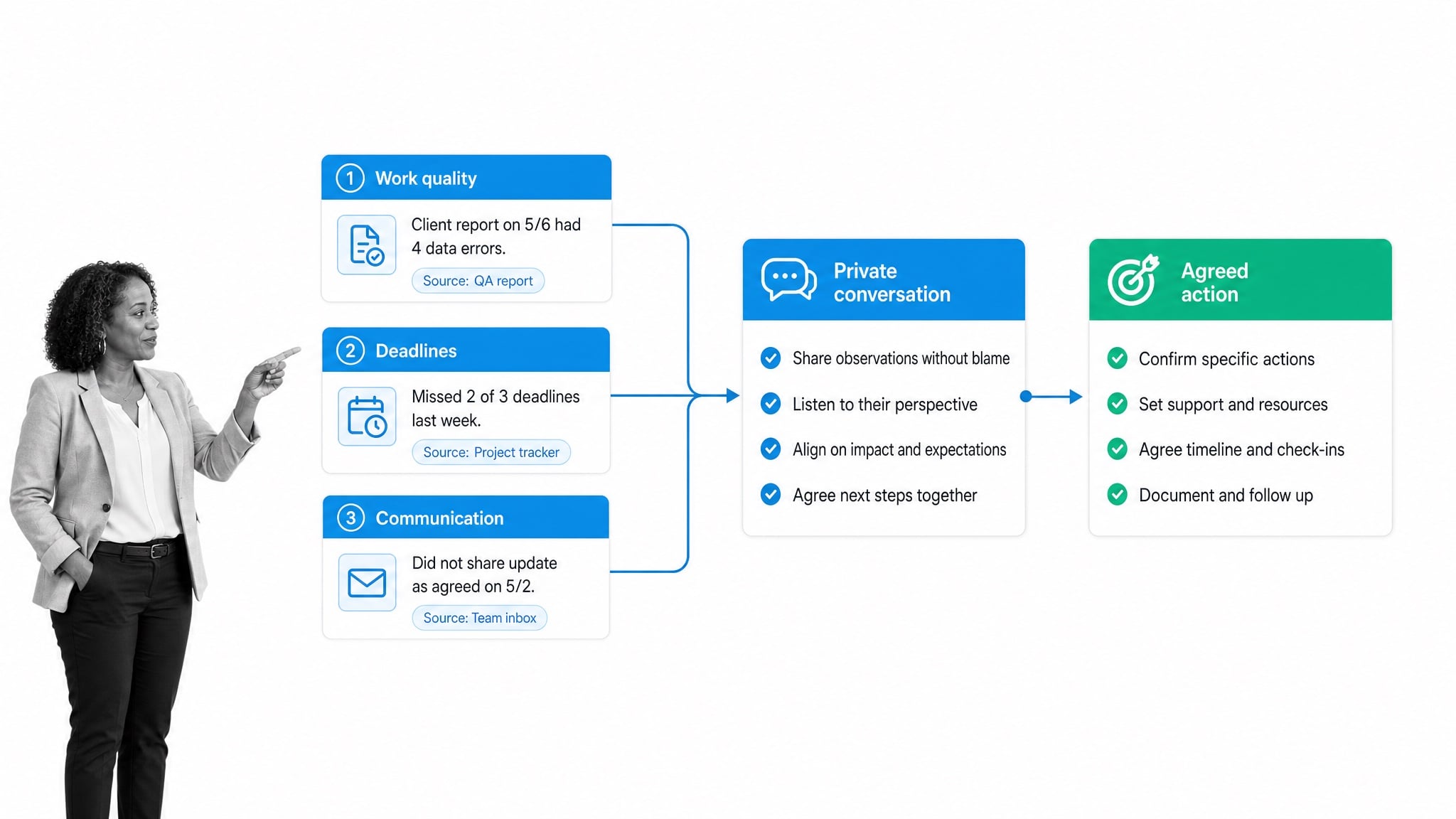
It is a fine line between being too hard or too soft, between being explicit and micromanaging. It is tough, and there are no clear right answers. But it is possible to pull out certain themes. These are 11 common employee communication mistakes managers make when confronting an employee.
Misplacing blame
The biggest communication mistake one can make as a manager is to put the blame on someone without understanding the whole story. Especially if you are receiving the information from someone else, an employee or a coworker, it is wise to get the full context of the situation before you address the issue.
Separate what you observed from what you assumed. Bring specific examples, explain the effect on the team or the work, and ask the employee what happened. Starting with evidence and curiosity makes it more likely that you will address the real problem instead of creating a new personal conflict.
Secondhand reports deserve particular care. A coworker’s account may be accurate but incomplete, while a dashboard or customer complaint may show the outcome without showing the conditions that produced it. Verify what you can, protect confidentiality, and give the employee a real chance to respond before deciding what the evidence means.
Confrontation by email
Only a fraction of people actually enjoy confrontation, particularly in the workplace. Many people try to hide behind an email when reporting unpleasant situations, sometimes wrapped up in corporate jargon. Unfortunately, this might aggravate the issue instead of resolving it.
Words through email always have the chance to be interpreted in different ways. What you intended might not be what the receiver understands, and a message can be forwarded to others without the context of the conversation.
Use a private, synchronous conversation when practical, either in person or by video. Then document expectations, decisions, support, and follow-up through the appropriate written process. Formal written communication is still necessary when company policy, safety, legal requirements, or the seriousness of the issue calls for it.
A short written invitation can still help. State the purpose of the meeting without arguing the case in the message, choose a private setting, and give the employee enough notice to participate properly. Afterward, send or record an accurate summary instead of relying on memory.
Avoiding confrontation
If you dislike confrontations, there might be a tendency to avoid them altogether. That rarely works when the behavior of an employee is starting to affect performance, working relationships, or team morale.
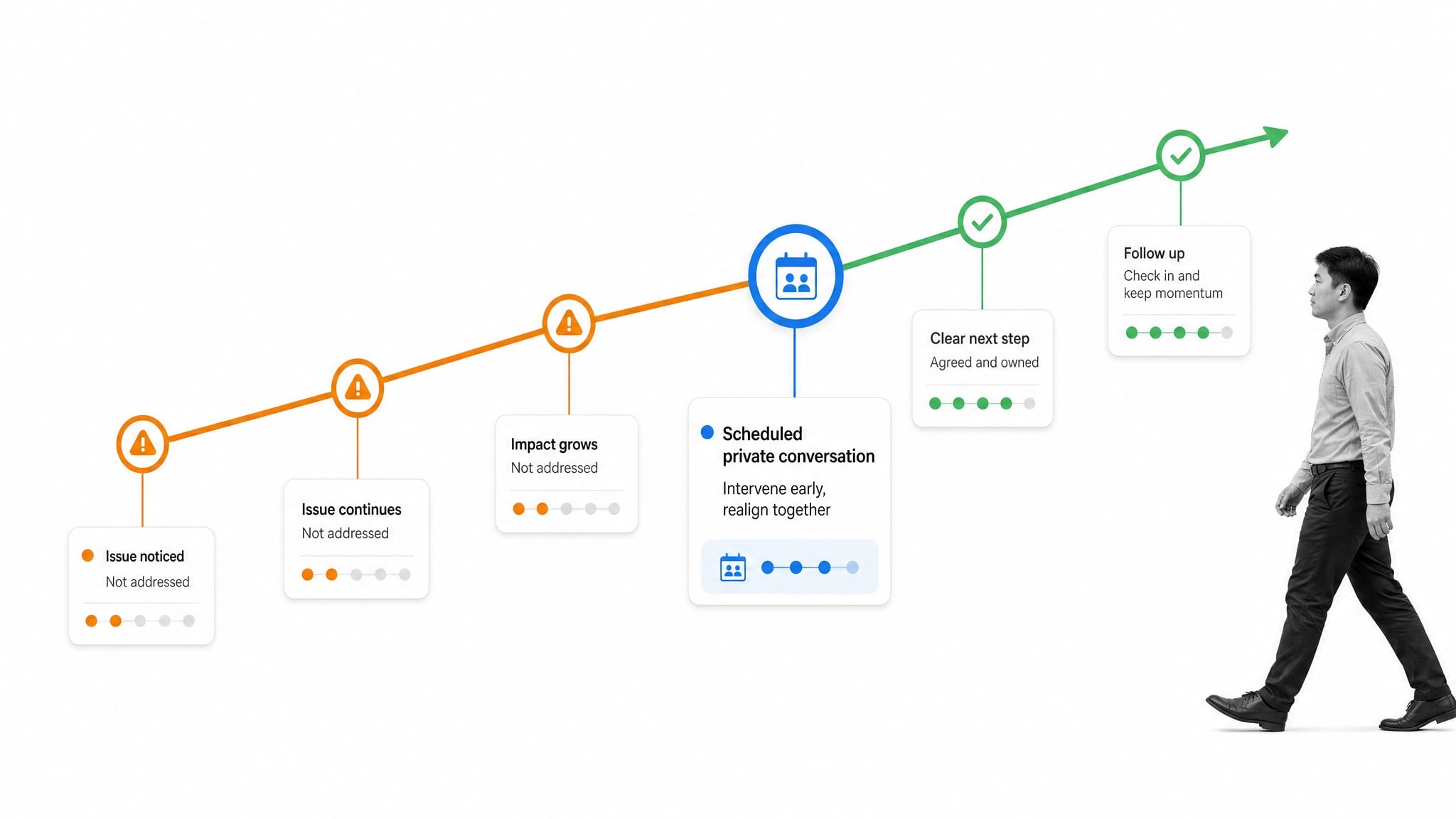
Address the issue early enough that the employee can correct it. Keep the conversation private, focus on the behavior rather than the person’s character, and choose an appropriate route. Informal coaching may be enough for a small issue; repeated or serious conduct may require HR and a formal procedure. The CIPD guide to workplace conflict also emphasizes early intervention, listening, and knowing when a formal route is necessary.
Early does not mean impulsive. Take enough time to check the facts and regulate your own response, then schedule the conversation. Avoidance becomes harmful when preparation turns into indefinite delay and the employee loses a fair opportunity to improve.
It is also necessary to have the topic sorted out so both parties can move forward, get past the problem, and focus fully on their work.
Not having a formalized process
Once you have decided to confront the employee, the meeting could go in any direction. There may be denials, accusations, anger, new evidence, or context you did not know. Diving into this discussion without a proper approach may not make it as fruitful as you want it to be.
There is no way to know exactly how the other person will react. If the conflict escalates, you need to handle the situation fairly and keep an accurate record as a future reference point for improving your approach.
Think about what could happen in the meeting and prepare for that. Write down the points you want to discuss so, even if the discussion deviates, you can get a grip on the situation. Prepare the facts, observable behavior, impact, and expectation. During the conversation, record the agreed action, owner, deadline, and review point. If the issue involves safety, discrimination, harassment, protected activity, or serious misconduct, follow company policy and involve the right HR or legal support.
A repeatable process reduces improvisation without turning the conversation into a script. These workflows can help:
The process should also leave room for the meeting to change direction. If the employee raises new evidence, a health concern, a grievance, or another protected issue, pause and follow the appropriate route. Consistency means applying fair decision points, not forcing every situation through the same conclusion.
Not being explicit about expectations
When you are telling someone that their performance or behavior was disappointing, it only makes sense if you tell them what you were expecting in the first place. Employees might not always be aware of their error or have acknowledged it. Having a confrontation while assuming that they know their mistake might not be productive.
Ask for their perspective before deciding what caused the gap. Then agree on the support, resources, training, or process change needed to improve. Current Acas performance management guidance recommends clear objectives, regular feedback, support, written records, and follow-up.
Replace vague instructions such as “be more professional” with observable expectations. Name the behavior, the standard, the deadline, and the way progress will be reviewed. The employee should be able to leave the room and explain what success looks like in practical terms.
Being the angry boss
Anger can happen due to a number of factors. You may already be having a bad day. You may have avoided confrontation for a while, allowing resentment to accumulate into a powerful weapon. Or the employee may have brought serious damage to the company that you had to take responsibility for. None of those conditions makes an angry outburst productive.
If you start spurting out a list of complaints without even allowing the employee to express their side, the meeting becomes overwhelming. The result can be a totally nonproductive and useless meeting, followed by a second confrontation just to clear up the first one.
An angry manager also makes it harder to distinguish a serious issue from a personal reaction. The employee may focus on the delivery, defend themselves against exaggerated language, or agree simply to end the discomfort. None of those outcomes produces reliable understanding.
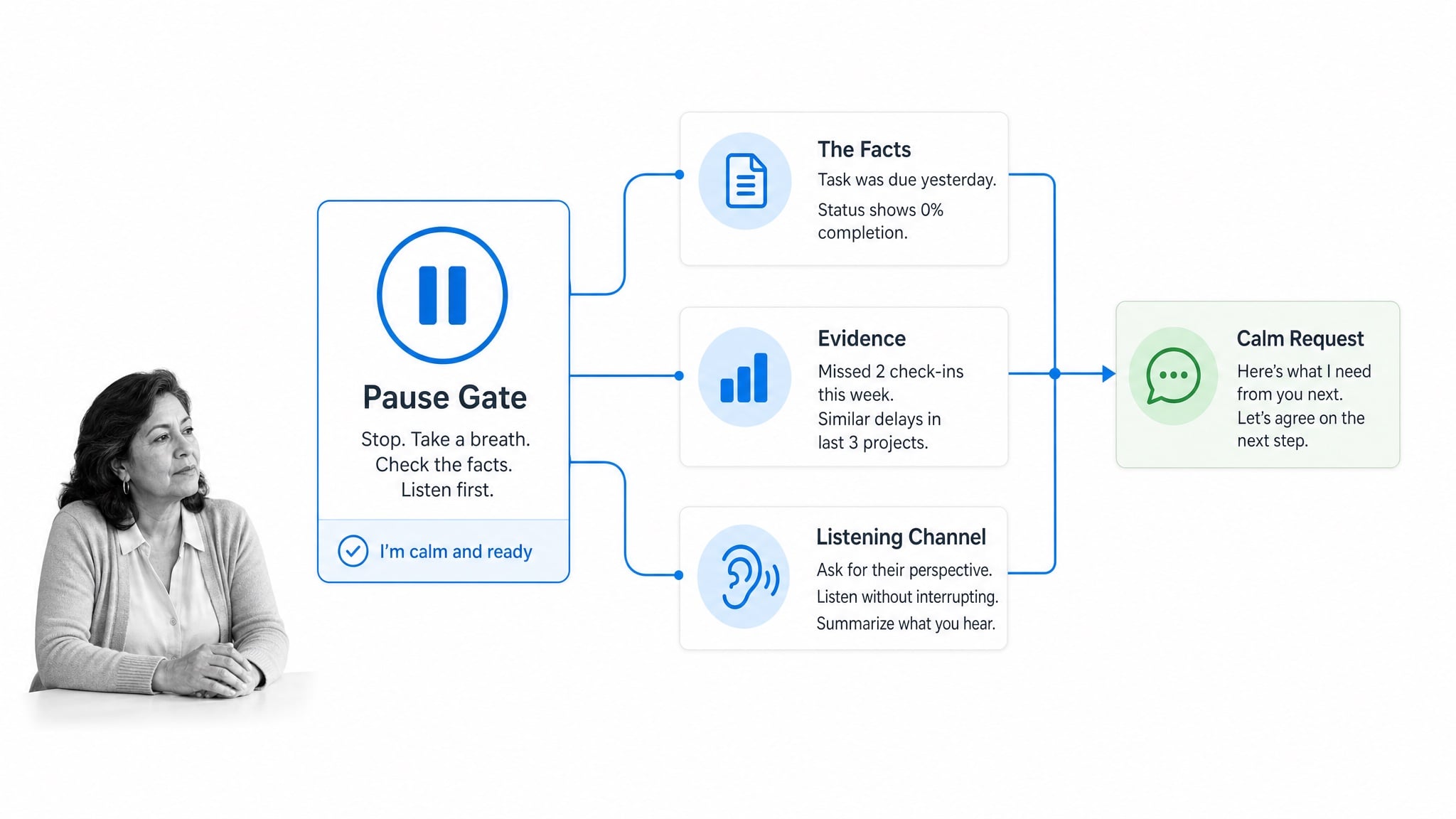
When you are already furious, pause until you can speak professionally. Keep it short, highlight the error, and try not to diverge from that. Stick to one or two examples and avoid words like “ridiculous,” “sloppy,” or “arrogant” that might easily lead to other unprofessional terms. If there are several incidents to address, ask whether you waited too long.
HR, another manager, a union representative, or a support person may need to attend when policy, seriousness, safety, or fairness requires it. Their role is to support a fair process, not to create an audience for the confrontation. The Acas guide to challenging conversations provides a useful preparation and structure checklist.
Softening the message too much
The opposite mistake is trying to minimize the impact so thoroughly that you do not offend the employee in any way. When this happens, the employee might not even understand that there has been a mistake, or may assume it was not such a big deal. Sugar-coated words can be misinterpreted just like an email.
Be direct without being hostile and be crystal clear about the issue. Offering a vague idea and beating around the bush will not bring a solution to the problem. State the issue, explain the impact, hear the employee’s perspective, ask how they intend to resolve the problem, and make suggestions. At the end of the meeting, ask them to summarize the next steps.
Clarity is respectful. It gives the employee accurate information and an opportunity to act on it. Softening the message until it disappears may feel kind in the moment, but it transfers the cost into confusion, repeated mistakes, and a more serious conversation later.
Being too vague
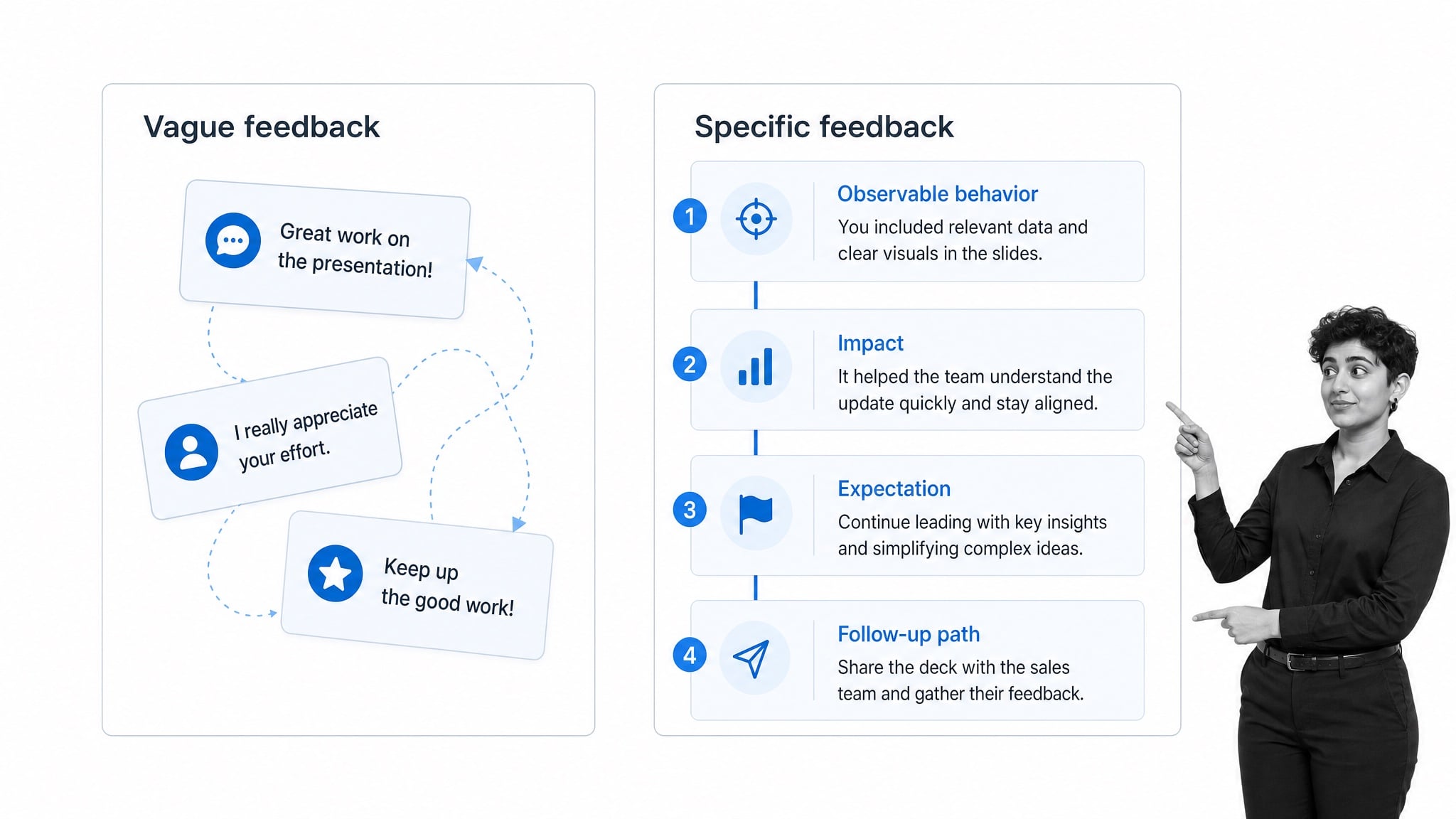
The feedback “sandwich” begins with small talk or a compliment, succeeds in squeezing the real problem into the middle of the meeting, and ends with another compliment. Done well, this technique can provide positive reinforcement along with the difficult truths the employee needs to hear. Done badly, it hides the message.
The employee might be confused and have little clue about what just happened in the meeting. Afterwards, every time you compliment someone, they may wait for the “but” part that follows.
How do you make sure the employee came away with clarity about what needs to change? How do you keep a familiar technique from sounding rehearsed?
If your team member thinks you were being disingenuous about the positive things just to cushion something negative, they might not appreciate your praise in the future.
Use observable facts, describe the impact, state the expectation, and separate genuine recognition from corrective feedback. Praise does not need to act as padding around a difficult message.
Not offering solutions
Do not be the boss who only finds faults without being able to provide a solution. A boss who cannot lead does not create a good impression among employees. It is not just about telling them what to do; it is about showing them the ways it could be done.
When you confront someone, sit down with them and build a specific action plan to remedy the problem. Name the outcome, owner, resources, deadline, and review point. The employee should own their commitments, while the manager owns the support and obstacles within the manager’s control.
When employees know that asking for help leads to useful coaching rather than punishment, they are more likely to surface problems before those problems grow.
Do not solve the entire problem for them. Ask what they think should change, what obstacle is in the way, and what commitment they can make. A useful solution combines employee ownership with manager support, rather than making either person carry the whole plan alone.
Throwing employees under the bus
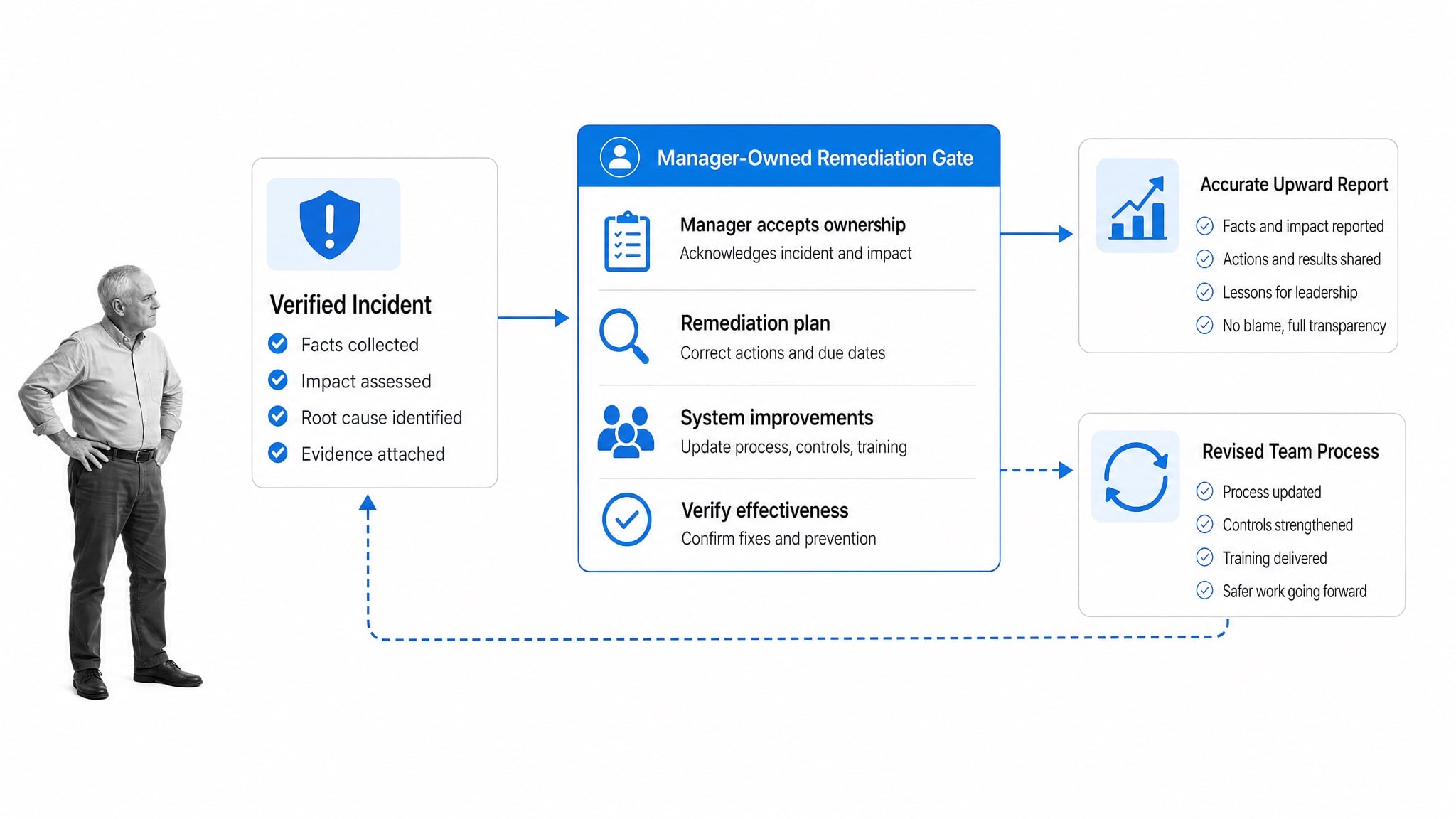
A managerial role usually comes with a lot of responsibility. This means that even if the conduct was not your fault, you may have to take responsibility for the team’s response and remediation. Report the facts accurately and protect confidentiality rather than falsely accepting personal fault.
When you accepted the position, you were aware of these factors. If you are regularly letting employees take the blame for problems, other people in the hierarchy, above and below you, may wonder what you are responsible for. You are a manager, and their problems are your problems. Work to establish processes and systems that stop those problems from occurring.
Upward accountability matters too. Explain what occurred, what immediate containment is complete, what the employee owns, and what management will change. That protects the truth while showing leadership. Taking responsibility for remediation should never mean hiding misconduct or changing the factual record.
Don’t betray your team and they won’t betray you.
Acting like a buddy too soon
Chatting with your team at the water-cooler, proverbial or otherwise, is a nice way to pass the time and form the important social relationships that make for an effective team. Teams that can socialize with each other tend to pull harder for each other.
As the manager, you want to foster strong relationships with all of your team members, and you probably want them to like you too. We are all human.
Whether you prefer the English original or the American remake, The Office is a good snapshot of professional life. Michael Scott was friendly with all of his employees, not you, Toby, but he also knew when the fun had to end. Occasionally, at least.
Real workplaces need clearer boundaries than a sitcom, and the fun tends to end much sooner. Remember to put friendships aside sometimes, both for your benefit and for other team members. After dealing with conflict in the workplace, give people time to recuperate and recognize their professional boundaries.
Do not rush back into jokes or casual banter to make yourself feel better. The employee may need time to process the discussion. Follow the agreed plan, apply the same standard across the team, and let trust rebuild through consistent behavior.
Human resources templates to manage your employees
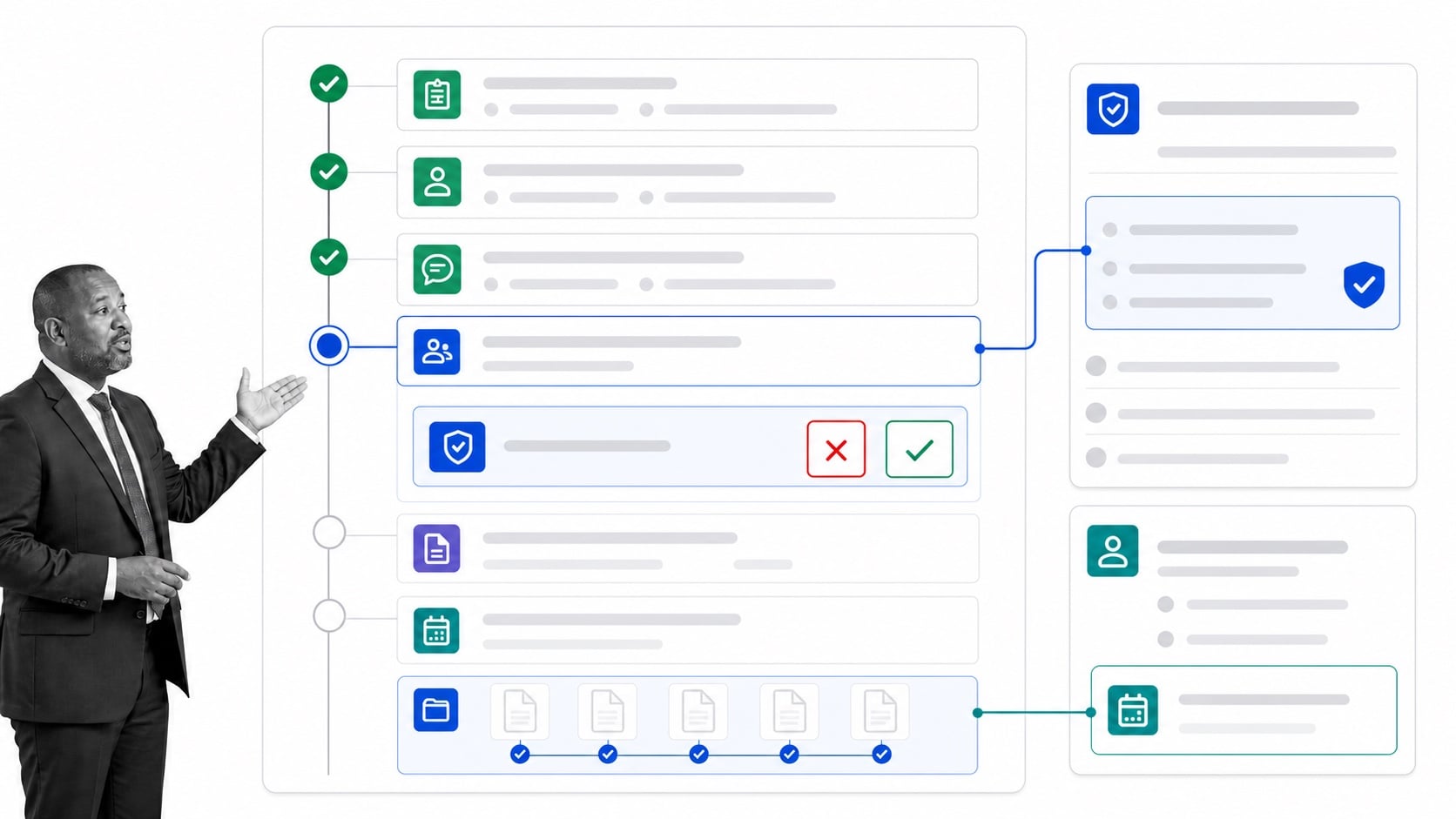
A difficult conversation becomes easier to run consistently when managers do not have to reconstruct the process each time. Process Street is one Compliance Operations Platform. Its Docs capability area keeps policies and procedures governed and current; Ops turns that guidance into assigned workflows, approvals, conditional steps, evidence, and follow-up; built-in AI helps teams draft, check, and improve work while people remain accountable for decisions.
For an employee conversation, that means one governed path from preparation to review: gather examples, check the relevant policy, obtain approval when needed, conduct the meeting, record the employee’s perspective, agree on actions, assign follow-up, and preserve an audit history. The process supports the manager’s judgment instead of replacing it.
Built-in AI can help a manager organize notes, draft neutral questions, summarize agreed actions, or identify a missing process step. It should not decide whether an employee is credible, diagnose intent, or replace HR and legal judgment. The manager remains responsible for accuracy, fairness, privacy, and the final decision.
You can also explore manager tools for related ways to structure recurring management work.
Human resources workflows for confronting employees
Use the workflows below as practical starting points. Adjust them to your company’s policies and applicable law.
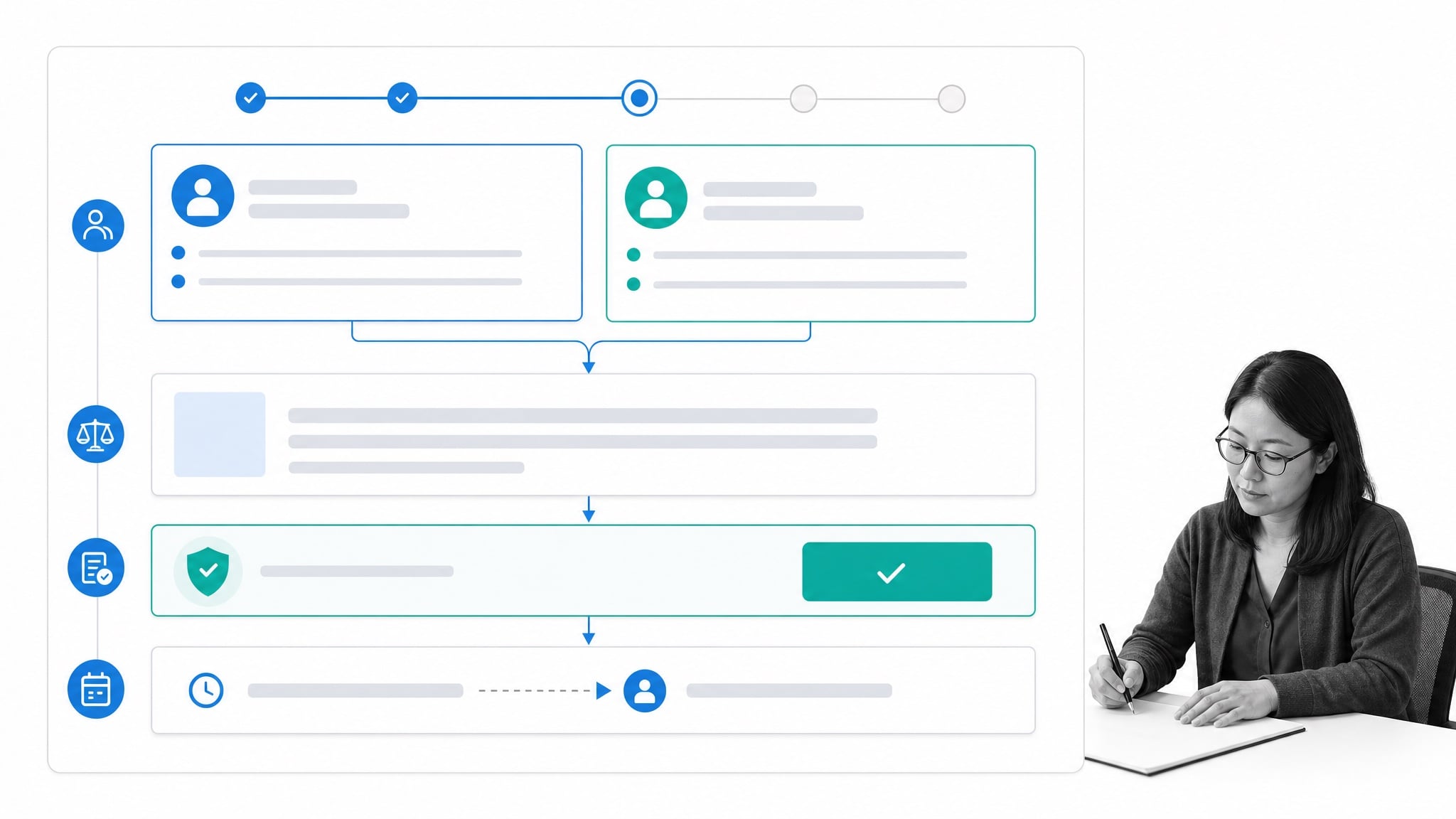
Office Conflict Resolution Checklist helps a manager or mediator gather both perspectives, identify the issue, and record an agreement.
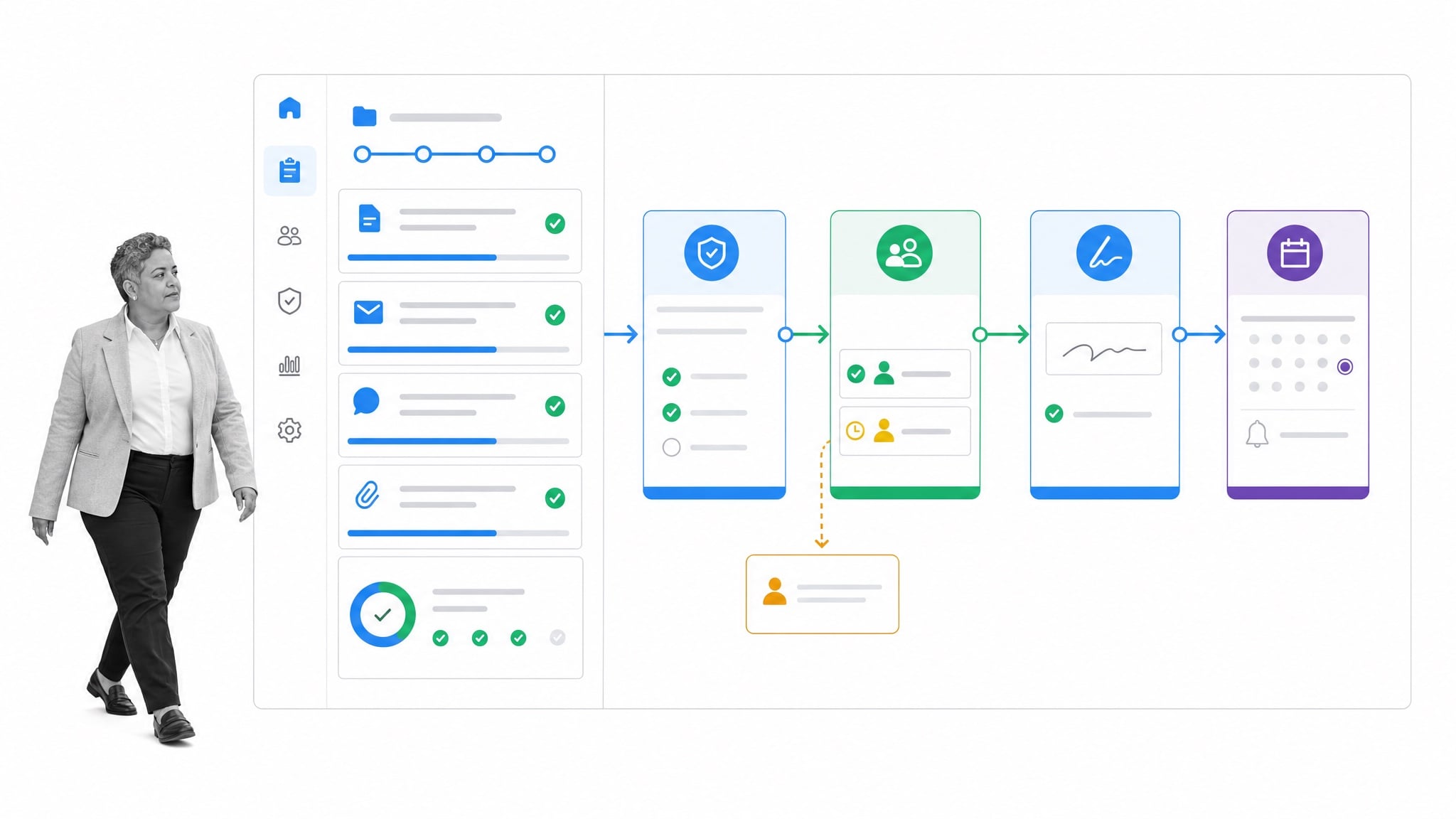
Employee Discipline Checklist provides a structured route for evidence, policy checks, approvals, acknowledgement, and review.
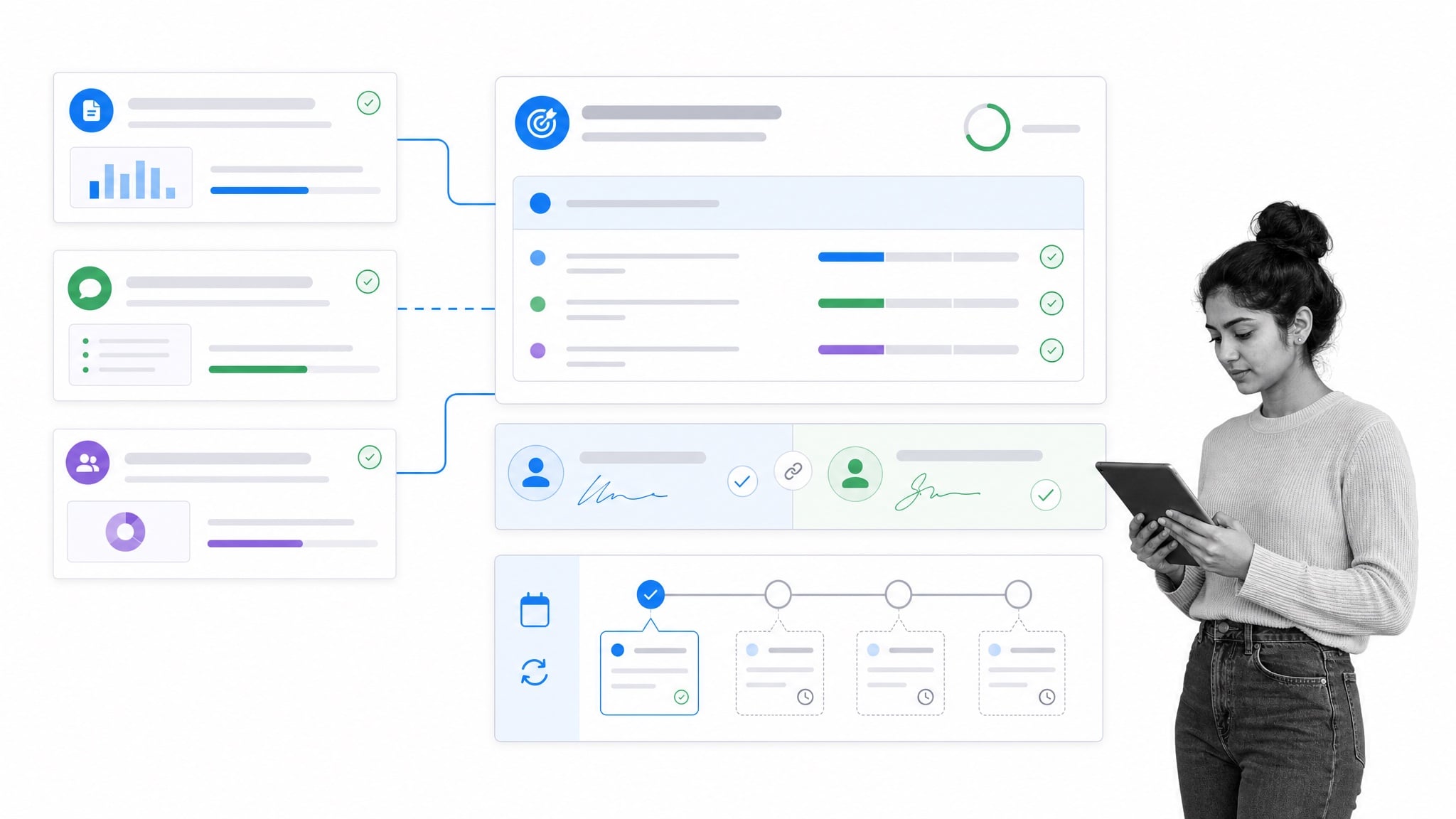
Performance Review Checklist connects evidence and feedback to shared goals and recurring progress checks.
More relevant employee-management workflows
- Performance Management
- Performance Review Template
- Employee Complaint Procedure
- Code of Conduct Policy Adherence Process
- Employment Termination Checklist
Confronting an employee: Praise in public, coach in private
Corrective feedback should normally be private. Public confrontation adds embarrassment and defensiveness without improving the quality of the conversation. Recognition can be public when the employee welcomes it, but not everyone does, so learn how each person prefers to be acknowledged.
Keep praise genuine and separate from the correction. Then close the difficult conversation with a shared summary: what happened, what needs to change, what support is available, who owns each action, and when you will review progress.
Confronting an employee is part of management. With evidence, listening, clear expectations, and a consistent follow-up process, the meeting can protect standards without sacrificing dignity. Turn that approach into a workflow, and every manager has a fairer starting point when the next difficult conversation arrives.
The post Confronting an Employee? 11 Communication Mistakes Managers Make first appeared on Process Street | Compliance Operations Platform.


0 Commentaires