Employee engagement is the strength of an employee’s connection to their work, team, and organization. Engaged employees understand what success looks like, see why their contribution matters, receive useful support, and have a fair chance to grow. It is not constant enthusiasm or a perk program. It is the result of how work is designed and managed.
That connection affects whether a team can do productive work without burning out. This guide explains why employee engagement matters and gives you eight practical strategies for improving it: clear values and goals, meaningful work, frequent communication, healthy culture, manager support, personal growth, recognition, and firm limits on work hours.
Why employee engagement matters
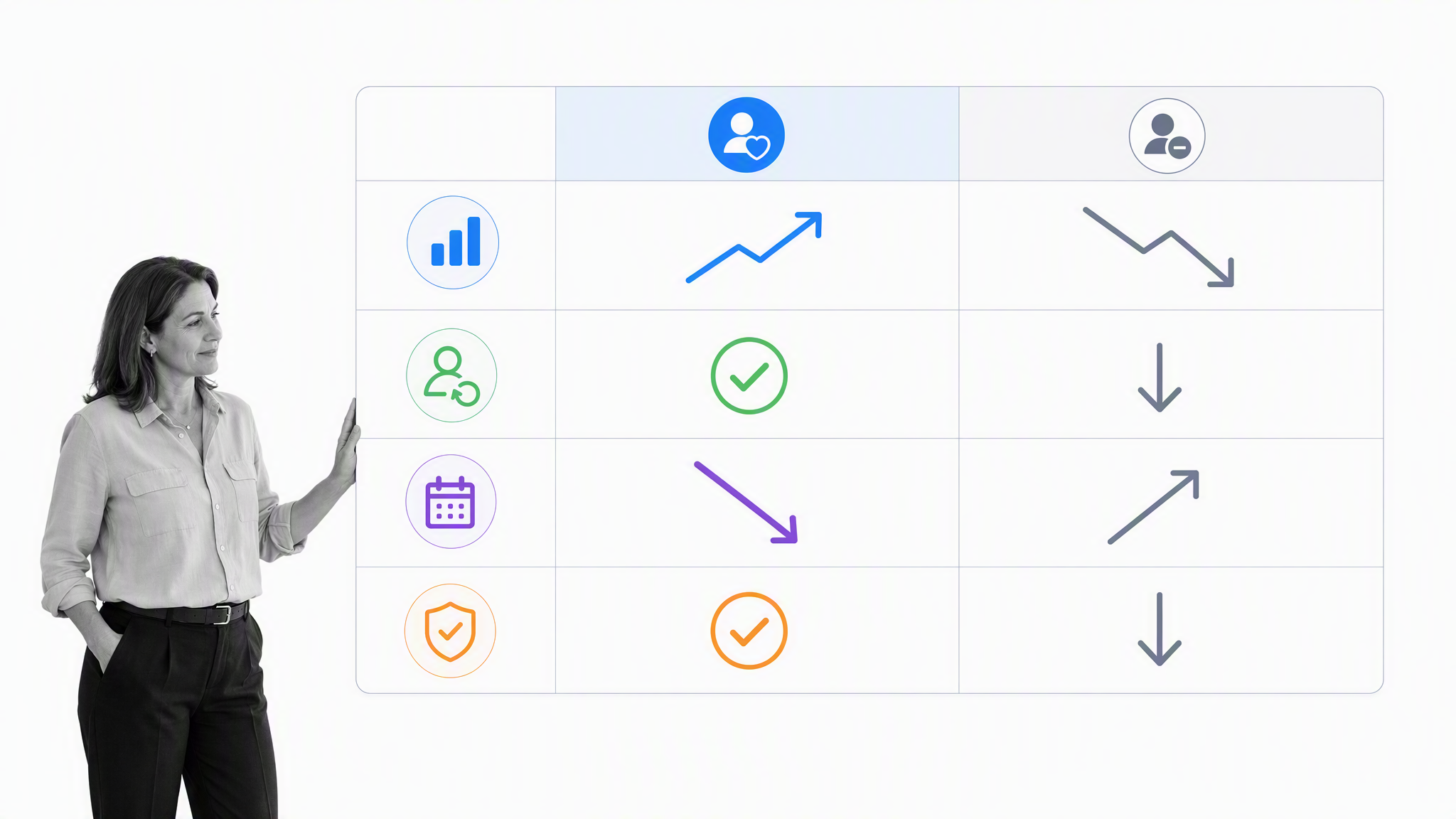
Employee engagement influences how much useful work a team gets done, how often mistakes and safety incidents occur, and whether people intend to stay. It is one of the reasons a group with similar skills can produce very different outcomes under different managers. The effect is not magic. Clarity reduces rework, support removes obstacles, recognition reinforces effective behavior, and trust makes it safer to raise problems before they grow.
The scale of the problem remains substantial. Gallup reported that global employee engagement fell to 20% in 2025. Gallup also estimated that low engagement cost the global economy about $10 trillion, equal to roughly 9% of global GDP. These are global estimates, not a forecast for any one company, but they show why leaders should treat engagement as an operating condition rather than a soft extra.
A stronger case comes from repeated outcome research. Gallup’s 11th Q12 employee engagement meta-analysis compares business units and links higher engagement with better retention, productivity, profitability, customer loyalty, quality, wellbeing, and safety. In that analysis, highly engaged business units had 63% fewer safety incidents than low-engagement units. The exact gain will vary by role and environment, so use the evidence to justify disciplined measurement, not to promise a universal return.
Turnover costs are also contextual. Replacing an employee involves lost capacity, recruiting, selection, onboarding, manager time, and the delay before a new hire is fully effective. Gallup’s employee engagement research describes role-dependent replacement costs rather than one dramatic percentage for every job. The practical lesson is straightforward: understand regrettable turnover in your own workforce and address the conditions that make valued employees leave.
Measure engagement with more than one number. A survey can show direction, but it needs response-rate context, privacy thresholds, consistent questions, and a visible action plan. Pair it with retention, absence, internal mobility, workload, customer outcomes, quality, and manager routines. Do not use a team score to label an individual. Use it to ask what part of the working system needs attention.
Employee engagement strategies
Being such a broad term, there are far too many employee engagement strategies to cover here. These eight stand above the rest as a solid core for more intricate techniques that suit employees’ individual needs. They work together. Goals without support create pressure, recognition without fair work design feels hollow, and surveys without follow-through reduce trust.
- Set clear values and goals.
- Show why their work matters.
- Communicate clearly and frequently.
- Create a solid, friendly company culture.
- Help employees with their problems.
- Give room for personal growth.
- Give recognition where it is deserved.
- Set hard limits on work hours.
Set clear values and goals
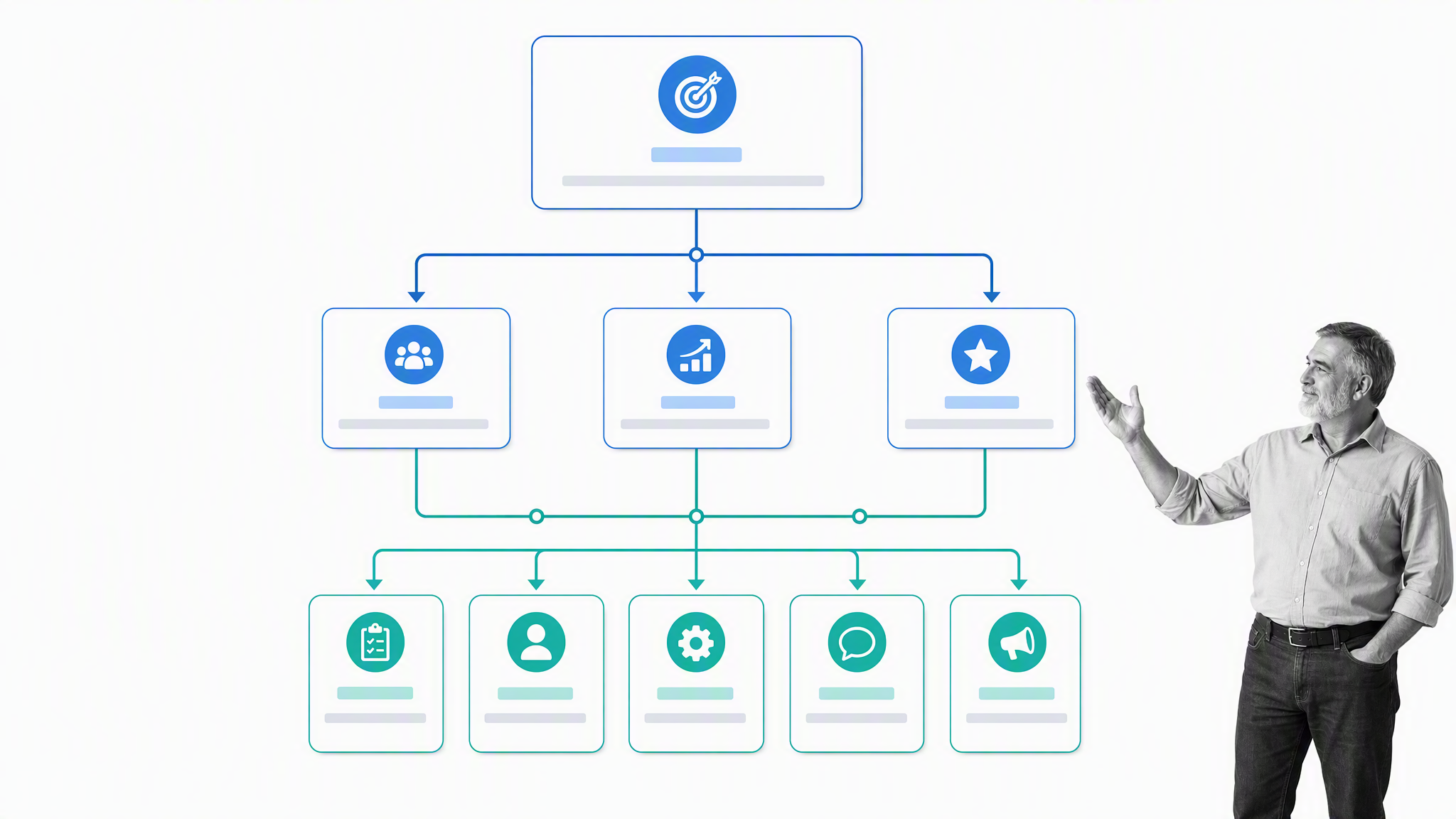
Employee engagement is all about getting your team to care about their work. They cannot care about something they do not understand. A solid set of goals and values helps give work context and shows the kind of thought process that needs to go into the effort. Employees should understand the small details they need to note, but they should also have enough autonomy to choose the best route to the outcome.
Translate organization-level goals into team outcomes and individual responsibilities. A useful goal names the result, deadline, owner, constraints, and evidence of completion. It also explains tradeoffs. If speed matters more than polish for one experiment, say so. If accuracy, safety, or customer trust cannot be compromised, make that explicit. People should not have to guess which target wins when priorities collide or which action to focus on.
Values become credible only when they guide decisions. Leaders should be able to point to hiring, prioritization, recognition, and promotion choices that reflect them. Review goals when the operating environment changes instead of asking employees to pursue an obsolete target. Clarity does not remove autonomy. It gives employees a boundary inside which they can act with confidence.
Show why their work matters
It is all too easy to tell someone to complete a task and then leave them to get on with it. The task will usually get done, especially if a deadline is set, but there is every chance that the result will cover only the bare minimum. To get exceptional results, show why the work matters and what effect it is intended to have.
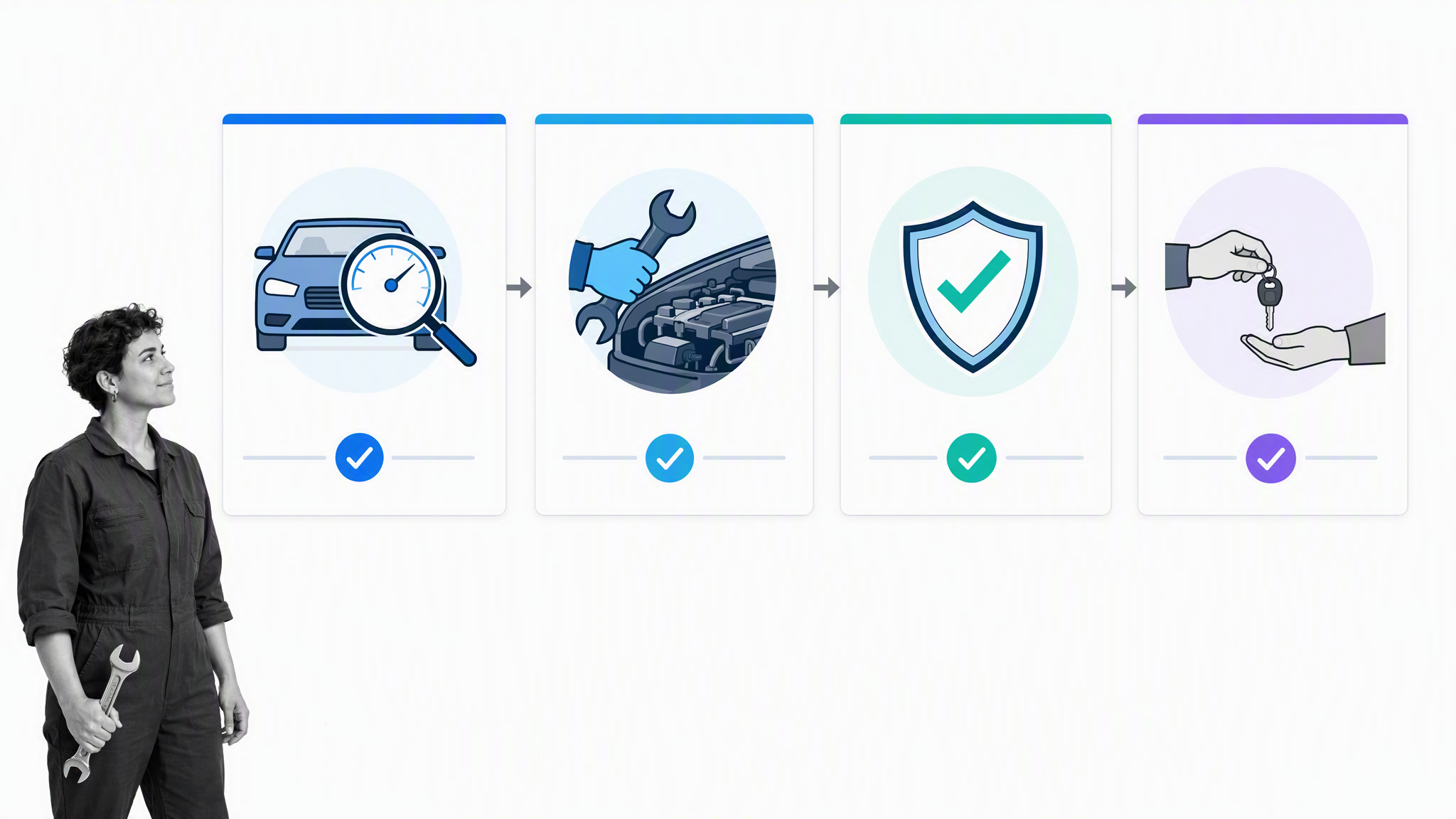
Think of a garage. Mechanics need to understand that their work directly affects the livelihood and safety of every customer who pulls in. If maintenance is rushed or incomplete, the consequence is not simply a missed internal target. The customer may lose transport, face a safety risk, or decide never to return. That connection between craft and outcome helps employees make better decisions when a procedure cannot anticipate every situation.
Show the line from the task to the customer, colleague, risk, or business result. Share specific feedback, not vague slogans. Let a support team hear which explanation helped a customer recover. Let an operations team see how an accurate handoff prevented rework. When results are distant, use a simple workflow map so each role can see who depends on its output.
Communicate clearly and frequently
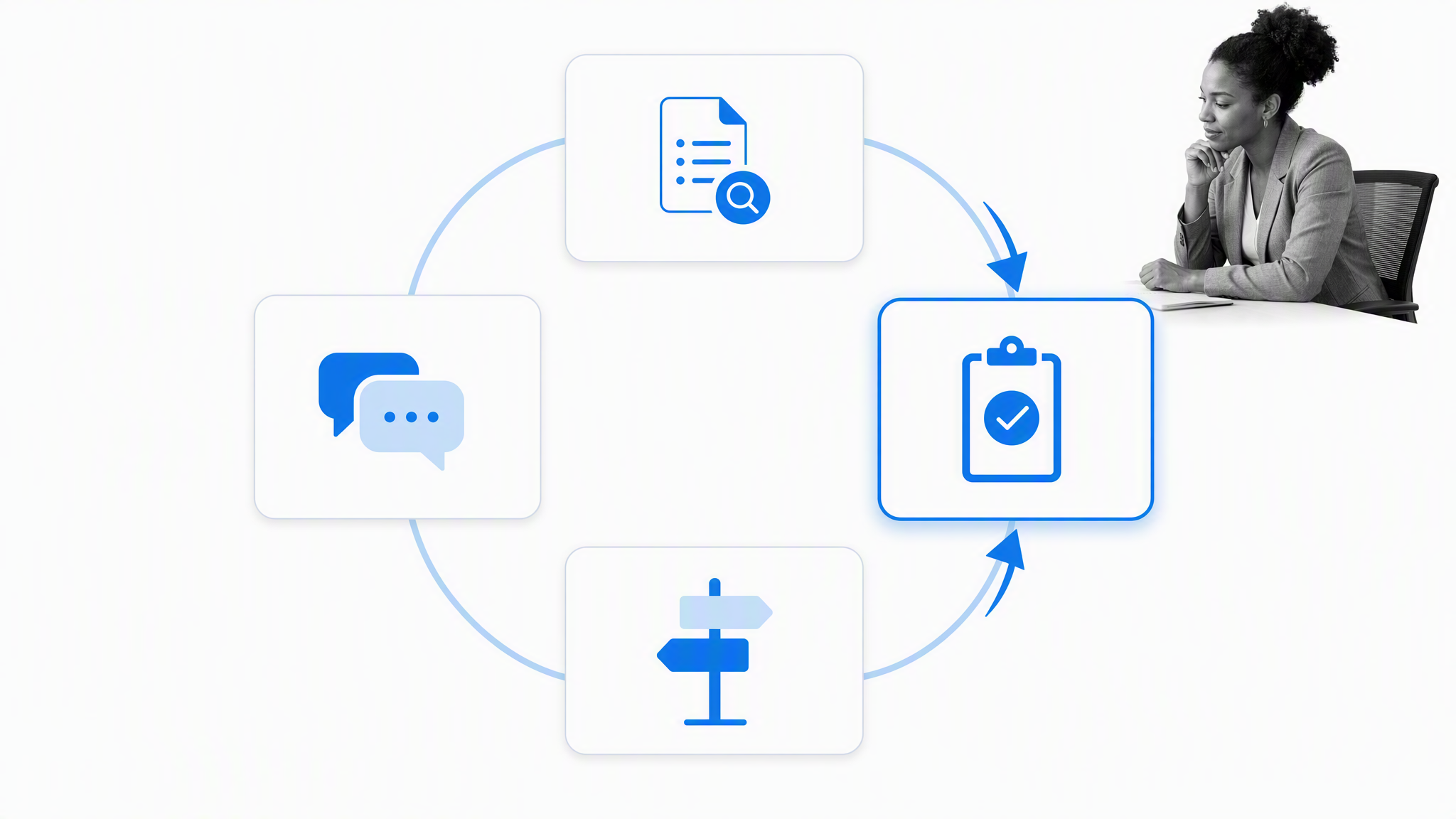
Communication is the backbone of any high-functioning team. The more managers talk with employees, the more people understand their duties, become comfortable with their work, form bonds with colleagues, and feel that their voice is being heard. Communication skills are especially important in employee onboarding and cross-team collaboration. Clear written decisions, useful meetings, and familiar channels help remote employees know what they should be working on, who they need to work with, and how to raise obstacles.
Managers have the greatest leverage because they translate organization-wide priorities into daily work. Gallup’s workplace research reports that only 21% of employees strongly agree they received meaningful feedback from their manager in the past week, while employees who receive valuable feedback are far more likely to be engaged. The standard is not nonstop praise. It is a conversation that is timely, specific, fair, and connected to what happens next.
Use one-to-one conversations to surface obstacles, priorities, development, and wellbeing. Use team updates for dependencies and decisions. Document commitments so remote and asynchronous colleagues are not disadvantaged. Close the loop after employees raise a concern, even when the answer is no. Silence makes people assume that speaking up changes nothing.
Communicating clearly and frequently matters even more on an entirely remote team, where no one regularly meets in person. Everyone should know what they need to do, communicate freely throughout the company, and have full autonomy in cross-team collaboration. Whether talking in person, over the phone, or in a chat app, speak clearly, frequently, and openly about the decisions that affect the work.
Create a solid, friendly company culture
Company culture is the pattern of behavior people experience, especially under pressure. It includes how leaders respond to mistakes, how work is distributed, who gets heard, whether decisions are explained, and what behavior earns status. A poster cannot repair a culture that rewards the opposite behavior.
A healthy culture sets realistic expectations, makes it safe to disagree respectfully, gives people enough downtime, and provides opportunities for personal and professional growth. It also holds people accountable. Psychological safety does not mean avoiding hard feedback; it means a person can raise a problem, admit uncertainty, or challenge an assumption without humiliation or retaliation.
Test culture claims against daily evidence. Are promotions and recognition consistent with stated values? Can employees find decisions and procedures? Do managers address harmful behavior from high performers? Are remote employees included in information and opportunity? The answers reveal more than an annual culture campaign.
Help employees with their problems
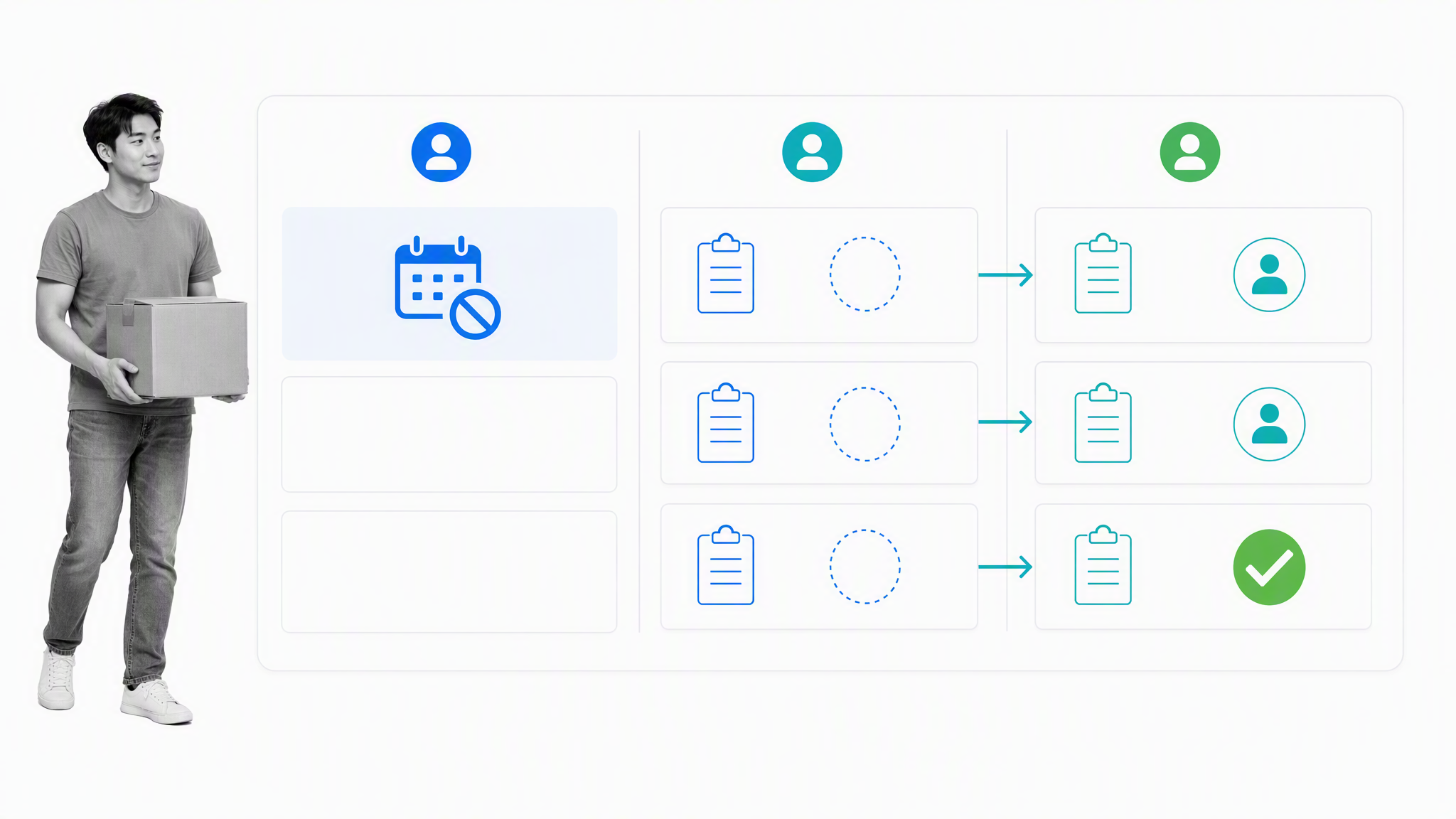
An employee’s problem is a team problem, and their manager is responsible for helping remove the obstacle. When the problem is work-related, talk with the employee, identify the issue, suggest a solution, refer them to a team member with outside expertise, work through the task, or provide further training resources. The purpose is not to take over everything. It is to help the employee regain a workable path.
Personal problems require a different boundary. Managers should not pry, diagnose, or demand private details. They can ask what adjustment would help, explain available support, and discuss workload, time off, deadlines, and coverage. A former Process Street team member once had only two weeks to prepare for a house move that required a five-hour drive and time to set up an unfurnished home. The useful management response was not curiosity about the private situation. It was practical planning.
The team adapted workloads, shuffled tasks, changed priorities, and created coverage so the employee could take a week off and return ready to work. That is what support looks like operationally: privacy is respected, essential work has a clear owner, and colleagues are not surprised by a last-minute gap.
Give room for personal growth

One of the best motivators at work is the knowledge that you are progressing. By completing a current task, an employee can get closer to a higher milestone that offers a tangible benefit going forward. Employees need room for personal growth and a credible way to build capability, take on new responsibility, or move toward work that fits their strengths. Growth can include a specialist path, project leadership, a lateral move, mentoring, new tools, or time to practice a skill.
Discuss what kind of growth matters to the employee, then create a concrete opportunity to demonstrate it. Define the new responsibility, support available, evidence of readiness, and review point. Avoid assigning stretch work indefinitely without recognition, authority, or a decision about the next step.
A former Process Street team member started as a content writer, discovered an interest in editorial and review work, and moved into editing. An interest in voice acting then created opportunities to contribute to videos, eventually leading to responsibility for video production. The important lesson is not that every hobby becomes a new role. It is that managers who notice capability and make room to test it can uncover valuable paths that a rigid job description would miss.
Give recognition where it is deserved
Everyone wants to have their achievements acknowledged. People want to know that others have seen the hard work they have done and will give praise or feedback on the results. Recognition reinforces effective behavior, connects an employee’s contribution to a wider outcome, and tells the rest of the team what good work looks like. Give kudos where it is deserved and be specific enough that the person knows what to repeat.
Name the action, the standard it met, and the effect it had. A private thank-you may be appropriate for someone who dislikes public attention. A team shout-out may help others learn from the example. Compensation, promotion, and workload must still be handled fairly; praise is not a substitute for those decisions.
Recognition also needs breadth. Watch for invisible coordination, documentation, mentoring, prevention, and cleanup work that is easy to miss because no crisis occurred. Ask employees how they prefer to be recognized and keep the practice timely. A delayed generic message carries less meaning than a direct acknowledgment connected to the work.
Set hard limits on work hours
Hard limits on work hours protect engagement because no level of motivation makes sustained overload healthy. Employees volunteering overtime is not usually a sign of employee engagement. It is more commonly a sign that workloads are imbalanced, time management is lacking, or stress is mounting. Regular overtime can also reveal unclear priorities, inadequate staffing, or weak process design.
Managers should review capacity, not just deadlines. Ask what will be delayed when urgent work enters, document on-call expectations, create coverage for leave, and monitor whether the same people repeatedly absorb last-minute work. Leaders should model the boundary by taking time off and avoiding routine after-hours requests that create an unspoken response expectation.
An occasional extra hour may be a reasonable personal choice. A repeated pattern needs investigation. Remove low-value work, change the scope, move the deadline, add capacity, or improve the workflow. Sustainable productivity comes from a system that can recover, not from people operating permanently at their limit.
Master the recurring workflow

Recurring workflows can improve employee engagement when they remove avoidable friction instead of adding bureaucracy. Repetitive coordination, status chasing, data entry, and ambiguous handoffs consume attention that people could use for judgment, craft, customer work, and improvement.
Start with a recurring engagement routine such as a manager check-in, recognition review, pulse-survey follow-up, development-plan review, onboarding checkpoint, or workload check. Document the purpose, trigger, owner, inputs, decision points, escalation path, and evidence of completion. Make the workflow light enough to use and specific enough that employees know what will happen after they contribute.
Process Street is one Compliance Operations Platform with Docs and Ops capability areas plus built-in AI. Docs gives teams a governed place for procedures, policies, manager guidance, and engagement standards. Ops turns that guidance into recurring workflows with assignments, forms, due dates, approvals, conditional paths, and evidence. Built-in AI can help summarize approved feedback or prepare a manager brief inside those controls, while people retain responsibility for interpretation and employment decisions.
Automations should support follow-through. For example, a completed check-in can route an agreed action to the right owner, request approval where needed, and notify a channel without someone copying the same status between tools. Current guidance for configuring these connections is available in the Process Street Automations documentation and Slack integration documentation.
At the most basic level, workflows take tedious, repetitive tasks off employees’ shoulders so they can focus on more important and enjoyable tasks. They also make it easier to keep track of who is doing what, obstacles that get in the way, and improvements the team could make. A final result that involves multiple people performing multiple roles needs visible handoffs, clear responsibilities, and a reliable notification when the next person should act.
The same discipline helps with hiring and early employee experience. A clear onboarding checklist gives new hires and managers shared expectations, ensures essential access and support are not missed, and creates a reliable moment to collect feedback. The workflow should make the human conversation easier, not replace it.
Communication is king
The eight employee engagement strategies work as a system, but communication remains the thread connecting them. Goals must be explained. Meaning must be visible. Culture is learned through behavior. Support requires listening. Growth depends on candid conversations. Recognition must be expressed. Boundaries need explicit priorities and coverage.
Begin with one useful loop: ask a focused question, listen without defending, name what you learned, assign an action, and report back. If the organization cannot act on a request, explain why and what can happen instead. Repeating that loop builds more trust than launching another channel that collects feedback and goes quiet.
Keep the loop proportionate. A weekly manager conversation can resolve a local obstacle, while a quarterly survey may reveal a pattern that needs leadership attention. Publish the few commitments that employees should expect, give each one an owner and date, and return with evidence of what happened. Where confidentiality limits what can be shared, explain the boundary rather than disappearing. This makes communication predictable without filling calendars with meetings.
It also creates a practical improvement cycle. Compare the current signal with the last one, check whether the affected group is large enough to interpret safely, and look for an operating cause before choosing an intervention. Then measure whether the action changed the condition. Engagement improves through repeated evidence and follow-through, not a one-time campaign.
Employee engagement is not a buzzword when it changes how work is managed. It is a practical standard for creating happier, more effective teams: people know what matters, can do their work well, receive support and feedback, see a path to grow, and believe that speaking up leads to a fair response.
Employee engagement FAQ
What is employee engagement?
Employee engagement is the strength of an employee’s connection to their work, team, and organization. It reflects clarity, meaning, support, trust, growth, recognition, and sustainable work design. For a deeper definition and measurement overview, read what employee engagement is.
How can managers improve employee engagement?
Managers can improve employee engagement by setting clear priorities, giving timely and specific feedback, removing obstacles, connecting tasks to outcomes, supporting development, recognizing useful work, and protecting sustainable boundaries. They should also close the loop when employees raise a concern.
How should employee engagement be measured?
Use a consistent survey with privacy safeguards, then interpret it beside response rate, retention, absence, internal mobility, workload, quality, customer outcomes, and manager routines. Measure trends and sufficiently large groups. Do not use a team score to label or predict an individual.
What are examples of employee engagement activities?
Useful activities include focused one-to-ones, goal reviews, peer recognition, development planning, onboarding checkpoints, workload and leave coverage reviews, and structured follow-up on employee feedback. Choose activities that improve a real working condition, assign owners, and make the resulting action visible.
The post Employee Engagement: How to Get a Happy, Productive Team first appeared on Process Street | Compliance Operations Platform.


0 Commentaires