Corporate sustainability means creating long-term environmental, social, and economic value without treating any one of those dimensions as independent. It is both a strategy and an operating discipline: understand the system, decide which impacts matter, and make the work accountable.
Sustainability reporting is now mainstream. KPMG’s 2024 survey found that 96% of the world’s 250 largest companies and 79% of the largest 100 companies in the countries studied publish sustainability or ESG information. Reporting alone is not performance, but the trend raises the standard for reliable data, governed processes, and defensible claims.
No company can solve a global crisis alone. It can understand where its decisions connect to the wider system, reduce the harm it controls, collaborate where responsibility is shared, and build evidence that its actions work. This guide explains the three pillars of corporate sustainability, shows how systems thinking prevents unintended consequences, and turns the concept into practical action for operations, people, products, and suppliers.
- Corporate sustainability templates
- Corporate sustainability definition
- How to be more sustainable: System thinking
- Capturing opportunity for corporate sustainability
- Use Process Street to operationalize corporate sustainability
Corporate sustainability templates
We at Process Street have been working hard to create templates that will assist in the creation of a sustainable business. Below I have embedded a snap-shot of our top 6 sustainability-focused templates, free and ready for you to use right away. A more comprehensive template list is provided at the end of this article. Freely use any template from this list, to help you reach your corporate sustainability goals.BSR Greenwash Prevention Checklist
Greenwashing misleads people by presenting a product or organization as more sustainable than the evidence supports. Run the BSR Greenwash Prevention Checklist to test whether an environmental claim is specific, substantiated, and consistent with the wider impact of the business. Click here to access the BSR Greenwash Prevention Checklist! To learn more about Greenwashing read: Greenwashing: What It Is and How to Stop It (Free Template)Environmental Management Self Audit Checklist
Run this ISO 14001 Environmental Management Self Audit Checklist to perform an internal audit on an Environmental Management System (EMS) against requirements set out in ISO 14001:2026. Click here to access the ISO 14001 Environmental Management Self Audit Checklist!Achieving Work-Life Balance Checklist
Run this Achieving Work-life Balance Checklist when you need to do just that. Working outside working hours is not conducive to an employee’s good health, and therefore does not create a sustainable working environment. Click here to access this Achieving Work-Life Balance Checklist!Gap Analysis Template
Many sustainability initiatives look to improve upon a business’s operations so that they meet social and environmental needs. The gap between current operations and areas for improvement can be closed via gap analysis. Run this Gap Analysis Template to find the skills you have and the skills you need to reach your organization’s sustainability goals. Click here to access this Gap Analysis Template!Environmental Management System (EMS) Implementation Checklist Template
Use this Environmental Management System (EMS) Implementation Checklist Template to help you create a plan for the development and implementation of your environmental management strategy. Click here to access the Environmental Management System (EMS) Implementation Checklist Template!ISO 26000 Social Responsibility Performance Assessment Checklist
Sustainability means meeting economic, environmental and social needs. Run this ISO 26000 Social Responsibility Performance Assessment Checklist, to assess your organization’s performance according to the social responsibility guidelines set out by ISO 26000:2010. Click here to access this ISO 26000 Social Responsibility Performance Assessment Checklist!Corporate sustainability definition
Corporate sustainability integrates the environmental, social, and economic dimensions of doing business to create durable value for stakeholders. Corporate sustainability is a discipline that operates outside traditional attempts at business, that are short-term and profit-focused. It is an evolving paradigm that recognizes the importance of corporate growth and profitability, whilst also pursuing societal goals in relation to environmental protection, social justice, and equality.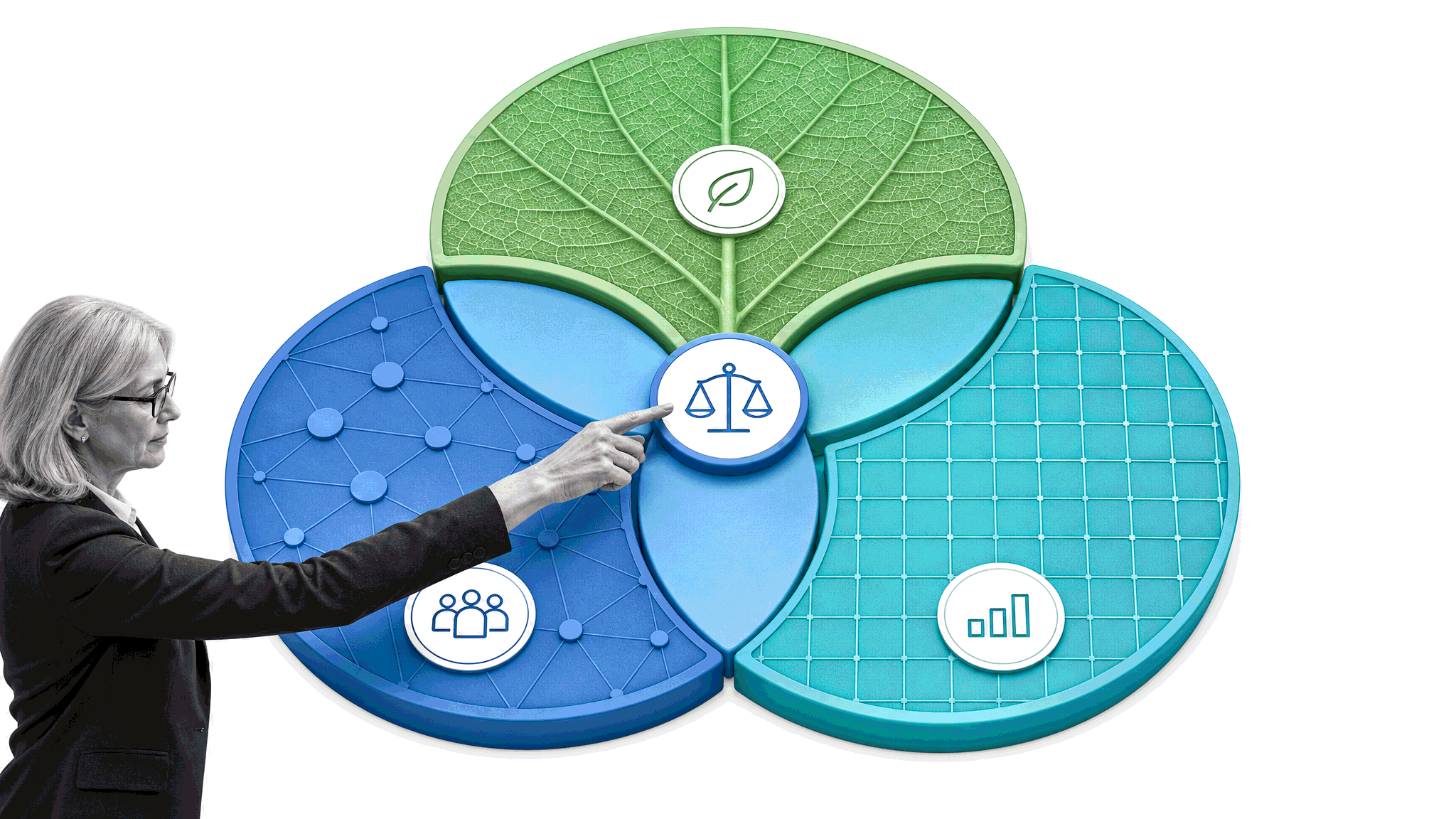
- Pillar one: The environment
- Pillar two: The society
- Pillar three: The economy

“From the small-scale economy of a single business, up to the larger-scale global economy, all financial facets are at the mercy of social and environmental factors, and it is the environment that ultimately deals the trump card“
Why sustainability is important: The benefits of corporate sustainability
To be sustainable means maintenance at a certain rate or level for as long as it is wanted. If you apply that definition to business, you can see why a sustainable business is desired. It means long-term business success, mitigating many external and internal risks. However, as a relatively new discipline, business sustainability often requires an initial investment of both time and money. Therefore, corporate sustainability can be seen as a hindrance to growth and prosperity in the short-term rather than a driver. This is, however, a false illusion.A credible corporate sustainability program can improve resilience, reduce waste, strengthen risk management, support customer and employee trust, and create better information for capital allocation. The value depends on material action and evidence, not on the label attached to an initiative.
- Lower operating costs through energy, material, and process efficiency.
- Stronger supply-chain visibility and earlier detection of environmental or social risk.
- Better access to contracts and capital where reliable sustainability information is required.
- More resilient products, services, facilities, and communities.
- Clearer accountability for public claims and regulatory obligations.
How to be more sustainable: System thinking

- The economy and its constituent parts
- Society and its constituent parts
- The environment and its constituent parts
- Type one ⇄: Simple-unitary, includes a small number of elements, with few interactions between elements, and well-defined laws of governance.
- Type two ↹: Complex-unitary, many elements, and interactions, sub-systems, and attributes that have not been pre-determined.
- Unitary: Participants have common interests and act following agreed objectives.
- Pluralist: Participants have basic compatibility in interests, but values and beliefs diverge to some extent.
- Coercive: Participants have few interests in common and share conflicting values and beliefs.
Taking a system-thinking approach to corporate sustainability: Case study #1 – Tackling air pollution in Mexico city
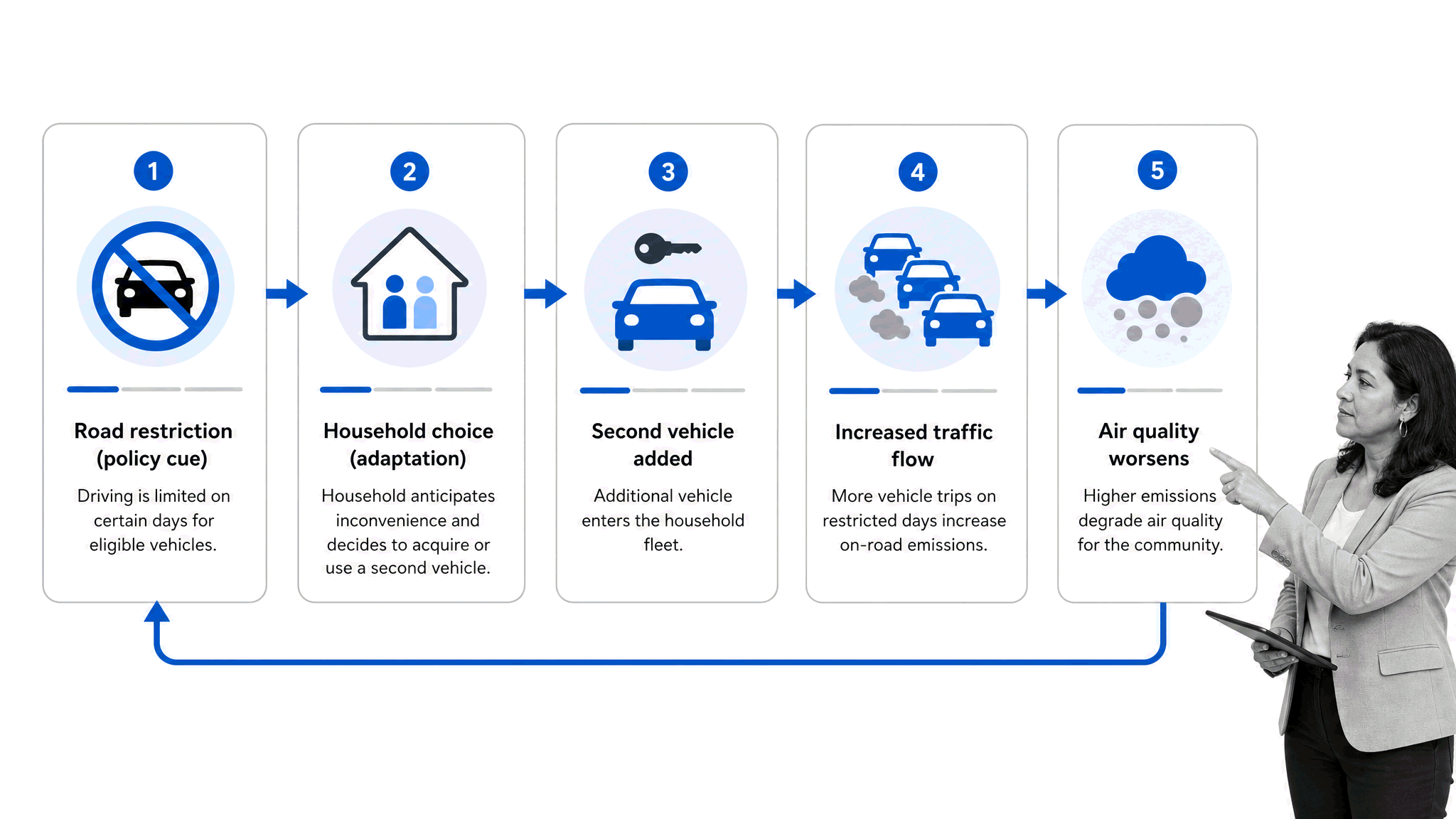
Taking a system-thinking approach to corporate sustainability: Case study #2 – Biofuels
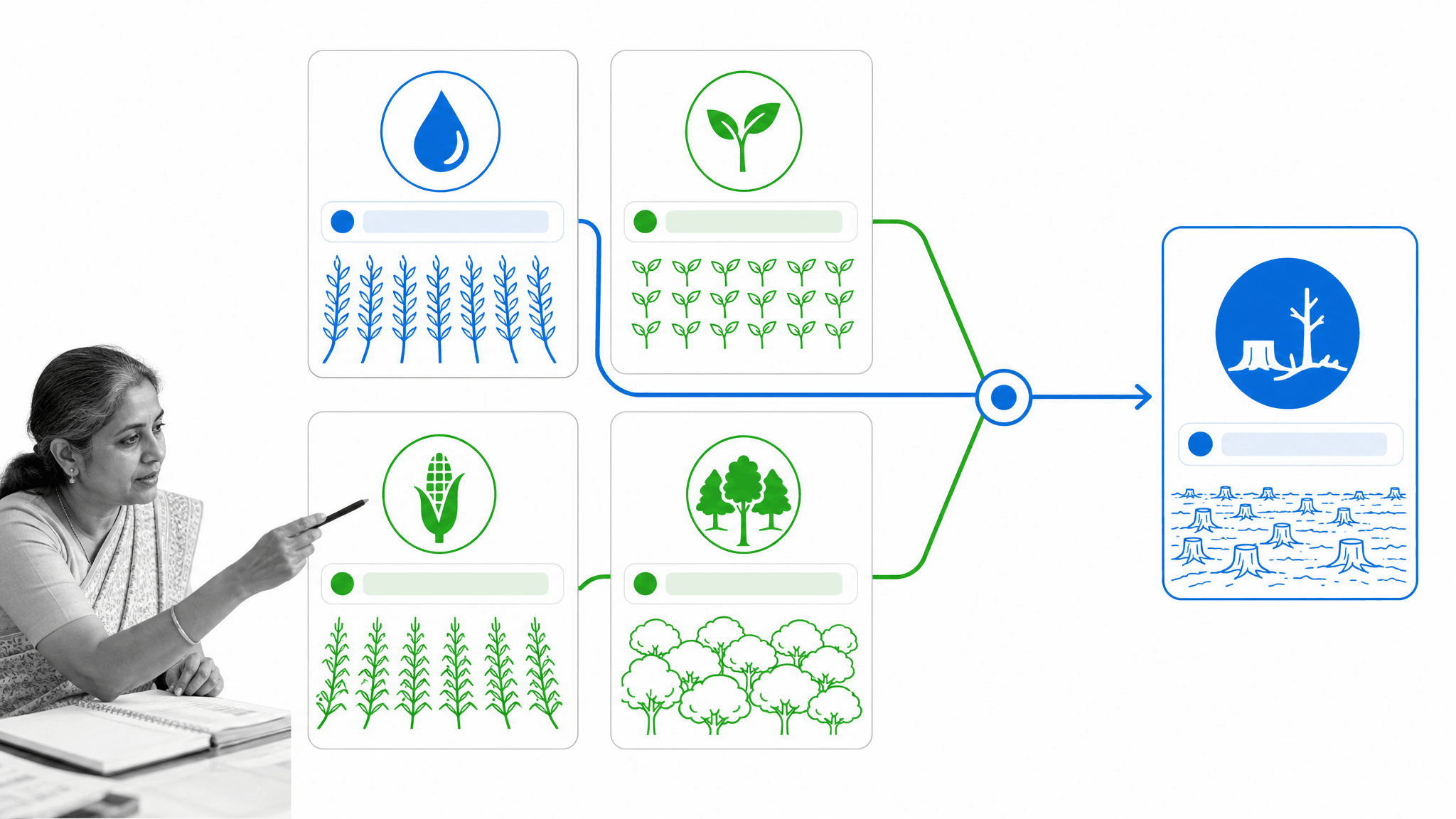
Systems as the underlying solution to corporate sustainability
Our planet is made up of many incredible and beautiful systems. You can think of these systems as the underlying code to everything that exists on Earth. Systems not only include the big systems, such as climate regulation and industrial processes. System thinking also incorporates smaller-scale systems, such as family and friend relations. Both smaller-scale and larger-scale systems interrelate. Without understanding this system complexity, as we have witnessed, there are unintended consequences to corporate sustainability measures. For more information on the system thinking approach to sustainability, watch: Why We Need to Think Differently About Sustainability, a talk by Leyla Acaroglu.Capturing opportunity for corporate sustainability
A corporate sustainability strategy becomes useful when it changes ordinary decisions. Start with the material impacts of the business, identify the people affected, and connect each commitment to an owner, a process, evidence, and a review cycle. That turns a broad ambition into work that can be measured and improved.
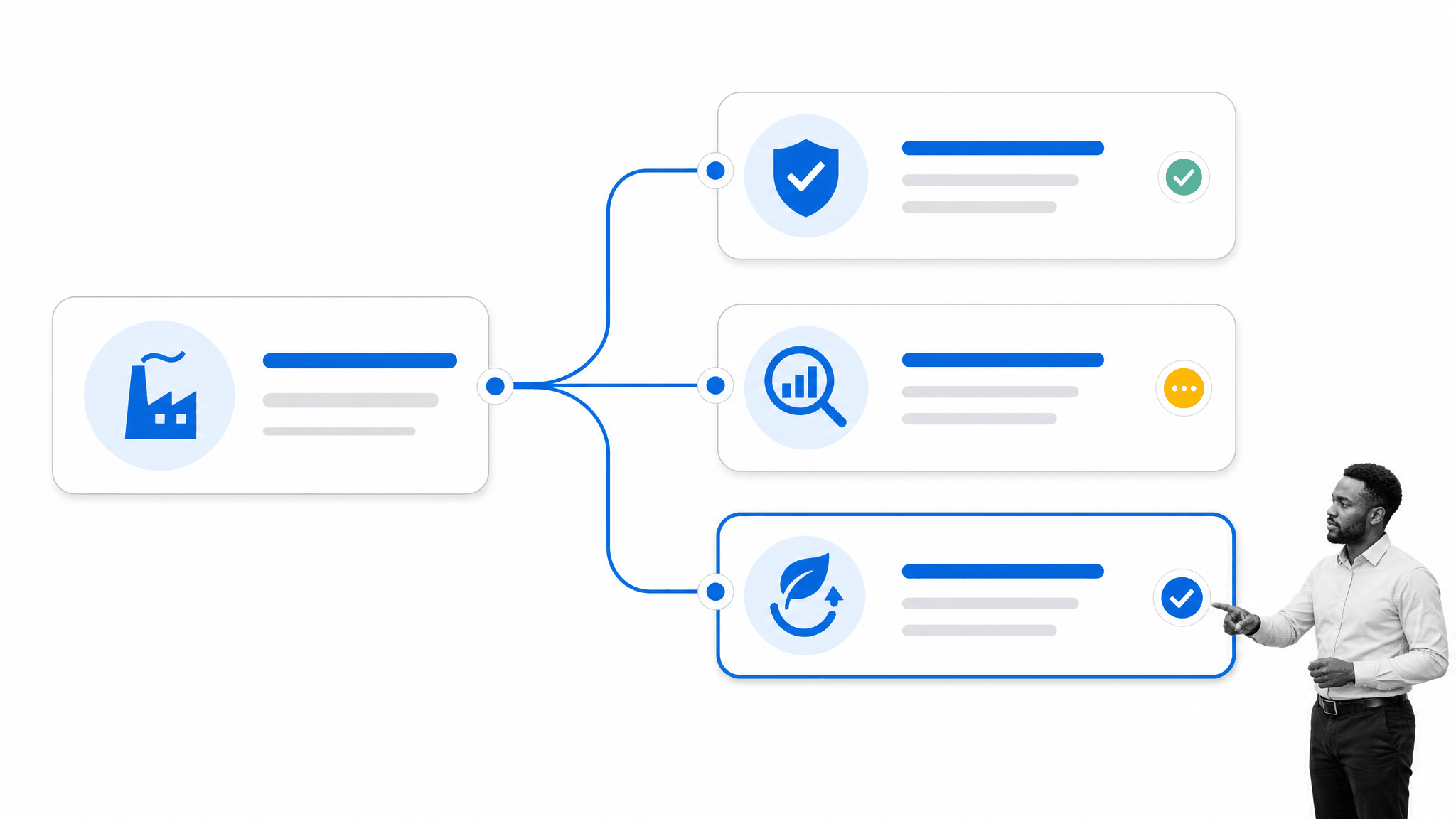
Materiality keeps the program focused. Environmental materiality asks how the organization affects climate, nature, water, waste, and communities. Financial materiality asks how sustainability conditions affect enterprise value, cash flows, access to resources, and risk. Depending on the reporting framework or legal obligation, a team may need to evaluate both. Even when a formal assessment is not required, documenting the boundary and the reasoning prevents targets from being chosen only because the data is easy to collect.
Translate each priority into a chain of accountability. A useful chain links the desired outcome, the operational driver, the control, the owner, the evidence, and the review. For example, a waste target may depend on purchasing specifications, receiving checks, production controls, reuse routes, and verified disposal records. If the team can only name the outcome metric, the strategy is not yet connected to the work that creates it.
Stakeholder input improves that chain when it is used as evidence rather than ceremony. Employees can identify unsafe workarounds, customers can expose use-phase impacts, suppliers can explain technical constraints, and communities can describe effects that company data misses. Record who was consulted, what was learned, which concern changed the decision, and why other concerns were not adopted. The record makes the tradeoff reviewable and gives the next planning cycle a stronger starting point.
Targets also need a time horizon and a reference point. Separate an absolute reduction from an intensity improvement, state the base year, and explain acquisitions, divestments, or methodology changes that affect comparability. Add milestones early enough to detect a weak trajectory. A distant ambition without near-term operational commitments can postpone action; a short-term metric without the long-term direction can reward changes that lock in future harm.
Capturing opportunity for corporate sustainability: Approach #1 – Going paperless
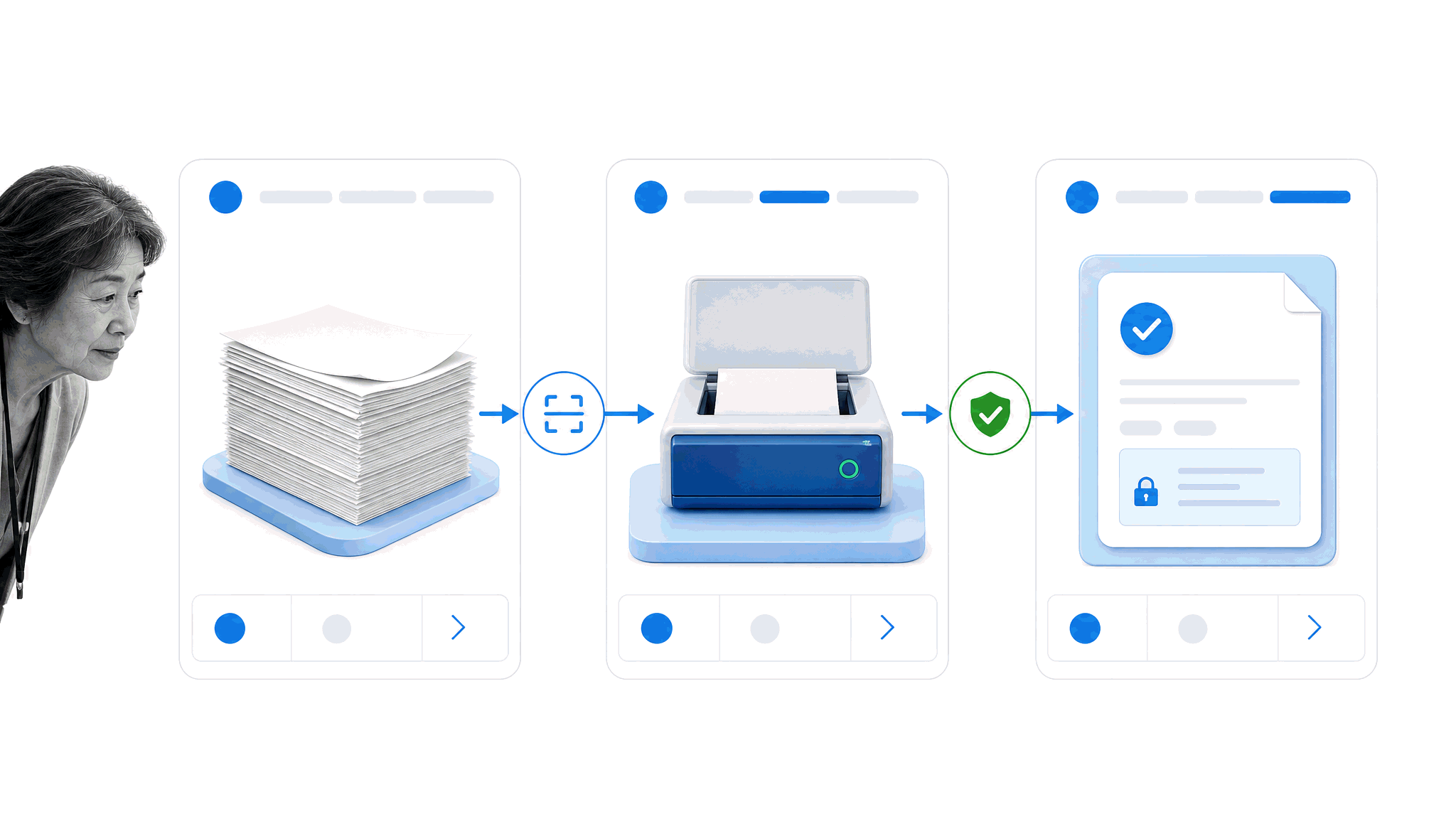
Paper is only one part of a workflow, but it is a useful place to expose waste. The United States Environmental Protection Agency tracks paper and paperboard as a major part of municipal solid waste. Reducing unnecessary printing can cut purchasing, storage, shipping, disposal, and document-control costs at the same time. See the EPA paper and paperboard data for current context.
Do not simply replace a paper form with an uncontrolled file. Map how information enters the process, who validates it, where approvals occur, how changes are recorded, and what evidence must be retained. A digital workflow should make the procedure easier to follow and the record easier to audit. Retention, access, backup, and deletion rules still apply.
Measure the whole change. Paper purchased, print volume, storage space, courier trips, rework, search time, and missing records can all reveal whether the redesigned process is actually better. The goal is not a symbolic paper ban. It is a more reliable information flow with a smaller material footprint.
A pilot makes the redesign safer. Choose a document-heavy process with a clear owner and a manageable number of participants. Record the current cycle time, error rate, print volume, and storage requirement. Run the digital process with real cases, interview the people who use it, and fix access or exception problems before expanding it. The environmental gain and the control improvement should be visible in the same review.
Capturing opportunity for corporate sustainability: Approach #2 – Going remote
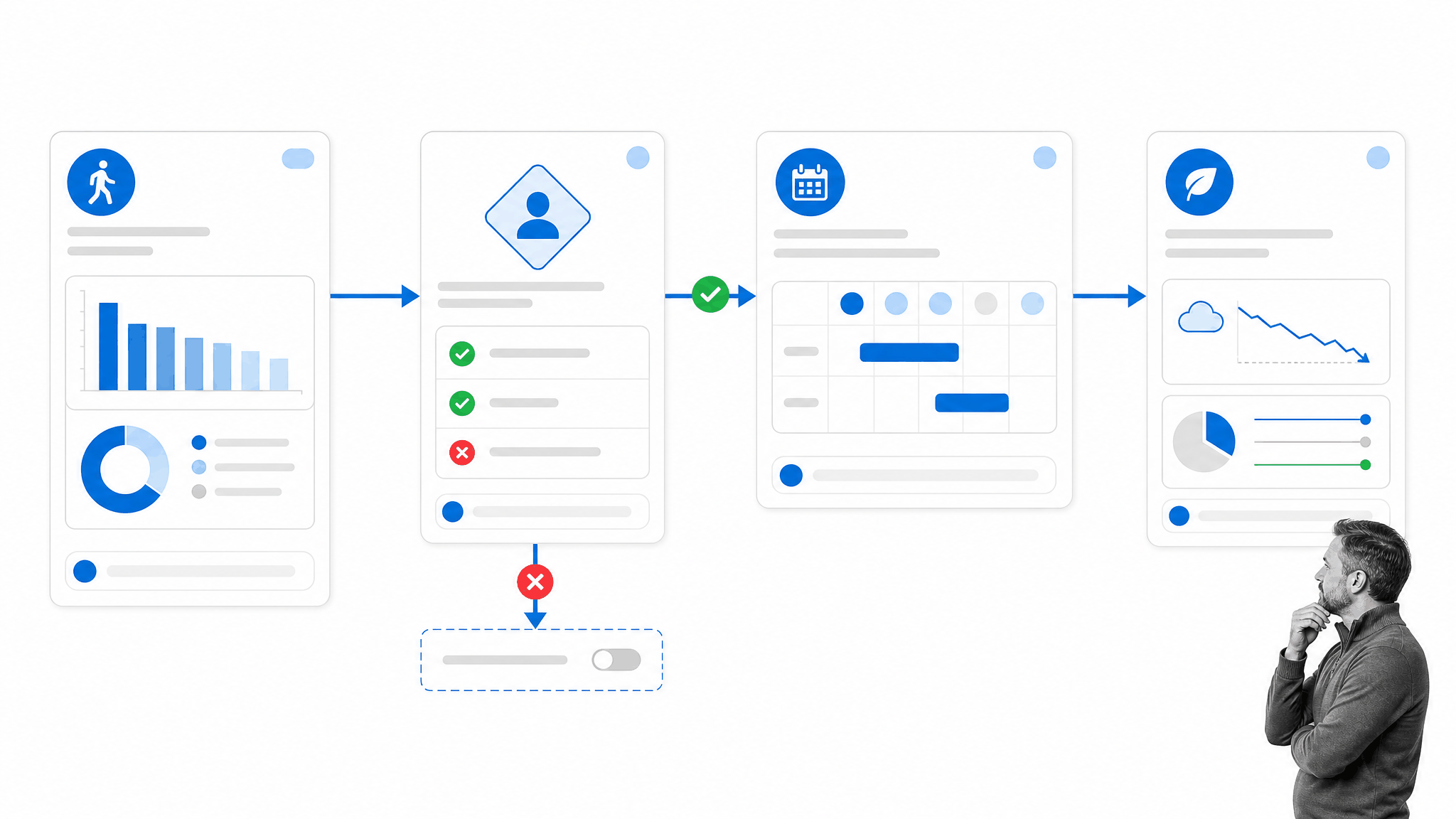
Remote and hybrid work can reduce commuting and office demand, but the outcome depends on travel patterns, home energy, building occupancy, equipment, and employee circumstances. Research in the Proceedings of the National Academy of Sciences shows why work location should be assessed as a system instead of treated as an automatic emissions reduction.
Start with the decision the organization is trying to improve. If the objective is lower travel emissions, measure commuting distance, mode, and frequency. If the objective is lower building energy, check whether space can actually be consolidated rather than heated, cooled, and lit for a lightly occupied workforce. Include business travel, home-office equipment, internet infrastructure, and the lifecycle of additional devices.
Social sustainability matters too. A policy that lowers travel but increases isolation, caregiving pressure, or unequal access to advancement is not a complete solution. Set expectations for availability, documentation, meeting load, inclusion, and work-life boundaries. Review the data by team and role so an average does not hide a group carrying the cost.
Capturing opportunity for corporate sustainability: Approach #3 – Paradigm shifts
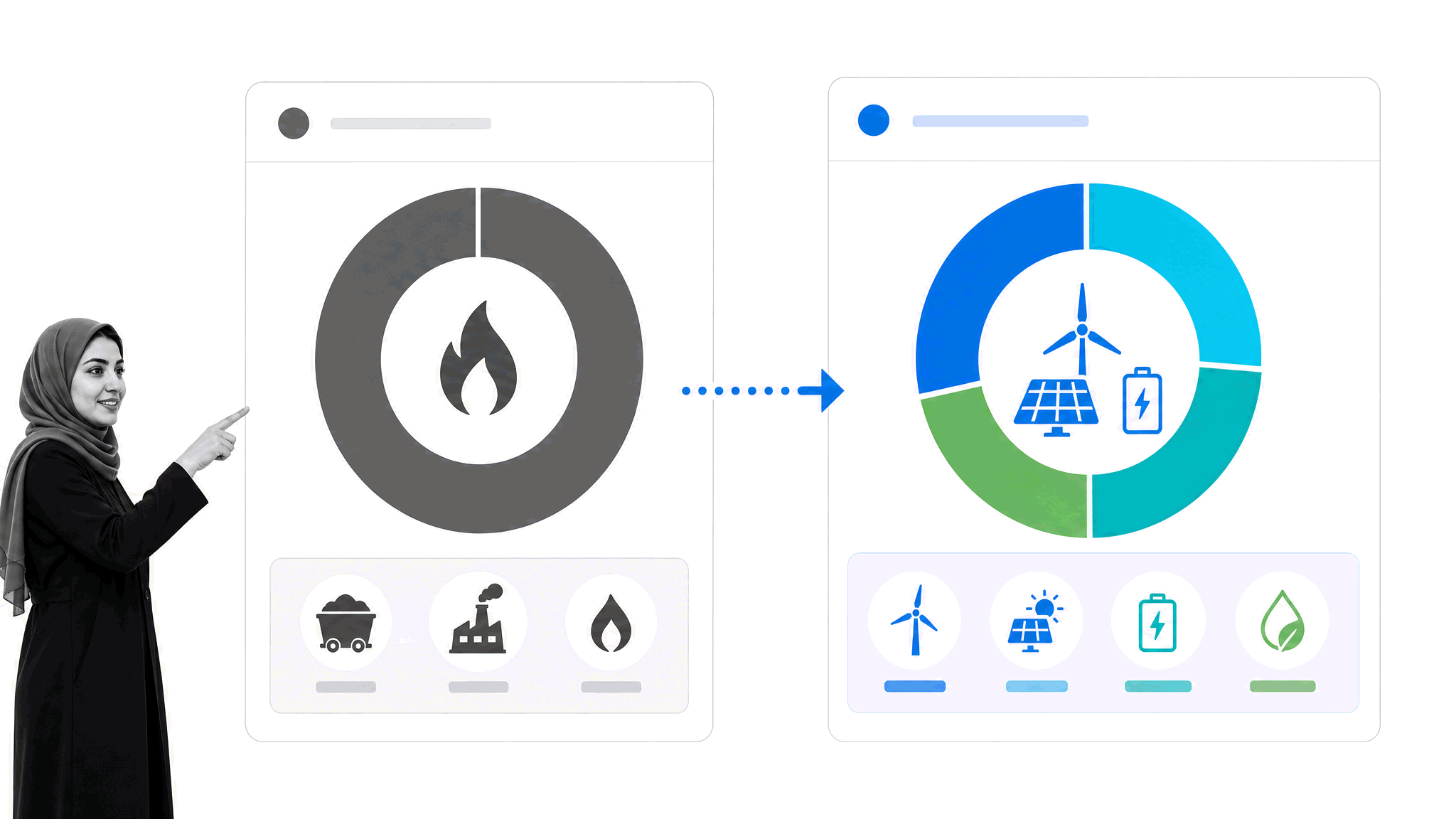
The largest opportunities often require changing the question. Instead of asking how to buy the same amount of energy more cheaply, ask which activity creates the demand, whether the activity is necessary, and how the service could be delivered with less energy. Instead of asking how to dispose of a material, ask whether it can be avoided, reused, repaired, or returned to a supplier.
This is where systems thinking protects a team from local optimization. A more efficient machine may still raise total consumption if it encourages higher throughput. A low-carbon purchase may shift harm into mining, land use, labor conditions, or end-of-life disposal. Trace the important upstream and downstream effects, then make tradeoffs explicit.
Build a current baseline before setting a target. An energy management system can help organize meter data, operational context, owners, and corrective actions. The same pattern applies to water, waste, materials, safety, and supplier evidence: define the boundary, collect reliable data, investigate variance, and connect findings to action.
Capturing opportunity for corporate sustainability: Approach #4 – Innovate
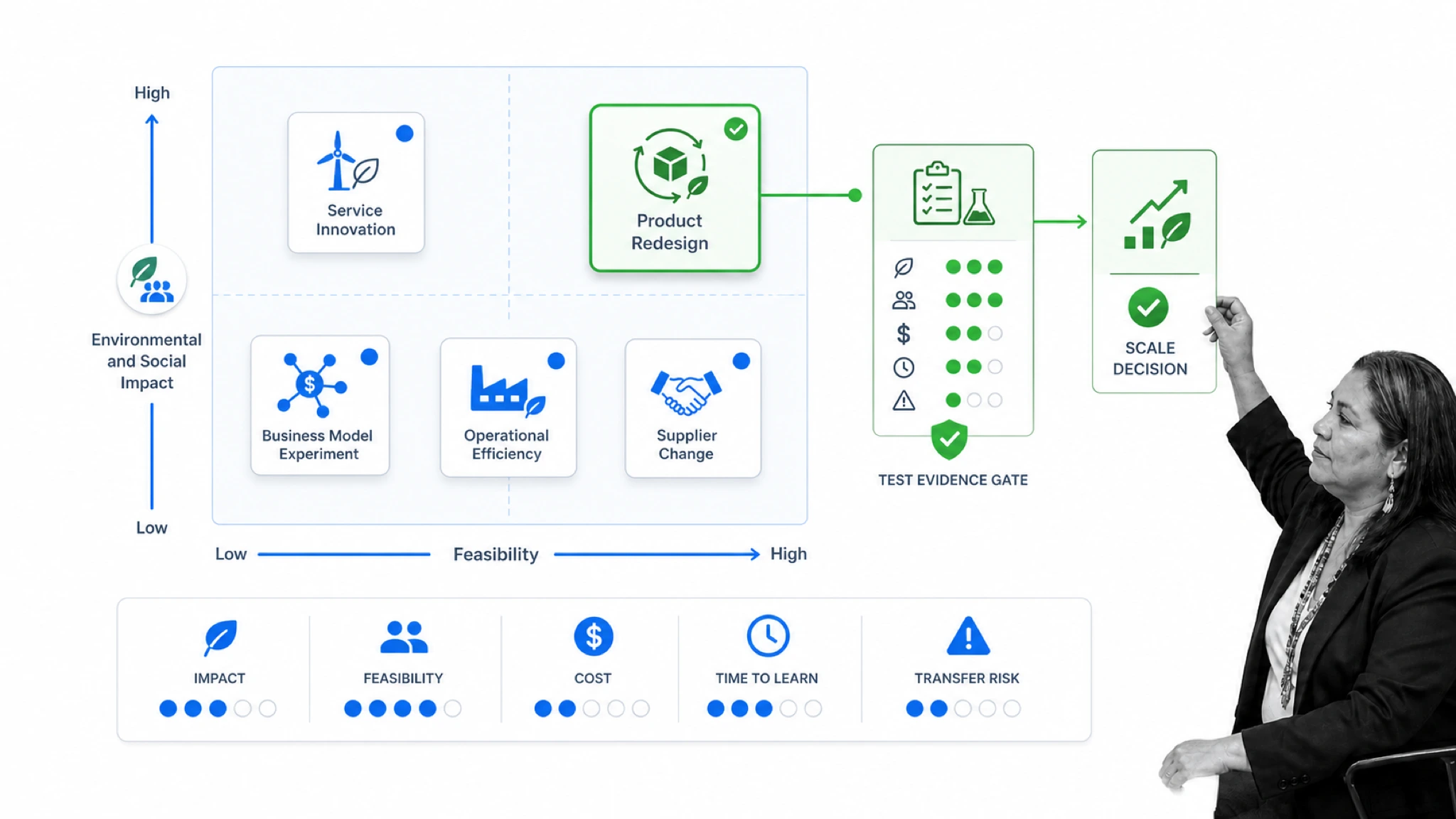
Innovation does not have to begin with a moonshot. A useful portfolio includes operational improvements, supplier changes, product redesign, new services, and business-model experiments. Score ideas against expected environmental and social impact, feasibility, cost, time to learn, and the risk of transferring harm elsewhere.
Run small experiments with clear assumptions. State what should change, how it will be measured, who can stop the test, and what evidence is needed before scaling. Include the people affected by the change. Operators, customers, suppliers, and community stakeholders often see constraints that are invisible in an executive dashboard.
Claims need the same discipline as operations. Avoid broad labels such as green, clean, or sustainable unless the scope and evidence are clear. Use the BSR Greenwash Prevention Checklist to review whether a claim is specific, substantiated, and consistent with the wider impact of the product or service.
Keep unsuccessful experiments in the learning record. A test that misses its target can reveal an incorrect assumption, a rebound effect, an adoption barrier, or a measurement gap. Capturing that evidence reduces the chance that another team repeats the same mistake. It also helps leaders distinguish responsible experimentation from projects that continue because their sponsors are reluctant to stop them.
Capturing opportunity for corporate sustainability: Approach #5 – Taking an integrated approach to sustainability
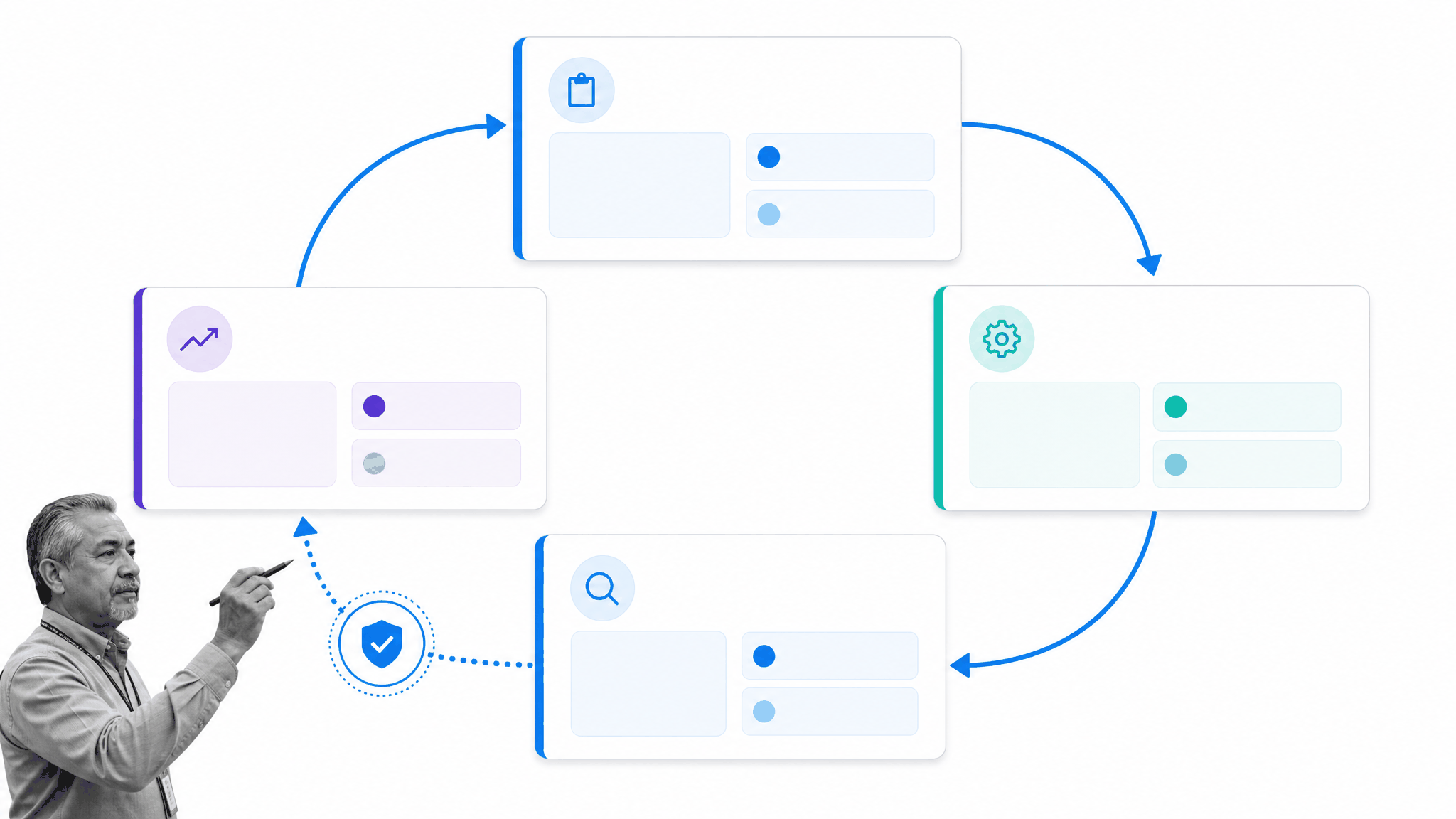
An integrated approach connects sustainability with the management systems the organization already uses. Strategy sets the direction; procedures define the expected work; operations produce evidence; monitoring detects variance; review changes the system. That is the practical value of the plan, do, check, act cycle.
Assign every material commitment to an accountable owner and a repeatable process. Define inputs, controls, approval points, records, escalation paths, and review frequency. Build indicators that combine outcomes with leading signals. Emissions, incidents, and turnover are outcomes; overdue controls, supplier evidence gaps, or recurring exceptions can show where the system is drifting before the outcome worsens.
Governance should match the significance of the issue. Operational owners need authority to correct routine variance. Cross-functional risks need a forum that can resolve conflicts among cost, delivery, quality, people, and sustainability. The board or executive team needs a concise view of material outcomes, major assumptions, unresolved exceptions, and the reliability of the underlying information. Escalation criteria should be written before a serious event tests them.
Data quality is part of the control environment. Define the source, unit, calculation method, organizational boundary, estimation rules, and responsible reviewer for every important metric. Preserve source evidence and changes to methodology. Where supplier or utility data is delayed, label estimates and replace them when verified information arrives. Consistent definitions make trends comparable and prevent a polished dashboard from concealing unstable inputs.
Standards can provide structure, but use the current edition and understand its scope. ISO 14001:2026 replaced ISO 14001:2026 in April 2026. ISO 26000:2010 remains guidance on social responsibility and is not a certifiable management-system standard. Existing templates based on older editions can still help teams inspect a process, but they must be reviewed against current requirements and the organization’s own obligations.
ISO 9001 and ISO 14001 Integrated Management System (IMS) Checklist
This embedded checklist is a legacy implementation aid. Review its ISO 14001 references against the 2026 edition and verify any ISO 9001 requirements against the edition that applies to your organization before using it as compliance evidence.
Access the ISO 9001 and ISO 14001 Integrated Management System Checklist.
Use Process Street as a tool to help you achieve corporate sustainability
Corporate sustainability fails when commitments live in a report but disappear from daily work. Process Street is a single Compliance Operations Platform with Docs and Ops capability areas plus built-in AI. Teams can document the approved procedure, run the work consistently, route approvals, handle exceptions, and retain evidence in one controlled system.
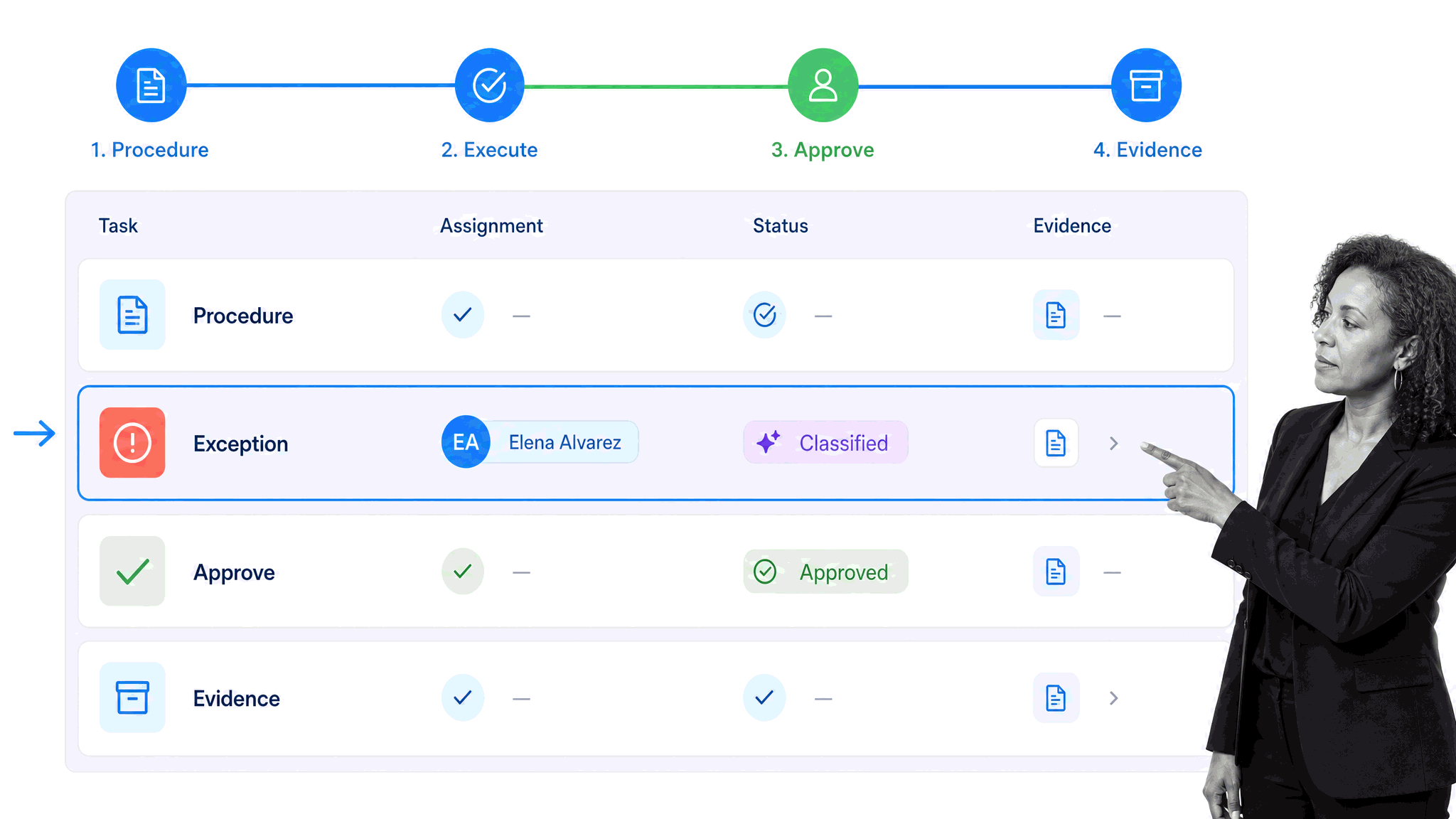
Docs gives teams a governed place for policies, procedures, and operational knowledge. Ops turns those instructions into assigned workflows with due dates, conditional paths, forms, approvals, integrations, and records. Built-in AI can help classify information, summarize evidence, or guide the next step within the controls the team defines.
For sustainability work, that structure can connect a target to the activity that influences it. A supplier assessment can request evidence and escalate a gap. An environmental audit can assign corrective actions and verify closure. A reporting workflow can require source data, reviewer signoff, and an audit trail before a claim is published.
The result is not automation for its own sake. It is operational control: the right person follows the right procedure, exceptions are visible, and the organization can show what happened. That is how environmental, social, and economic commitments become repeatable work rather than annual reporting theater.
Be pioneers in corporate sustainability, with a future-driven view for short-term and long-term success
Corporate sustainability is the discipline of protecting long-term environmental, social, and economic value while making better decisions now. Systems thinking makes that discipline more credible because it asks who is affected, which dependencies matter, how an intervention changes behavior, and where harm could move.
Begin with the material issues for the business and its stakeholders. Establish a trustworthy baseline, choose a small number of outcomes, assign ownership, and connect each commitment to a controlled process. Review performance frequently enough to learn, and change the system when evidence shows that the current approach is not working.
These Process Street resources can help turn the strategy into action:
- BSR Greenwash Prevention Checklist
- Achieving Work-Life Balance Checklist
- Gap Analysis Template
- ISO 26000 Social Responsibility Performance Assessment Checklist
- Environmental Accounting Internal Audit
- Hotel Sustainability Audit
Sustainability is not a finish line or a single initiative. It is the capacity to keep sensing the wider system, acting with evidence, and improving the way work gets done.
The post Corporate Sustainability: Using System Thinking to Solve a Global Crisis first appeared on Process Street | Compliance Operations Platform.


0 Commentaires