Genchi Genbutsu is a Toyota problem-solving principle that means “actual place, actual thing.” It asks leaders to go to the source, inspect the real work or object, speak with the people closest to it, and verify facts before choosing a countermeasure.
Reports, dashboards, interviews, and AI summaries can reveal patterns, but each is an abstraction. Genchi Genbutsu combines those signals with firsthand evidence so a team can distinguish the condition it assumes exists from the one people actually experience.
It is one thing to identify errors or weaknesses in a business, but another to actually fix and improve them. The crucial step is deciding the right solution to implement. Pick the wrong one and you can create a different problem. In a massive company, that risk grows when a decision is implemented across a whole corporate structure, so investigating the problem as thoroughly as possible should be paramount.
- What is Genchi Genbutsu?
- How Toyota applied Genchi Genbutsu to revamp the Sienna minivan
- 3 academic research approaches based on observation
- Use Genchi Genbutsu and ethnographic methods to look deep into your operations
- Genchi Genbutsu FAQs
What is Genchi Genbutsu?
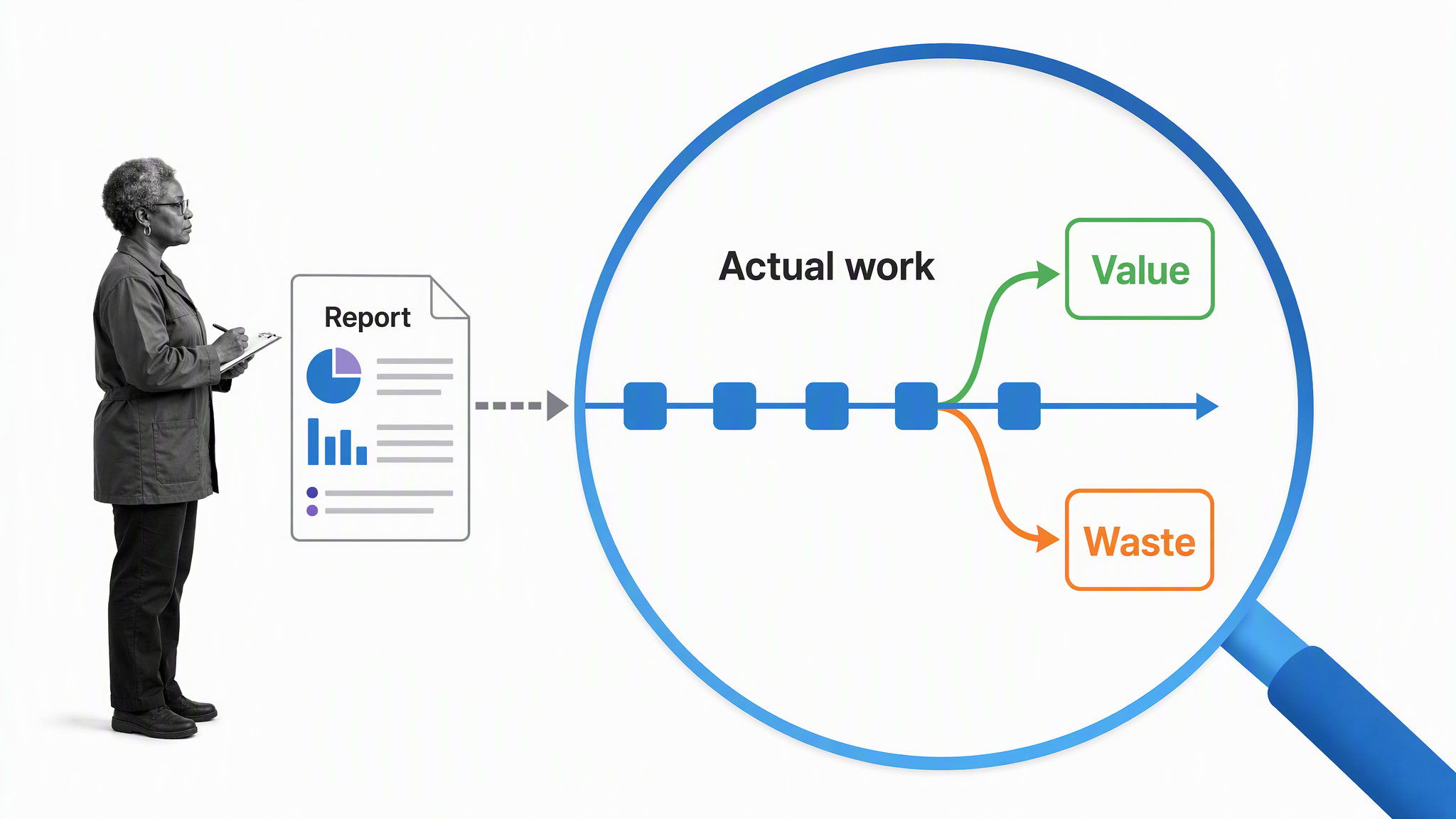
The phrase is commonly translated as “go and see.” That shorthand is useful, but the full idea is more demanding than walking through a workplace. The observer must examine the actual thing, understand its context, and compare claims with evidence before reaching a conclusion.
The purpose of Genchi Genbutsu is to illustrate the importance of being on the factory floor where production is happening, so an observer can see both the creation of value and the generation of waste. With this understanding, an engineer can begin to find problems or limitations and look to change them.
Toyota describes Genchi Genbutsu as a foundation of quality assurance. The principle also fits the Toyota Production System, where visible conditions, standardized work, just-in-time flow, and jidoka make problems easier to identify and investigate.
Genchi Genbutsu vs. gemba
Gemba means the actual place, usually the place where value is created or a problem occurs. Genchi Genbutsu is the discipline of going to that place and examining the actual thing. A Gemba Walk is one structured way to practice the principle through observation, respectful questions, and follow-up.
A production report may show a delay. At the gemba, the team may discover that operators are waiting for a shared tool, translating an unclear instruction, or correcting an upstream defect. The number identifies where to look. Direct observation reveals the mechanism that a useful countermeasure must address.
Information gathered in reports or statistics represents only an abstraction of reality. Any report or dataset can have inherent problems, including the bias of management or a researcher and the choice of which statistics to measure. The answer is not to discard reporting, but to understand its limits and verify what it suggests.
The same distinction matters in knowledge work. A customer-support dashboard may show slow resolution, while observation of actual cases reveals duplicated data entry, unclear approval authority, or a handoff that loses evidence. Going to the source may mean following information through software and conversations rather than walking a factory floor.
Taiichi Ohno and the observation circle
Genchi Genbutsu is closely associated with Toyota leader Taiichi Ohno, although available evidence does not establish that he personally coined the term. A story frequently told in lean practice describes Ohno drawing a chalk circle on the factory floor and asking a manager to stand inside it and observe. The exercise trained attention: watch long enough to separate assumptions from recurring conditions.
In the traditional account, Ohno returned later in the day and quizzed the young engineer on what they had seen. If the observations were too shallow, the engineer stayed longer and kept watching. The production line was treated as the source of value generation. If a company relies on value created on an assembly line, that is one of its most important locations and precisely the last place it should neglect.
A sports coach uses a similar habit. Statistics can show that a team is conceding goals, but film and live observation reveal whether the breakdown begins with positioning, communication, fatigue, or a repeated transition. The lesson is not to distrust data. It is to connect data to the conditions that produced it.
Imagine a player who is suddenly playing much better than a few months ago. Fans might speculate that the system has been set up better, other players are bringing them into the game more, or the player is fitter. Modern sports statistics can help paint a picture, but performance might also reflect a change in diet, relationship status, or another variable the statistics do not track. Unless you are actually there, you do not know.
This is also how teams find muda, or waste. Waiting, unnecessary motion, defects, overprocessing, and repeated handoffs often become obvious only when someone follows the actual path of work. Observation should remain nonjudgmental: the aim is to understand the system, not to blame the person working inside it.
How Toyota applied Genchi Genbutsu to revamp the Sienna minivan
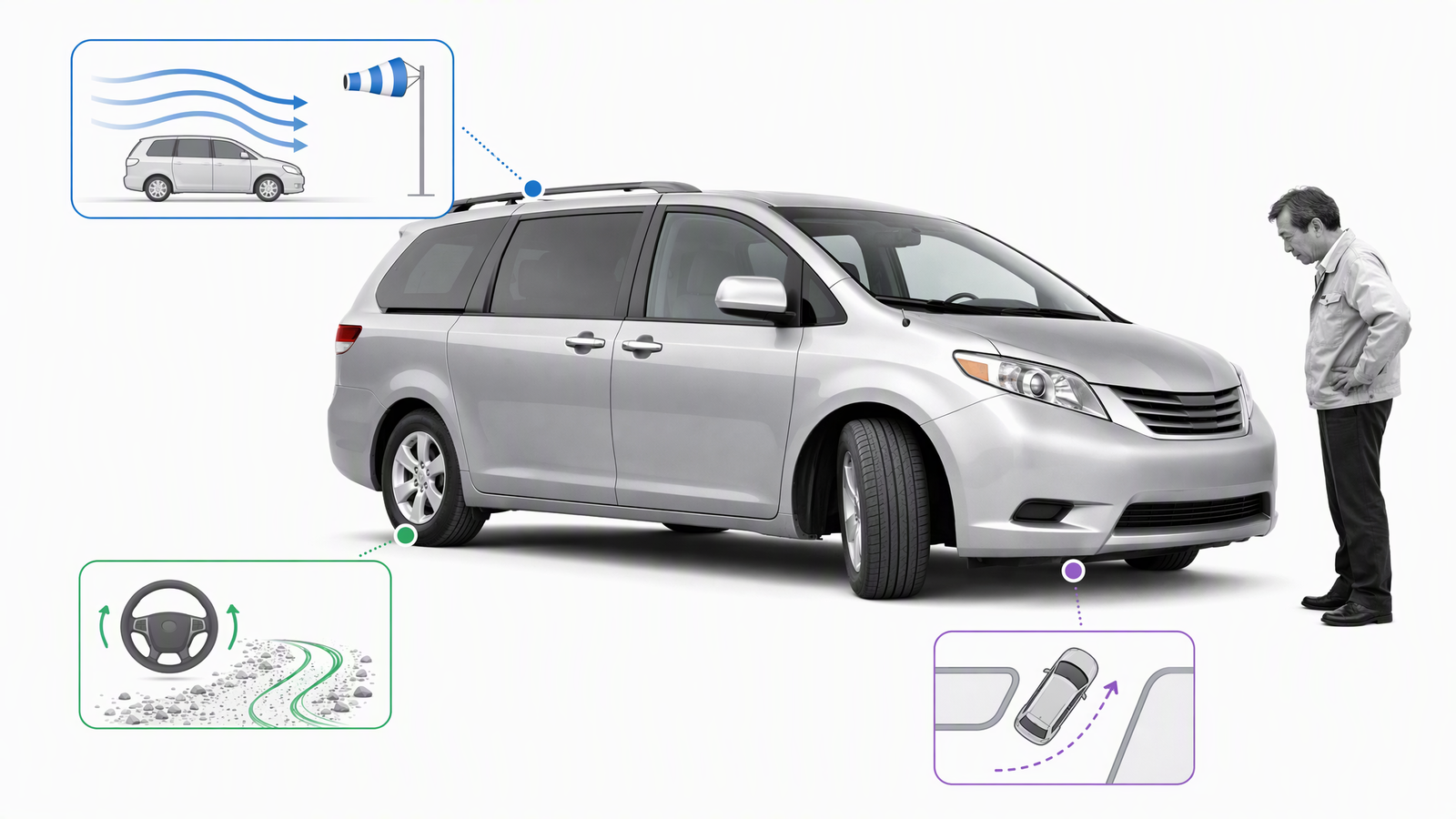
The second-generation Toyota Sienna is a practical example of Genchi Genbutsu applied to product development. The first-generation model entered a North American minivan market where Toyota had learned that a Japan-derived design did not fully match local expectations. It was smaller than major rivals and was outsold nearly two to one by the leading competitor at the time.
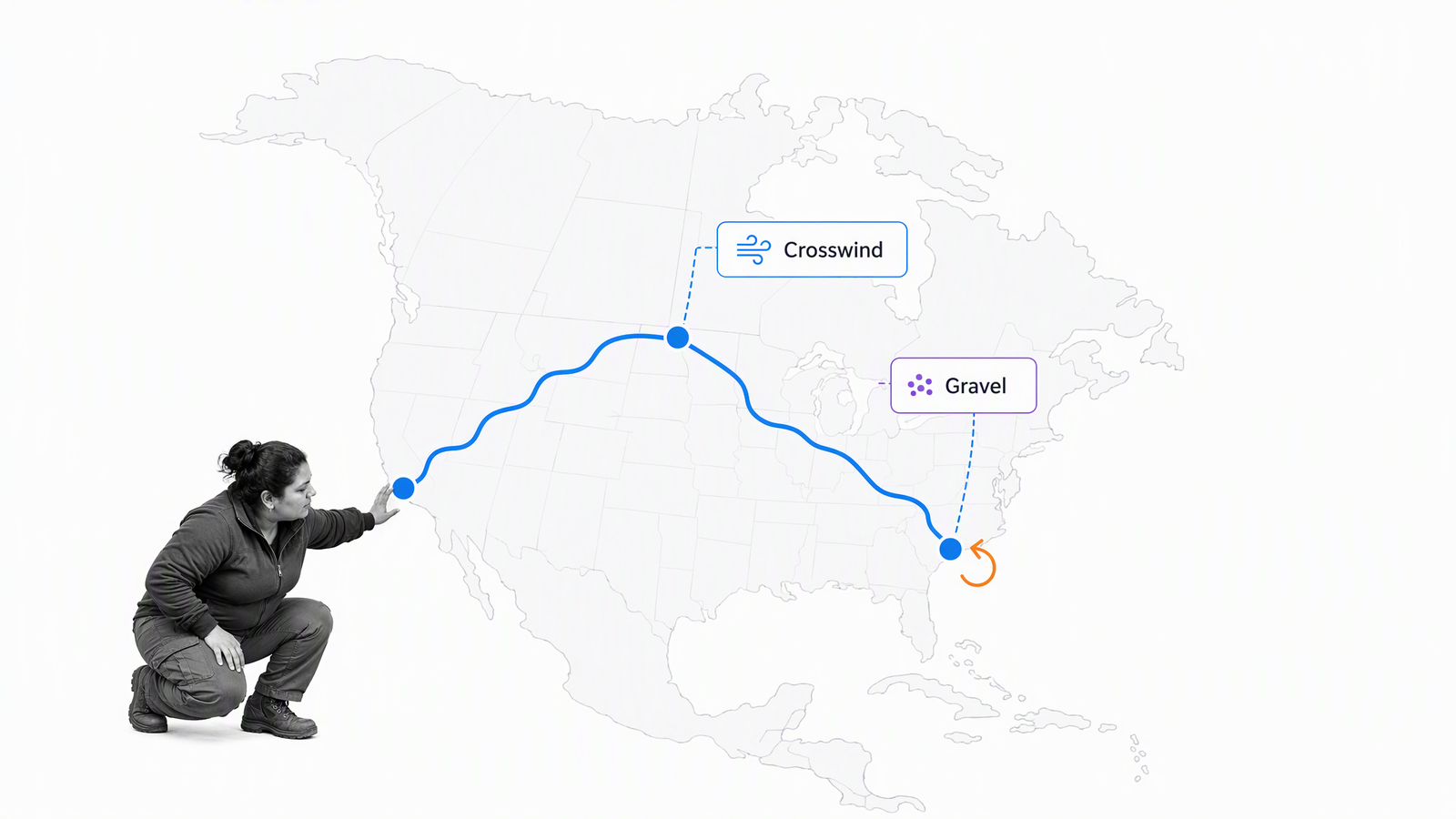
Toyota appointed engineer Yuji Yokoya to lead the redesign. Instead of relying only on specifications and market reports, Yokoya traveled across North America and drove the minivan in real conditions. A contemporary Forbes account of the development program describes a journey of more than 53,000 miles through every US state, every Canadian province, and parts of Mexico.
The routes exposed conditions that were easy to miss from a desk: crosswinds on broad highways, gravel roads in remote areas, crowded urban streets, long-distance comfort needs, and parking constraints. The observations did not replace engineering measurements. They told the team which measurements and tradeoffs mattered in the environments customers actually used.
- The car was being blown across the road into other lanes while crossing the Mississippi River.
- When driving on the gravel roads of Alaska, the van had excessive steering drift.
- Santa Fe’s crowded streets required a much tighter turning circle.
Yokoya also treated children as central users rather than secondary passengers. Children occupy the rear portion of a minivan and interact with its doors, seats, storage, entertainment, and climate controls. Seeing families use the vehicle helped the team evaluate access, sightlines, reach, comfort, and the everyday friction hidden by a conventional feature list.
That led to recommendations that made family use more practical: better seat quality throughout the van, roll-down windows for the second row, DVD players and entertainment centers, and a conversation mirror so parents could monitor the back seat. The parents and grandparents may own the minivan, but children occupy much of the rear of the vehicle and are especially sensitive to that environment.
The redesigned Sienna became larger and more responsive to North American conditions, with features and packaging informed by that field research. Toyota later marked the model’s 25th anniversary, evidence that the nameplate developed into a durable part of its lineup.
The broader lesson is simple: a team can be technically correct about a product and still misunderstand how people experience it. Genchi Genbutsu reduces that distance by placing decision-makers inside the conditions where requirements, constraints, and workarounds appear.
3 academic research approaches based on observation
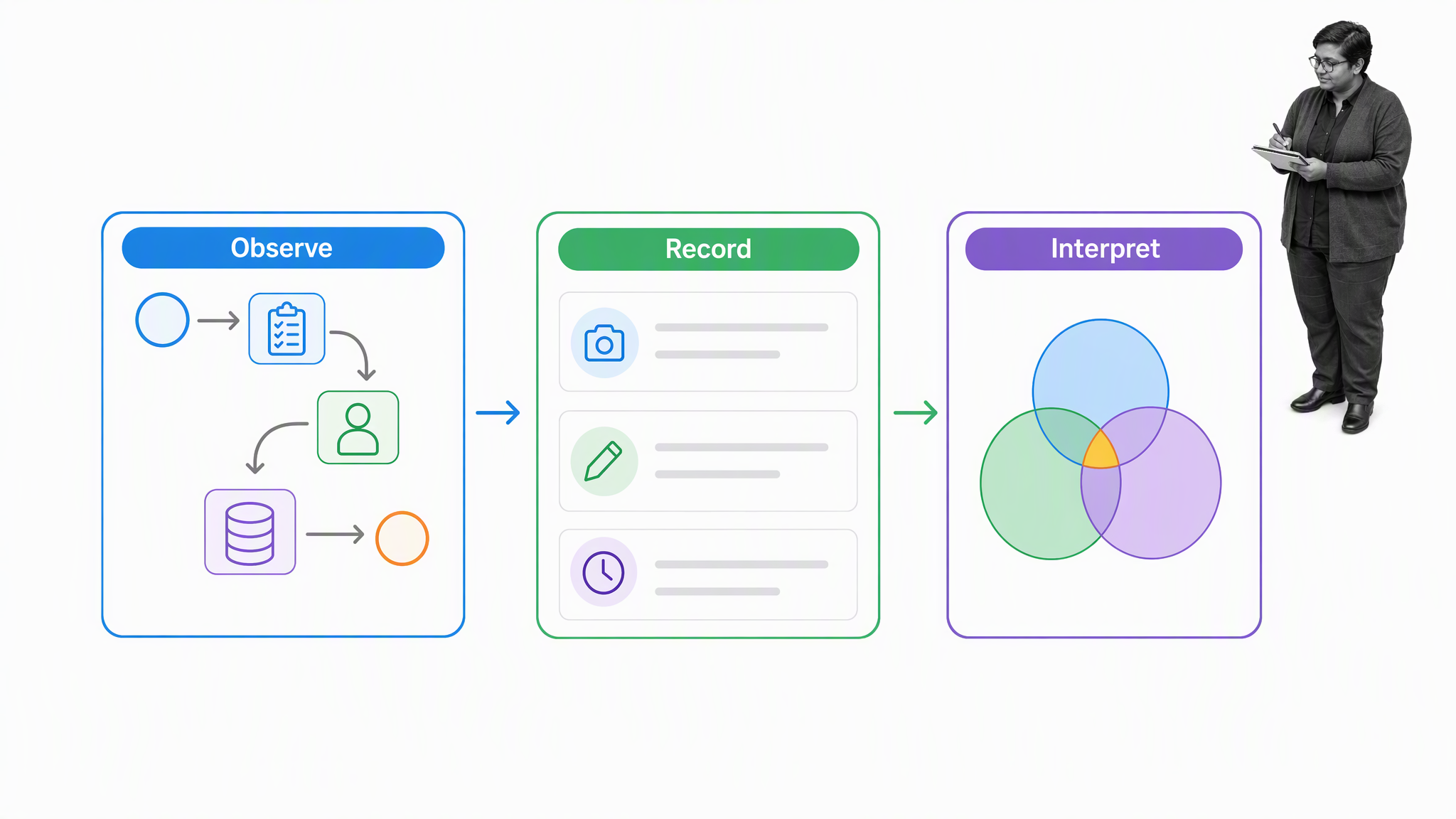
Observation is also central to several academic research traditions. These methods are not identical to the Toyota Production System, but they offer useful disciplines for recording context, testing interpretations, and learning with the people affected by a problem.
When a complex organizational setup needs a deeper level of investigation, entering an environment to observe and understand how it works may become a form of ethnographic study. Ethnography studies a people or culture from the viewpoint of the subject rather than only from an outside perspective. Its principles can be brought into the workplace to understand how organizations function.
John Van Maanen of the MIT Sloan School of Management describes “realist tales” as one way researchers have written ethnographic accounts. Even when a researcher attempts to remain separate and objective, the final work is shaped by framing and interpretation. That makes a clear distinction between observation, evidence, and interpretation essential.
Using Action Research for collaborative change
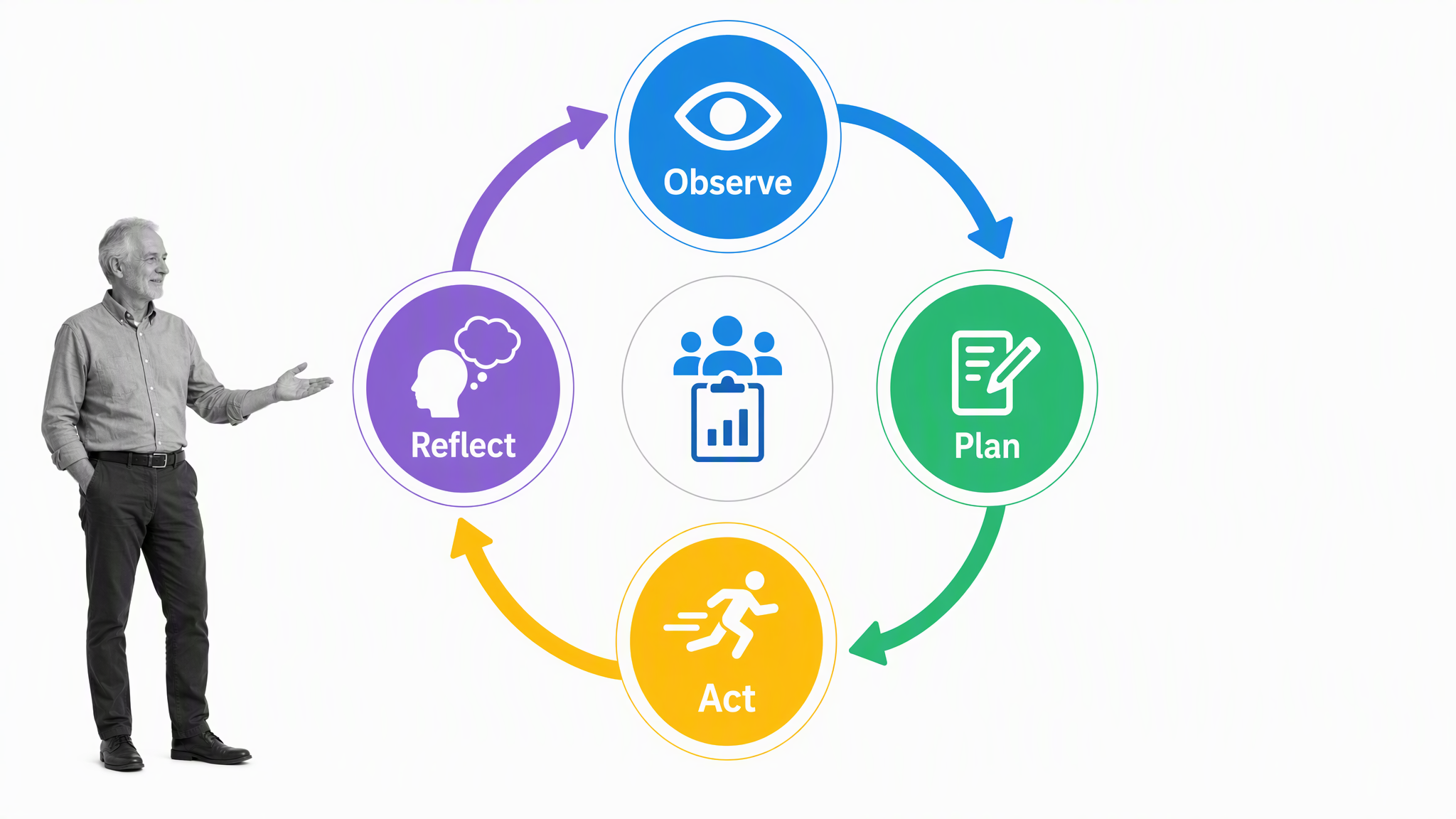
Action Research joins inquiry with deliberate change. Researchers and participants identify a problem, plan an intervention, act, observe the result, and reflect before beginning another cycle. The method is collaborative: people experiencing the issue help shape both the question and the response.
Action Research can be ethnographic depending on the environment in which the research takes place. It has an inherent will to identify a problem and provide a solution. The researcher studies and gathers data, then involves participants in attempts to find a solution. Once a solution is implemented, the study continues to re-identify and refocus the problem, leading to another round of investigation.
This creates a dual commitment to study a system and collaborate with members of that system in changing it toward a desirable direction. Accomplishing the twin goal requires active collaboration between researcher and participant, with co-learning as a primary aspect of the research process.
That loop resembles operational improvement because learning happens through action rather than detached analysis alone. However, a credible cycle still requires careful records, explicit assumptions, and evidence that the change caused the observed result. Rory O’Brien’s overview of Action Research explains the method and its emphasis on participation and reflection.
Building explanations with Grounded Theory
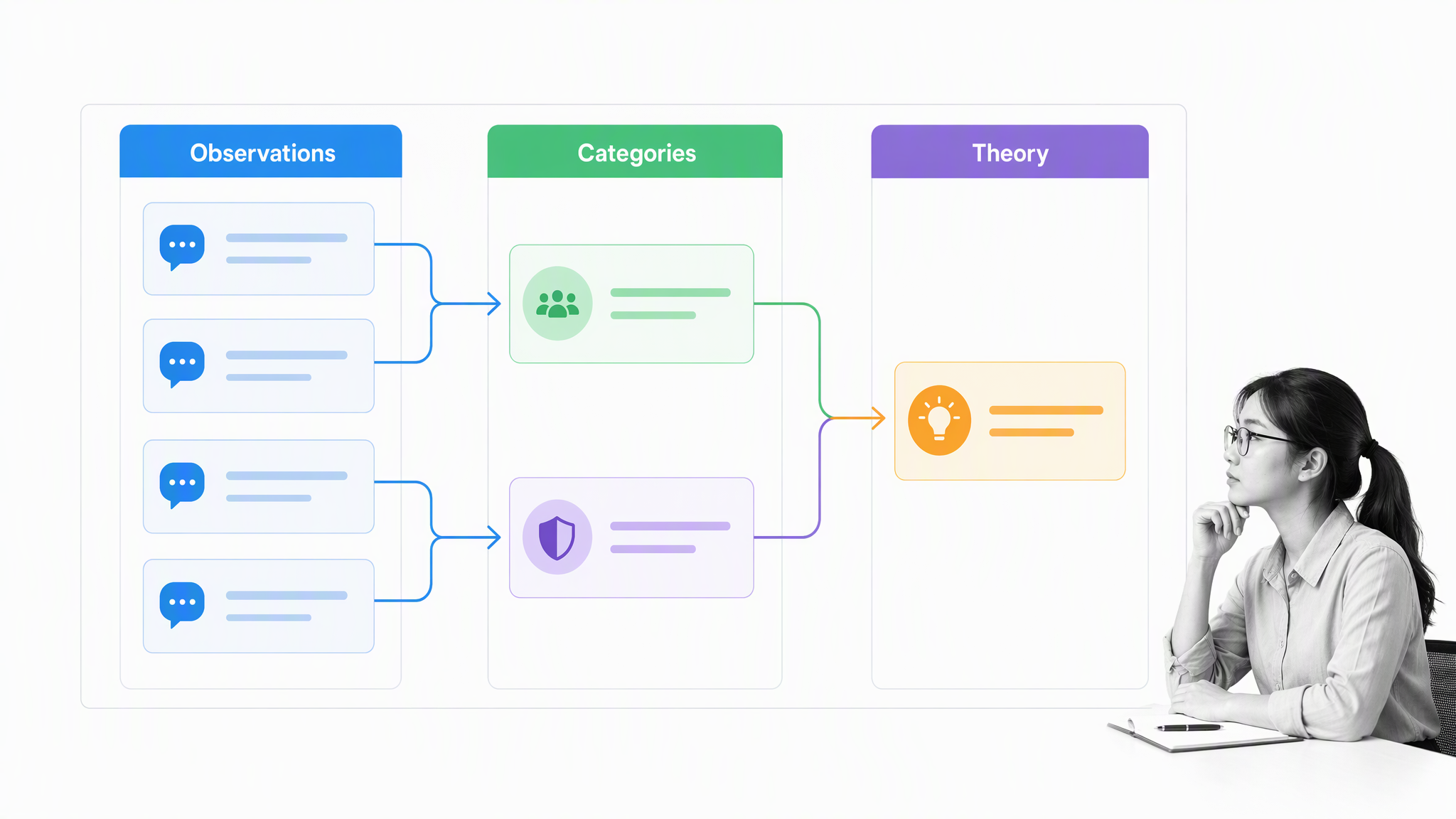
Grounded Theory develops concepts from systematically collected data instead of beginning with a finished theory and looking only for confirmation. Researchers gather observations or interviews, code what they find, compare incidents, refine categories, and continue sampling until the emerging explanation is sufficiently developed.
Grounded Theory was developed by Barney Glaser and Anselm Strauss in the 1960s through works including Awareness of Dying and The Discovery of Grounded Theory. The approach helped demonstrate that qualitative research practices could be systematic and scientific in their implementation, with a clear path for reducing months of data and observation into valuable outputs.
It is a strong option for a longer and more in-depth study, while Action Research may produce a faster turnaround and a more goal-centric perspective. The choice depends on whether the immediate need is to build an explanatory theory, collaborate on change, or combine the two in stages.
For an operations team, the useful habit is to let repeated evidence shape the categories. If approval delays appear across cases, do not assume a single cause too early. Compare who requested the work, what evidence was available, which rule applied, and where the decision paused. A pattern grounded in cases is more reliable than a label attached after one observation.
Grounded Theory also warns against mistaking the loudest incident for the general condition. Contradictory cases matter because they reveal missing variables. This makes the method a useful companion to direct observation when a problem crosses teams, locations, or customer groups.
Studying online communities with Netnography
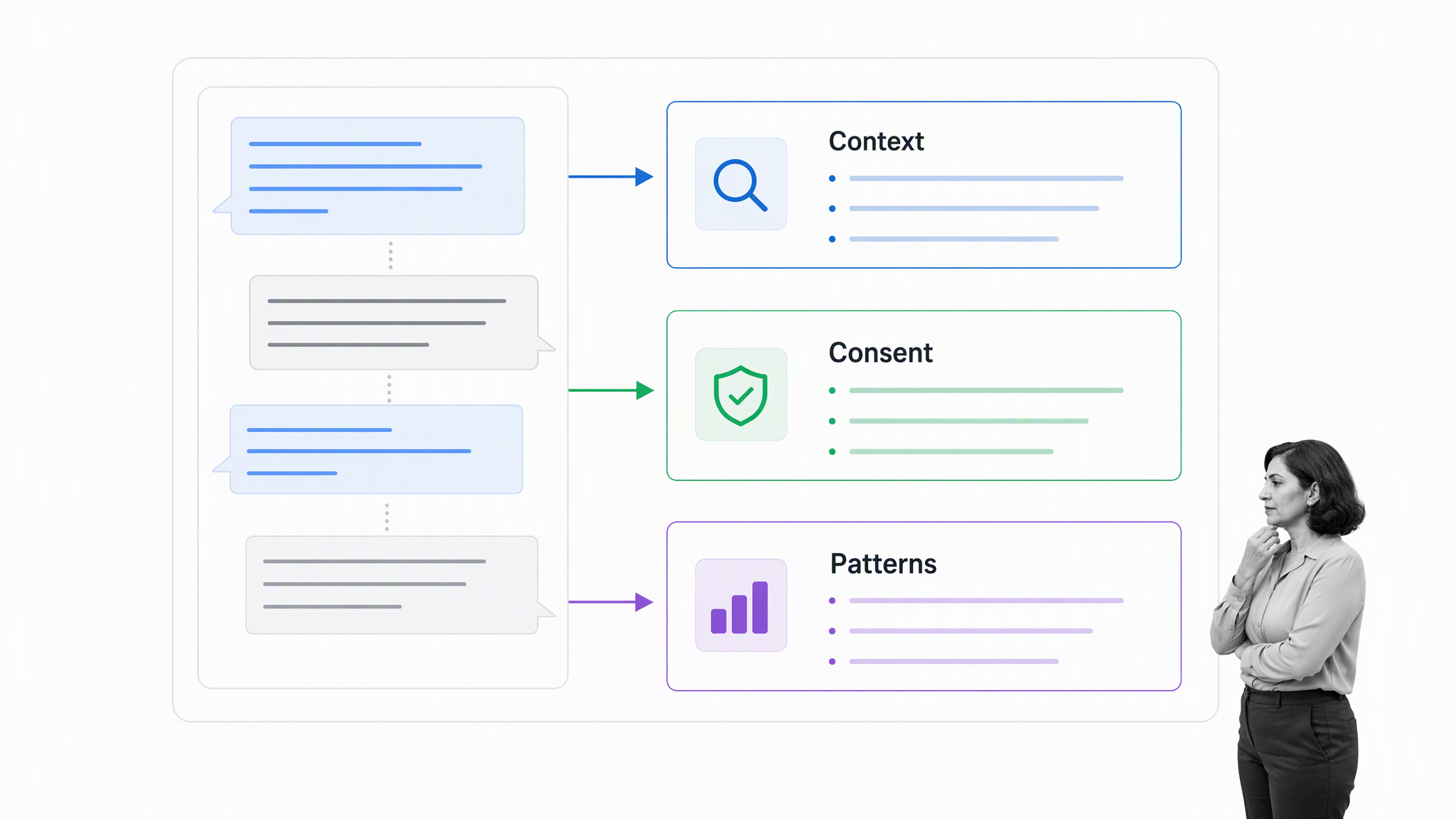
Netnography adapts ethnographic research to online communities and digitally mediated behavior. Researchers examine interactions, language, norms, artifacts, and relationships in places such as forums, social communities, review sites, and collaborative platforms. Robert Kozinets established the approach as a rigorous method for understanding culture online.
The term Netnography was coined by Robert V. Kozinets in 1995 as an approach to embedded ethnographic study in the digital age. Early online ethnography sometimes replicated offline modes of investigation, which could overstate or misunderstand the importance of the online sphere. Netnography developed a new paradigm for studying online and offline elements together.
The SAGE guide to netnography emphasizes more than collecting posts. Context, participation, ethics, consent, researcher presence, and interpretation all affect what the evidence means. A public comment may still involve people who do not expect their words to be extracted, republished, or connected to an identity.
Online behavior also has an offline context. A customer may complain in a community because a physical delivery failed. An employee may create a workaround in chat because the formal process is slow. The digital trace is evidence, but Genchi Genbutsu asks the investigator to connect it to the actual conditions, decisions, and objects behind it.
A remote worker may be working online while tapping on a physical keyboard, sitting in a room, eating, and planning an evening in an offline setting. Exploring only the work performed online captures only part of the spirit of Genchi Genbutsu. The researcher must understand how digital behavior connects to the person, place, tools, and circumstances around it.
AI can help cluster notes, surface recurring phrases, and summarize a large body of observations. It should not silently become the observer or the decision-maker. Teams still need traceable source evidence, human review, privacy controls, and a way to test whether an AI-generated pattern matches real work.
Use Genchi Genbutsu and ethnographic methods to look deep into your operations
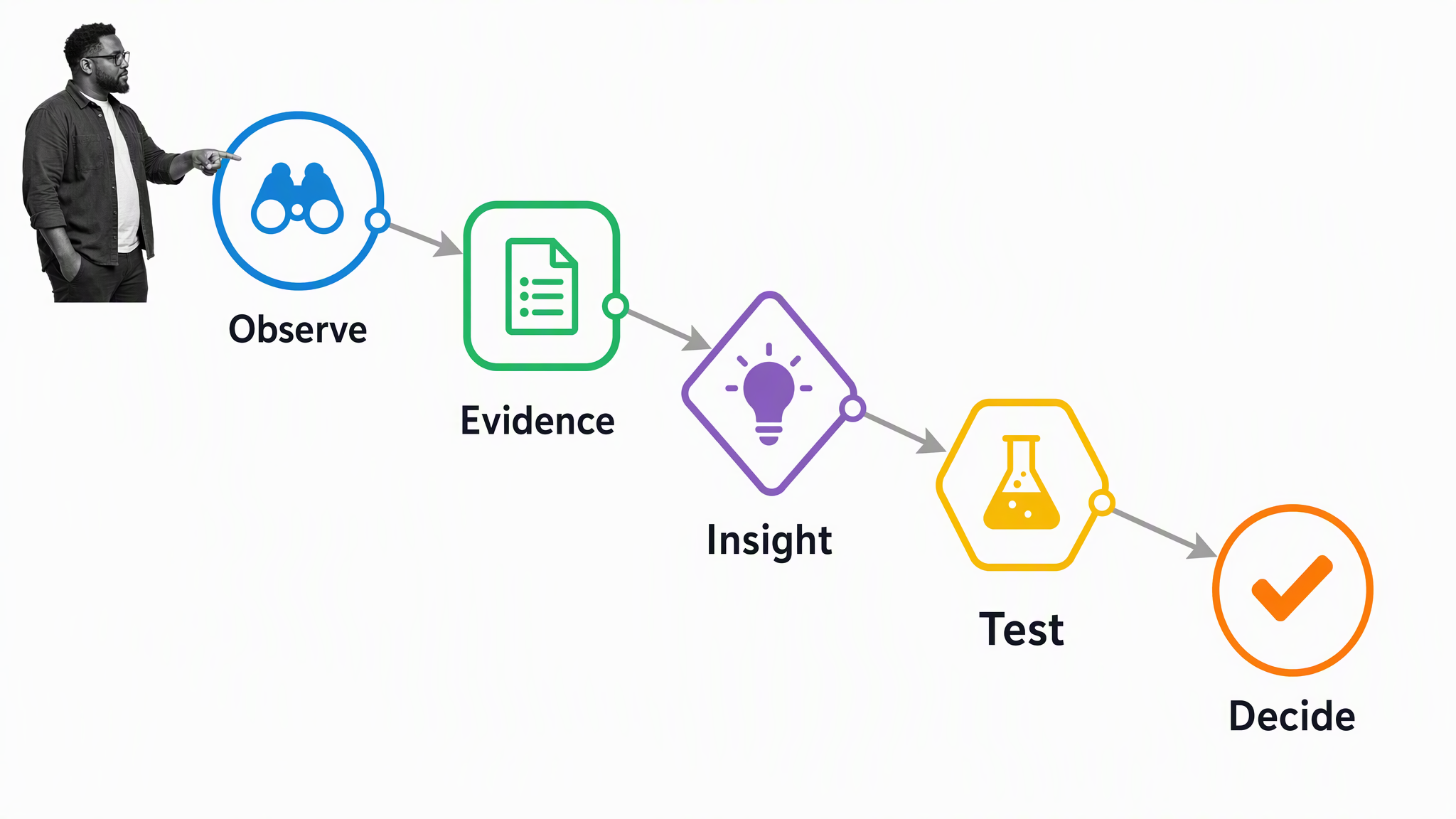
Genchi Genbutsu becomes useful when observation leads to a controlled learning cycle. A walk-through without a defined question can become tourism. A dashboard without direct evidence can become false confidence. Combine them in a workflow that preserves what was observed, what it might mean, what will be tested, and who must decide.
- Define the problem. State the gap, affected outcome, and evidence that first signaled it.
- Go to the source. Follow the actual work, object, request, or customer experience from beginning to end.
- Observe before explaining. Record conditions, timing, handoffs, decisions, and deviations without assigning blame.
- Ask respectful questions. Learn what should happen, what usually happens, and what experienced people do when the process breaks.
- Compare evidence. Reconcile firsthand observation with reports, policies, logs, interviews, and relevant measures.
- Confirm the cause. Seek repeated or contradictory cases before treating an interpretation as fact.
- Test a countermeasure. Define an owner, due date, expected result, approval path, and evidence requirement.
- Return and verify. Revisit the actual work to see whether the change improved the condition or created a new problem.
Process Street is a Compliance Operations Platform that brings Docs and Ops capability areas together with built-in AI. Teams can maintain approved guidance in Docs, run repeatable observation and improvement workflows in Ops, and use built-in AI to work with information inside the process while evidence, assignments, approvals, and change history remain governed.
A practical workflow can prompt an observer to attach evidence, separate fact from interpretation, route high-risk findings for review, assign a countermeasure, and schedule a return visit. For additional methods that support this work, explore these process improvement tools.
The point of Genchi Genbutsu is not physical presence for its own sake. It is disciplined contact with reality. When leaders pair direct observation with respectful inquiry, reliable records, and controlled follow-through, they make better decisions and build processes that reflect how work actually happens.
Genchi Genbutsu FAQs
The post Genchi Genbutsu: The Problem Solving Concept That Drives Toyota Forward first appeared on Process Street | Compliance Operations Platform.


0 Commentaires