A copywriting swipe file is a searchable collection of ads, emails, headlines, landing pages, and other copywriting examples that you can study when you need a stronger hook, offer, or structure.
Your boss has asked you to write an email telling customers their free trial has ended and encouraging them to upgrade. A blank page is a bad place to start. A well-organized swipe file gives you proven patterns to examine without copying someone else’s words.
Creatives keep swipe files for quick reference. Build yours gradually, save the source and context, and tag each example by audience, channel, technique, and purpose so you can find it when an assignment arrives.
1. Swiped.co
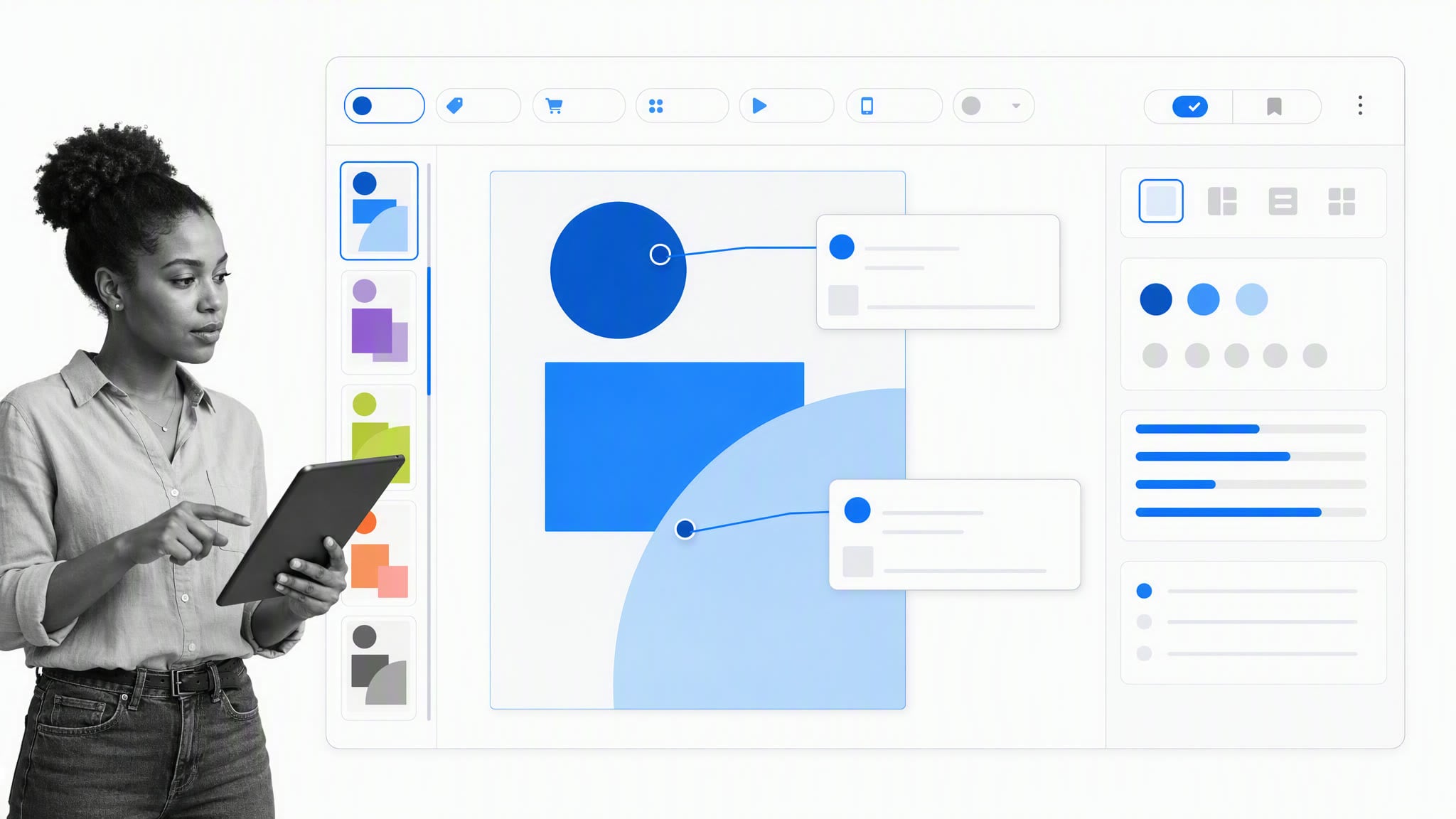
Swiped.co archives classic and current ads, emails, pop-ups, sales letters, and direct-mail examples. Its annotations help you see how a headline, proof point, guarantee, or call to action supports the offer.
It was created because archives of ads are sparse, and if you’re a copywriter or advertisers without a hefty swipe file you’ll have to rely on the rare chance that someone has uploaded the advert you want to reference somewhere on the web.
Advertising archives are scattered, so save the source and your own analysis when you find a useful example. Related libraries such as SwipeFile and SwipeWell broaden the sample.
Go forth and swipe.
When an annotated example catches your attention, restate the lesson in your own words. Identify the customer awareness level, central promise, evidence, objection handling, and next action. That turns passive browsing into a reusable copywriting lesson.
2. Public-domain advertising books
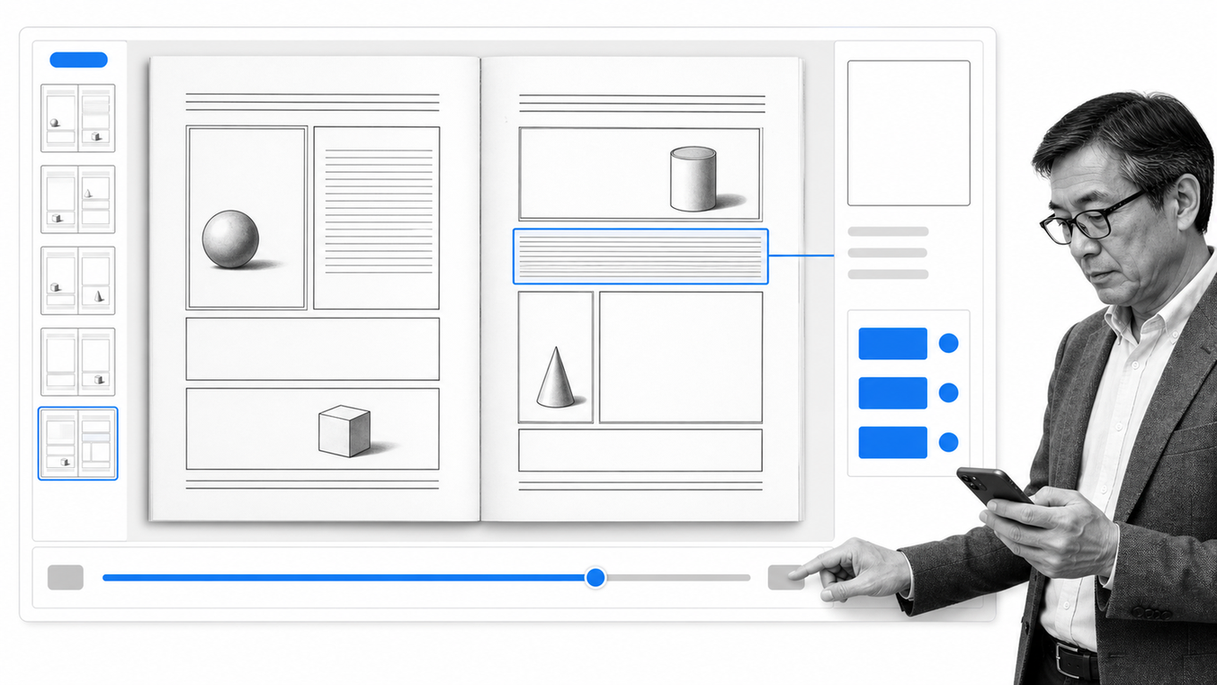
I’m the kind of person that feels uncomfortable jumping into a new topic without understanding the roots. The fact that plenty of advertising books are so old that they’ve fallen into the public domain is great, and Archive.org is the best place to pick up PDFs of these.
What surprised me was just how relevant the books were today.
A book from the 1920s is not automatically irrelevant. The strongest lessons about offers, proof, specificity, and testing remain useful, while assumptions about audiences and media still need to be tested in their modern context.
The books are also full of tested, high performing ads that you can clip into your swipe file.
Here are some free, public access advertising books with timeless, actionable lessons:
Scientific Advertising [PDF] , Claude C. Hopkins (1921)
Advertising, its principles and practice , Harry Tipper (1919)
Effective direct advertising; the principles and practice of producing direct advertising for distribution by mail or otherwise ,Robert E. Ramsay (1888)
Better advertising; a practical manual of the principles of advertising , John Manly (1921)
The essentials of advertising , Frank Leroy Blanchard (1921)
If you want more about writing clear, easily-readable copy, see my post on business writing tips.
3. Build a focused newsletter inbox
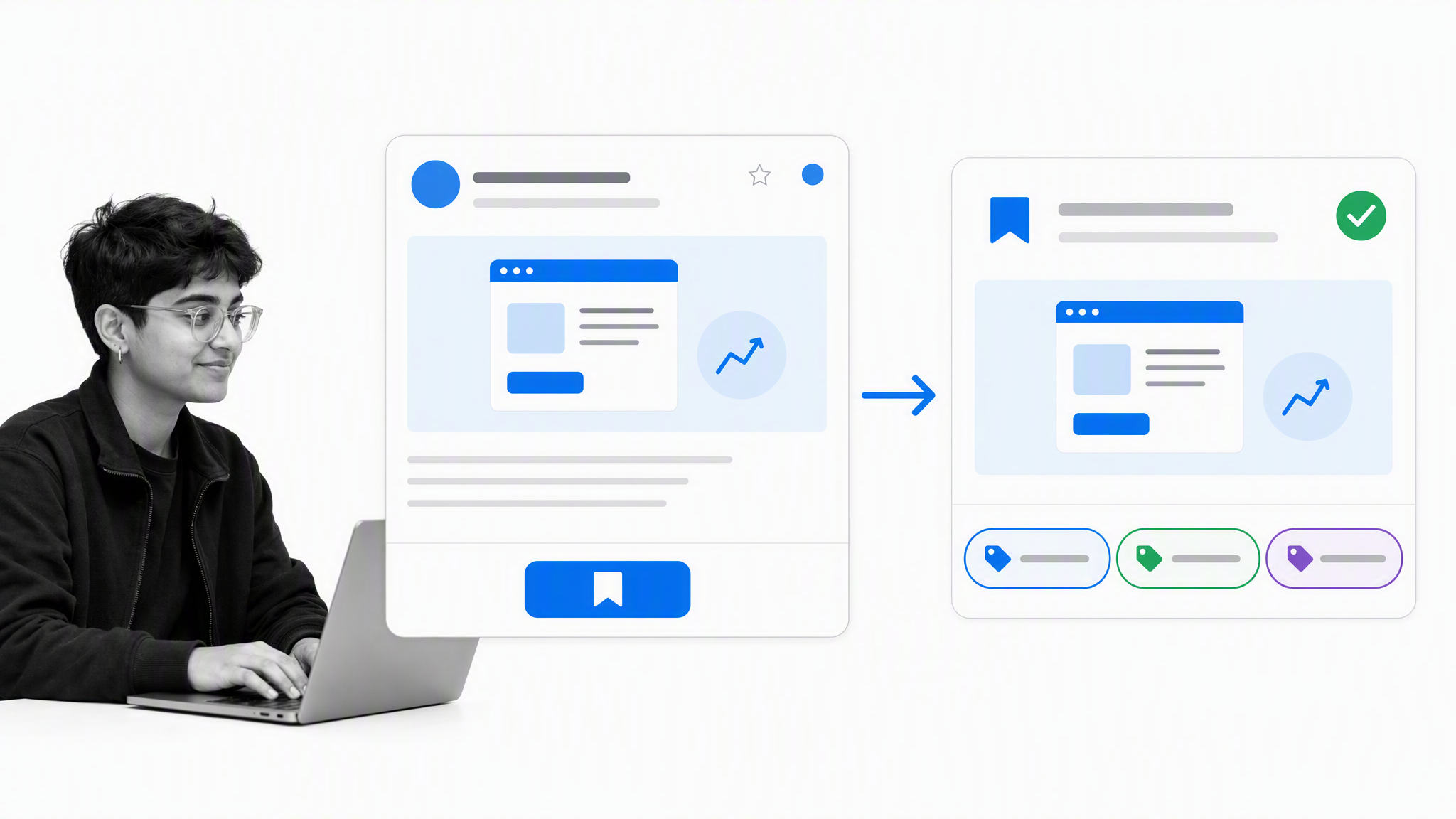
If you work for a SaaS company, sign up for newsletters and free plans from products in your category. Use a separate email account or folder so strong examples are easy to save without cluttering your normal inbox. The Close blog, The Content Strategist, Backlinko, and Really Good Emails are useful starting points.
Here are some great examples I’ve found so far from products and marketers alike:
Study the complete sequence when possible. A confident subject line makes more sense beside its preview text, opening, offer, and destination page. Save that context rather than clipping a headline by itself.
And “I know you’re interested in the program because you’re reading this sentence right now”? Genius.
Capture the whole sequence when possible. A subject line without its preview text, opening, offer, and destination page can teach the wrong lesson. Also note message frequency and timing, because an ordinary email may play a specific role in a strong campaign.
4. Search digitized newspaper archives
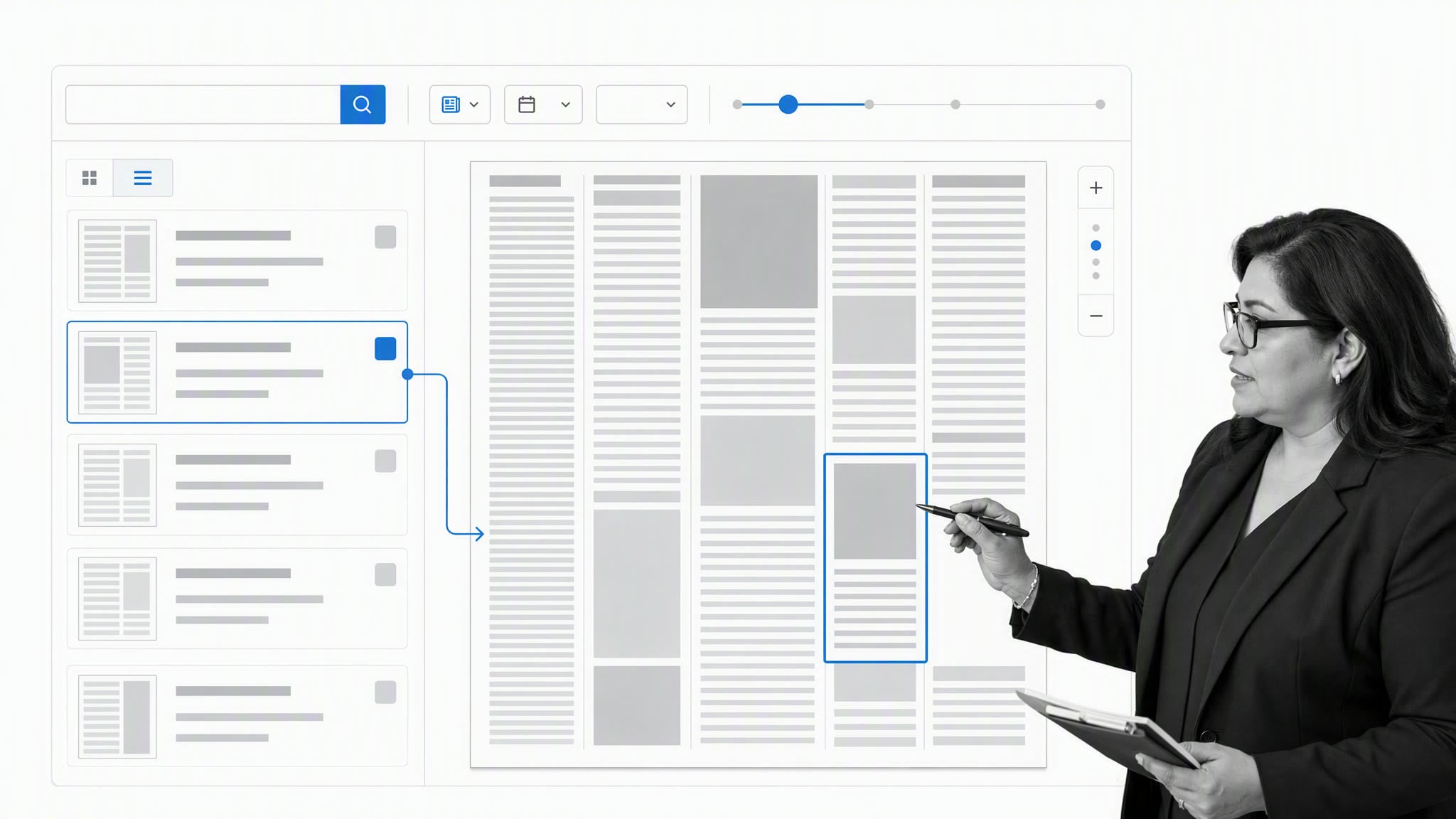
Historical newspaper archives show advertisements in their original environment, beside the headlines, prices, and competing claims of the day. The Library of Congress Chronicling America collection provides searchable digitized newspapers from across the United States.
Search for a product category, problem, or promise rather than a modern marketing term. Compare how advertisers framed status, convenience, savings, fear, or novelty. Record the publication and date so the social context stays attached to the example.
Try paired searches for the same need across different decades. Household appliances, travel, insurance, education, and personal care are especially useful because the underlying goals persist while the language and evidence change.
5. Study current ads and high-performing headlines
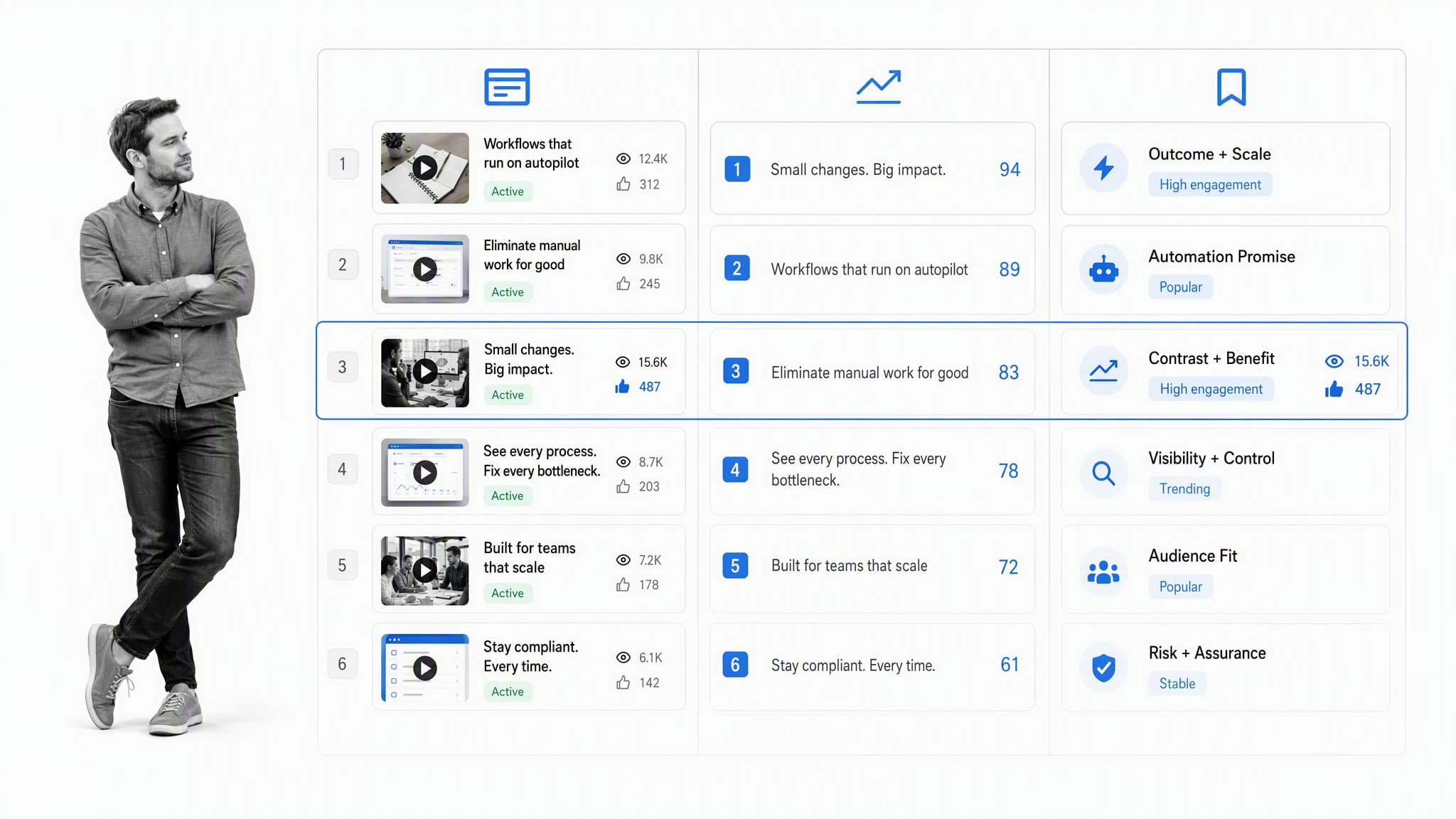
Official advertising libraries are stronger evidence than a fleeting list of trending links. Use the Meta Ad Library, Google Ads Transparency Center, and TikTok Top Ads to see current creative in market.
Visibility is not proof that an ad is effective. Treat duration, variants, placement, and engagement as clues, then compare the headline with the visual, audience, proof, offer, and landing-page experience before adding it to your swipe file.
6. Get copywriting inspiration from fiction
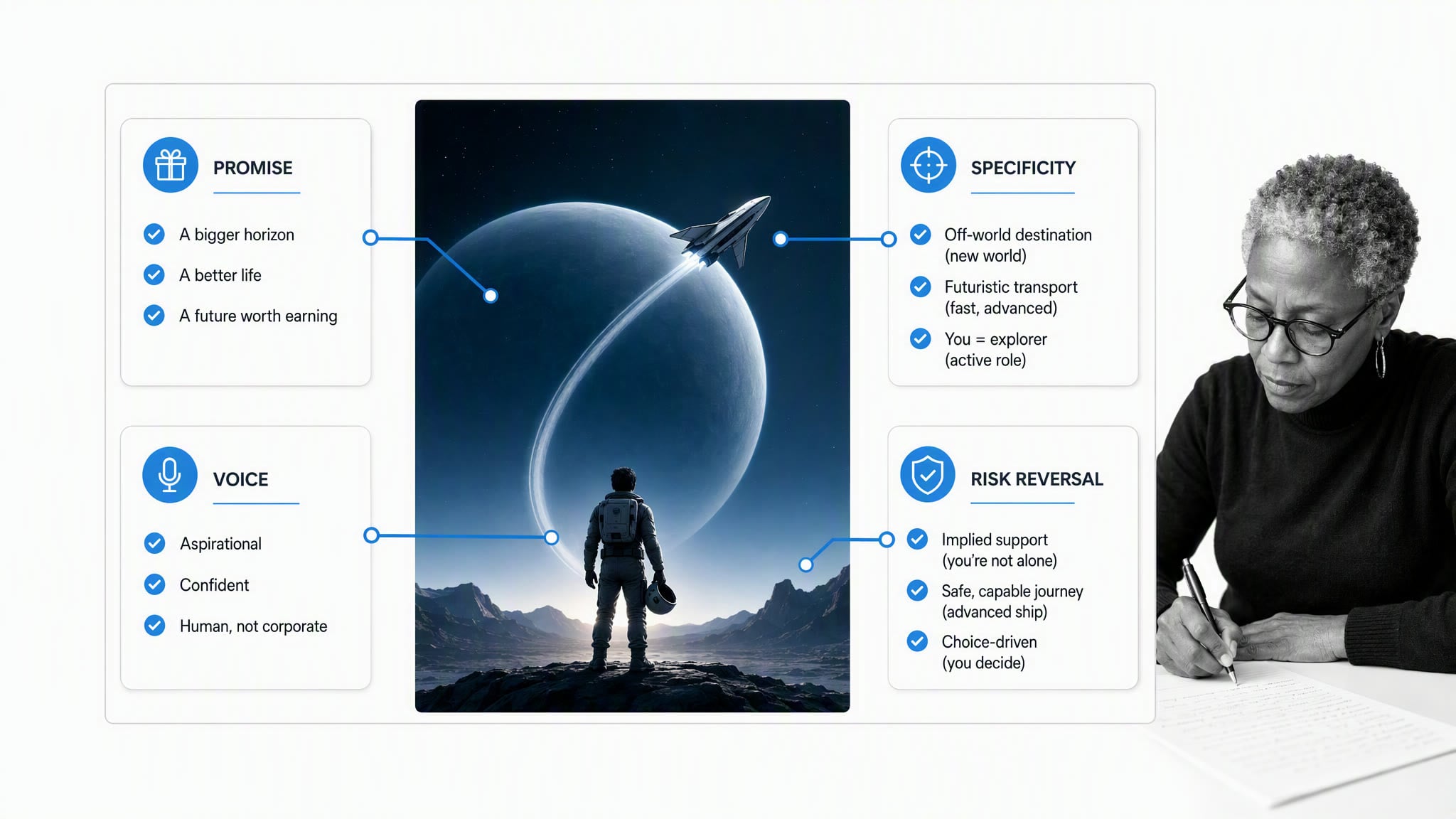
Blade Runner and the book it is based on, Do Androids Dream of Electric Sheep? by Philip K. Dick, use fictional advertisements to make their worlds believable. That unexpected source is useful because it shows how voice and context change the meaning of a line.
But it’s not just product placement I’m talking about , while not applied copywriting, it’s still the kind of thing to take note of because it comes from an unexpected and interesting source. Here’s a quote from the book for an advertisement convincing the survivors of a nuclear war to emigrate to another planet:
Study the emotional job and structure of fictional copy, then write a new expression for a real product and audience. Swipe the technique, not the copyrighted wording.
What about the huge, evil corporation in Wall-e, Buy ‘N’ Large?
Or the spookily persuasive Big Brother in 1984? The point is to get you thinking out of the box about what is and isn’t copywriting. Just because it isn’t selling a real product doesn’t mean it isn’t useful.
7. Browse award-winning advertising archives
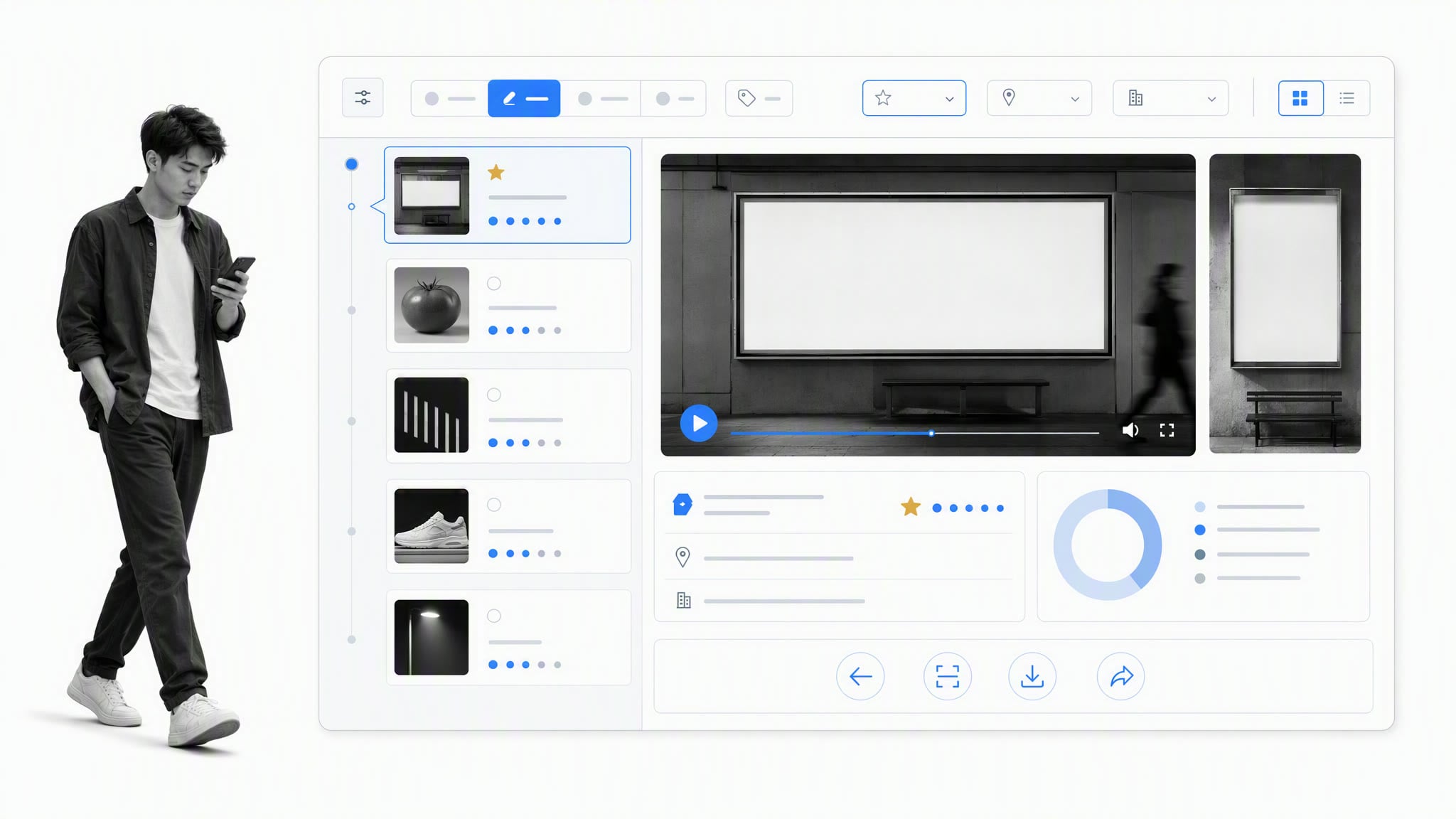
Award archives collect ambitious work from many markets and formats. Browse the CLIO winners gallery and the American Advertising Awards winners. An award is not proof that the copy drove business results, but these galleries are useful for studying concept, compression, tone, and the relationship between words and visuals.
They have the kinds of ads you probably haven’t seen on TV, and the CLIOs celebrate entries from all around the world, like this advert from Columbian agency Sancho BBDO:
Filter by medium and market, then compare campaigns solving a similar communication problem. A poster, radio spot, social video, and direct-mail piece impose different constraints. Save the format beside the idea so you do not mistake a placement-specific device for a universal rule.
8. Swipe from famous copywriters
If you want to learn copywriting, these guys should be your teachers. William Bernbach, David Ogilvy, John Caples, Claude Hopkins and Joe Sugarman, to name a few. These are guys who have either written for the biggest brands in the world, or written books that have influenced those who have. Here are some examples of their copy you should add to your swipe file:
A collection of Bill Bernbach ads collated by AdWeek, including his famous Lemon ad for Volkswagen.
A gallery of Ogilvy’s ‘big ideas’ from Ogilvy & Mather (since these are quite small images, you can find the full versions by using the Google Newspaper search method I mention earlier in the post)
A collection of the 35 headline formulas from the classic book Tested Advertising Methods, written by John Caples who made this ad:
Get a free copy of Scientific Advertising by Claude Hopkins, the book Ogilvy thought must be read 7 times by anyone who wants to go into advertising.
Joe Sugarman adds another useful contrast: narrative sales copy that keeps the reader moving from one sentence to the next. Compare that method with Bernbach, Ogilvy, Caples, and Hopkins rather than collapsing them into one universal style.
For each example, write down the audience, promise, proof, mechanism, offer, and next action. Bernbach often made the concept and execution inseparable. Ogilvy emphasized research and informative detail. Caples focused closely on headlines and tested response. Hopkins treated the offer and reason to believe as practical sales work.
9. Store your swipe file somewhere searchable
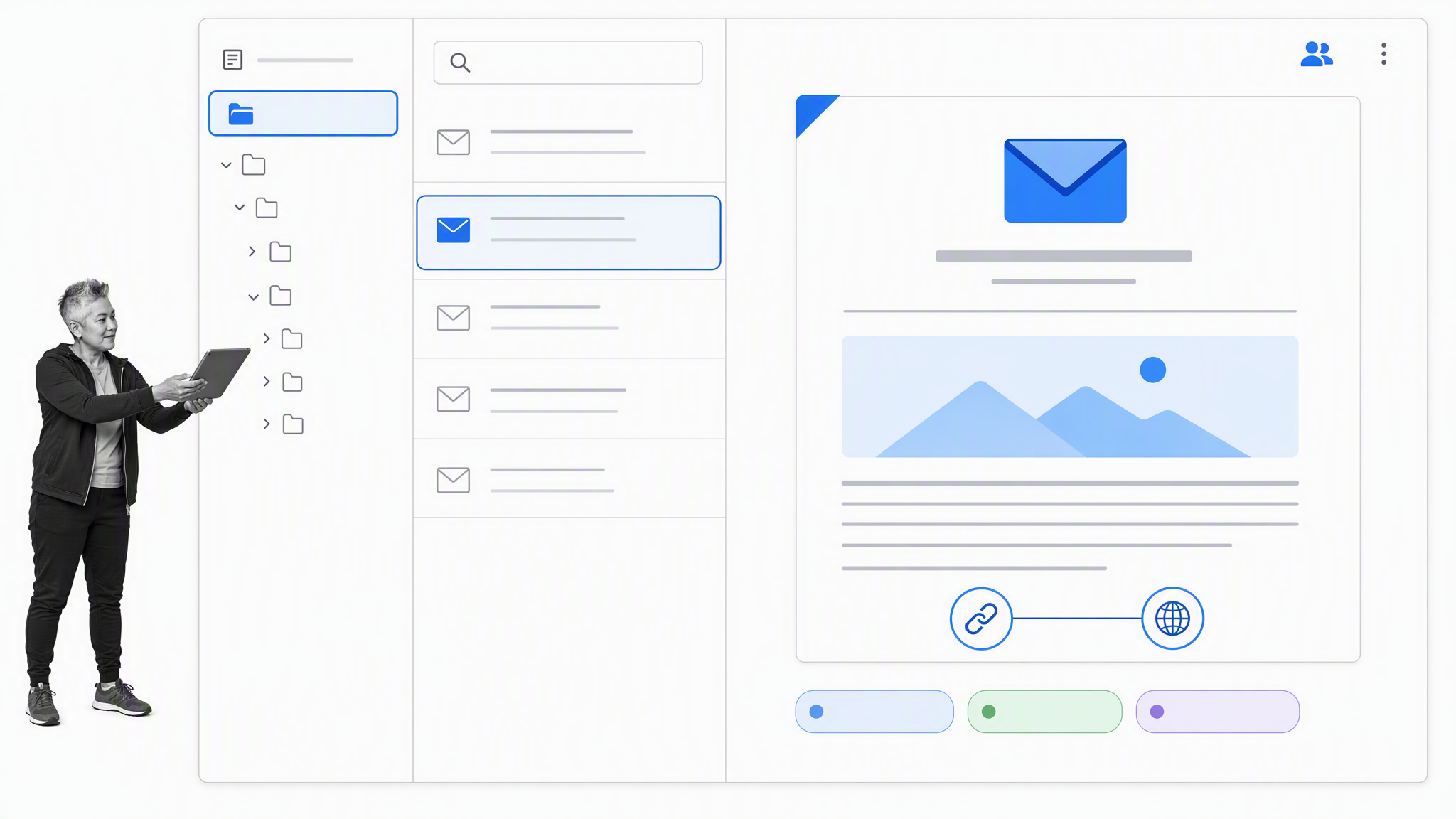
The storage tool matters less than the retrieval system. Your swipe file might live in Evernote, a notes app, a database, or a shared workspace. Record the source, capture date, channel, audience, technique, your annotation, and any usage rights. Evernote Web Clipper remains one option for saving web material.
Use a controlled tag set such as headline, email, landing page, proof, offer, objection, and call to action. Review recent additions on a schedule, remove duplicates, and define who can add, approve, or retire team examples.
Process Street is one Compliance Operations Platform with Docs and Ops capability areas plus built-in AI. Docs keeps brand voice and copy standards governed. Ops turns briefing, drafting, review, and approval into assigned, auditable workflows. Use a documented approval workflow for important copy so evidence, feedback, and the final decision stay connected.
Before sharing a swipe file, review access and licensing. Internal reference does not automatically grant permission to republish an image or a full piece of copy. Link to the source where possible and document permission for assets that will appear in public work.
Frequently asked questions
What is a copywriting swipe file?
It is a searchable collection of copywriting examples saved for analysis and inspiration. A useful entry includes its source, audience, channel, technique, and your notes.
Is using a swipe file plagiarism?
No, if you study patterns and write original copy. Copying distinctive wording, creative assets, or protected material without permission can cross ethical and legal lines.
What should I save in a swipe file?
Save examples that teach a specific lesson about a hook, promise, proof point, objection, offer, structure, or call to action. Record why each example earned its place.
How often should I review it?
A monthly review is enough for many teams. Consolidate tags, remove duplicates, verify sources, and turn the strongest observations into writing or review guidance.
Conclusion
The best copywriting examples are the ones you can find when a real assignment demands them. Build the collection gradually, keep the source and context clear, and study why each piece works. A small, annotated swipe file will outperform a giant folder of unexplained screenshots.
Start with one source from this list and collect five examples around a real writing problem. Describe the job each example performs, draft your own version, and compare the result with the evidence.
The post 9 Places to Find The Best Copywriting Examples for Your Swipe File first appeared on Process Street | Compliance Operations Platform.


0 Commentaires