
A daily task checklist is a short, ordered list of work to complete within one day. It helps you choose priorities, track progress, coordinate handoffs, and finish recurring work to a consistent standard.
Used well, the checklist is more than a memory aid. It turns intentions into visible commitments, gives a team a shared view of status, and creates a simple feedback loop for improving the way work gets done.
The 15 benefits below come from an informal Process Street survey of business owners and employees around the world, supported by current research and practical examples.
- What is a daily task checklist?
- 1. Improve productivity
- 2. Stay organized
- 3. Keep track of daily tasks
- 4. Improve teamwork
- 5. Increase transparency
- 6. Improve work quality
- 7. Work more efficiently
- 8. Manage time better
- 9. Reduce errors
- 10. Improve consistency
- 11. Make work more effective
- 12. Plan ahead
- 13. Create smoother workflows
- 14. Strengthen accountability
- 15. End the day happier
- When a daily checklist does not help
- Use Process Street to run daily work
- Turn a checklist into an operating system
What is a daily task checklist?
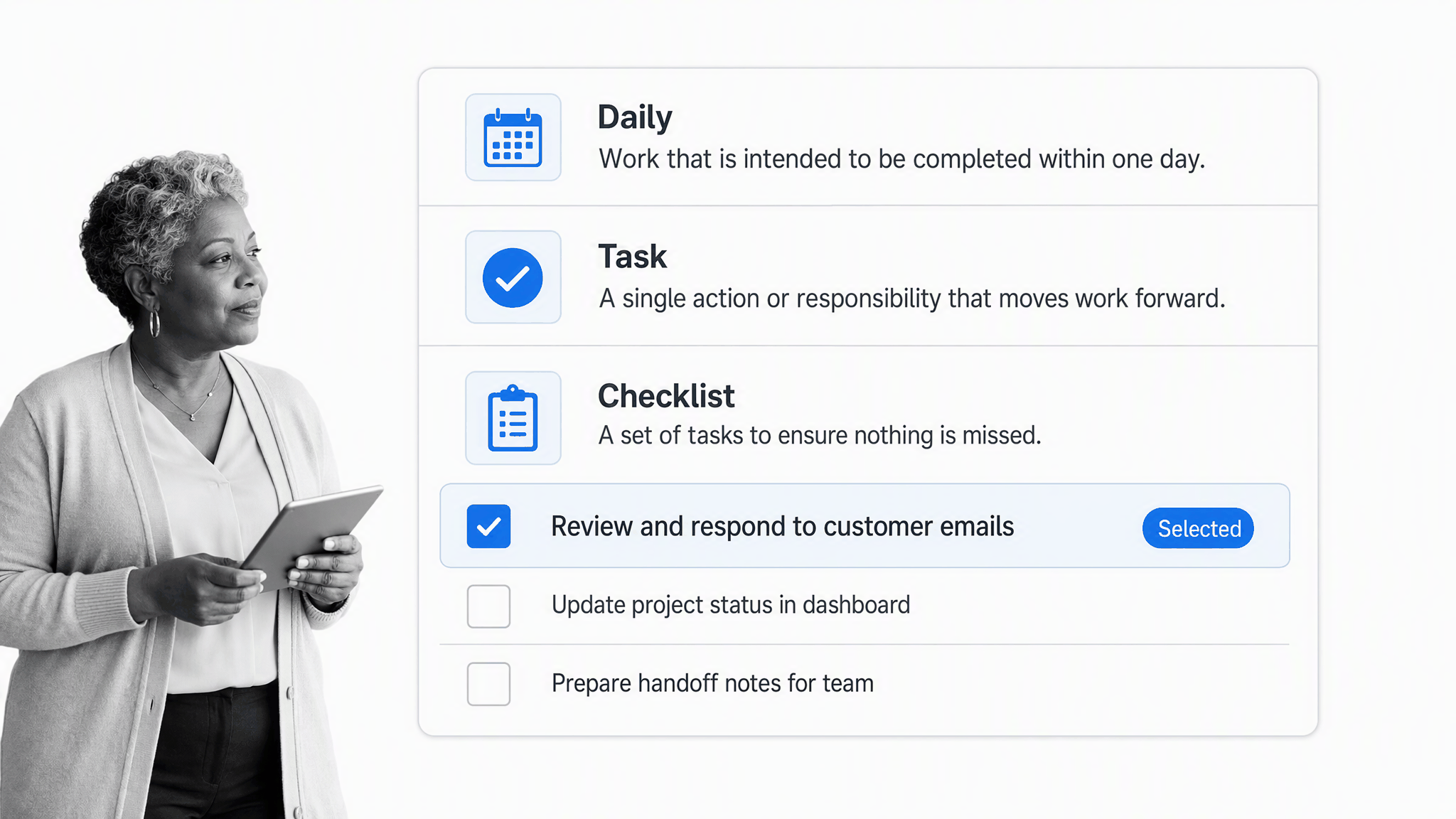
A daily task checklist is a short, ordered list of work that should be completed within one day. It gives each task a clear place, makes priorities visible, and creates a reliable record of what is finished and what still needs attention.
The checklist can be personal, such as a morning plan, or shared, such as an opening routine, quality-control review, customer follow-up queue, or end-of-day handoff. The useful version is specific enough to guide action without becoming a second job to maintain.
A practical daily task checklist example
- Review: Check deadlines, messages, and blocked work.
- Prioritize: Choose the three outcomes that matter most today.
- Execute: Work through tasks in priority order and record exceptions.
- Coordinate: Assign or hand off work that belongs to someone else.
- Close: Mark completed items, reschedule unfinished work, and prepare tomorrow’s first step.
For repeatable work, start with a reusable checklist maker rather than rebuilding the list every morning. A reusable structure makes it easier to improve the process when a step is missed or a better sequence becomes clear.
Separate recurring steps from one-off commitments. Recurring steps belong in the reusable checklist because they describe the method. One-off commitments belong in today’s run because they describe the specific work. That separation keeps the template stable while allowing each day to reflect real deadlines, customers, documents, and exceptions.
A useful checklist also defines completion. Replace vague items such as ‘handle email’ with an observable outcome such as ‘review the priority inbox, assign customer issues, and archive resolved threads.’ Clear completion criteria make it easier to estimate the work, hand it off, and decide whether the result meets the standard.
This article is based on an informal Process Street survey of business owners and employees around the world. The survey was not a scientific sample, so the responses should be read as practitioner experience rather than population-level proof. Still, 94% of respondents said they used daily checklists, and their explanations repeatedly pointed to the same 15 practical benefits.
1. Improve productivity
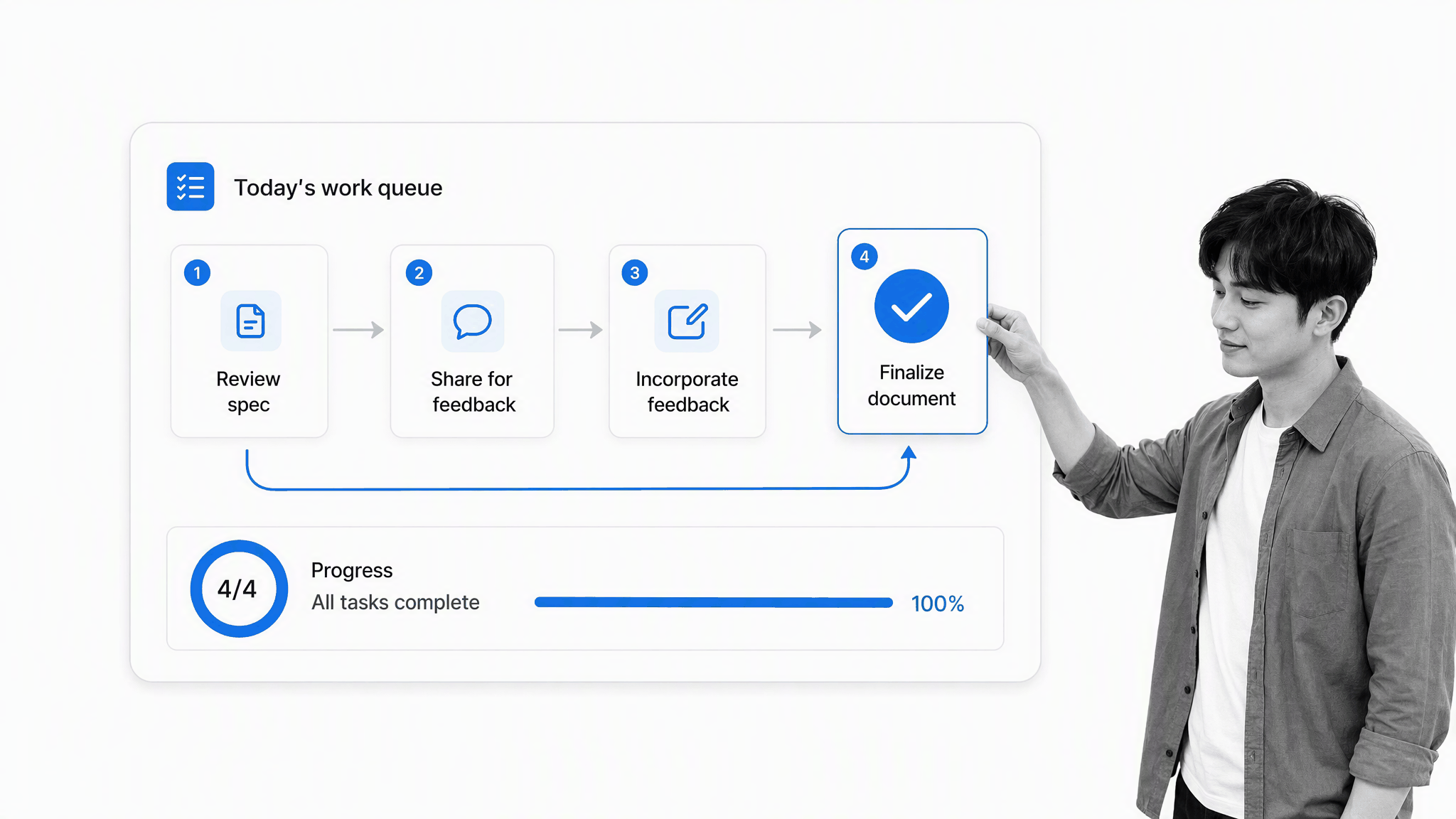
“Keeping a daily checklist also motivated me and helped me stay on track with the large amount of work I always had to do.”The simple act of marking a task complete can feel blissful and as Jeneault states, it helps by keeping you motivated. It comes hand-in-hand that if you feel motivated, then your productivity will increase. Why? It comes down to the power of small wins, or the progress principle which has been defined below:
“Seemingly mundane workday events can make or break employees’ inner work lives. But it’s forward momentum in meaningful work-progress that creates the best inner work lives.” Teresa Amabile, Steven Kramer, The Progress PrincipleUtilizing a checklist, checking off items on completion, creates this sense of work progression. Checked items are small wins. This keeps you motivated, which in turn enhances your productivity. Others reiterate Jeneault’s thoughts on checklists. Frank Spear from Raffle Press says…
“But many of us voluntarily use lists because we think it’s an excellent way to stay organized and productive.”Becky Beach from Beach Mom, tells us that using a daily task checklist keeps her…
“organized and productive.”Salman Saleem from Cloudways says he has…
“built checklists for myself to be more productive.”You can see the term organized is repeatably used alongside productivity. That is because organization improves productivity. These two benefits are linked. In fact, as you keep reading, it will become apparent that every one of our 15 daily checklist benefits are linked, as such, in some way. The benefits are linked. Well, one benefit tends to give another benefit, which gives another, and so on… A daily task checklist is created, put to work, and boom…there is an explosion of business benefits cascading from each other. To reiterate the point once more, here we have organizational improvements linked to improved productivity. If checklists improve productivity, and productivity improvements are linked to better organization, then it comes with little surprise to see the term organized used alongside productivity in our responses stating daily task checklist benefits. With that being said, improved organization is our next benefit, benefit 2, of daily task checklists. Daily task checklist improves productivity because of organizational improvements
2. Stay organized
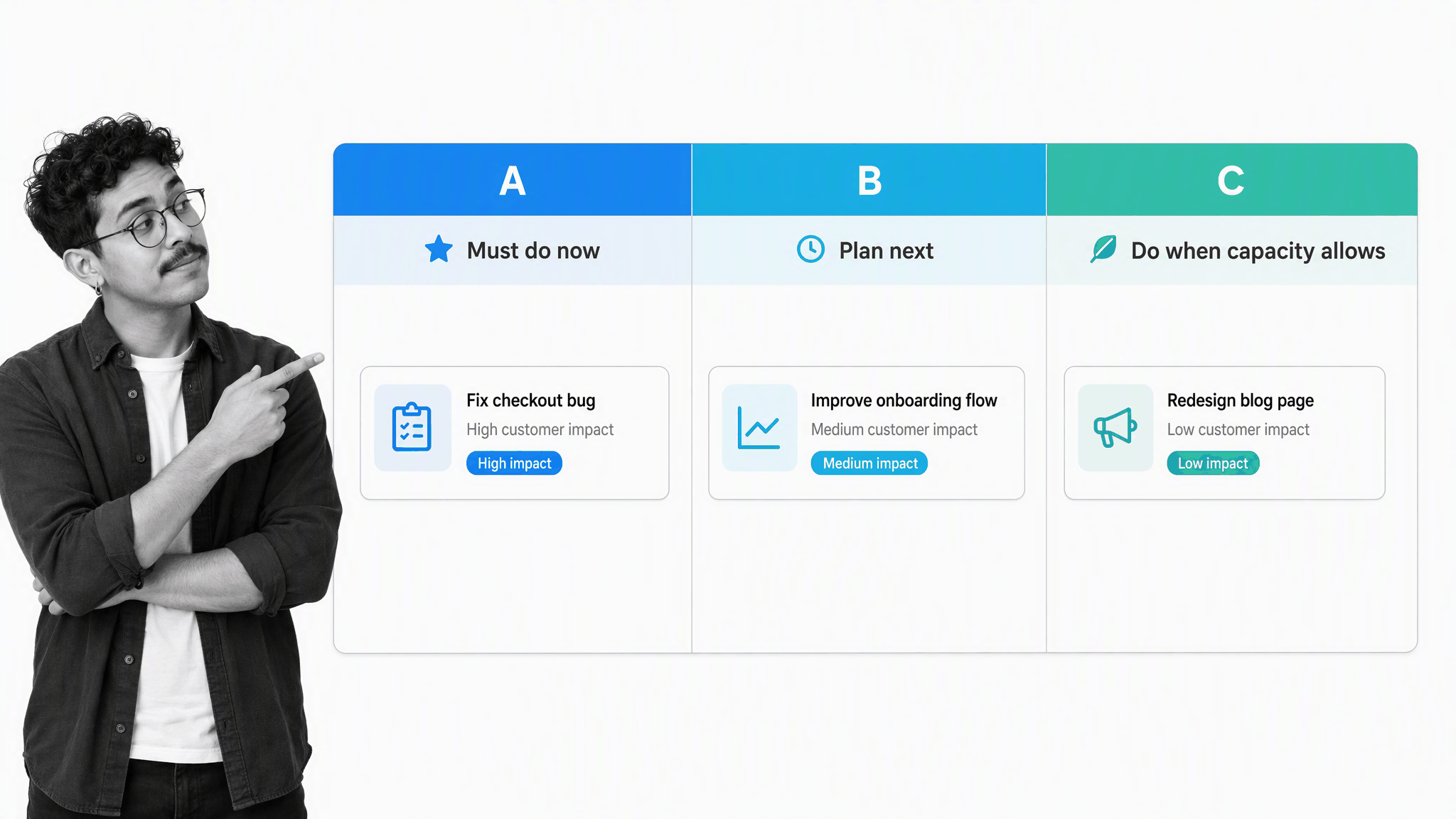
“I use a work checklist every day to organize and complete daily tasks, and have been doing so for years.”Nikola Roza from NikolaRoza uses a daily task checklist to organize her day, splitting tasks in order of importance.
“My daily checklist keeps me organized, motivated and near-perfect in my execution (I’m rarely perfect though). My daily checklist is divided into: A tasks, B tasks, and C tasks.”
- Task A items are vital. These are tasks that Nikola’s business cannot do without.
- Task B items help Nikola’s business grow, but to a lesser degree compared to task A items. These items are not as important as task A items
- Task C items are tasks that require little thought and can be done as the workday winds down
“a mess, plain and simple.”Jake Hay from PopShorts is another one who loves daily task checklists. So much so that he incorporates daily checklists during his onboarding processes.
“Checklists are essential for me to keep organized in most departments of life, but they are especially useful in the workplace. My interns have a daily task list in order of importance that reduces confusion and creates a steady workflow. In the event that I am not present to help in a given situation, they can simply refer to the intern handbook that contains all the checklists and instructions necessary for success. It’s extremely helpful to have a visual of what needs to be achieved and to scale progress.”From Hay’s quote: Daily task checklist keeps track of daily tasks gives organizational improvements Checklists ensure Jake’s new employees are organized to stay on top of their work-loads from day one. By making a note of the tasks within a given process, tasks can be tracked by Jake’s new employees. Training time is reduced so Jake has more time to focus on other aspects of his business. This is true for all processes. Having a daily task checklist gives benefits as you keep track of tasks. This brings us nicely to our next benefit, benefit 3, keeping track of tasks.
3. Keep track of daily tasks
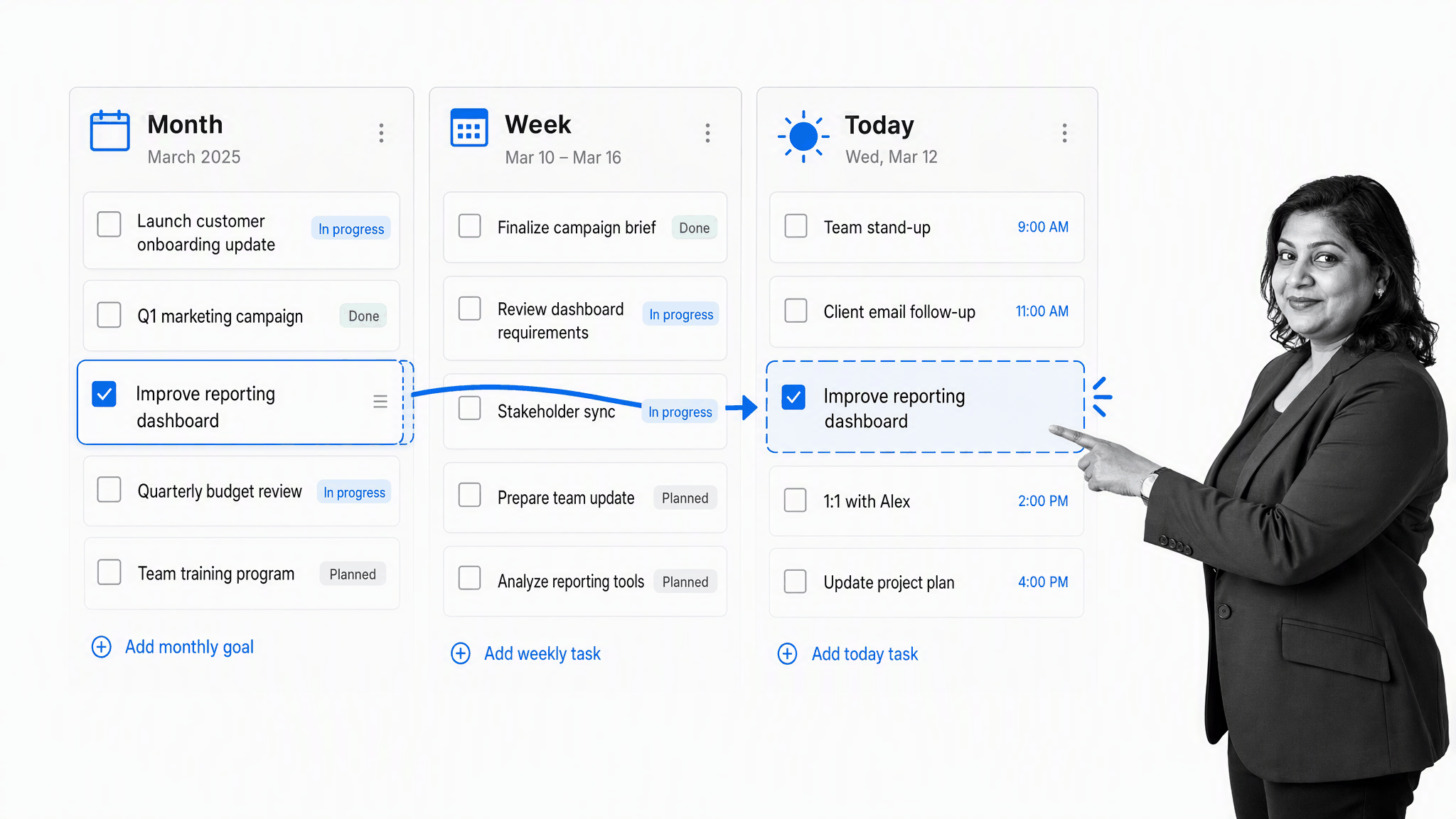
“I use checklists for both my morning routine (checking emails, the financial dashboard, website analytics, and bank accounts) and projects. These simple lists help me remember critical task elements. My mind is then free to be sharper and more creative because it is not working hard to remember the process details. Those items are being elegantly tracked on the checklist.”Daily task tracking for Kelly allows her mind to focus on other work-related tasks. Her mind is free of worry and without those spiraling questions of what do I have to do next? And did I do that task? Questions we have all asked at some point in our working lives. Daily checklists stop tasks from slipping through the net. Courtney Keene from My Roofing Pal finds it incredibly useful to keep a task list, as there are…
“a variety of small tasks that need to be performed daily at MyRoofingPal, and it’s easy for things to slip through the cracks if they’re not on an actual list.”Recording tasks in a checklists means tasks can be tracked to determine their completion status. Christine Glossop from Looka uses a daily task checklist to keep on top of her competing tasks:
“To keep track of these competing tasks, I use a larger monthly, biweekly, and weekly task tracker, with items getting moved into my daily task list according to their urgency or availability. The combination of these long term and daily task lists mean I can track progress on long term goals, by breaking them down into achievable daily tasks.”You can use a variety of checklists together. In this instance, checklists operating on different scales are used. In this article, we are focussing on the daily task checklist, but from Glossop’s quote, you can see how annual, monthly, weekly and daily checklists interplay and influence each other. Tasks are tracked between each different checklist for a higher level of business process control and management. Checklists from different departments, teams, and work colleagues can also overlap. That is, a daily checklist may contain tasks that need to be completed by more than one business employee. Callie Beard from Triad B2B Agency jumps on this point:
“Each person’s dashboard shows the list of tasks they are in charge of and when they need to be completed. The handiest part of a shared online task list is that you can pass a task back and forth.”By tracking tasks within a process, they can then be passed back and forth between employees, improving teamwork. Daily task checklist keeps track of daily tasks improves teamwork Teamwork improvements is our 4th daily checklist benefit.
4. Improve teamwork
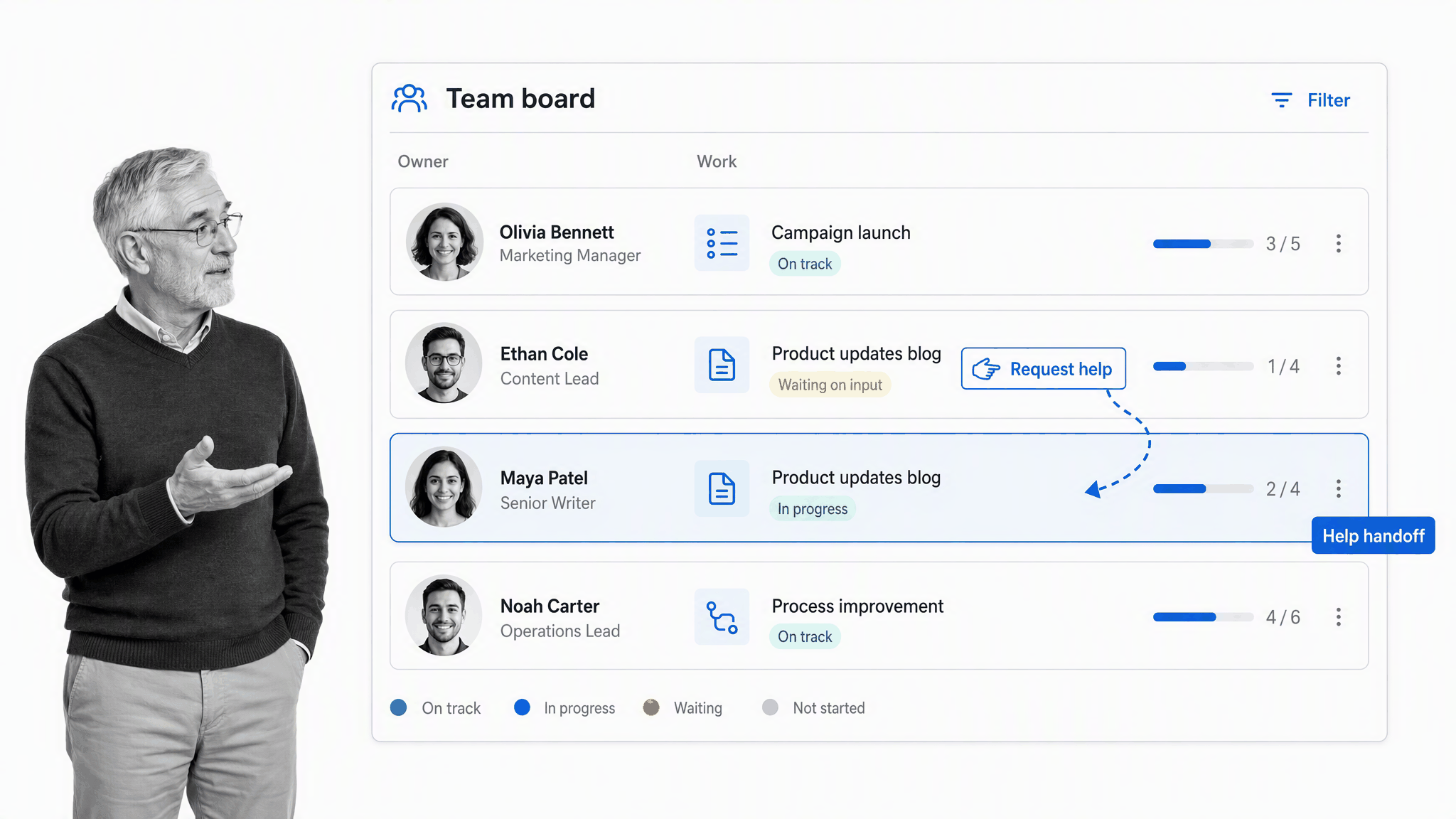
“By using this checklist, everyone knows what their responsibilities are for the week and if they don’t/can’t achieve them, we can ask other members to help out so everyone works together to achieve 80% or more.”Tracking tasks, in terms of what team member is doing what and measuring task completion, means that Maxim’s employees can take action and help others when needed. There is full task transparency. With transparency, work colleagues are brought together, to function as a unit, rather than separate employees, job titles and departments. Our findings are one in the myriad of supportive evidence favoring checklists as a practical tool bringing teams together. For example, a study by Tscholl, David W et al (2016) postulates that medical checklists improve teamwork perception. Another study by Russ. S et al (2013) concludes that checklists are beneficial for teamwork and communication. As previously mentioned, there seems to be a causal link between task tracking and enhanced teamwork. As tasks are tracked, there is full transparency regarding the business process, what employees are doing what, when and how. The increased transparency of processes, that comes with task tracking, is another checklist benefit, the positives of which ripple through to strengthen teamwork. Daily task checklist keeps track of daily tasks increased transparency improves teamwork
5. Increase transparency
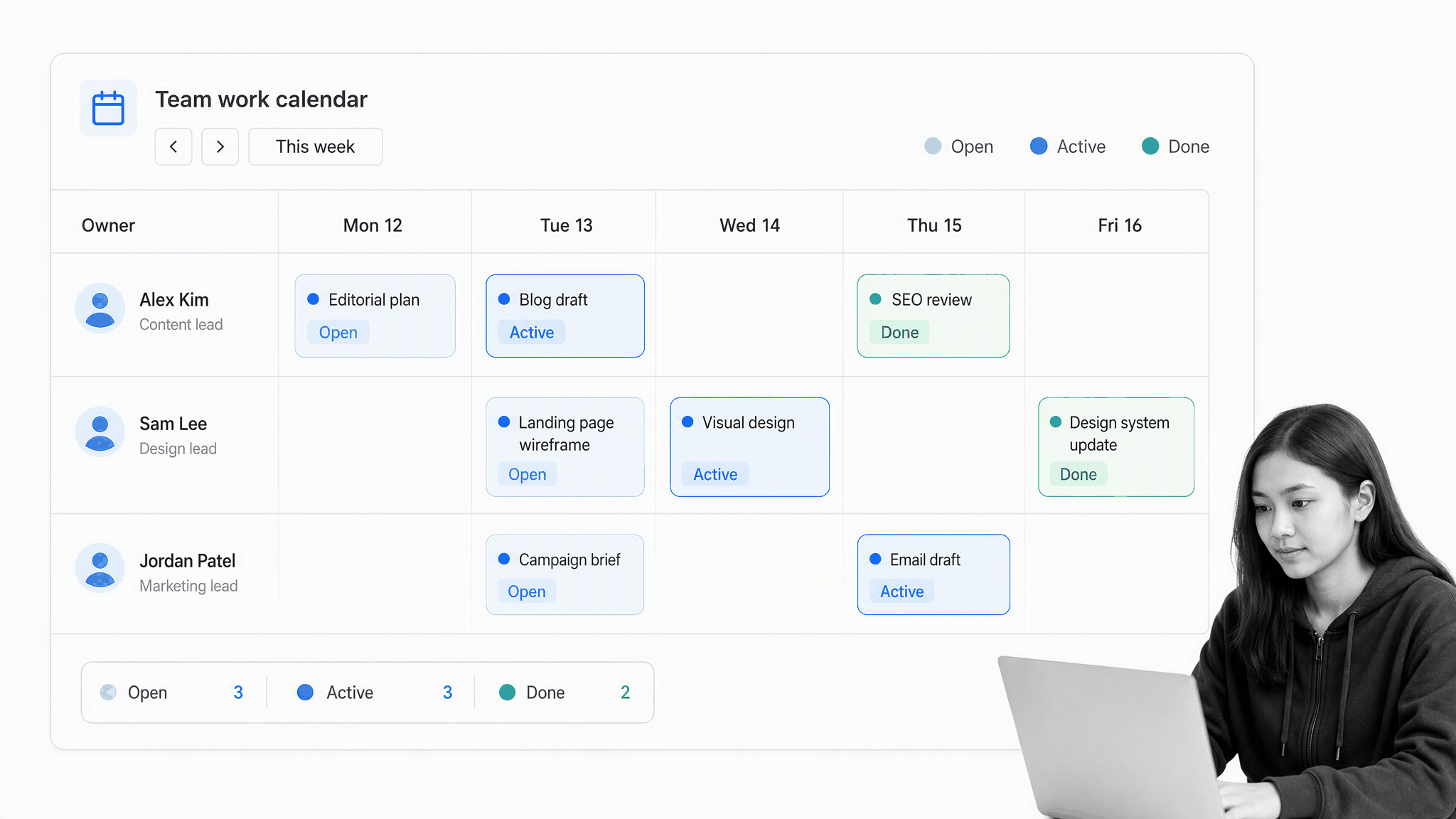
“I use a daily task checklist to capture and prioritize what I need to do each day. As a remote worker (and manager) on a global team, I am however looking to move those checklists into a transparent calendar so my teammates have constant visibility into what I’m working on and when I’m working on it.”Both Maxim and Conaway recognize the need for making a daily checklist visible to all employees, that is, to increase checklist transparency. With increased transparency, the need for constant communication is removed, without degrading teamwork. This is an especially useful feature for remote-based work. In Conaway’s case, adopting such a high level of transparency that is effective across borders is possible using a daily checklist. In fact, utilizing checklists in a more digitized format, such as the checklists you can produce for free using Process Street, grants you the optimum degree of process transparency. With Process Street, the transparency of your checklists can be fine-tuned to suit your needs. You can manage permissions of your users, ensuring the confidentiality and safety of your templates and checklists. Although we have singled out increased transparency as a unique defined checklist gain, one that enhances teamwork, the benefits that increased process transparency bring are diverse. This diverse set of benefits can be labeled as discrete entities, as defined by Asea:
- Increased employee engagement
- Higher quality and better fit employees
- Fewer barriers to innovation
- Enhanced member service
- Clear-eyed leadership
6. Improve work quality
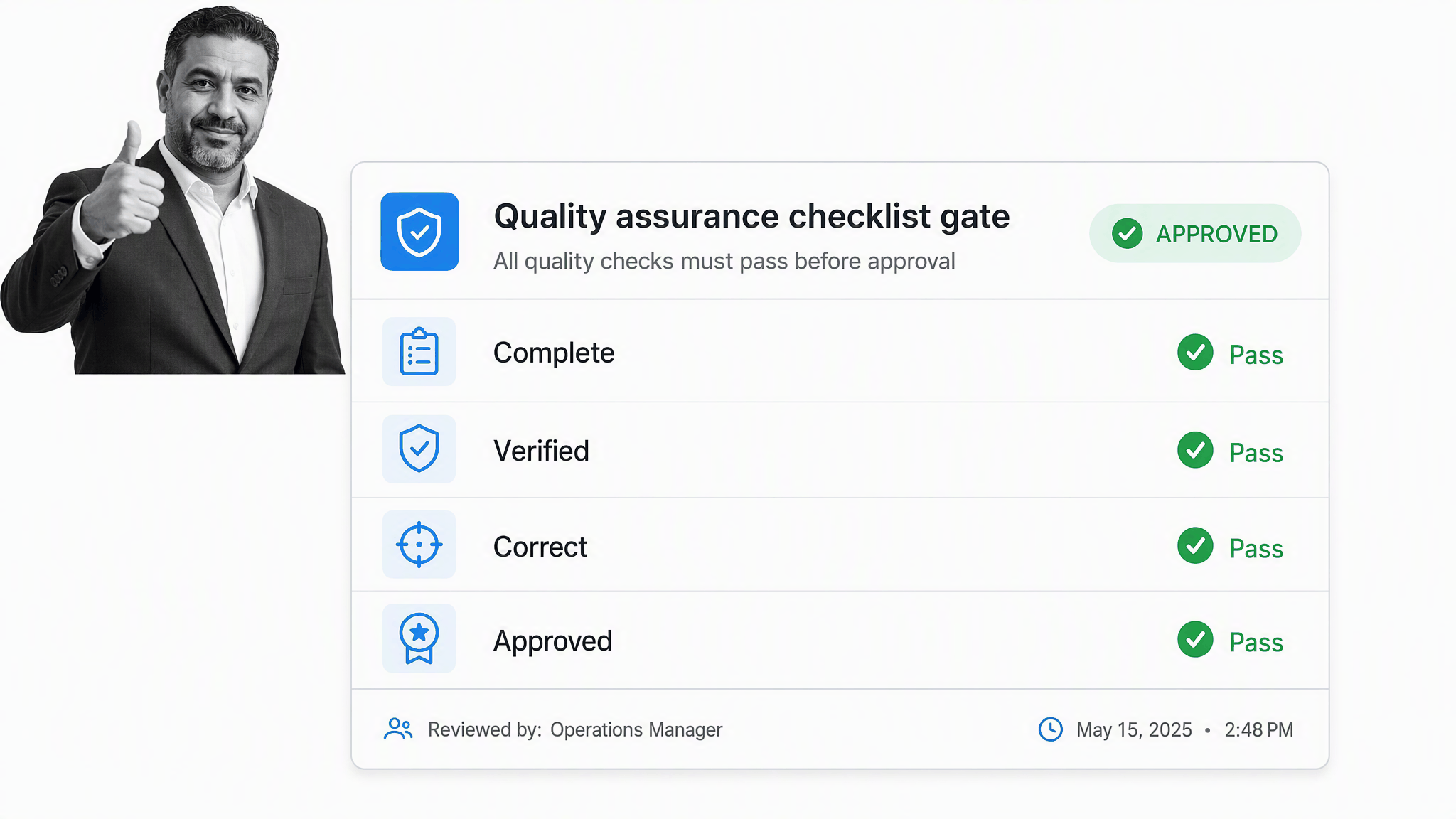
Rob Stephens from CFO Perspective uses a daily task checklist to “assure high quality and prevent mistakes.”
That benefit comes from standardizing the moments when quality is easiest to lose. A checklist can require a reviewer, confirm that source data is attached, verify that a customer-facing document uses the current version, and stop work from moving forward until a critical control is complete.
The checklist does not create quality by itself. The steps need to reflect the real standard, and the person completing them needs enough context to make a sound judgment. When those conditions are present, the checklist protects craftsmanship by making the essential checks difficult to overlook.
Quality and efficiency often reinforce each other. Catching an error before a handoff avoids rework, while a clear acceptance standard reduces debate about whether the task is actually done. The result is not simply faster work. It is work that reaches the intended standard with fewer preventable loops.
7. Work more efficiently
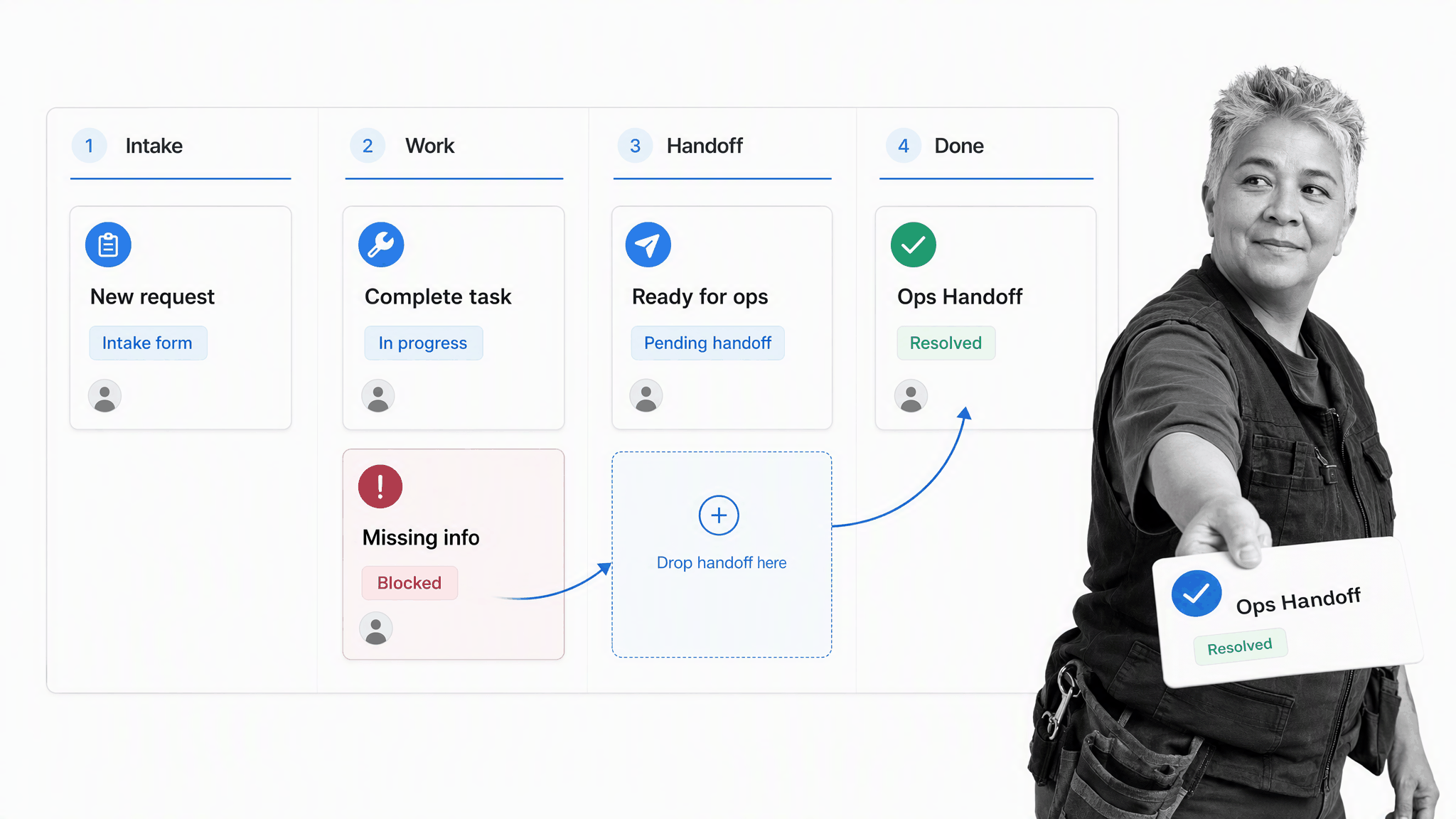
“nothing gets left behind or forgotten. Everybody has to follow these guidelines in order to make operations function efficiently and in a timely manner to avoid delays, reschedules, bleeding labor time and expired quotations“.To elucidate the term efficiency, efficiency means to achieve maximum productivity with minimum wasted effort or expense. We already know that a daily task checklist increases productivity (see benefit 1 ⬆ ). In terms of minimizing wasted effort or expense, well, let’s see shall we? To minimize wasted effort or expense, you need:
- Excellent time management
- Minimal errors
8. Manage time better
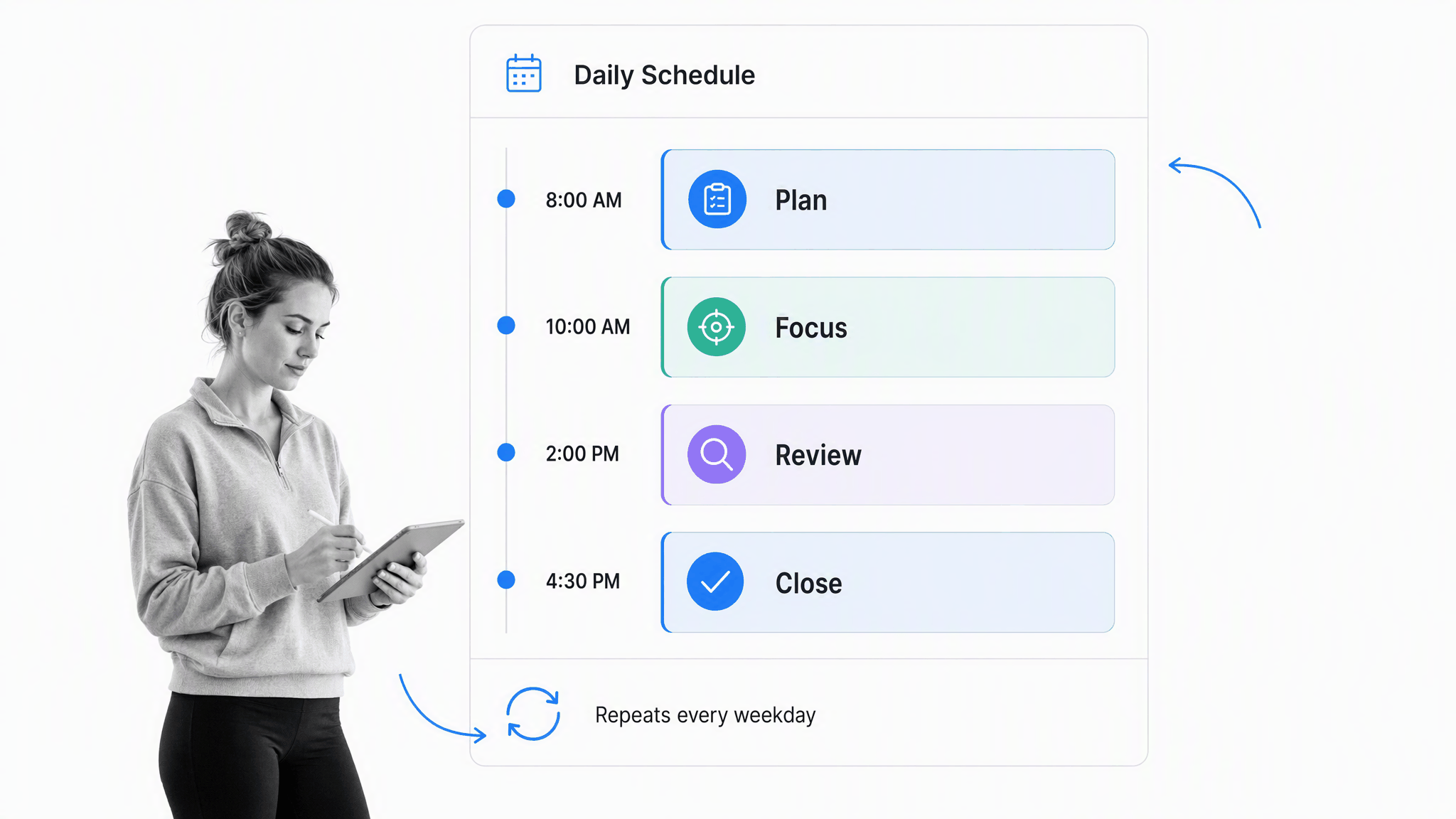
“essential for running simple and complex tasks within my company. Not only does everything get done right, but it gets done much faster than having to reinvent the wheel each time“.From Deane’s quote, you can see how a daily task checklist is indispensable for the time management of his business processes. Time is targeted at completing productive work. Work that brings results, rather than re-inventive work, as Deane puts it. Executing productive processes faster, means more result bearing work can be done in the time available. Hence, improved time management.
9. Reduce errors
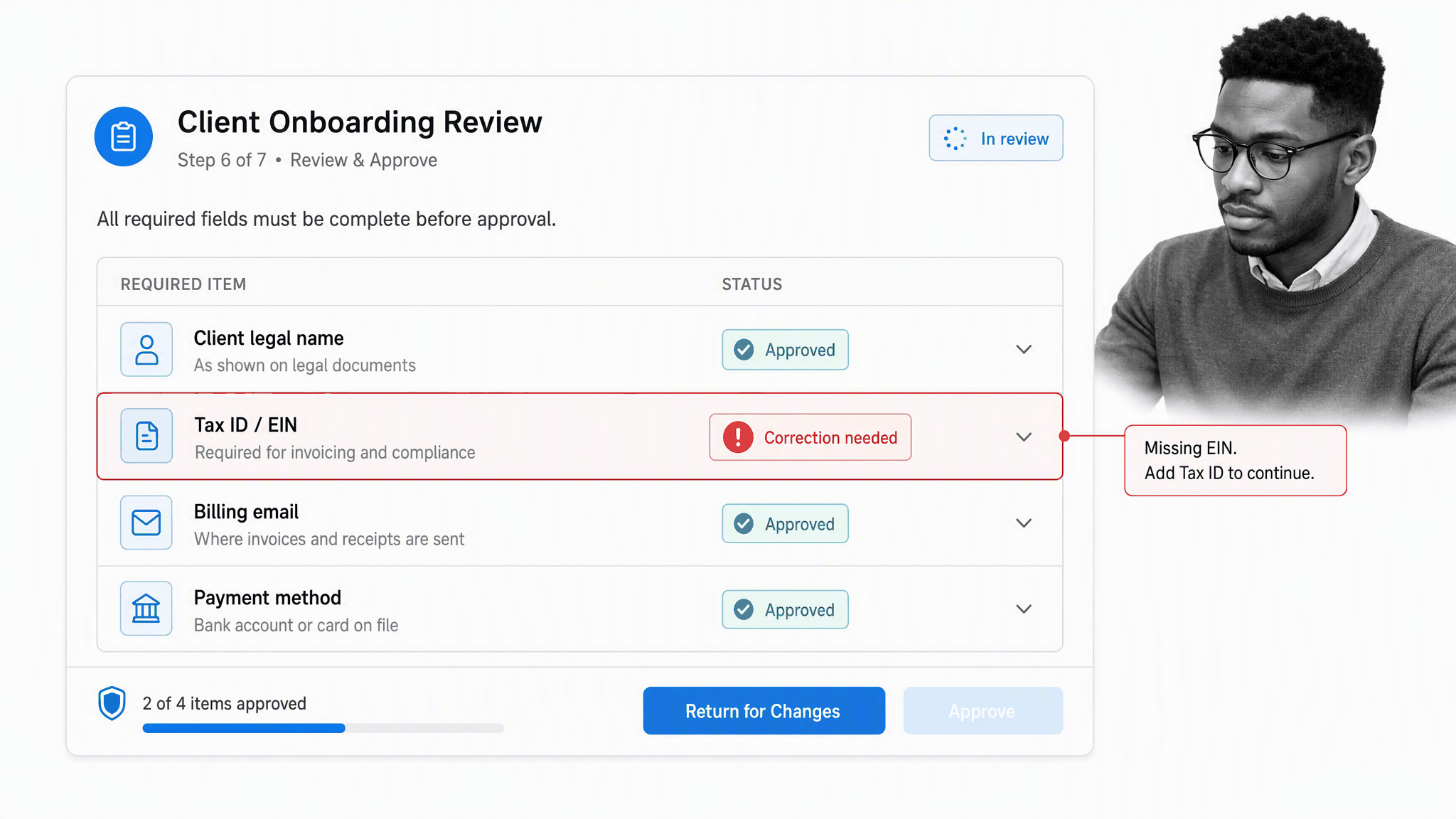
“This is actually perfect timing since I just recently set up process.st for a few elements of my business. It has been a tremendous timesaver for us. Client onboarding has become a breeze. What used to take multiple calls, emails, and corrections, now takes minutes.”In this example, by utilizing Process Street and governed workflows for his business, Ehrentreu has come by fewer errors (quote: corrections) during onboarding. Although Ehrentreu doesn’t use a daily checklist per se, checklists as a whole have bought appreciative business improvements. Marketcircle tells us how checklists reduce error:
- By breaking big tasks into smaller pieces
- By improving communication for everyone
- By empowering teamwork
“the person who forgets something and misses a deadline“.Daily task checklist keeps track of daily tasks increases process transparency increasing employee engagement which improves work quality meaning greater work efficiency the result of improved time management ➕ error reduction ➕ increased productivity Phew…that’s a lot to get your head around. But we aren’t finished yet. Using a daily task checklist involves recording and tracking daily tasks. Keeping track of tasks means you can follow the same steps again and again. You use a daily checklists, erm daily, meaning you are consistently following these steps. Can we therefore not suggest that having a daily task checklist improves work consistency? Once more, tracked tasks improve process transparency, which brings by a host of other benefits such as improvements in work quality and minimizing errors. With improved work consistency, with a daily task checklist, you will consistently obtain benefit upon benefit.
10. Improve consistency
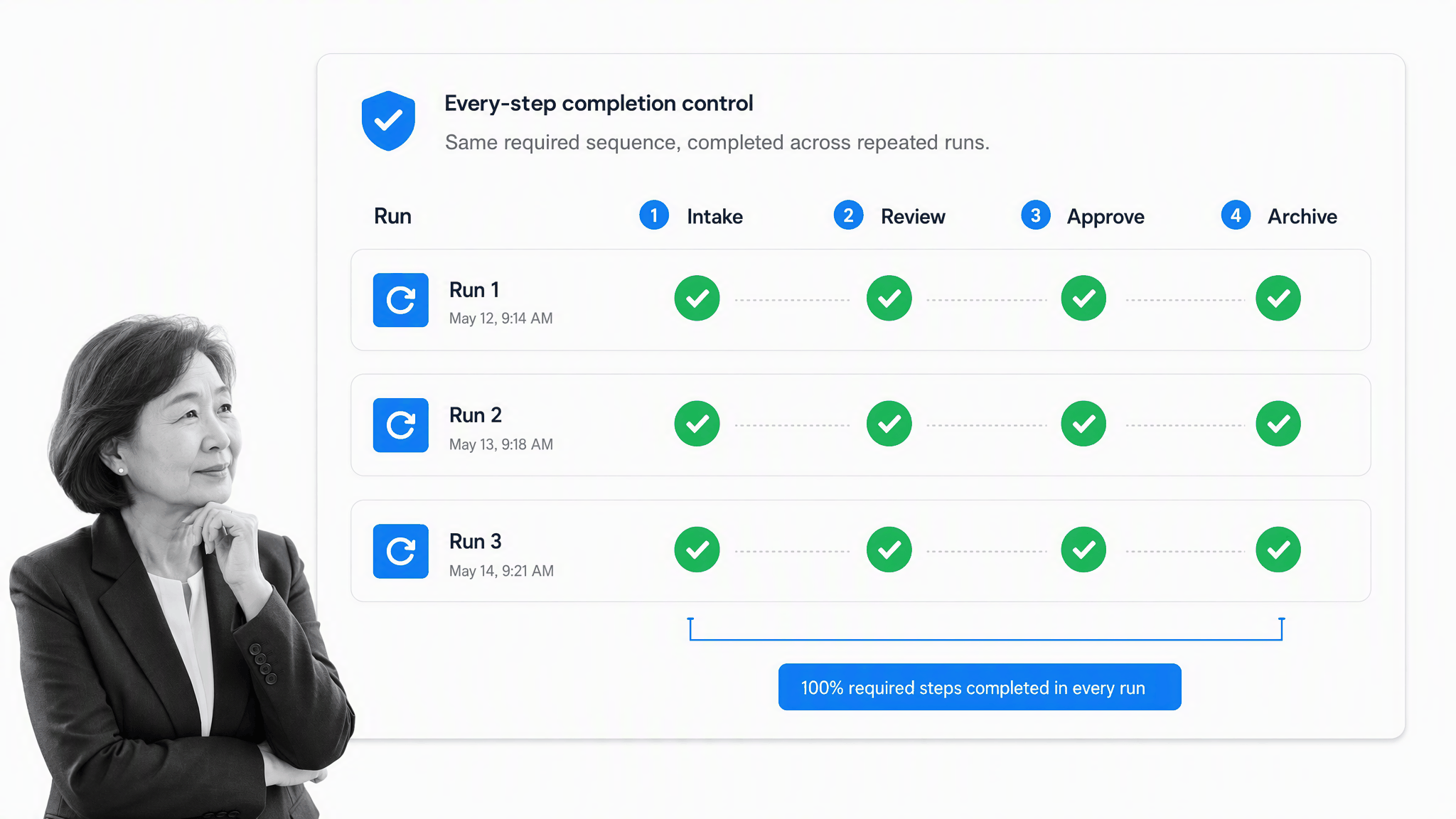
“the work gets done in a consistent way.”Think about it, if you want to execute a process, there are often many variables that need to be considered. Business processes are complex. We forget. We make mistakes. We even get bored, especially for those recurring tasks. Describing your processes, listing down all items within that process, means that:
- Every ☑
- Step ☑
- Can ☑
- Be ☑
- Checked ☑
- On ☑
- Completion ☑
11. Make work more effective
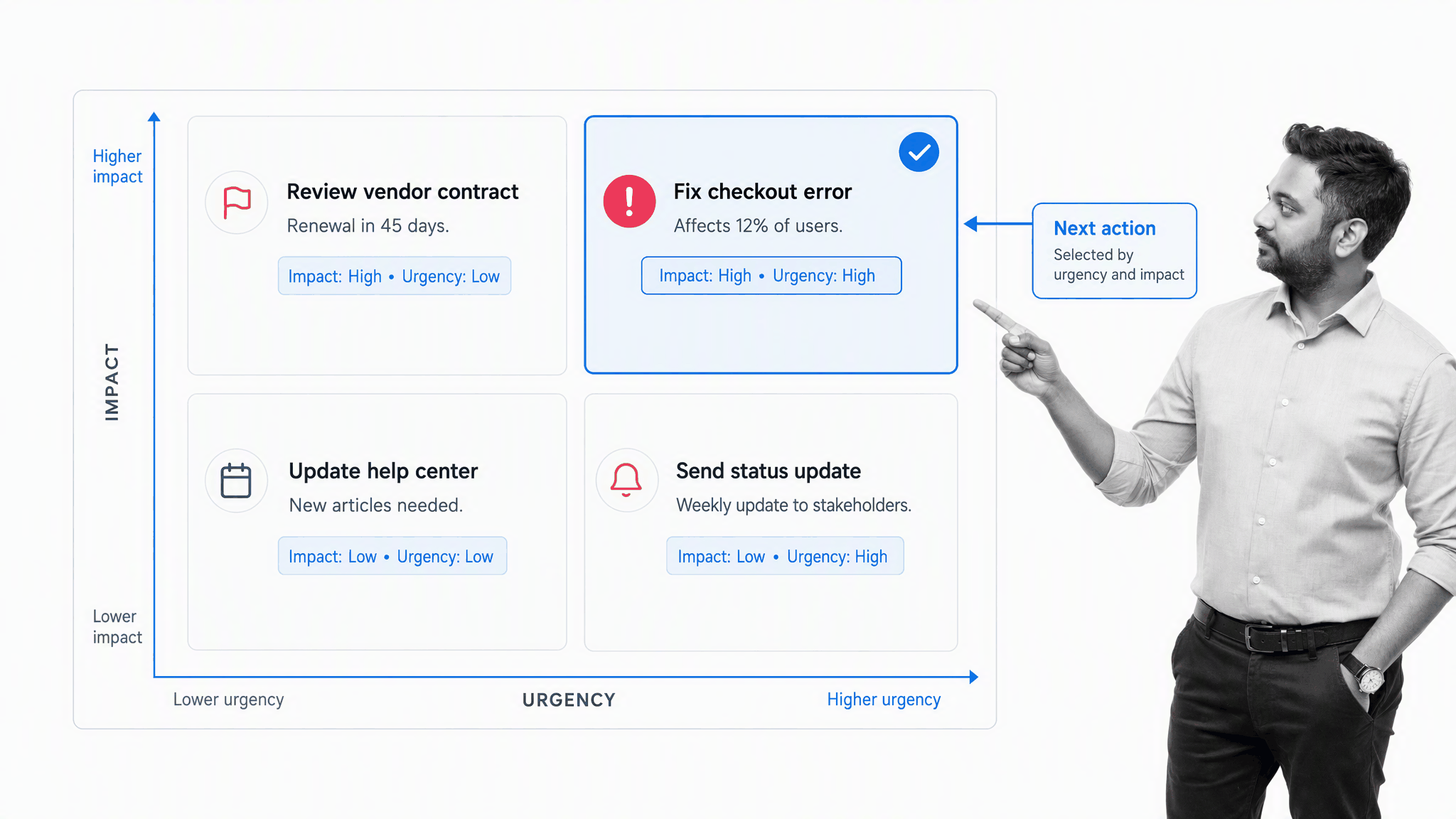
“security blanket.”With a daily checklist, John can…
“remember everything, and also place tasks in a priority order to indicate urgency.”With this level of control, John obtains the results that he needs for the smooth running of his business. Catherine Way from Prime Plus Mortgages uses a daily checklist for her employees to:
“easily manage everything on their to-do lists, and see that no information gets missed.”By not missing anything, Catherine’s employees consistently produce work that gives the results required. If you are achieving your desired results, then errors within your process are minimized. You are more productive. Your work is of higher quality, and so on… Again, we come back to the point that a single benefit of using a daily task checklist cascades further improvements. Its like an interconnected web of benefits stacked on top of benefits. Daily task checklists are at the center of it all. With our next daily task checklist benefit, we move back towards the center of our interconnected web of wonders. A benefit not mentioned yet, but deserving of a place in our 15 listed daily task checklist benefits. This benefit, benefit 12 is planning improvements.
12. Plan ahead
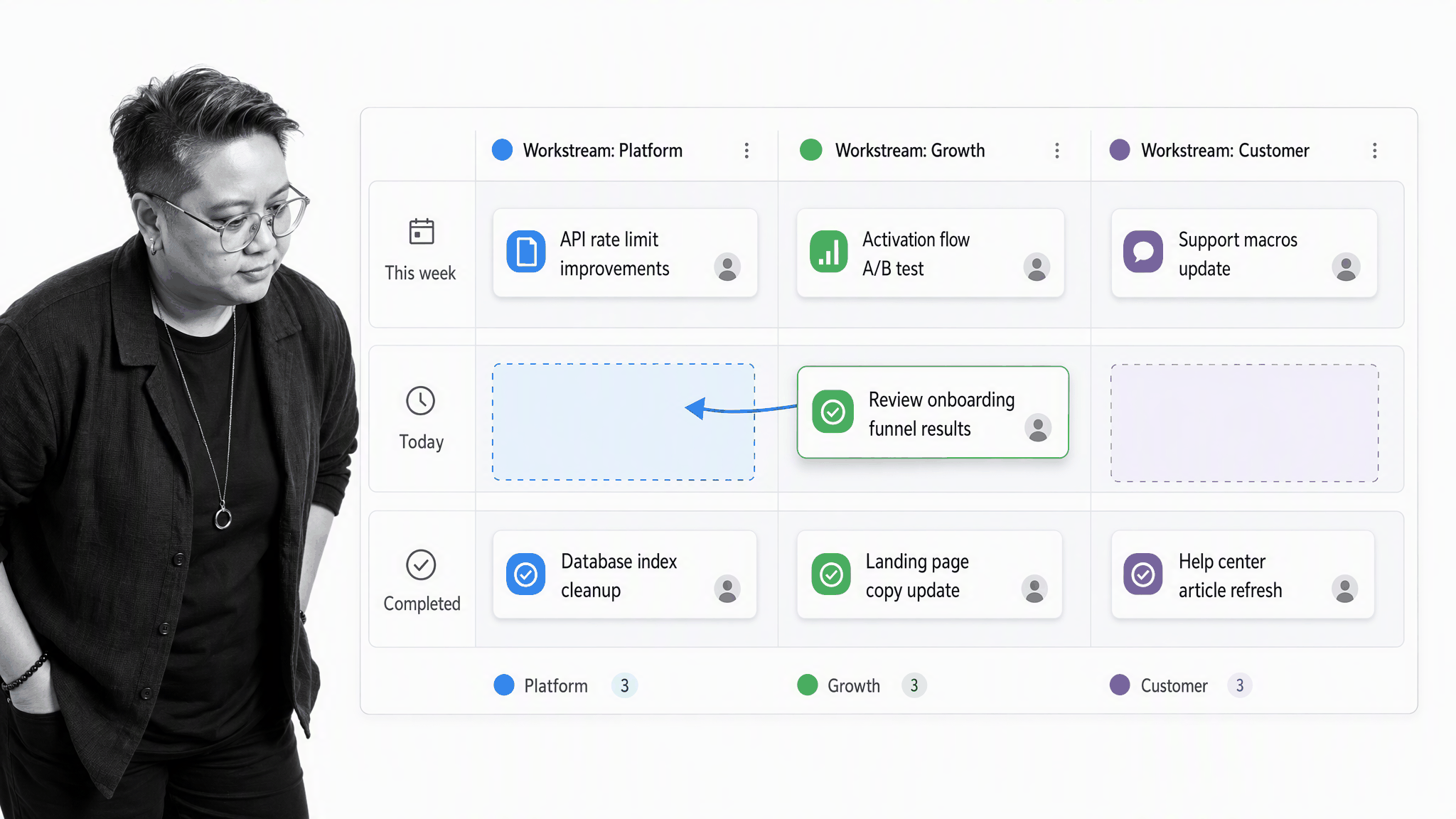
“a daily checklist and notes on each design help me understand what sort of feel we’re going for because it’s so hard to define sometimes.”Keno Hellmann from Kite also likes to use a daily task checklist to plan her upcoming work. Hellmann gives us detailed insight on how she organizes her tasks within her checklist via color codes:
“Due to the ability to organize all tasks and projects by colors, I can see at first sight what task belongs to which project.”Uncontrolled and unaccounted for time in the workplace will have negative consequences on your output. Using a daily task checklist to plan your day will mean:
- Time is consistently dedicated to deep efforts that matter, promoting creativity and productivity
- You can feel a sense of relief knowing full well your day ahead has been organized and planned to the nth degree
- Your workflows and processes will run more smoothly with pre-planning
13. Create smoother workflows
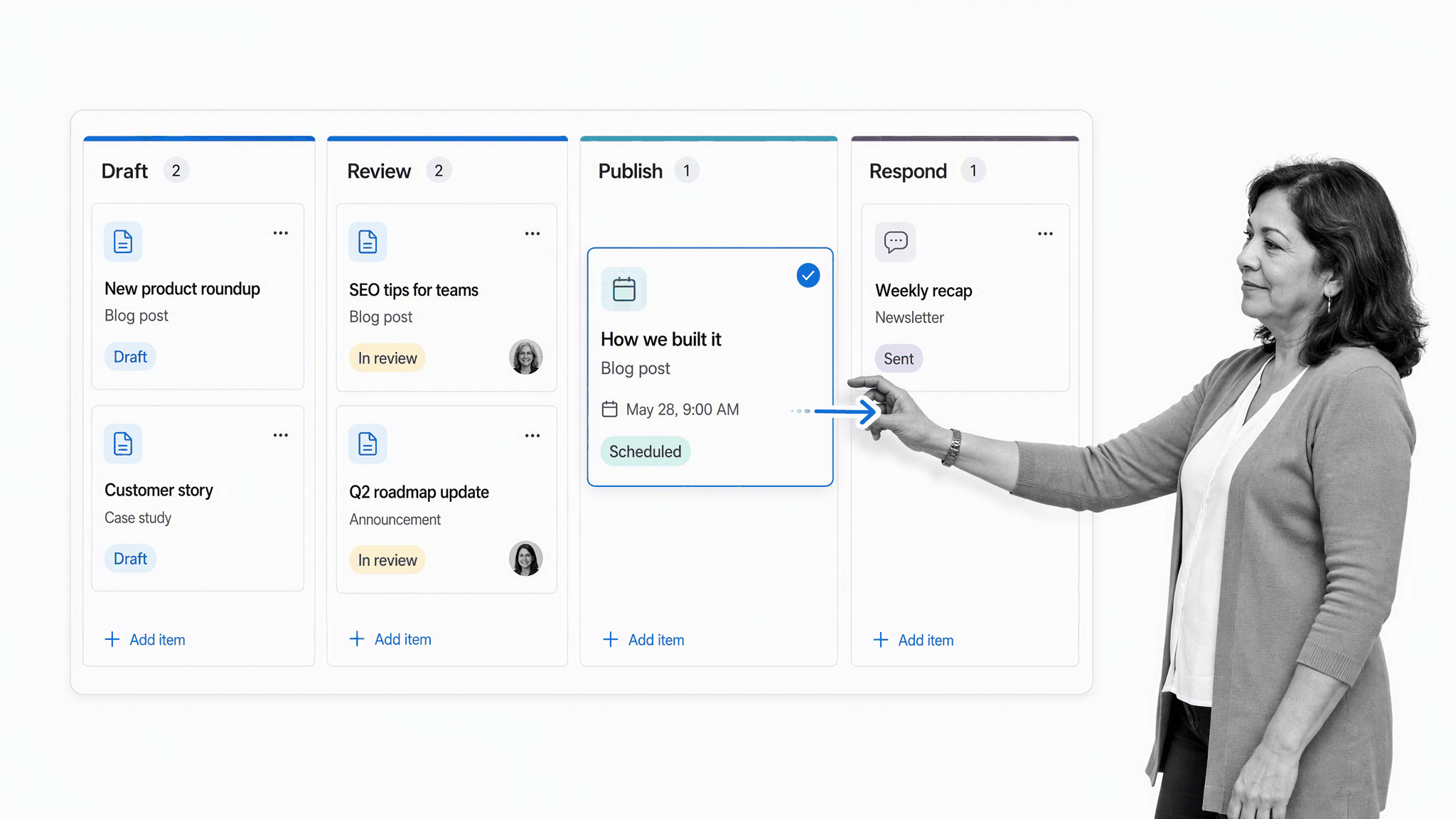
“Running a content website or blog has a lot of moving parts, and there’s always something that needs updating or troubleshooting. It can be hard to keep on top of everything when you have a full publishing schedule, so I use a daily checklist to make sure I cover all my bases.”Business processes are complex. For Jones, his workday involves managing his blog and website. A potentially complicated, convoluted chore. But with a daily task checklist, it doesn’t have to be described as such. As Jones puts it…
My checklist helps me quickly and efficiently assess my website status and analytics, respond to comments, review and engage on social media channels, and essentially clear my plate for the day.”How simple is that? With a daily checklist, Jones can pre-plan and manage his day, knowing full well what tasks need doing for the larger process of running a website/blog. With better workflow management, workflows and processes run more smoothly, allowing Jones to clear his plate at the end of each day. Daily task checklist planning improvements better workflow management smoother workflows and processes
14. Strengthen accountability
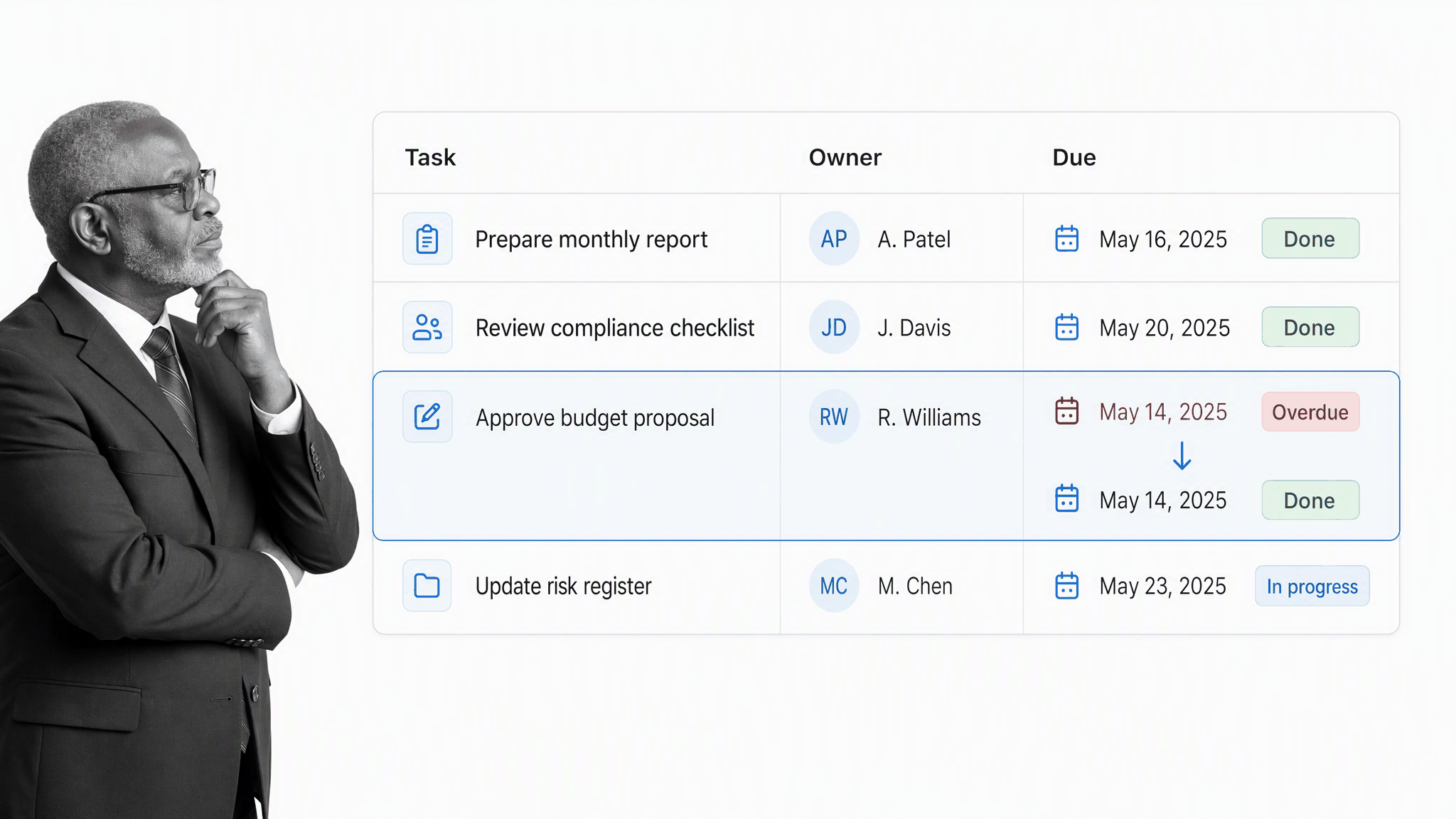
“give a visual overview of what is being worked on and who is working on it.”You can then ensure the right people in your team are assigned to the right job. As put forward by Sarah Franklin from Blue Tree AI…
“following a checklist ensures our skills are being applied in the right areas where they are needed.Franklin’s employees are accountable for their skills, applying those skills where best within the checklist. For Ben Taylor from Home Working Club, this increased accountability that comes with running a daily checklist is his number 1 reason for using such a checklist.
“The reasoning is quite simple: checklists ensure accountability and help make sure no obvious balls get dropped.”Since…
“your work often depends on or affects the tasks of others.”…as nicely stated byPeter Song from Haki Review Mashup, accountability acts to safeguard errors and problems snow-balling through your company. If everyone in a workplace is accountable in their role, and for how they apply their skills, your workflows and processes will run a lot smoother. Daily task checklist keeps track of daily tasks increased transparency increased accountability smoother workflows and processes
15. End the day happier
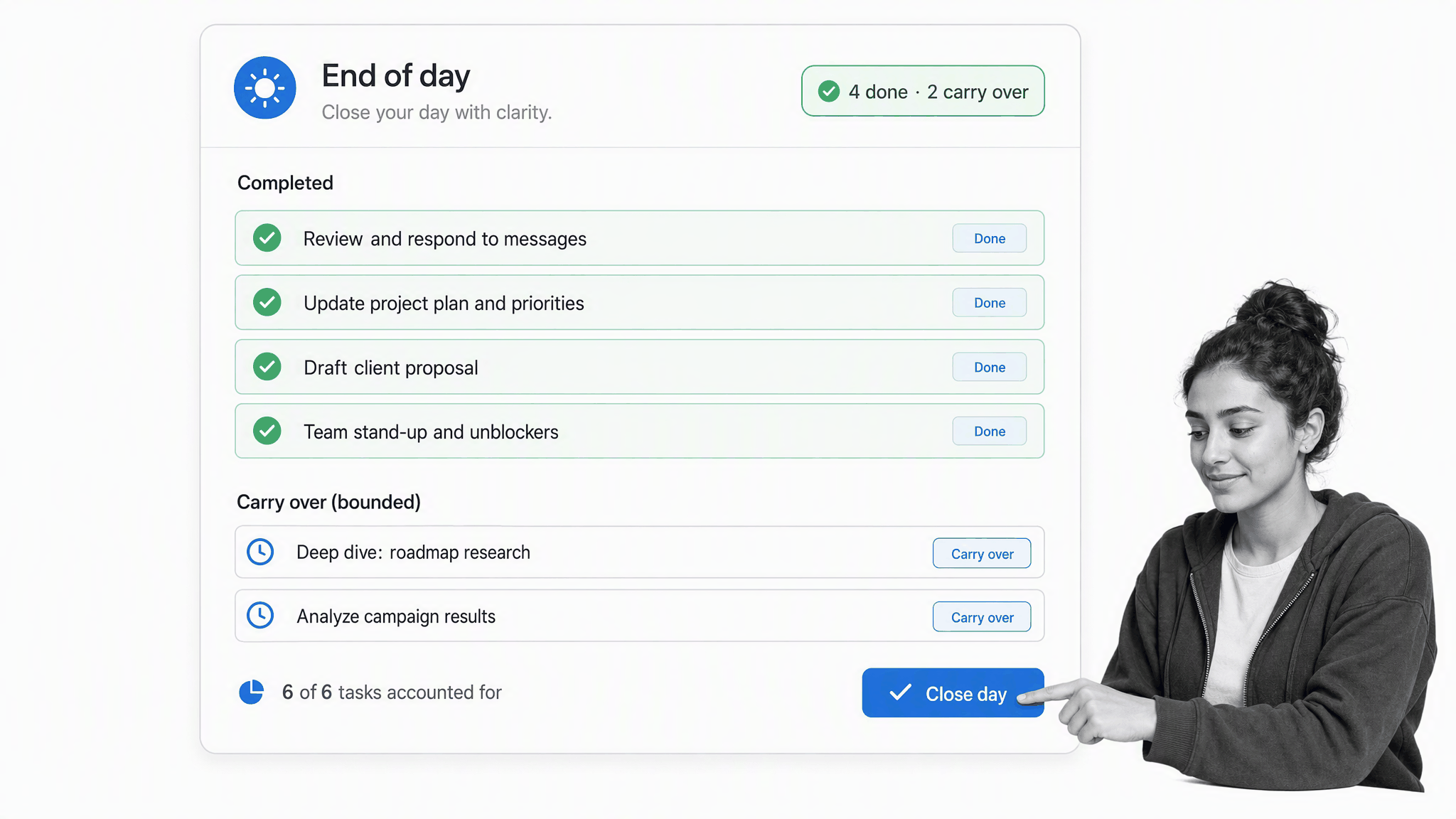
A checklist cannot guarantee happiness, but it can reduce the mental load of remembering unfinished work. When priorities are visible, people spend less energy asking what comes next or worrying that an important step has been forgotten.
That sense of progress matters. Teresa Amabile and Steven Kramer describe how forward movement in meaningful work can improve a person’s inner work life in the Progress Principle. Checking off a task is useful when it represents real movement, not busywork added simply to make the list longer.
The end-of-day review is especially valuable. It closes open loops, moves legitimate unfinished work to a realistic date, and identifies tomorrow’s first step. Instead of carrying an undefined pile of obligations into the evening, you leave with a documented plan.
Keep the claim modest: a daily checklist is not a treatment for stress or burnout. It is one practical control for clarifying commitments, recognizing progress, and preventing routine work from occupying more mental space than it deserves.
When a daily checklist does not help
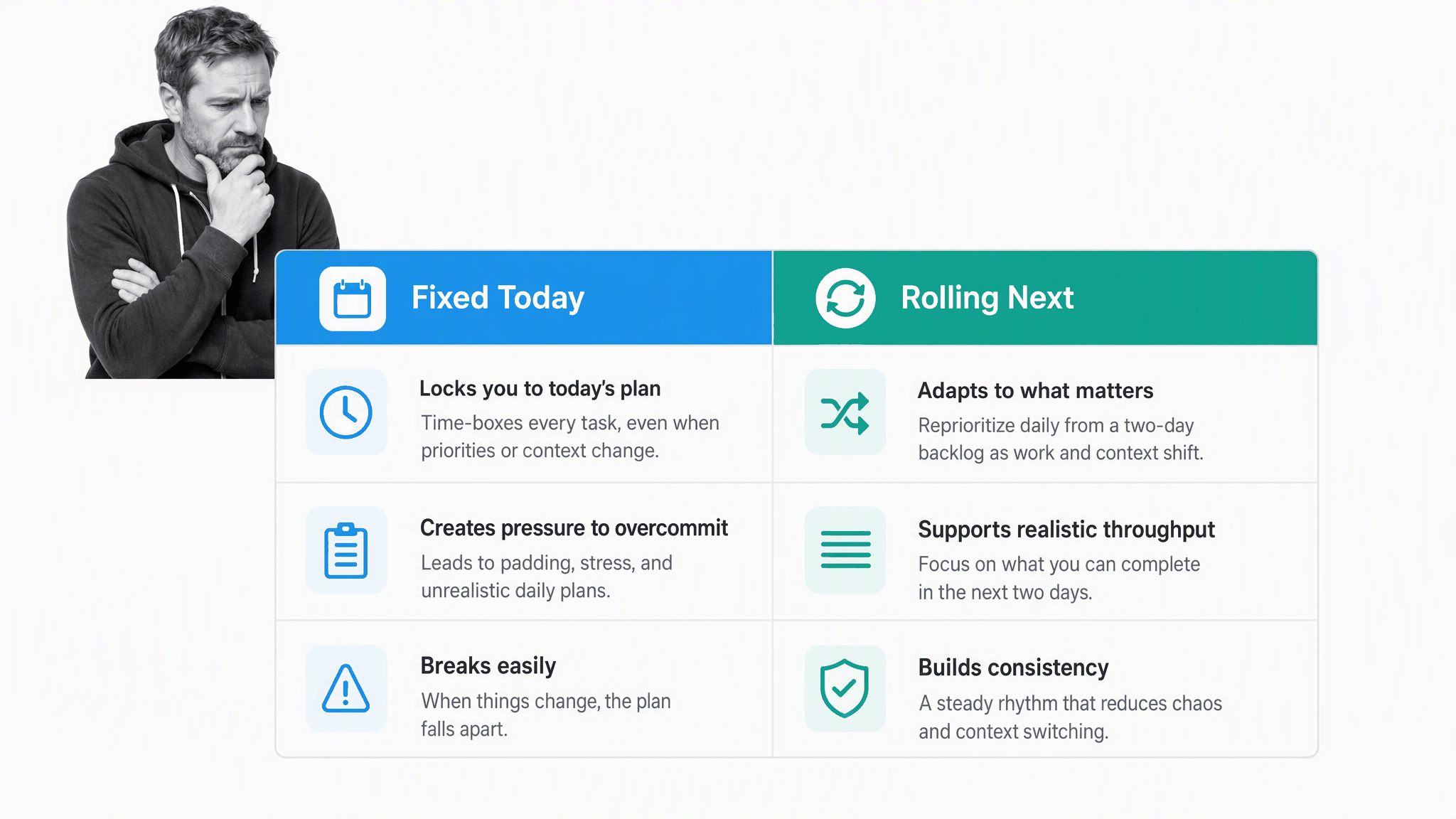
“In our experience, a strict daily task list may not be the best way to plan your day. This is because new work and challenges emerge every day, which throws the planned schedule off often. However, if not daily, we do maintain a task list which allows for a couple of days of flexibility.”It seems that using checklists operating over a longer time period brings in the flexibility needed for Singh’s specific business processes. This is a good point to take away. Some business processes cannot be managed using a checklist that operates over a daily time-scale. As mentioned under benefit 3, you can use a variety of checklists together, using checklists operating on different timescales. Combine this with what we discovered under benefit 8, regardless of whether a checklist is working on an annual, monthly, weekly or daily timescale, the principles of its structure and function are the same. Hence, all checklists, not purely daily checklists, will bring the benefits listed in this article. Alex Vale from Attio says that although most of his team uses a daily task list, this is not something that he enforces:
“We’ve yet to find a solution that fits everyone’s flow so we don’t enforce team-wide task lists.”A daily checklist might not be appropriate for the type of work an employee is undertaking. Their work-flow may be more suitably managed using weekly or monthly checklists. Shawn Lim from Orbital Fuse Technologies was the only response indicating no checklists are used to manage his business operations.
“We don’t have a strict daily checklist that we use. We find that our task management software is sufficient to provide us with an overview of our workload for the day and week.”Lim uses task management software to stay on top of the workflows and processes. Despite not using a checklist, Lim still recognizes the need to take the time and figure out the best way to manage his and his team’s tasks. Lim has simply found a way to do this that doesn’t involve checklists, a unique choice that suits his business. Process Street is a task management software that you can use as your task manager. At Process Street we love checklists (if you haven’t already figured out). We manage your tasks via checklists for free. Want to find out how? Keep on reading.
Use Process Street to run daily work
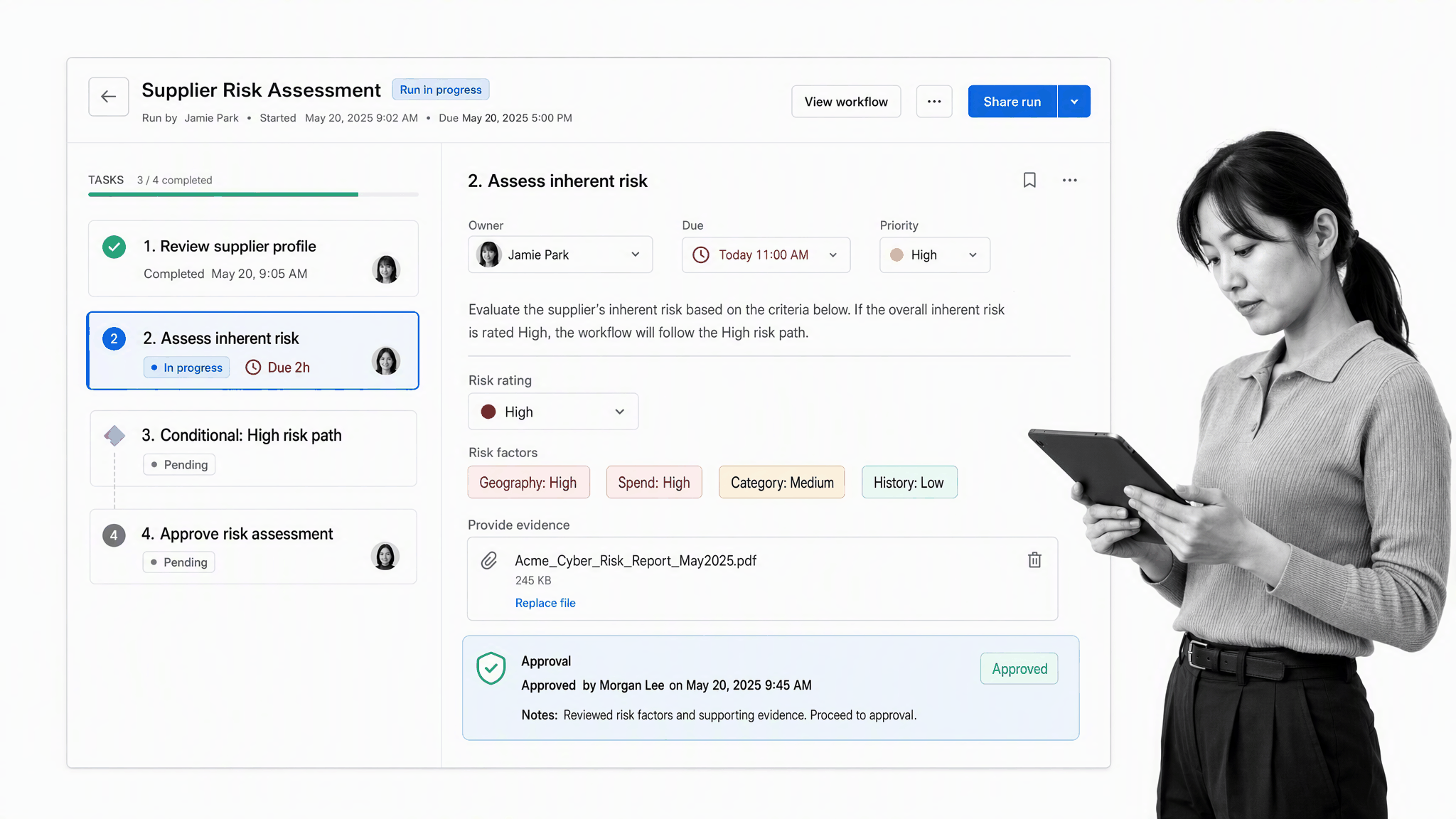
Process Street is a Compliance Operations Platform. It is one product with Docs and Ops capability areas plus built-in AI.
Docs gives a team a governed place for the instructions, policies, and standards behind daily work. Ops turns those standards into repeatable workflows with owners, forms, due dates, conditional paths, approvals, and an activity record. Built-in AI can help teams find knowledge, summarize information, and support execution inside those controls.
For a daily checklist, create the workflow once and schedule it to run every day. Each run can assign work to the right person, calculate a due date, show only the steps that apply, and route an exception for approval. Team members can use My Work to see their assigned tasks across workflows rather than hunting through separate lists.
- Use stop tasks when one step must be completed before the next begins.
- Use dynamic due dates to calculate deadlines from the start of the run or another task.
- Use conditional logic to keep each run relevant.
- Use role assignments and approvals to make ownership and review explicit.
Turn a checklist into an operating system
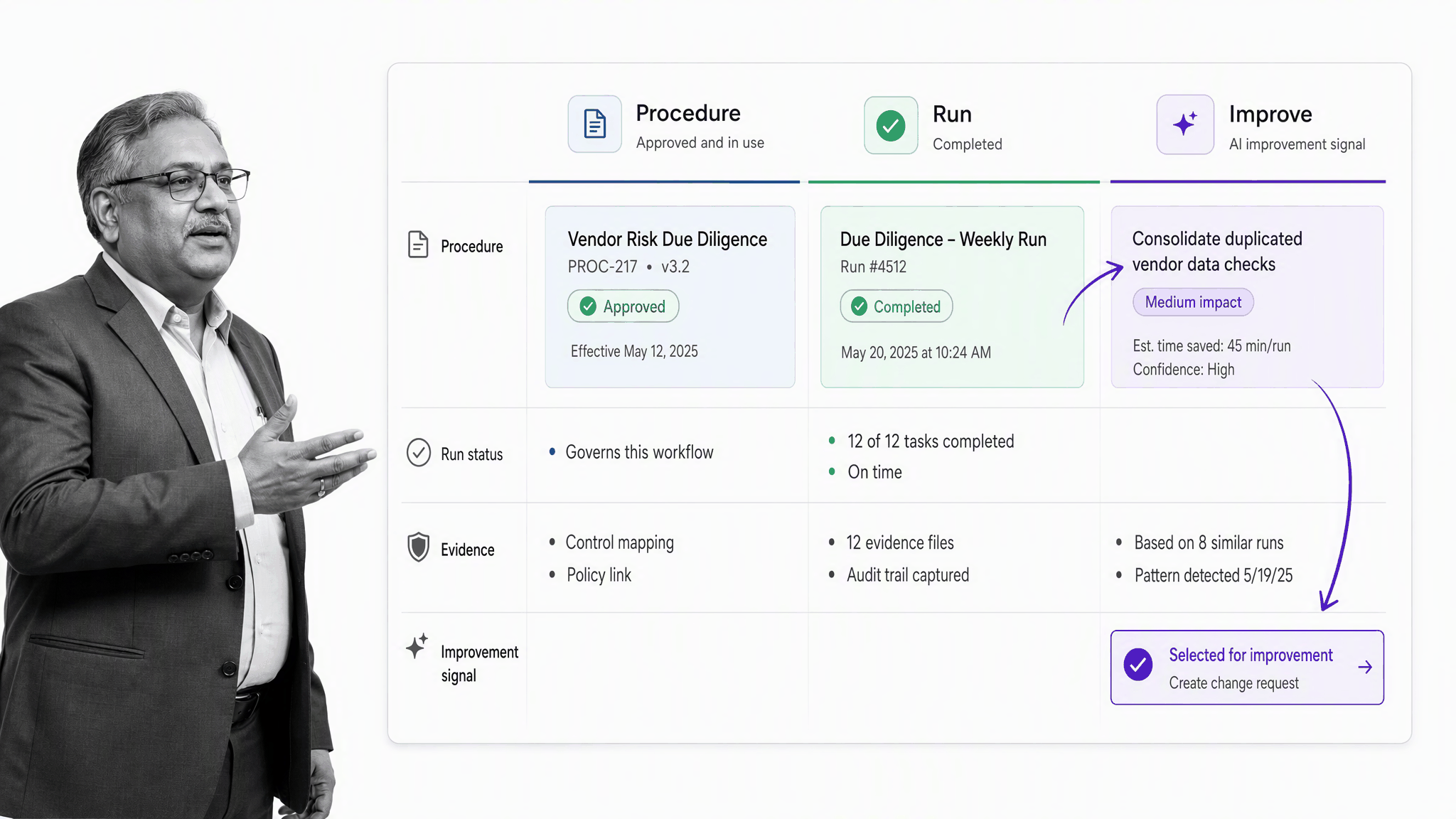
A personal list can remind one person what to do. A governed workflow goes further: it preserves the approved method, coordinates handoffs, records evidence, and shows leaders where work is blocked or overdue.
That distinction matters as work becomes more consequential. Daily compliance checks, cash controls, customer escalations, safety reviews, and onboarding tasks need more than a box to tick. They need the right instruction, accountable owner, supporting evidence, and an auditable record of what happened.
Start with one recurring process. Write the smallest checklist that reliably produces the result, assign the real owners, and run it for a week. Then remove steps that do not change the outcome, strengthen the controls around common errors, and automate the predictable routing. The checklist becomes more useful as the team learns from actual runs.
Daily task checklist FAQs
What should be on a daily task checklist?
Include today’s priority outcomes, recurring responsibilities, deadlines, owners, and any handoffs or checks required before work is complete. Keep low-value reminders separate so they do not hide the work that matters.
How many tasks should be on a daily checklist?
There is no universal number. The list should fit the available day and make the top priorities obvious. If unfinished work rolls forward repeatedly, reduce the scope, clarify task size, or separate a backlog from today’s commitments.
Should a daily checklist be time-blocked?
Time blocks help when tasks need protected focus or must happen at a specific time. A simple priority order is often enough for short or reactive work. Use the lightest structure that improves follow-through.
What is the difference between a checklist and a to-do list?
A to-do list usually tracks one-off commitments. A checklist captures a repeatable method and its required controls. Daily work often needs both: a reusable checklist for the process and a short list of unique tasks for the day.
The post Daily Task Checklist: 15 Benefits From Experts Around the Globe first appeared on Process Street | Compliance Operations Platform.


0 Commentaires